

An AGV system does not end with the vehicle. In practice, autonomous forklifts and AGV / AMR only deliver stable value when they operate as part of a broader system made of fleet logic, integration, infrastructure and support.
That is why deployment architecture matters so much. The vehicle, software layer, task exchange, charging logic and site readiness all need to work together if the project is supposed to be safe, scalable and commercially sound.
A robot performs the transport. The system connects it with tasks, other vehicles and the site.
- Match the vehicle to the load.
- Connect tasks, fleet and site systems.
- Plan infrastructure and ongoing support.
Physical layer: vehicles and equipment
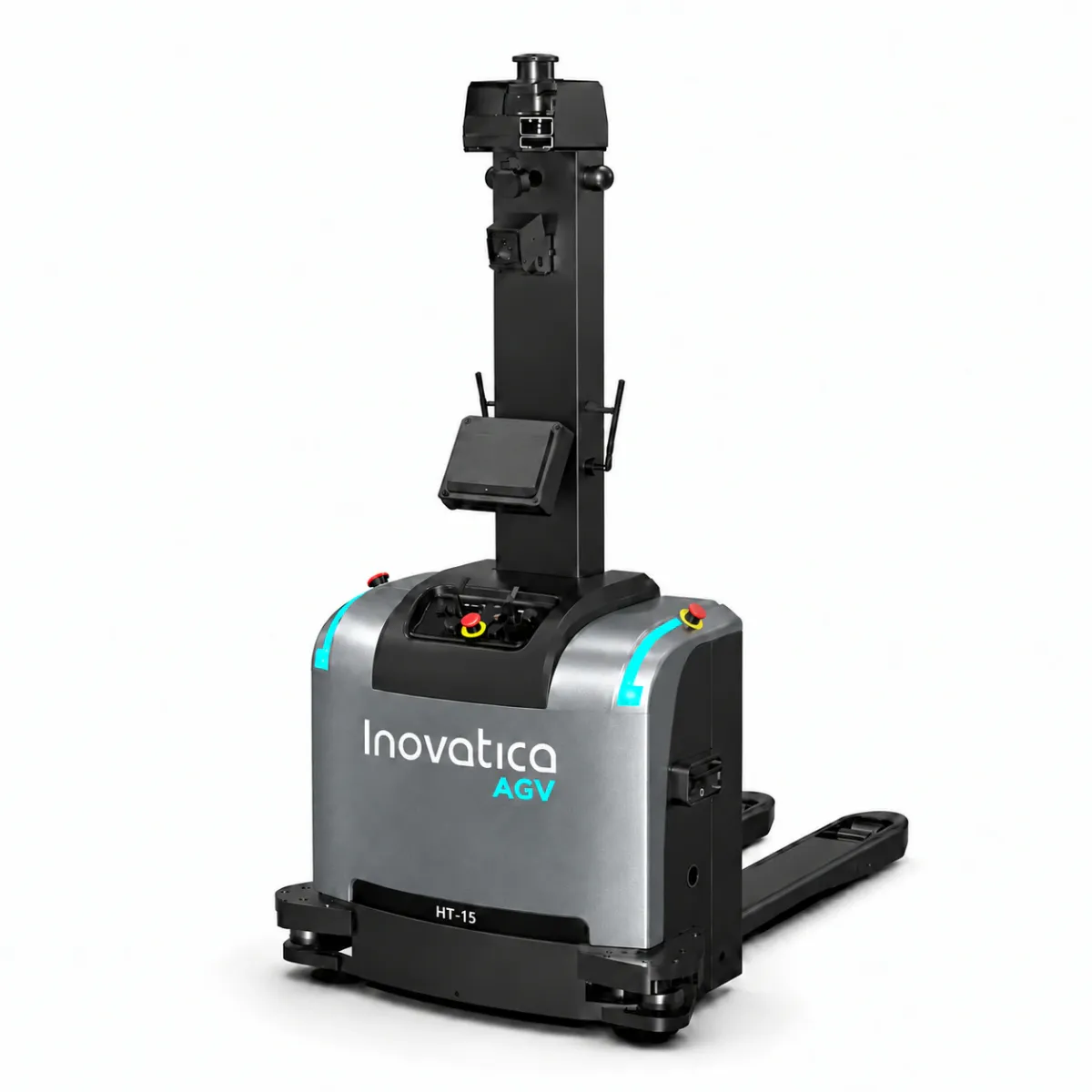
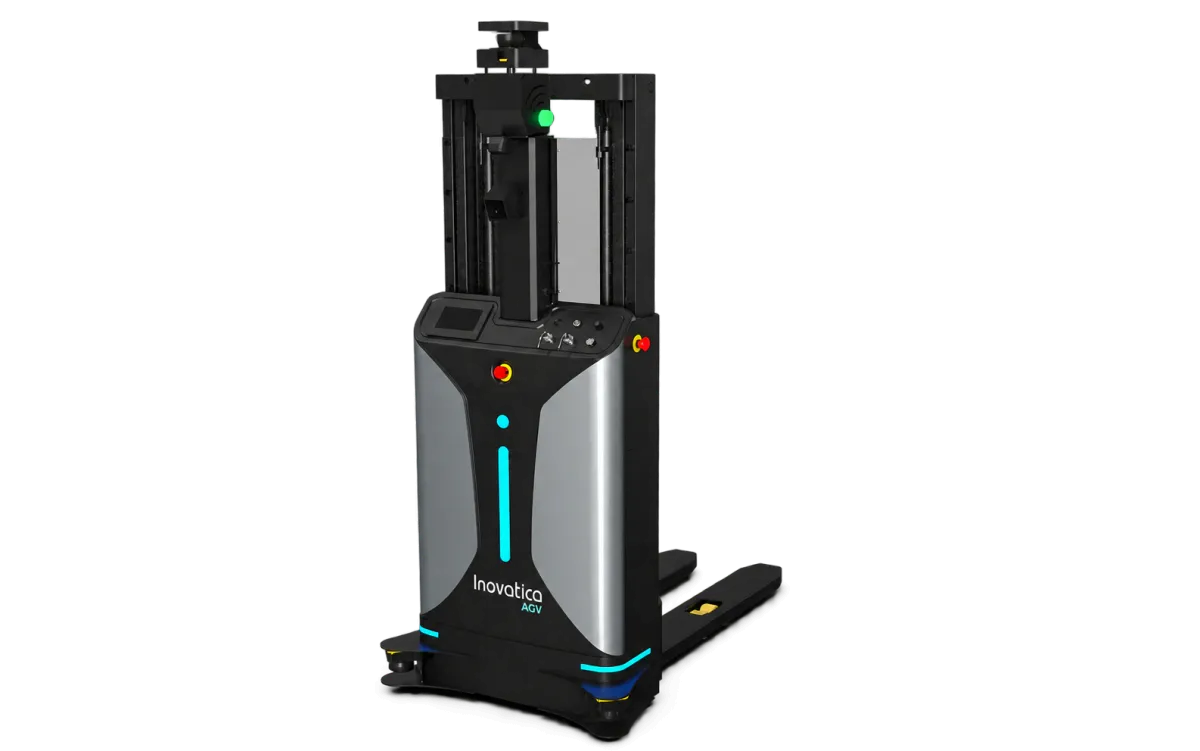
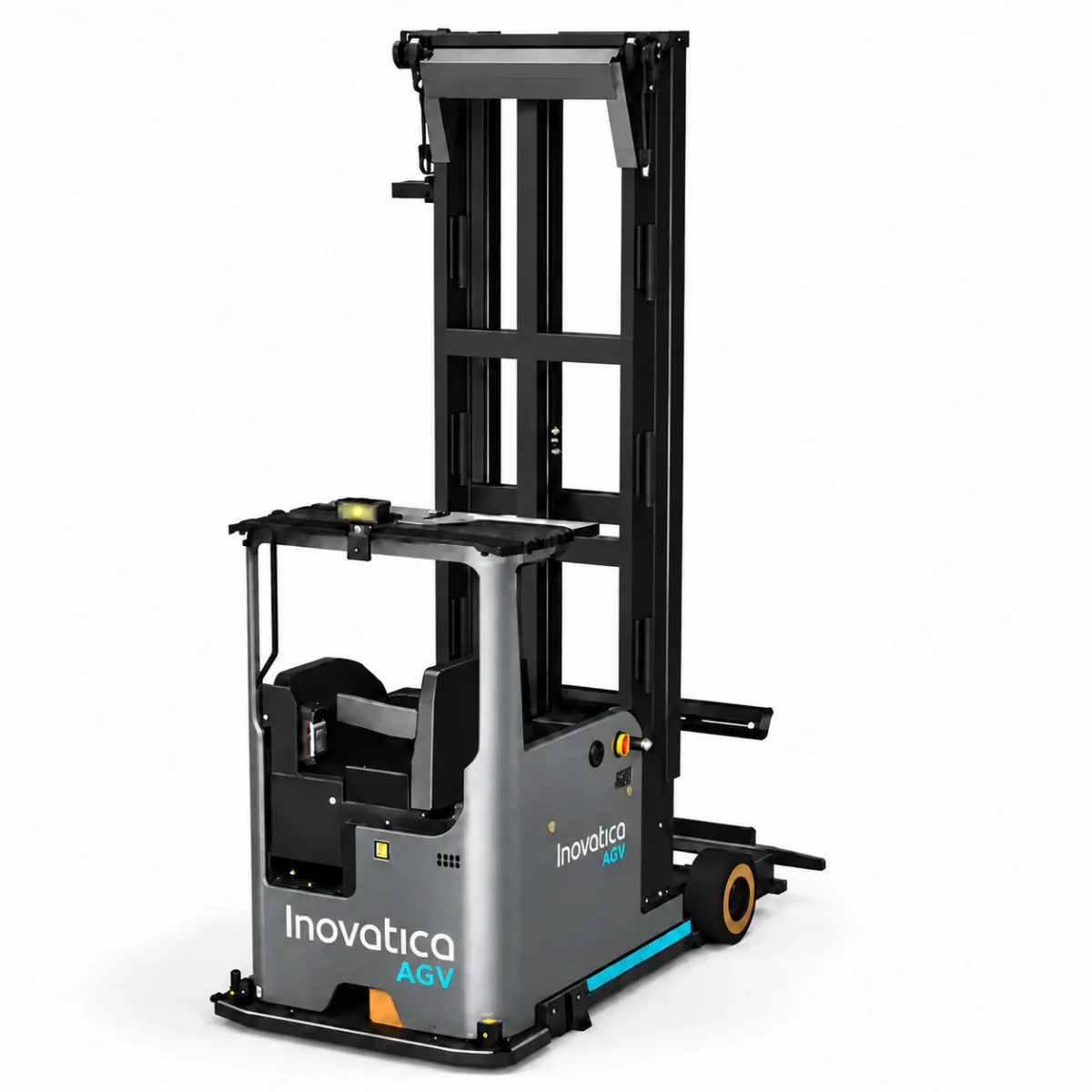
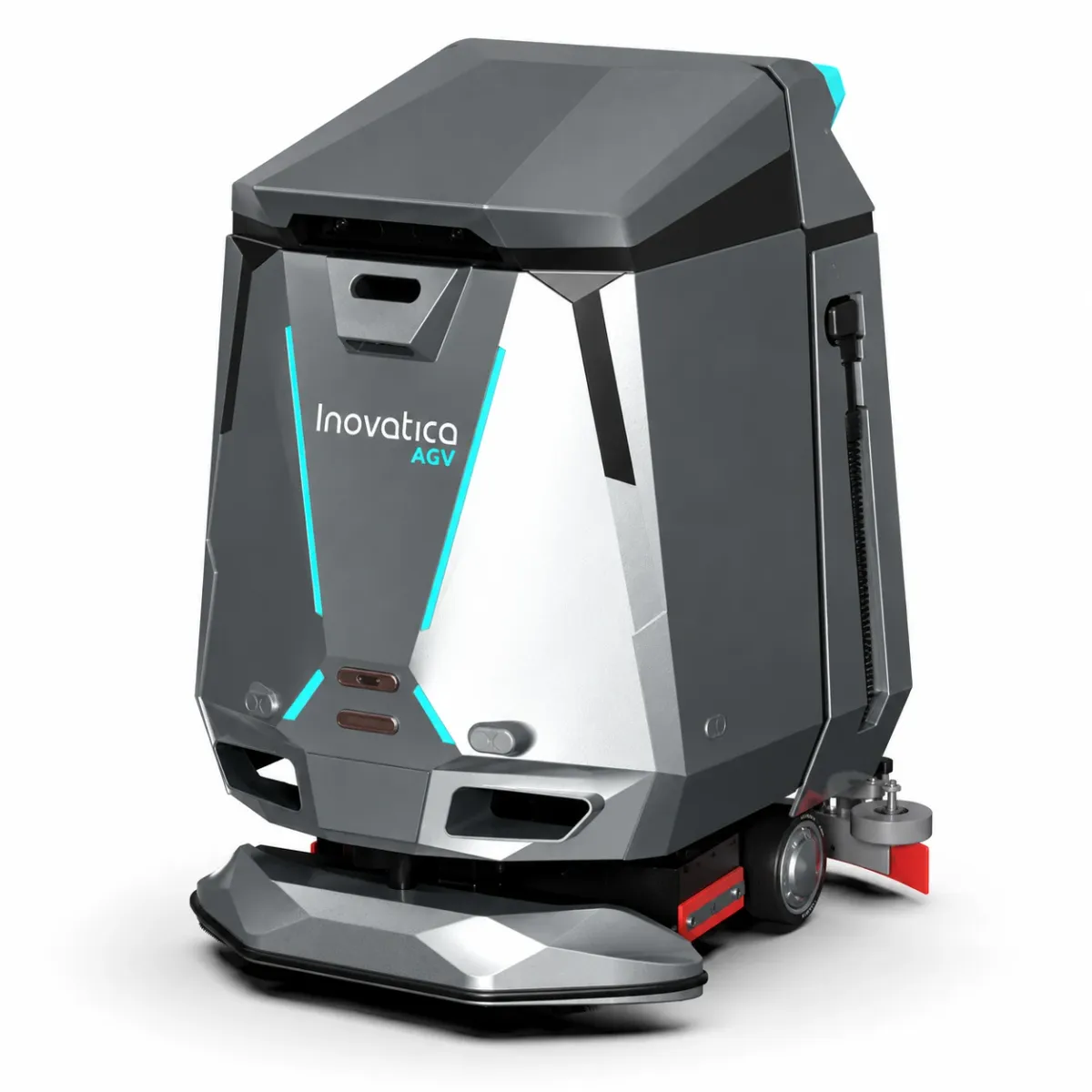
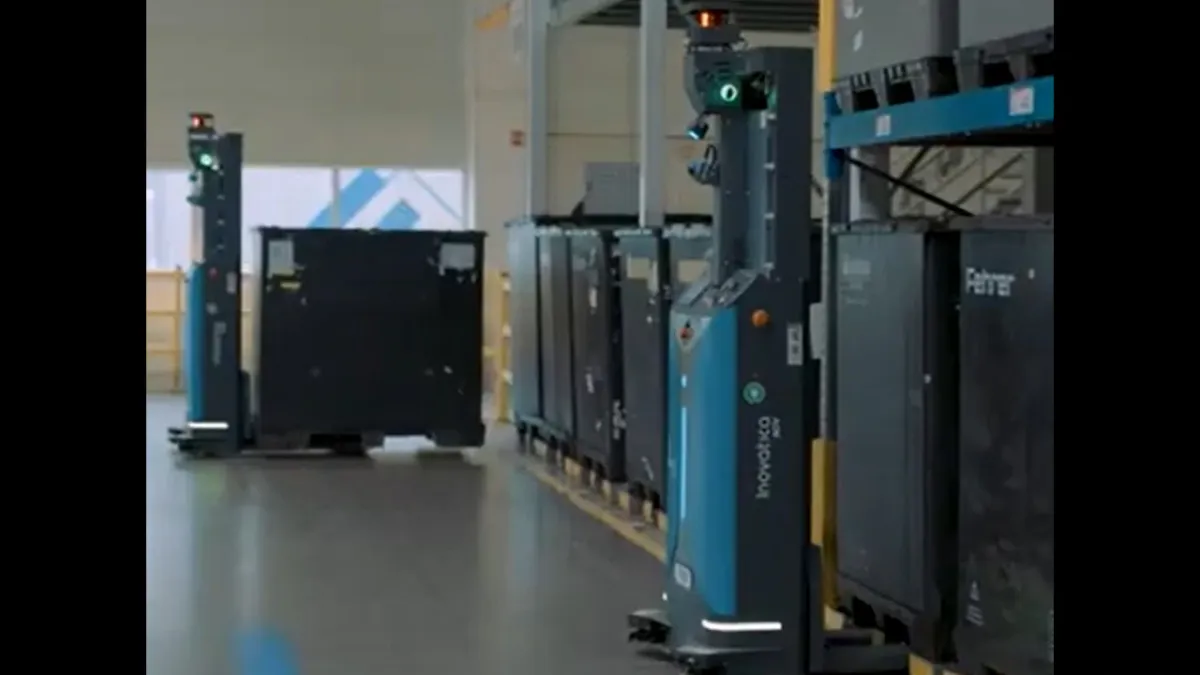
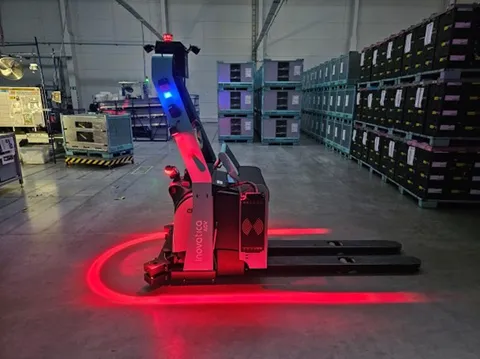
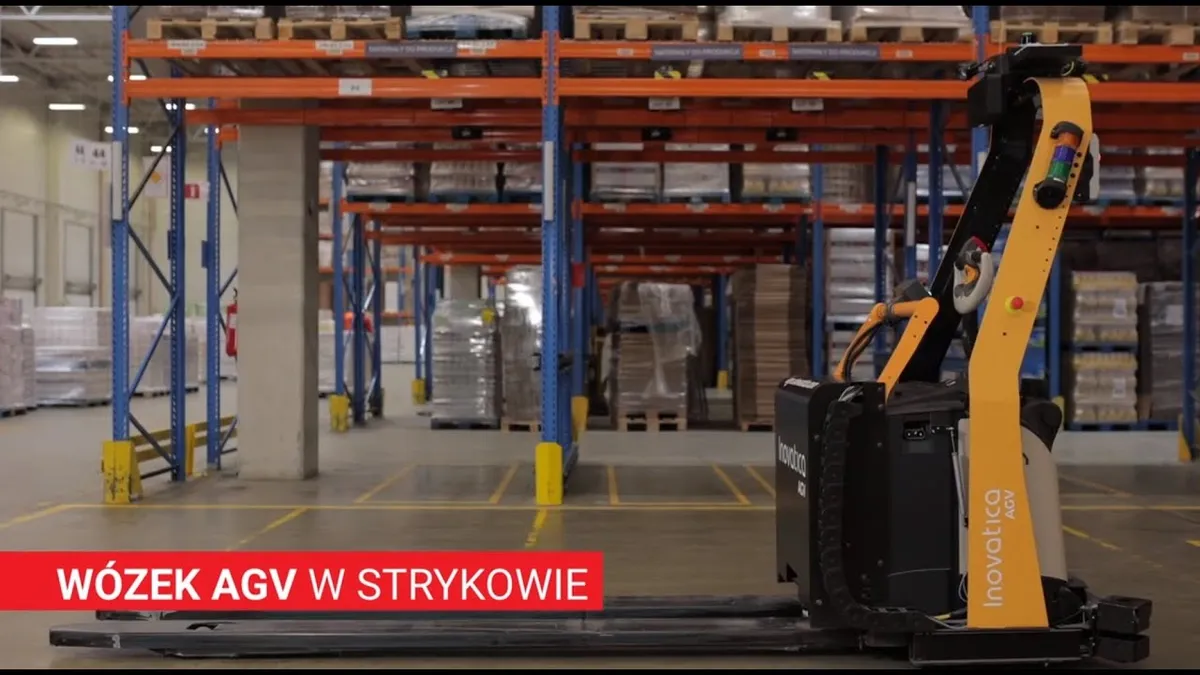
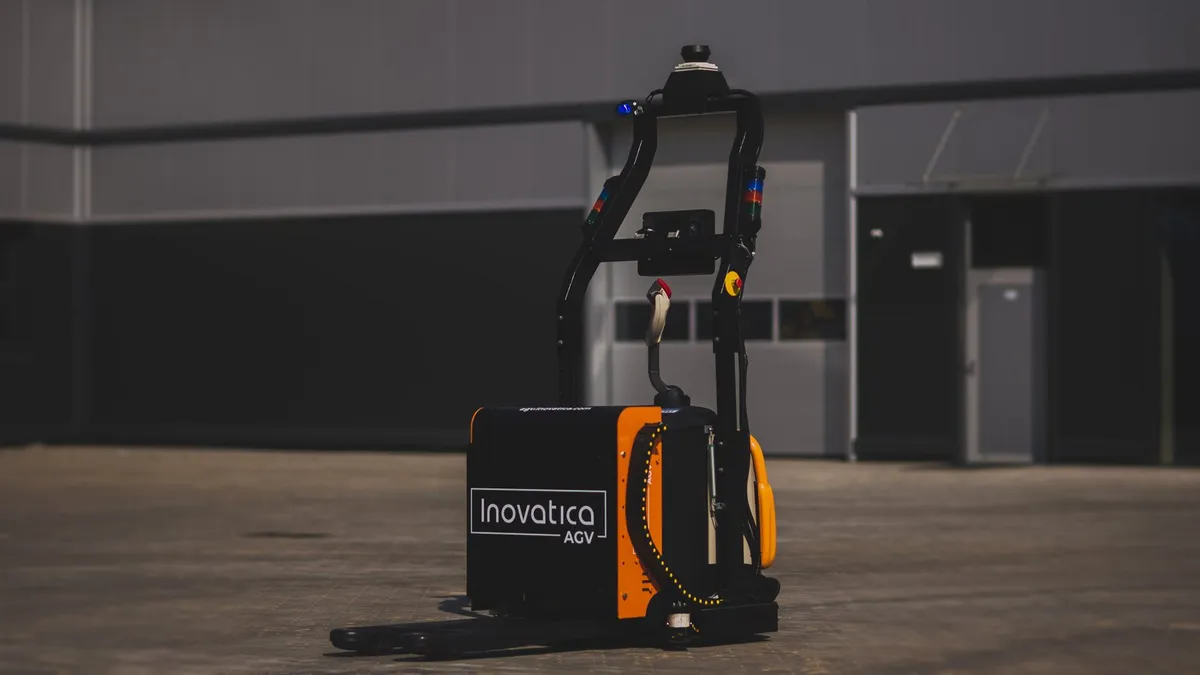
Vehicles may include horizontal transport robots, tuggers, stackers, reach trucks or autonomous forklifts for high-bay storage.
Selection depends on the load carrier, transfer height, turning space and operating rhythm. A vehicle that does not fit the process can cause problems during commissioning even if its individual specifications look suitable.
Control layer: fleet management and traffic
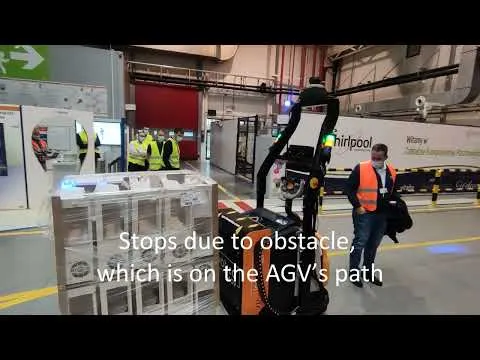
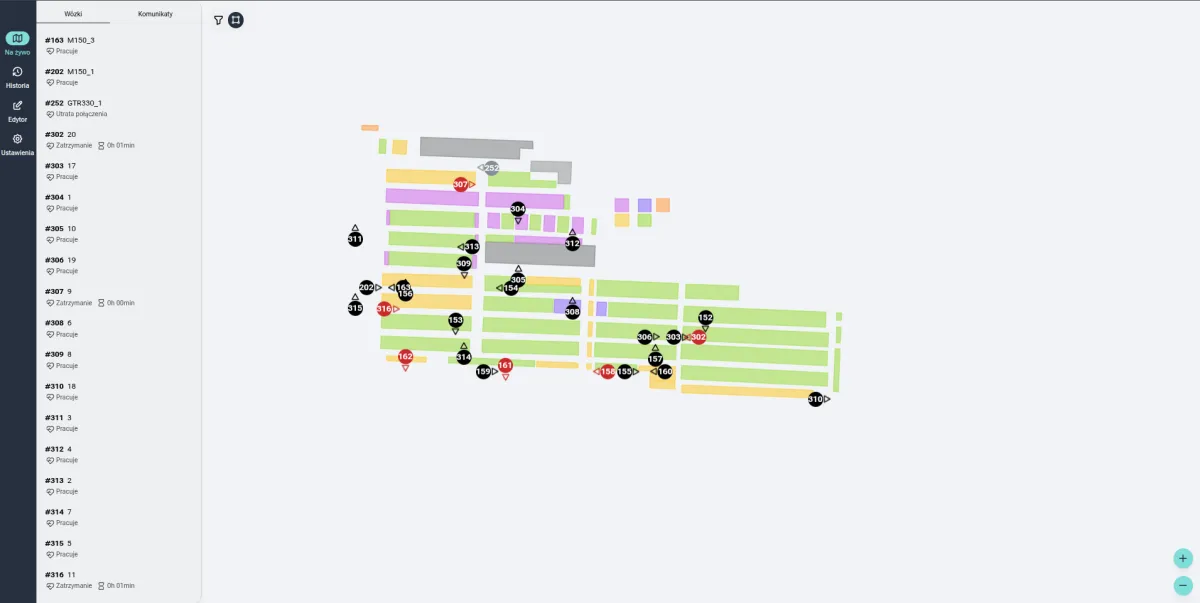
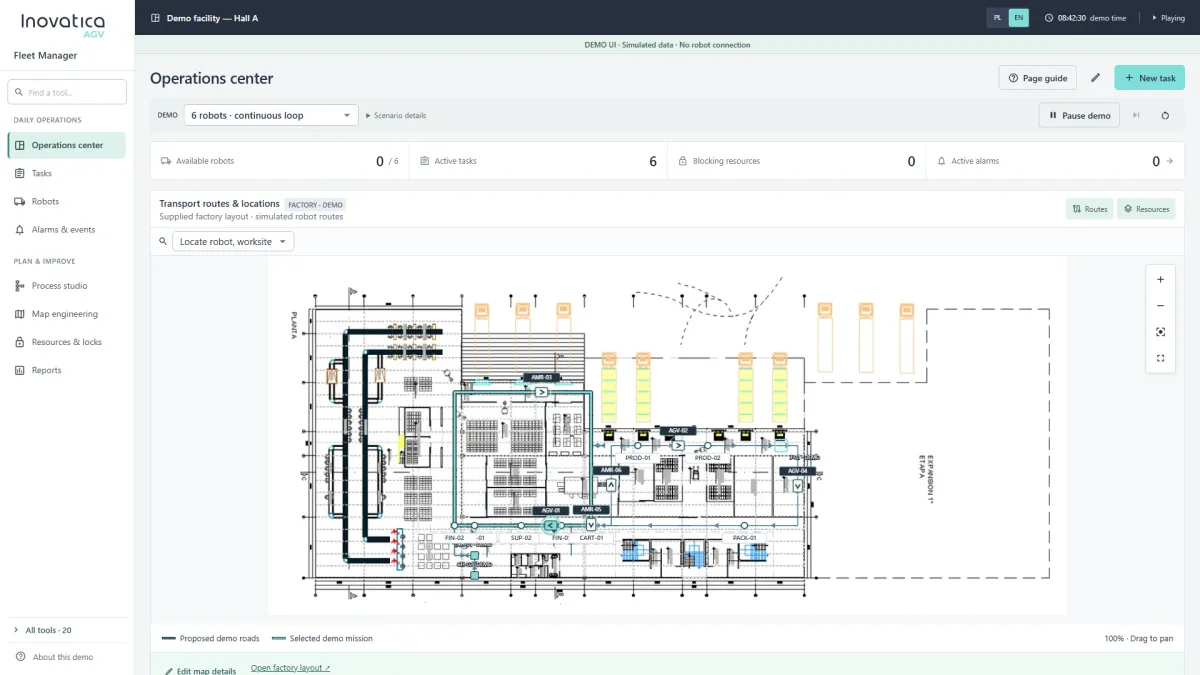
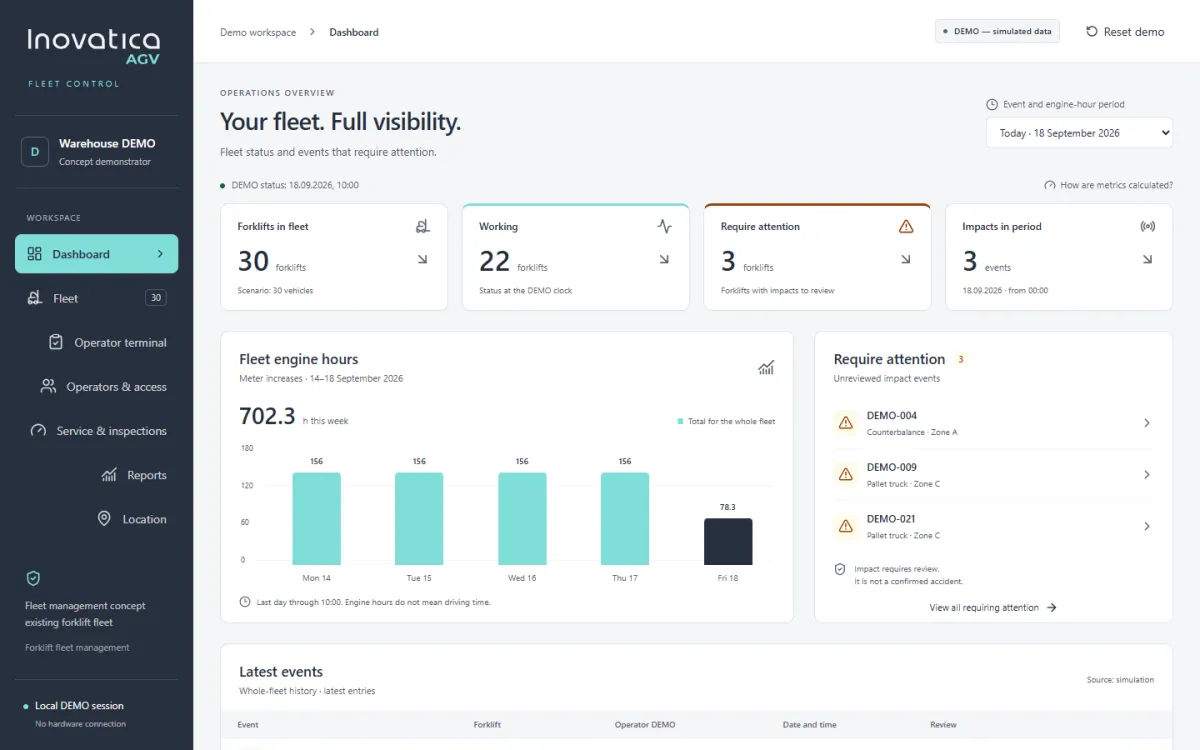
Some functions can operate locally on a single vehicle. A larger fleet needs coordinated task and traffic management. The fleet manager assigns tasks, plans routes, manages potential blockages and collects system operating data.
Shared control manages priorities, queues and exceptions across the fleet. This is an important part of achieving predictable operation after commissioning.
- 01Task
WMS, MES, ERP or operator
- 02Fleet Manager
Assignment and traffic
- 03Robot
Pickup and transport
- 04Confirmation
Task status and result
Integration layer: WMS, ERP, MES and OT
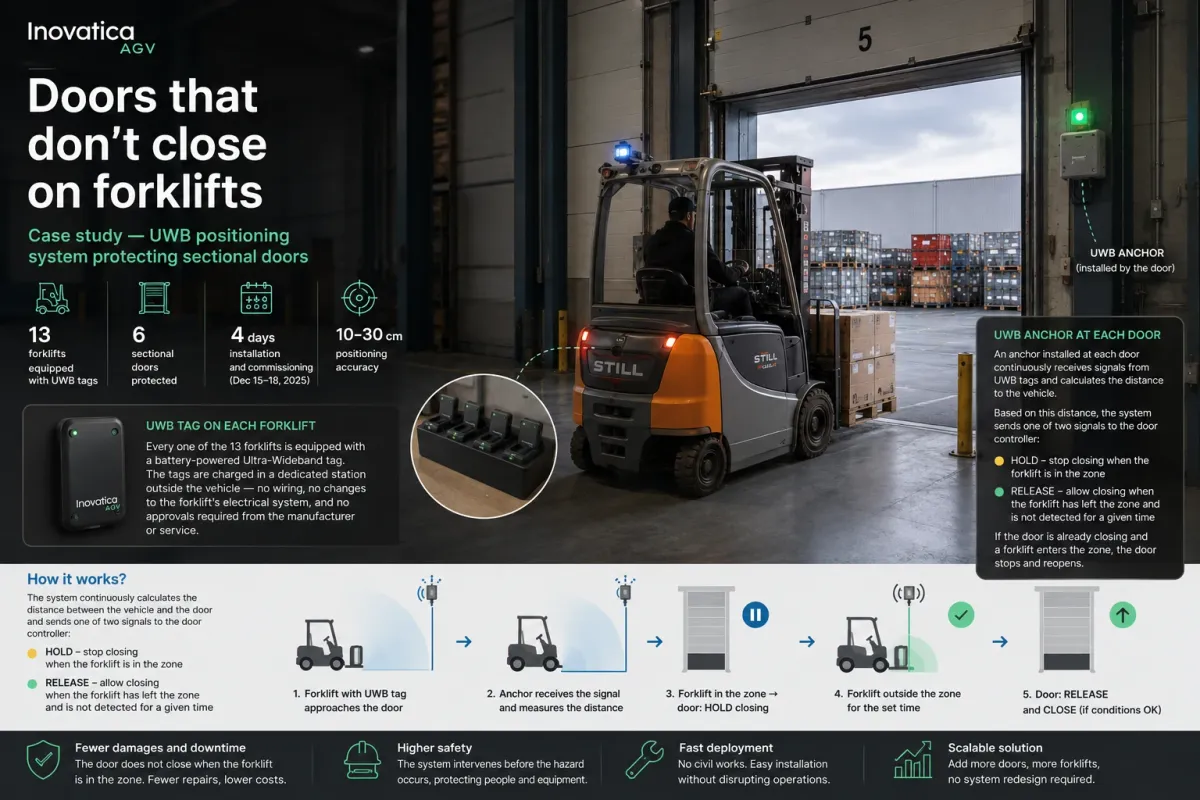
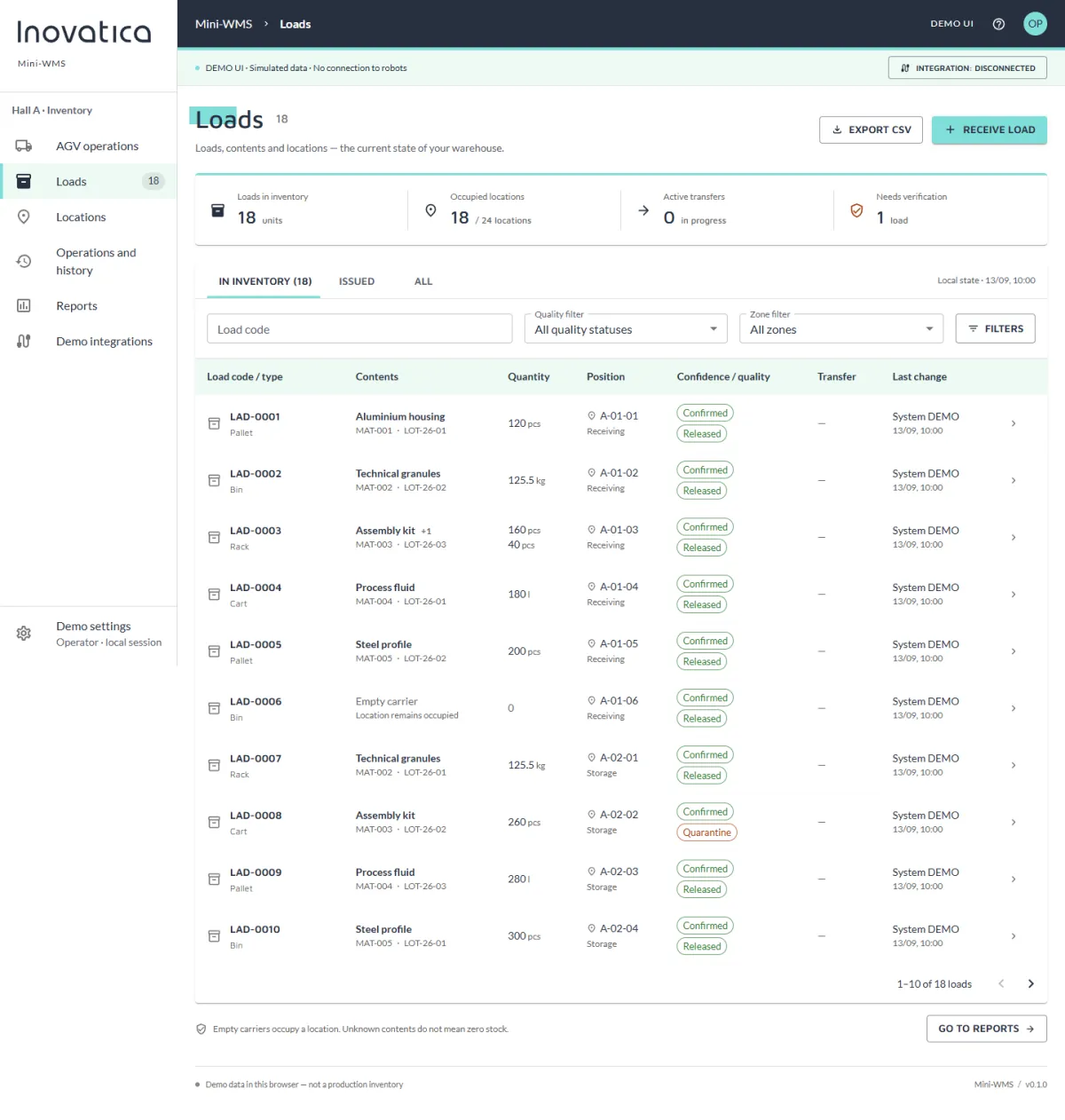
Integration allows transport requests to follow process data. A system can exchange tasks with WMS, ERP or MES, and coordinate with operational equipment such as lifts, doors, conveyors and PLCs.
A well-designed integration can:
- generate transport tasks automatically,
- confirm completed operations in the upstream system,
- handle exceptions without repeated manual data entry,
- provide information about throughput and workload.
Infrastructure layer: network, charging and operating environment
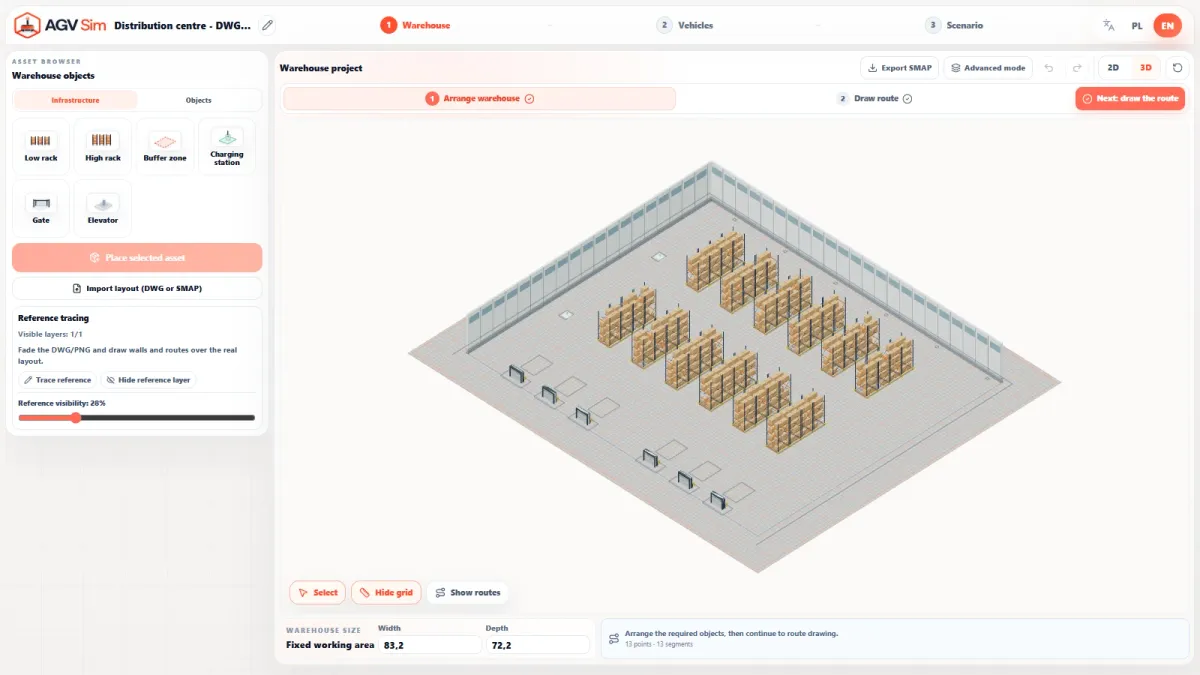
Stable operation needs suitable wireless coverage, appropriately located charging stations, prepared transfer points and clear rules for mixed traffic.
An unreliable network, insufficient charging capacity or ambiguous drop-off locations can affect throughput and daily operation. These conditions should be assessed as part of the project.
Support layer: service, updates and development
Ongoing support includes inspections, software updates, exception handling, training and the review of operating data. These activities help sustain the result after commissioning.
Planning service and development from the beginning also supports future expansion into additional transport processes.
What this means for the project
Vehicle price alone does not describe the complete system. Evaluate the vehicle, fleet manager, integrations, infrastructure and support model together.
This helps define a realistic initial scope, anticipate costs and plan how the deployment can grow.
Assessing these layers together reduces the risk of incorrect assumptions about safety, stable operation and ROI. It also makes it easier to plan growth without rebuilding the entire operating environment. Service should remain part of the plan beyond the first few months, so the initial operating result can be sustained.
A floor plan, load details and peak-hour transport demand are a useful starting point for a project discussion.
Supporting material: Original source ↗