
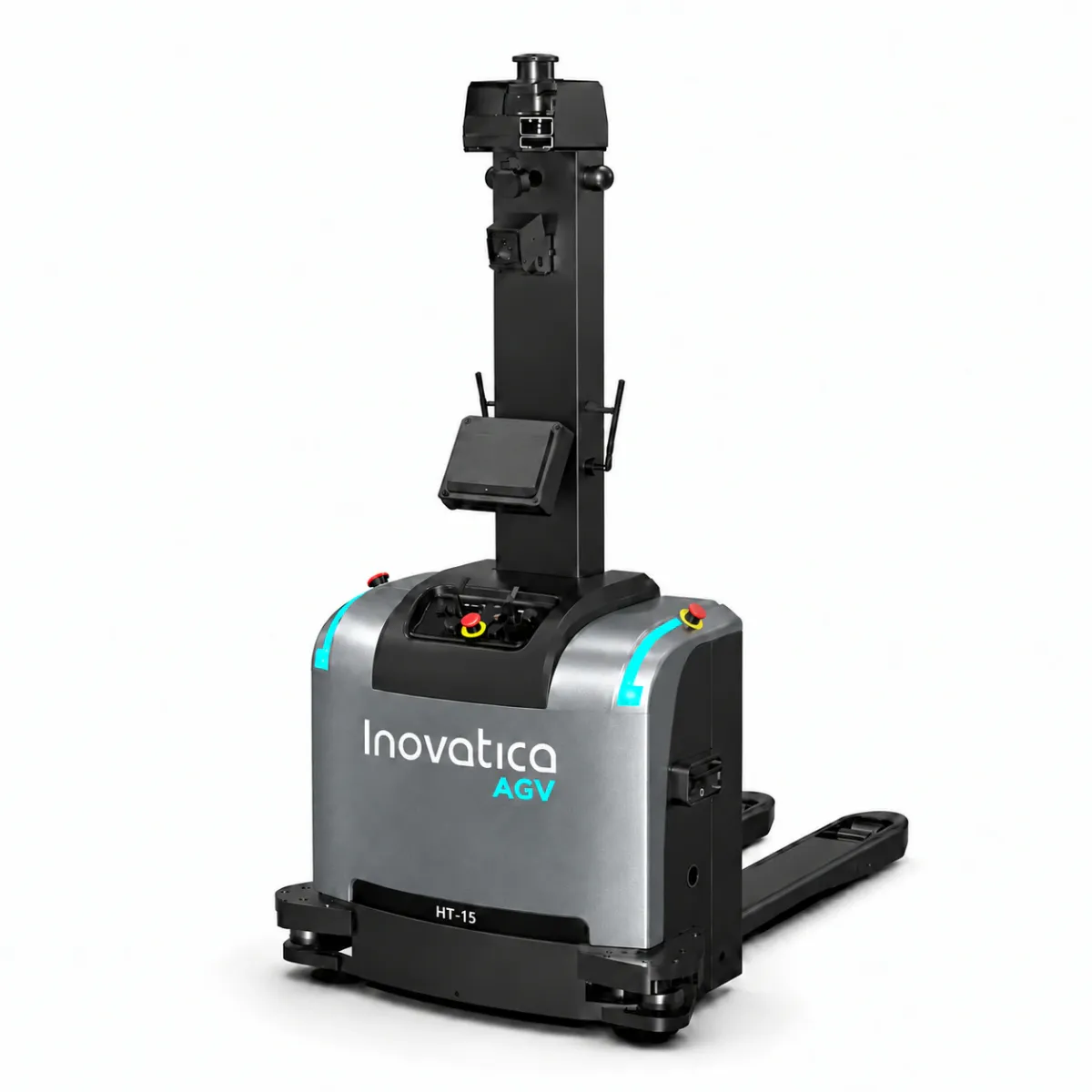
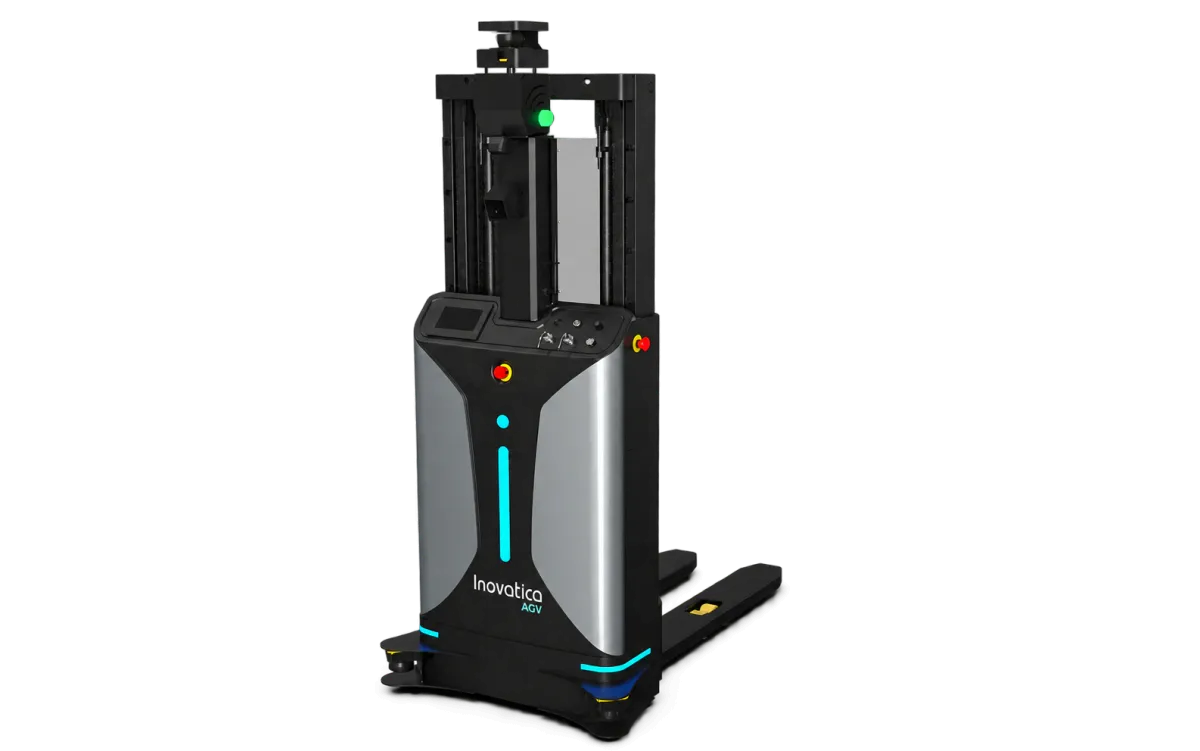
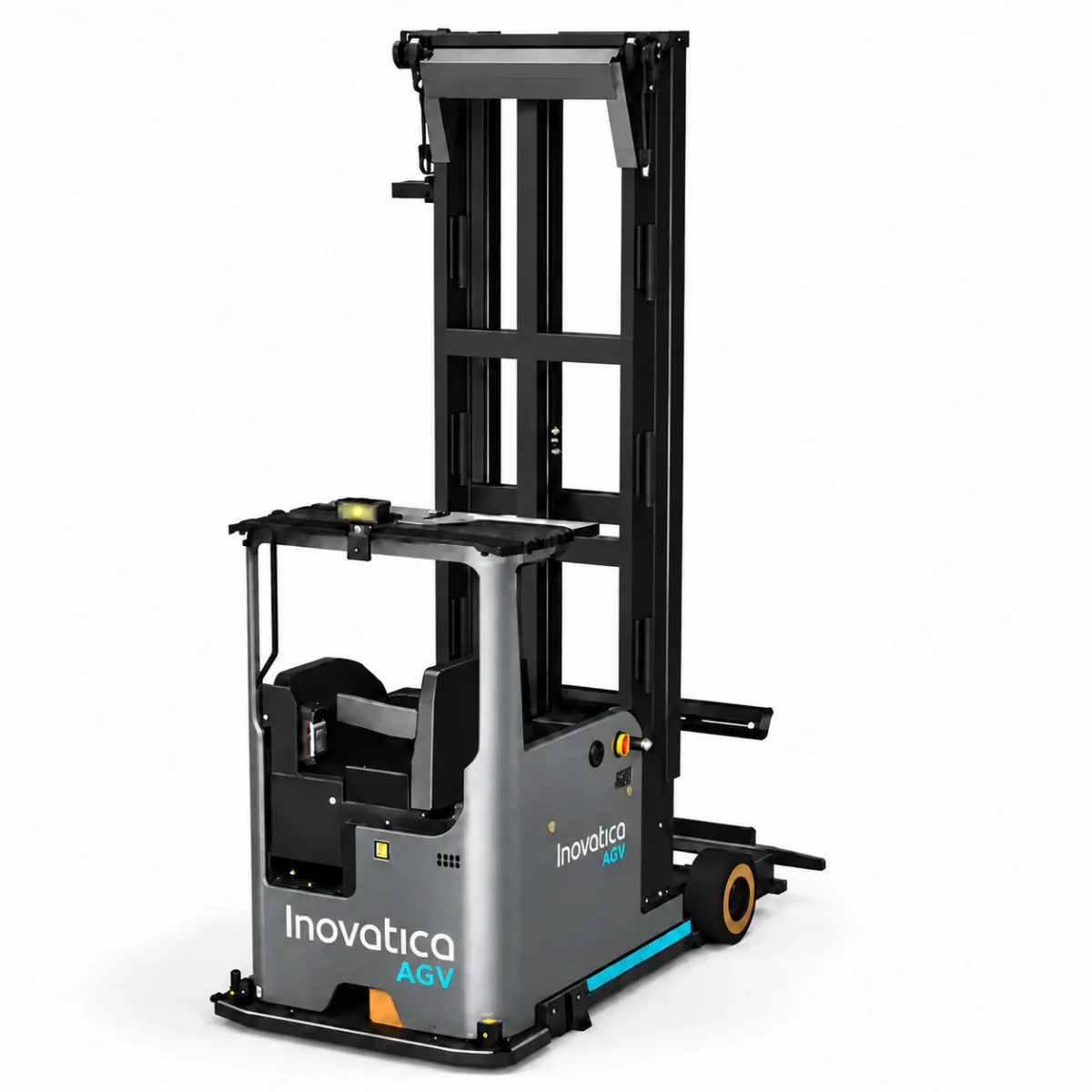
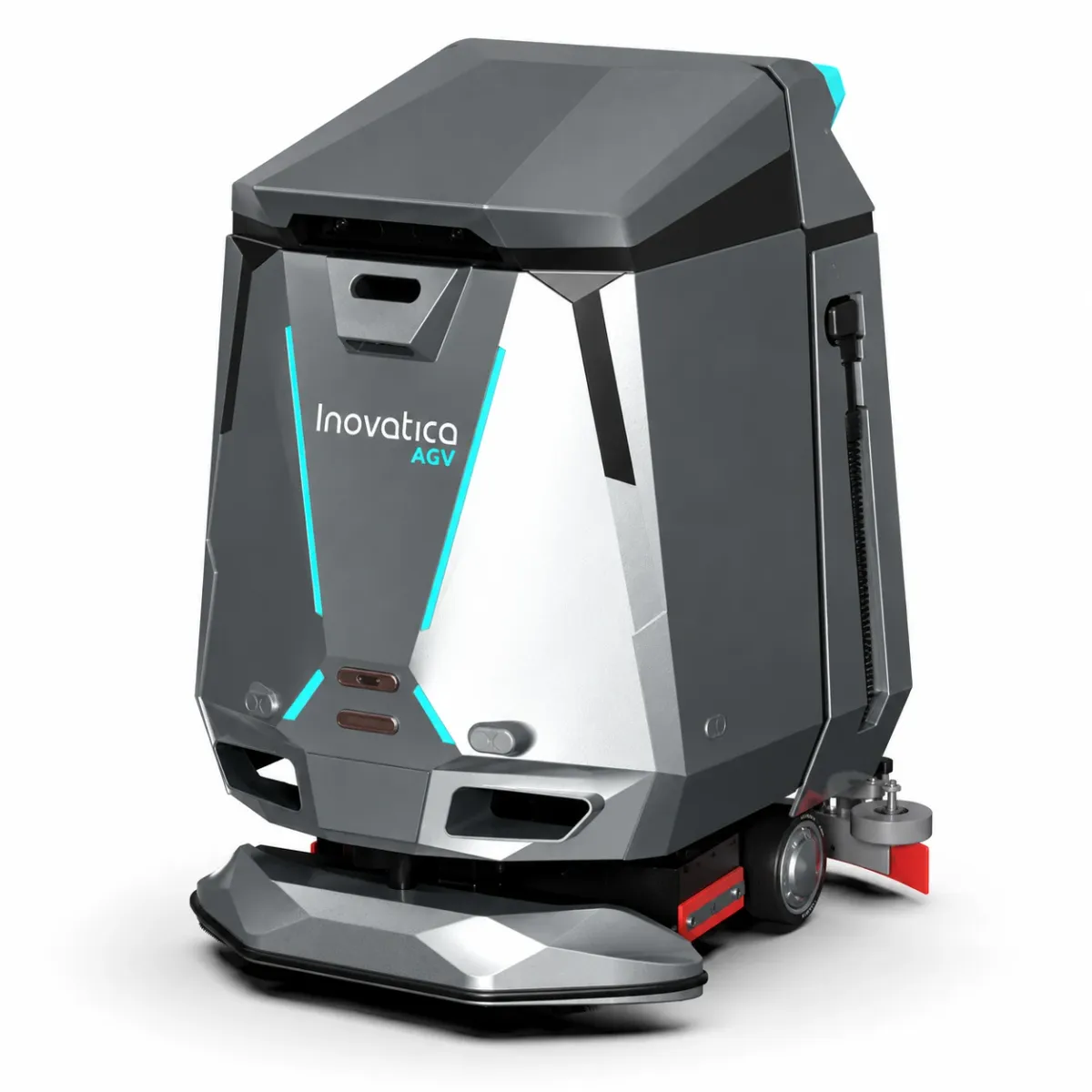
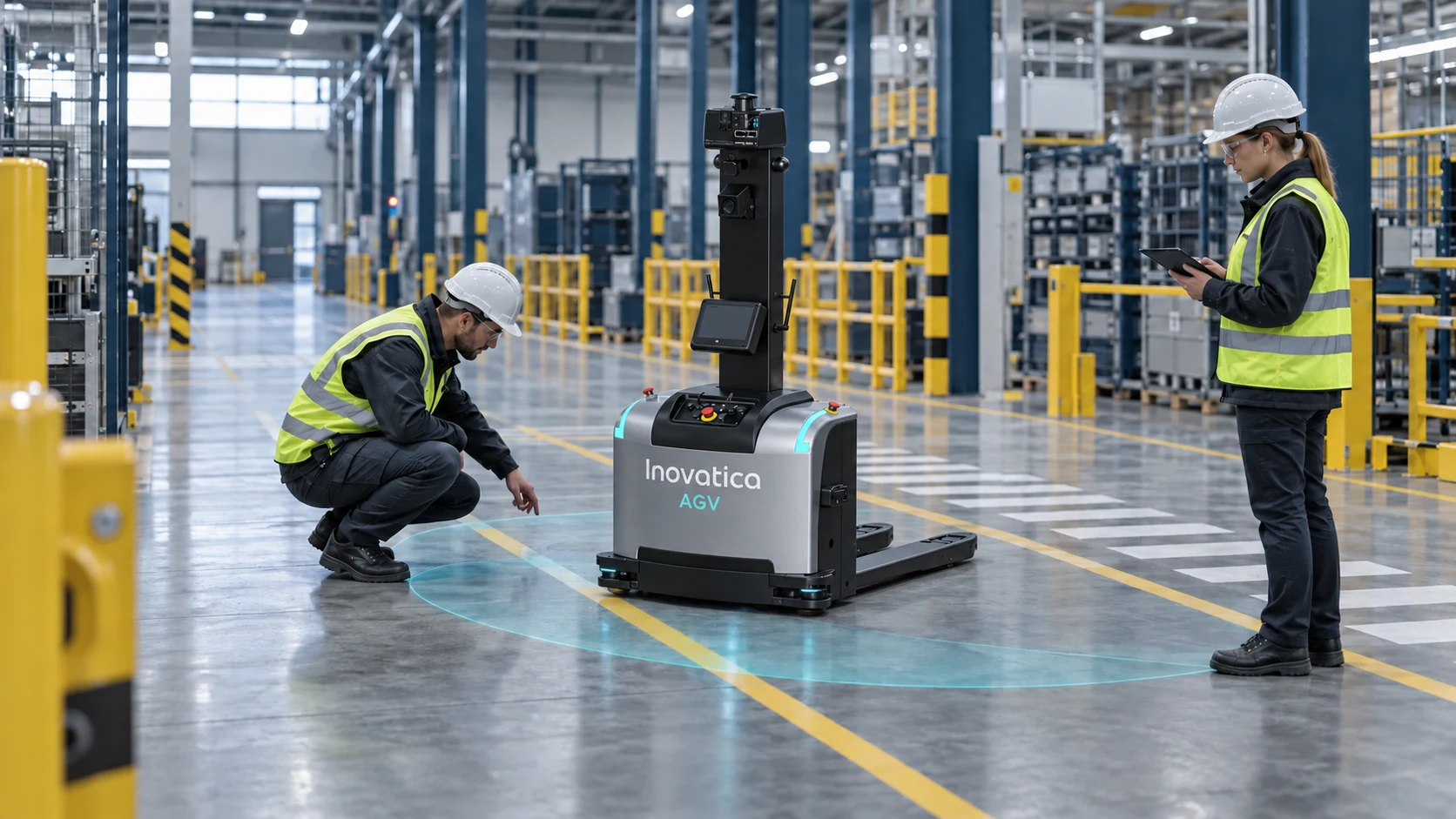
AGV / AMR safety audit
We assess an autonomous vehicle and its integration into a specific facility against PN-EN ISO 3691-4:2024-01. The audit identifies nonconformities, estimates residual risk and sets out corrective actions before commissioning or continued operation.
Vehicle · safety functions · facility
What the audit covers
Documentation and formal conformity
- EC/EU declaration of conformity, CE marking and nameplate
- Operating instructions and technical documentation
- Manufacturer’s risk assessment under ISO 12100
- Effect of vehicle modifications on conformity assessment
Safety functions and control
- Scanners, speed limitation and emergency stop
- Comparison of achieved PL with the required PLr for each function (for example PL d / PL e and Category 3 where specified)
- Architecture, MTTFd, DC and CCF analysis, using SISTEMA where applicable
- Emergency-stop review under ISO 13850
Traffic and detection zones
- Scanner protective fields against speed and stopping distance
- Positioning of protective equipment relative to approach speed under ISO 13855
- People and obstacle detection and warning zones
- Behaviour at intersections, narrow passages and doors
Facility integration and operation
- Routes, markings and separation from pedestrian traffic
- Areas shared by people and vehicles
- Charging stations and load-transfer points
- Emergency and intervention procedures for operators
Assessment framework
We select standards and requirements according to the vehicle, its safety functions and the legal framework applicable to the project.
- PN-EN ISO 3691-4:2024-01
- driverless industrial trucks and their systems
- ISO 12100
- risk assessment and risk reduction
- ISO 13849-1/-2
- safety-related controls and validation
- ISO 13855
- positioning of protective equipment
- IEC 60204-1
- electrical equipment of machines
- ISO 13850
- emergency stop
How the assessment works
Site review
Inspect the vehicle, routes and real operating conditions in the facility.
Measurements and tests
Check stopping distance, reaction times, protective-field range and traffic scenarios.
Verification
Review documentation and the configuration of safety functions and systems.
Risk assessment
Assess hazards using R = S × E × O, assign RL1–RL5 levels and define corrective actions.
Report with findings and corrective actions
The report documents measurements and tests, risk before and after corrective actions for identified hazards, recommendations and conclusions on the conditions for safe operation.