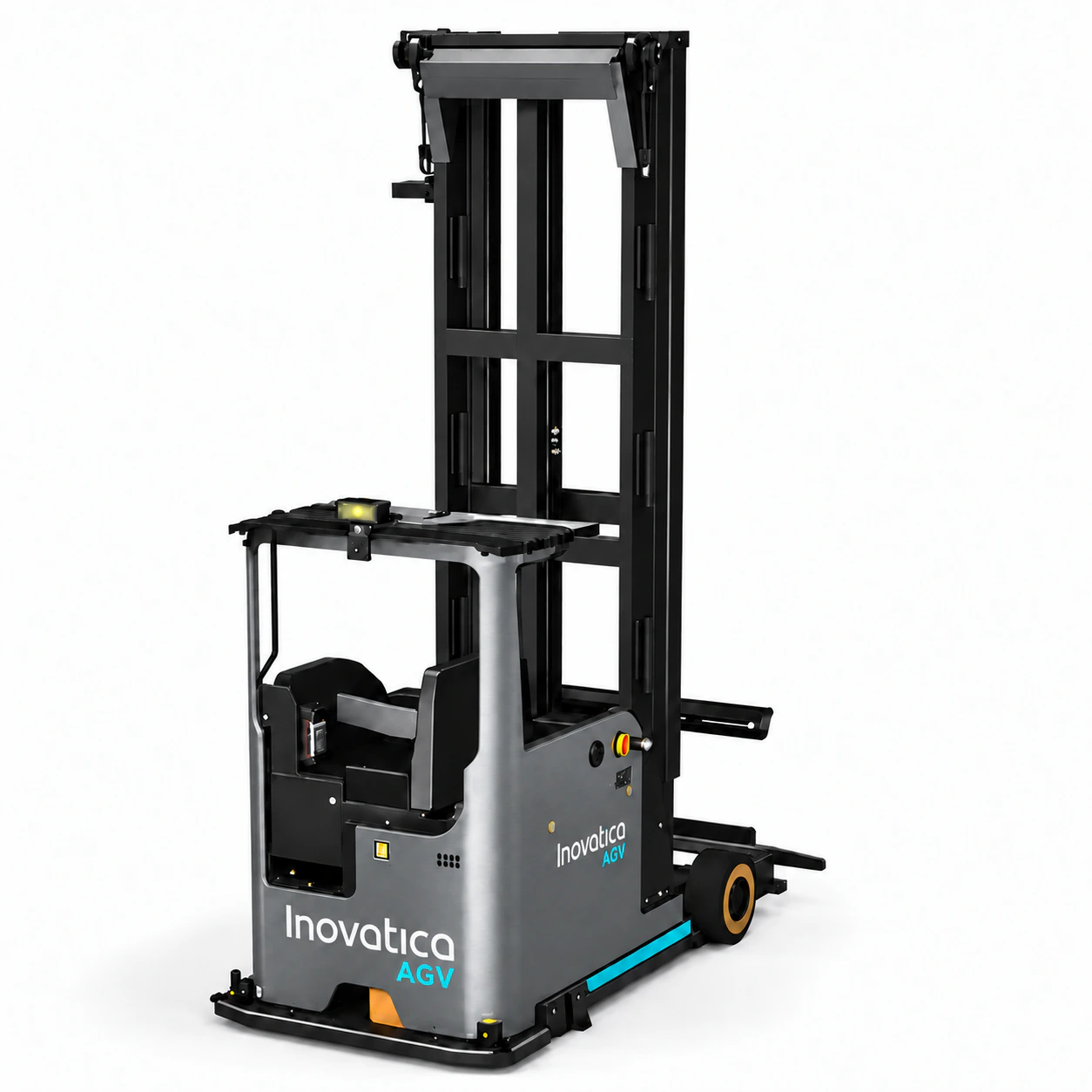
High-bay AGVs
RT-20100
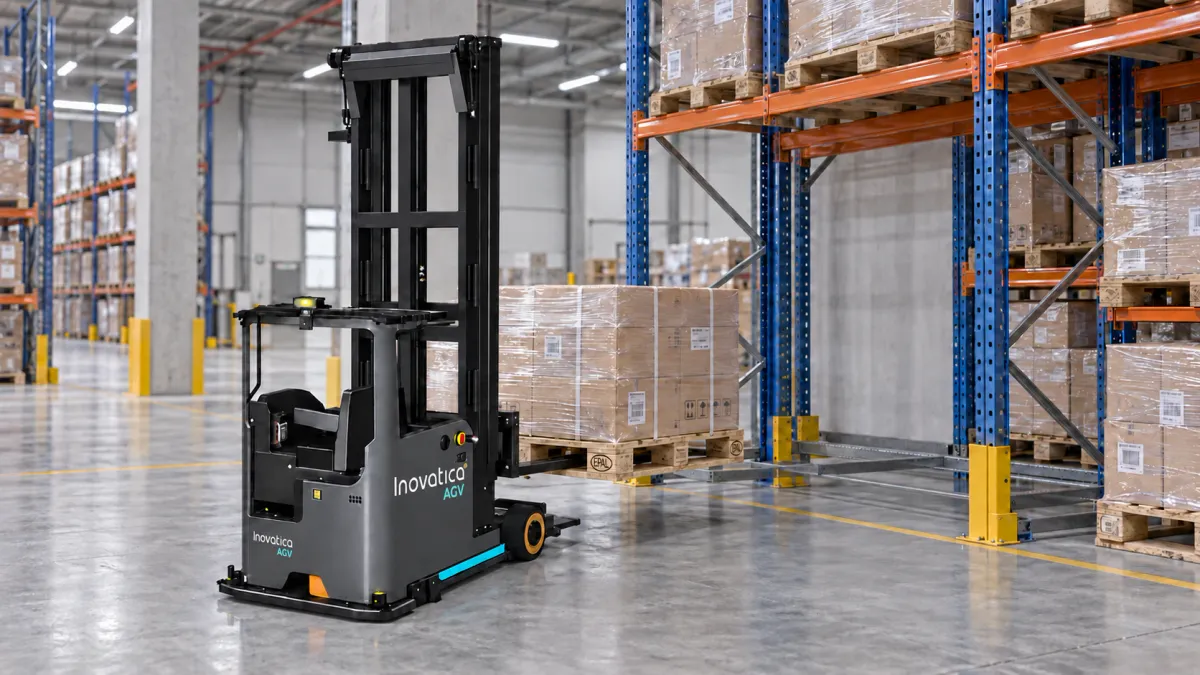
Pallet placement and retrieval in high-bay warehouses.
Specifications: View configurations
Explore the model →
Find the right robot for your process.
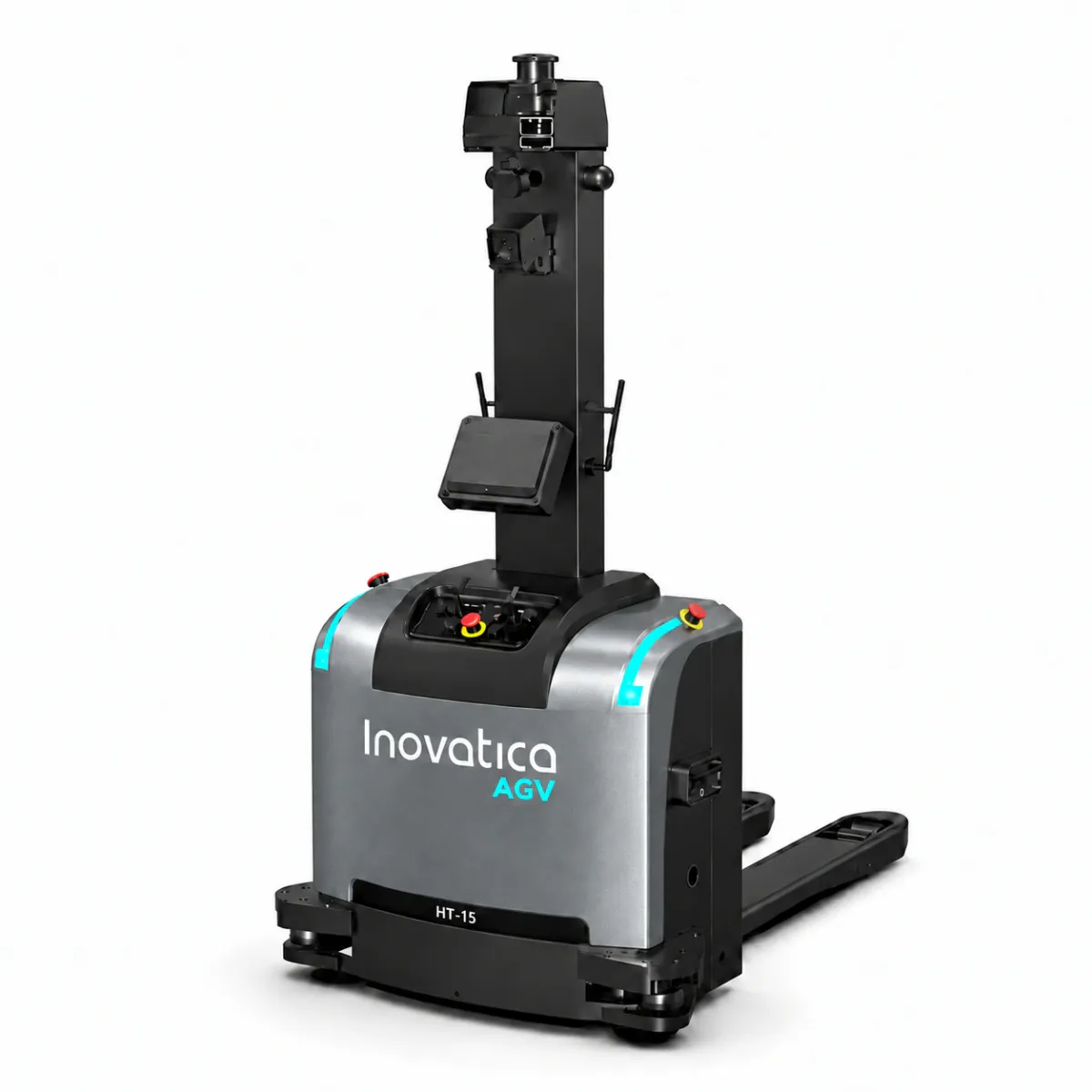
Pallets, containers and load carriers moved
between production and warehouse areas.
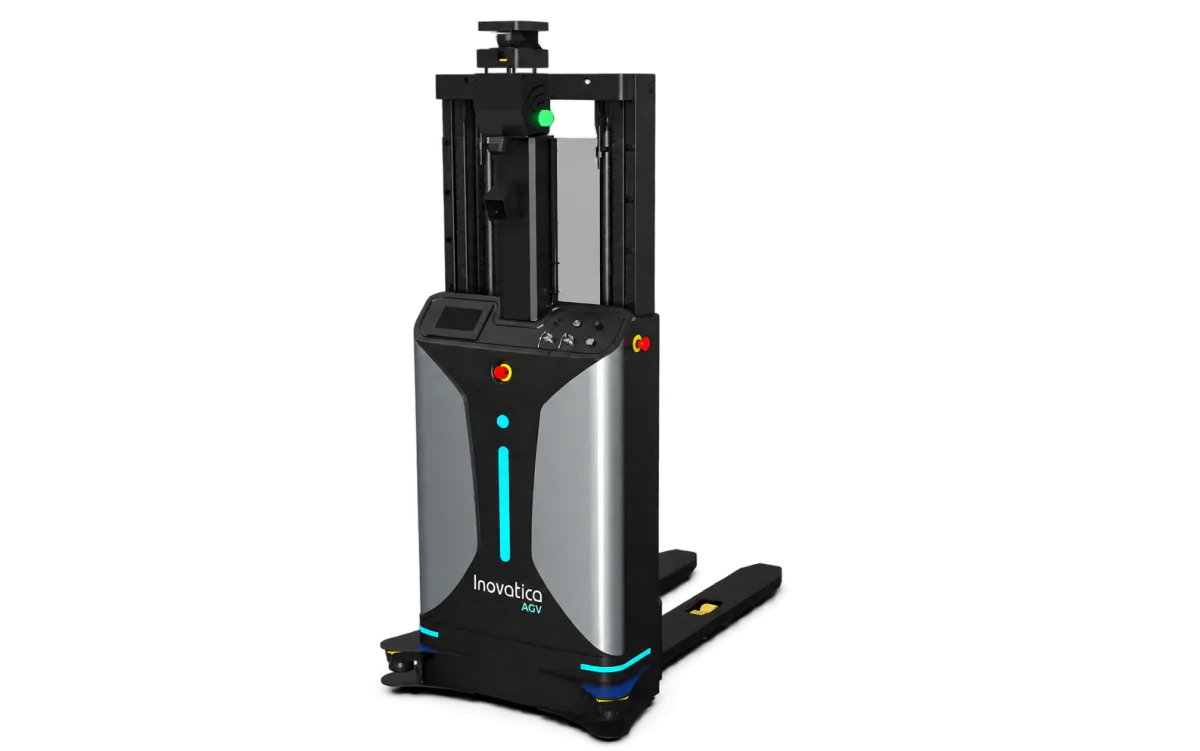
Pallet pickup and placement.
Matched to the load carrier and transfer height.
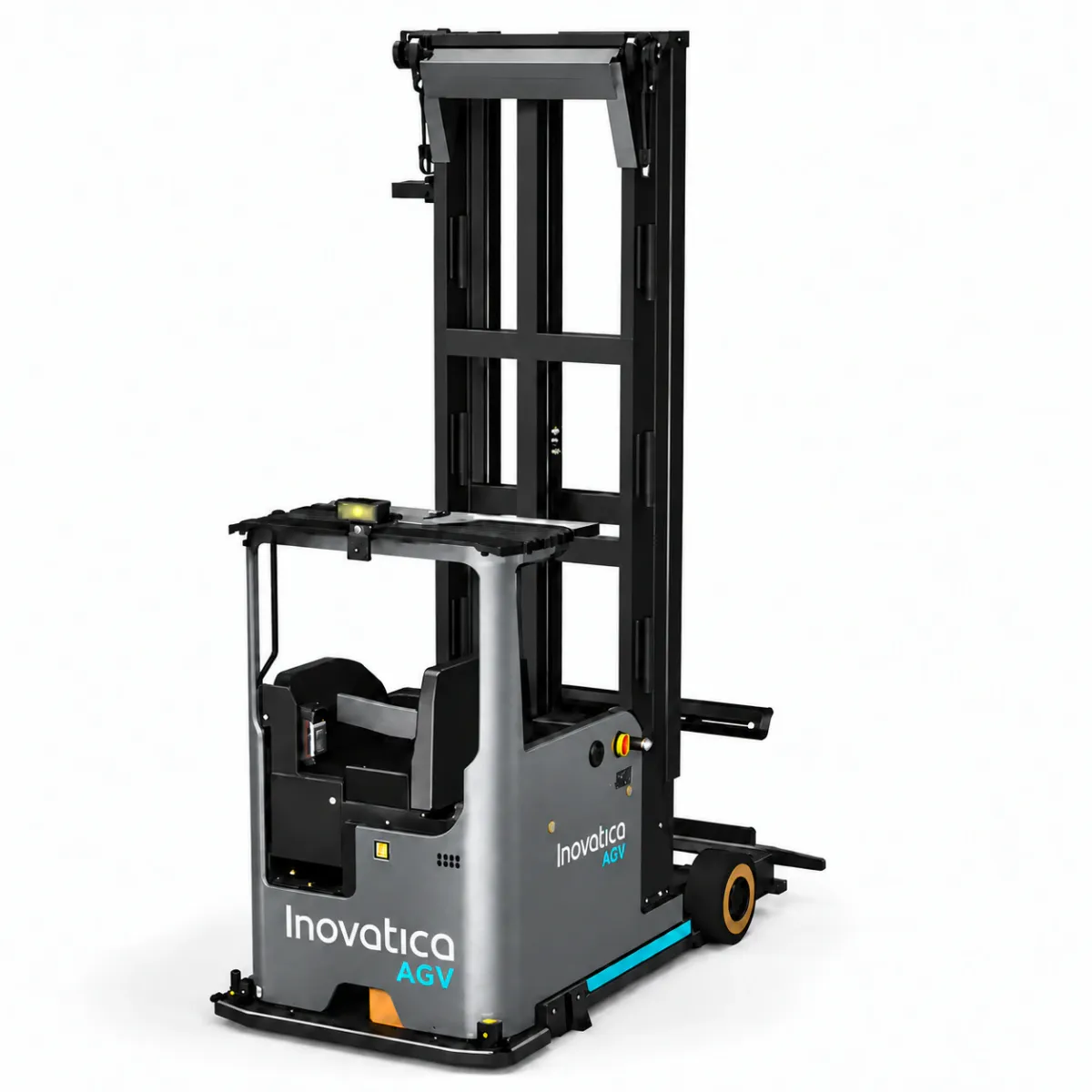
Handling higher rack levels
and warehouses with narrow aisles.
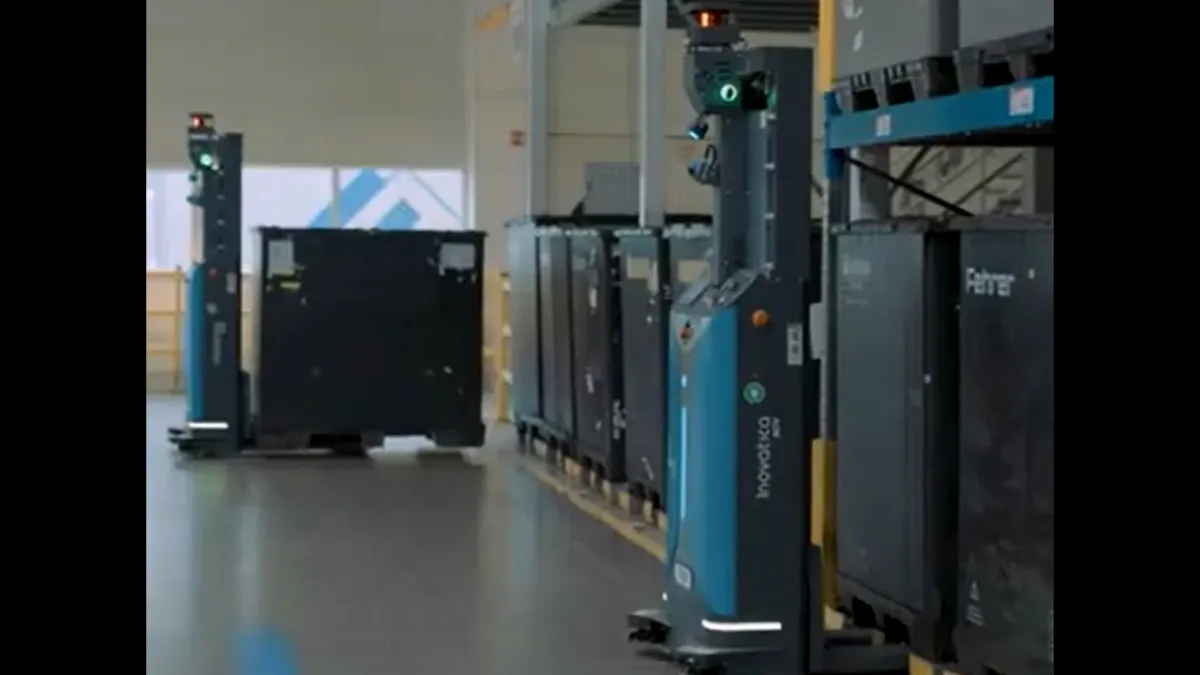
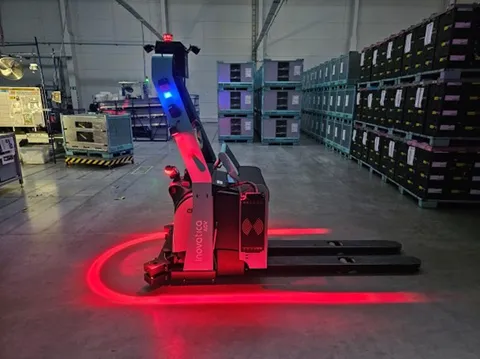
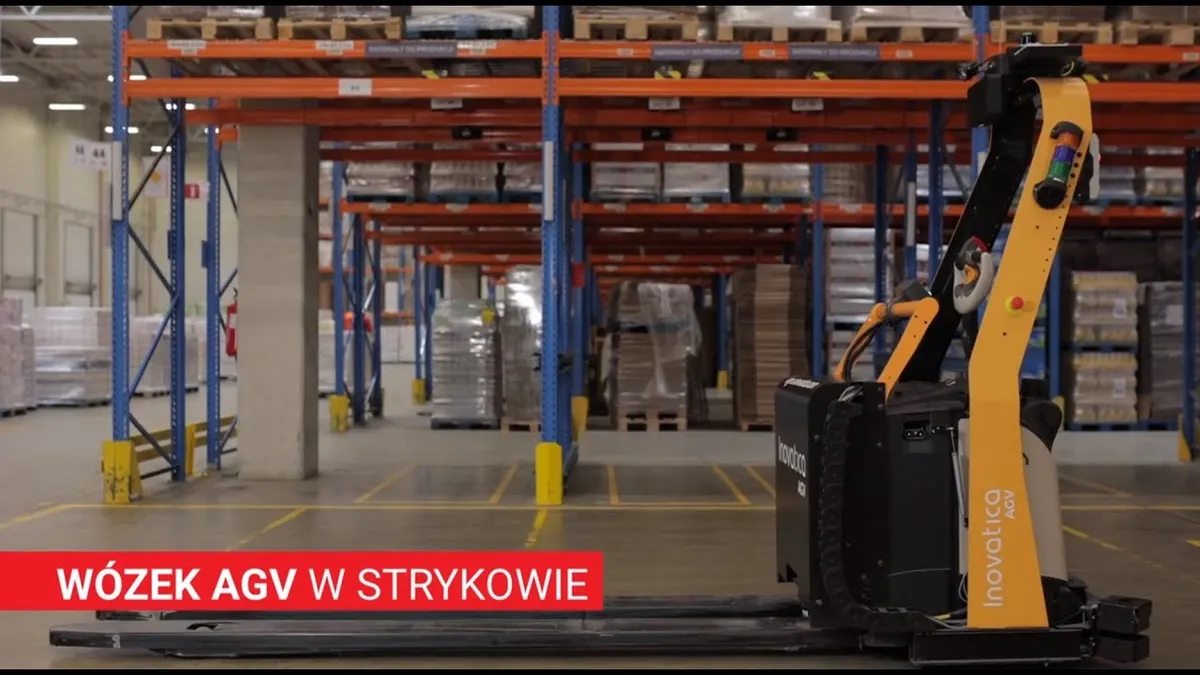
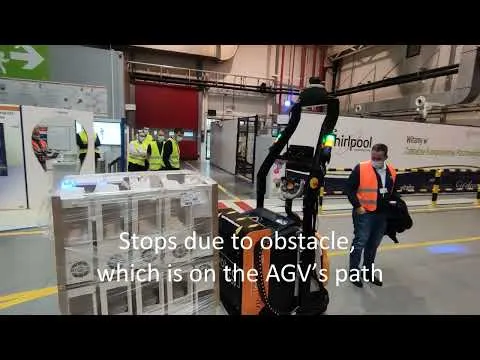
Projects across industries.
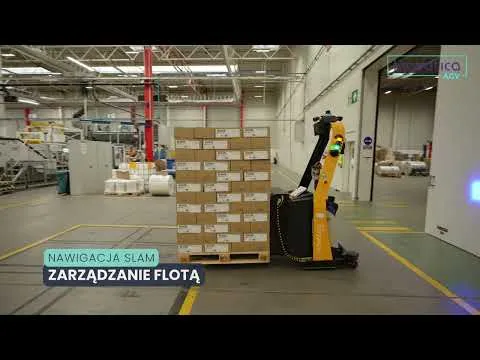
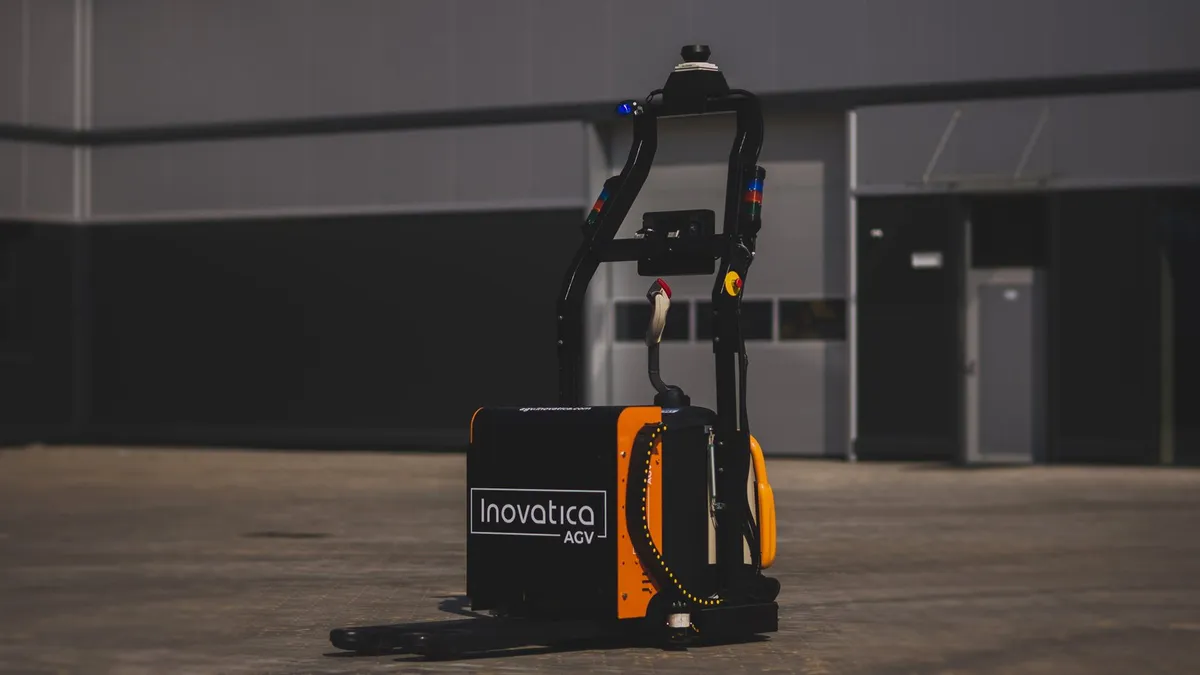
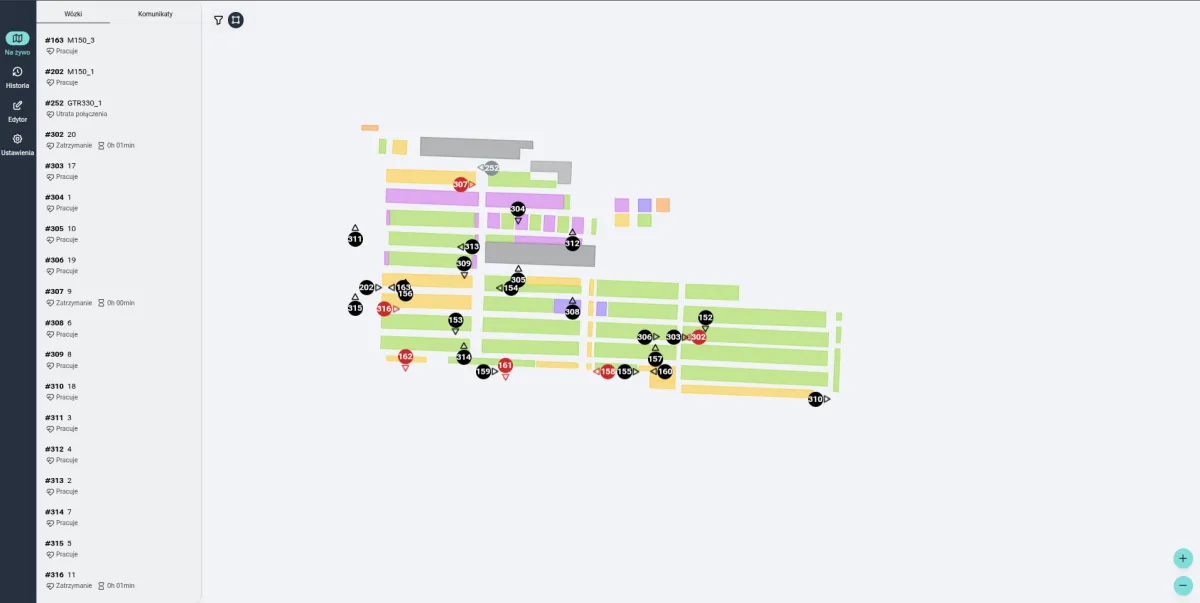
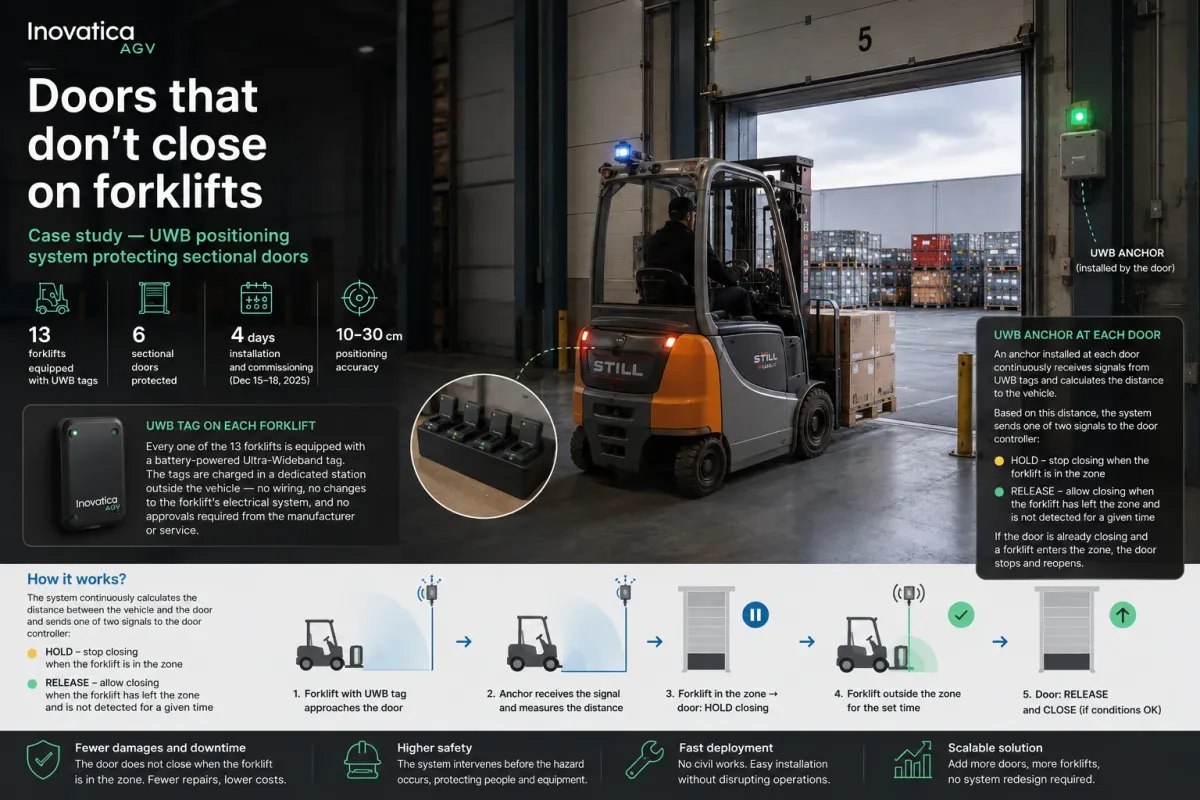
Plan, connect and manage.
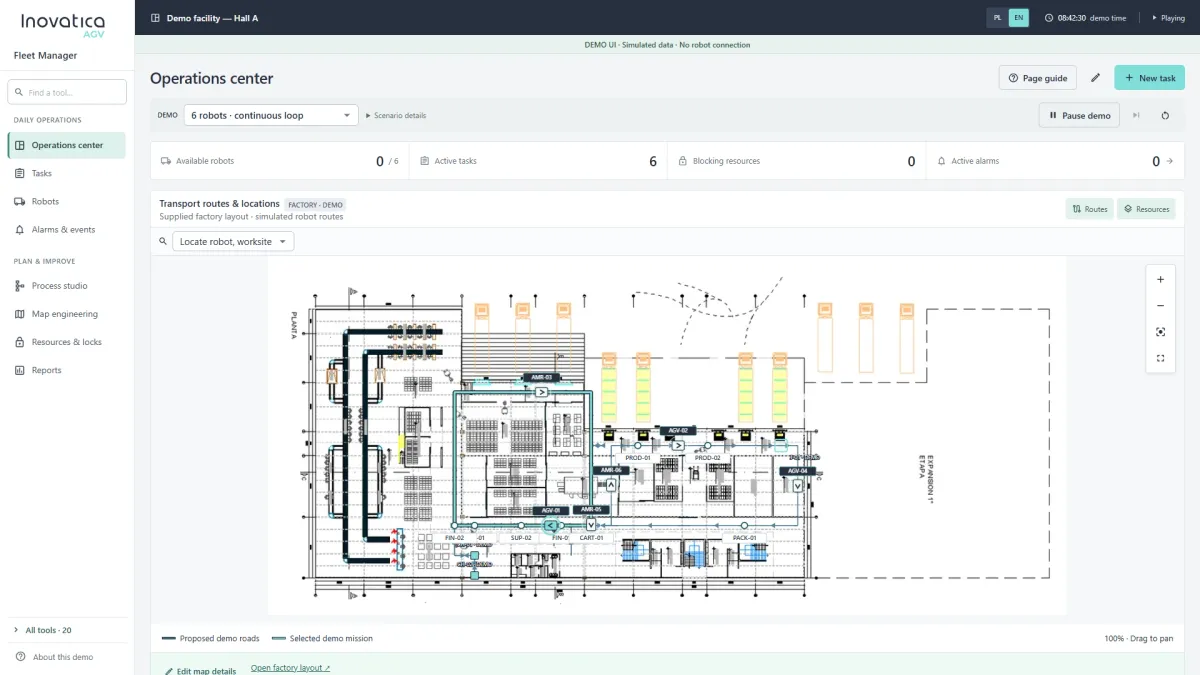
AGV tasks, vehicle assignment, traffic and fleet monitoring.
Explore the system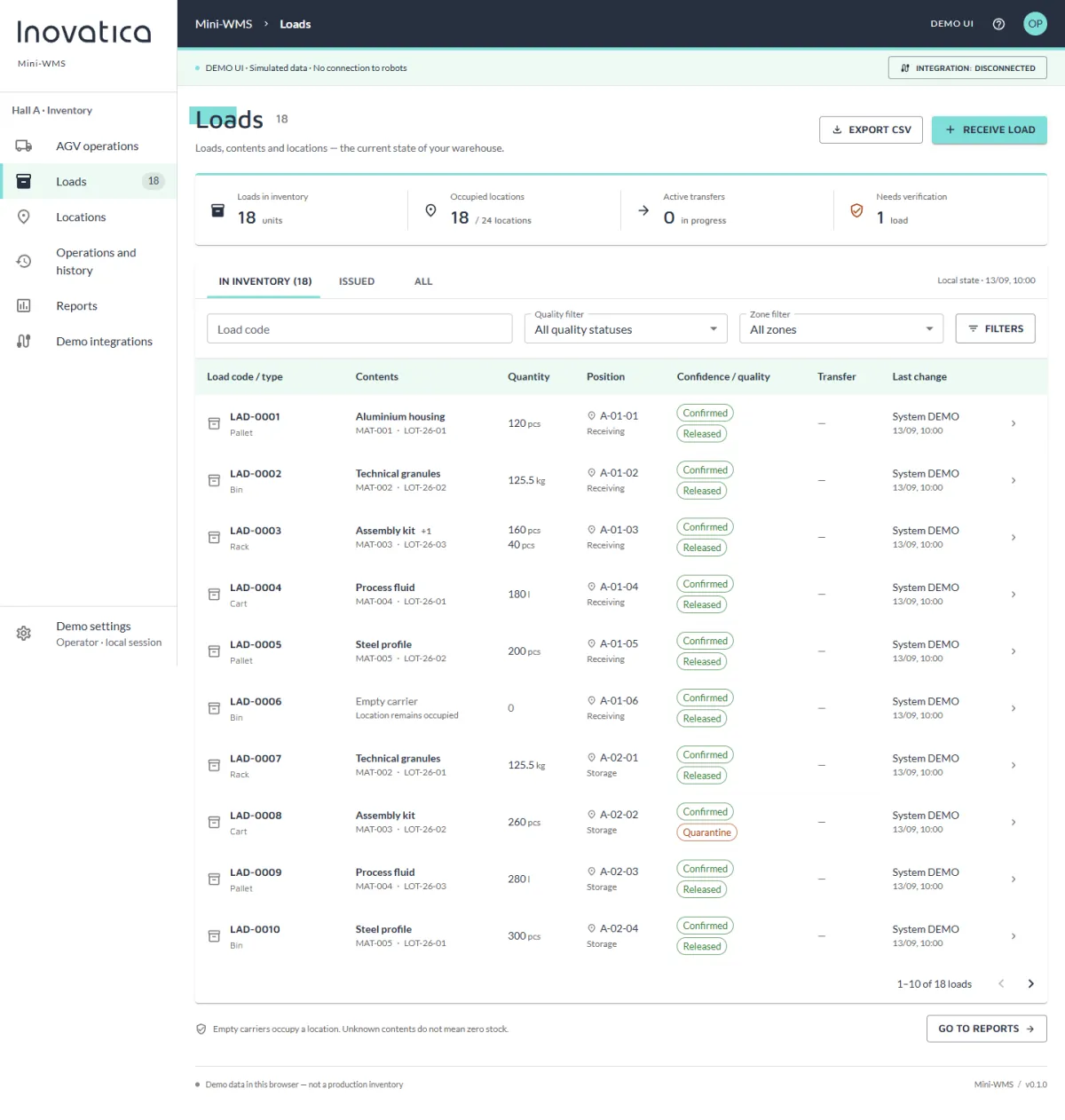
Loads, locations, transport requests and warehouse reports.
Explore the system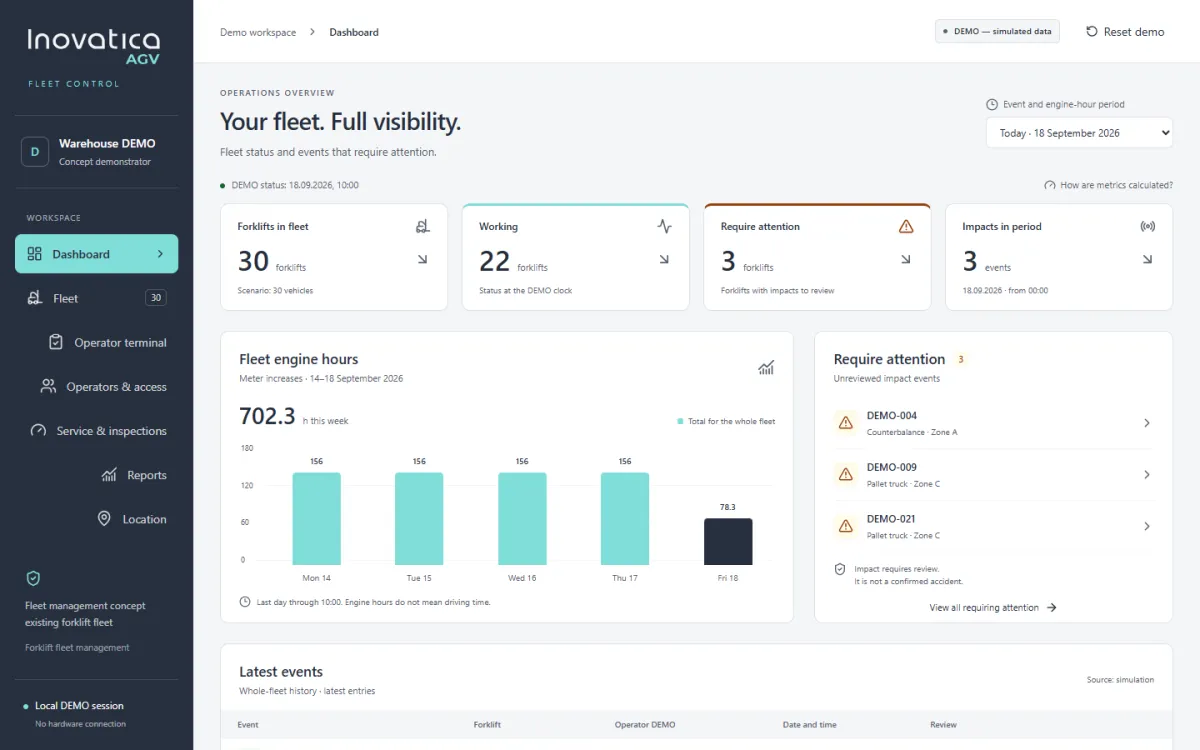
Fleet visibility, operators, checks, service and reporting.
Explore the system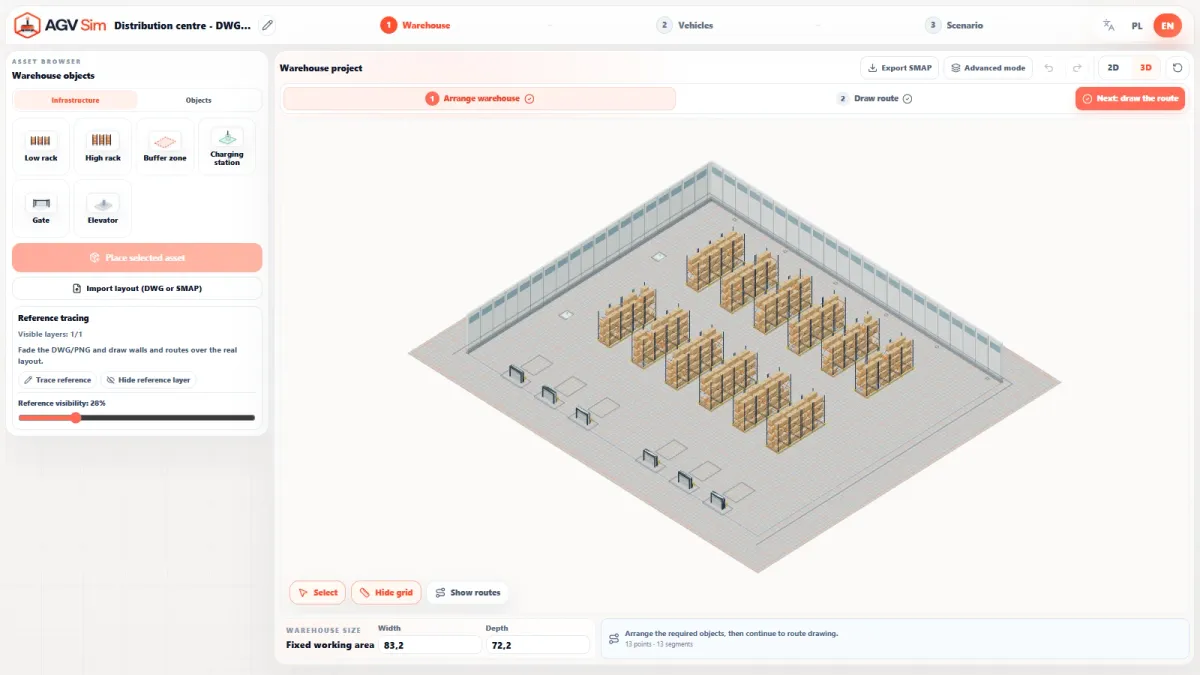
Simulate your warehouse, transport flow and AGV fleet scenarios.
Explore the systemAutomation at a higher level.
Explore AGVs for high-bay warehouses. Choose a configuration to suit your rack heights, aisle layout and traffic flow.
High-bay AGVs
Pallet placement and retrieval in high-bay warehouses.
Specifications: View configurations
Explore the model →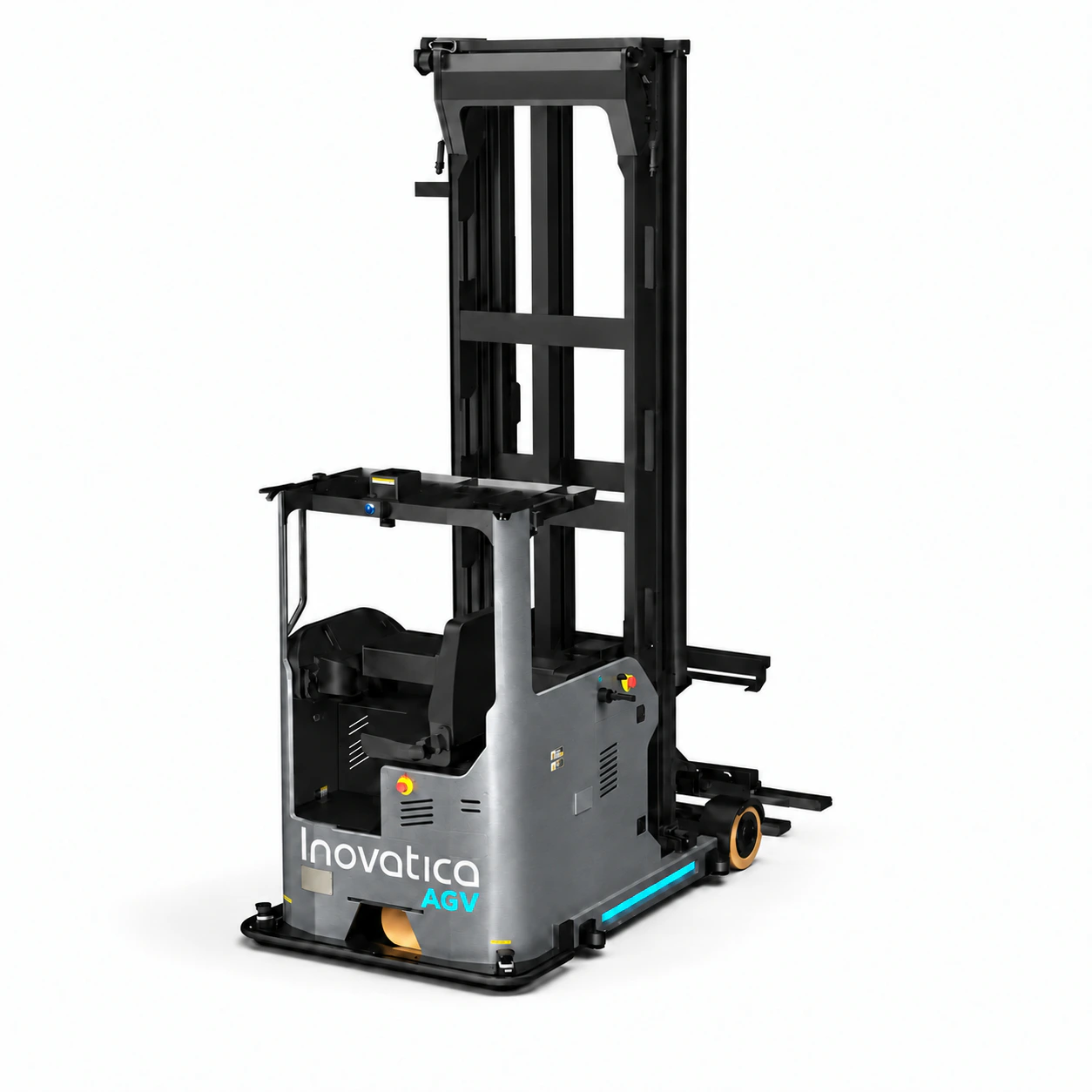
High-bay AGVs
Rack handling in warehouses with very narrow aisles.
Rated load capacity: 1500 kg
Explore the model →Robots, racking and transfer points need to work together. We analyse their interaction using your actual site plan.
Connecting pallet collection points with assigned storage locations.
Selecting the truck and configuration for the placement height and load weight.
Checking that the truck has enough space to turn and handle loads.
Rack layout, required heights and aisle geometry are the basis for selecting a high-bay truck.
This site uses cookies for core functionality and basic analytics. By clicking "Got it", you accept their use.
Privacy policy