
Context and objective
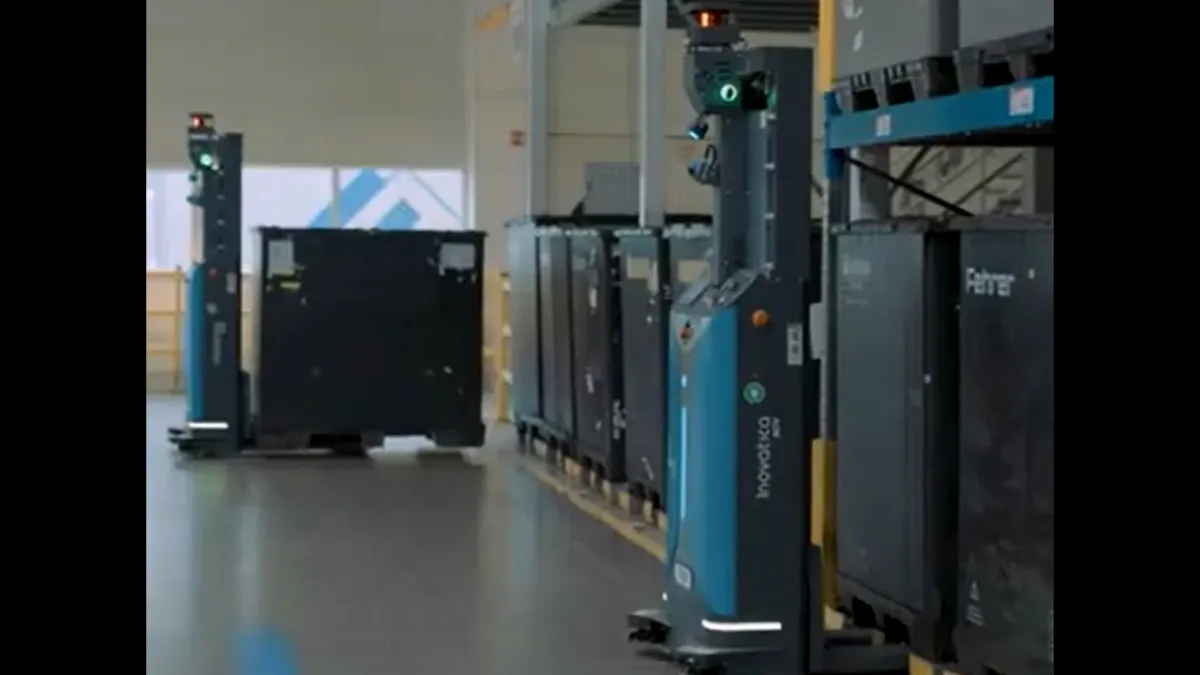
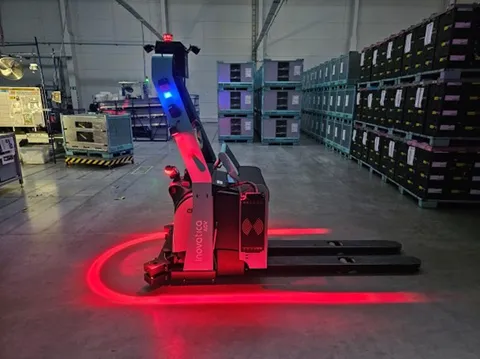
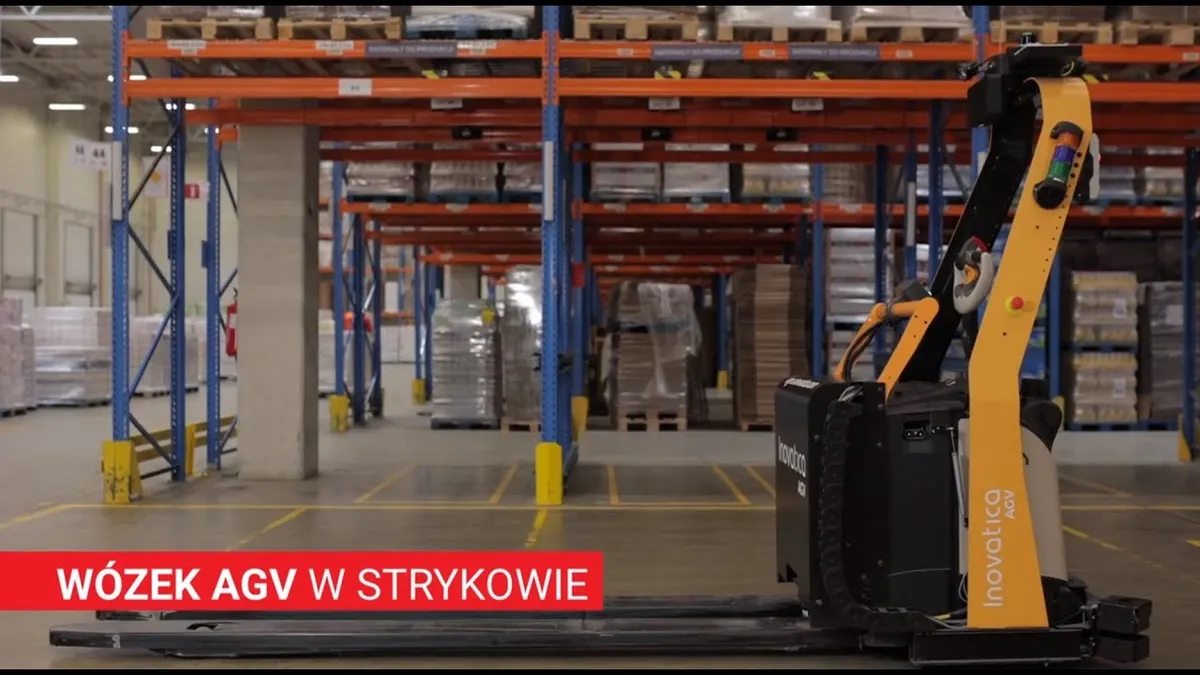
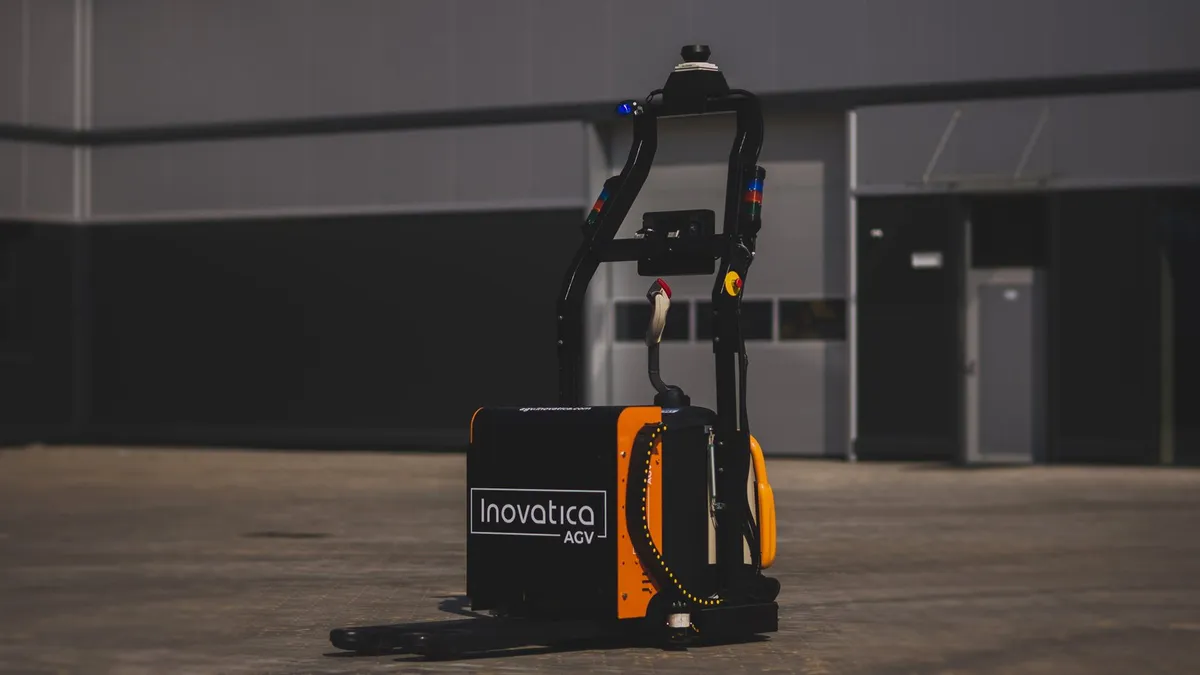
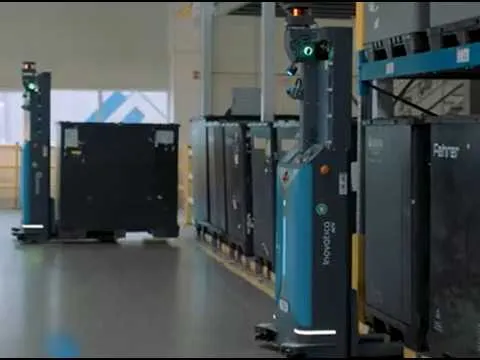
Magna implemented an autonomous internal logistics system built around a fleet of storage AGVs to support repetitive transport and buffer handling. The rollout focused on creating a stable working model for material supply and empty carrier return inside a manufacturing environment.
The plant needed a scalable way to manage repetitive logistics tasks close to production without relying on constant manual coordination. The first requirement was to stabilize the process around fixed transfer points and repeatable routes.
Solution and scope
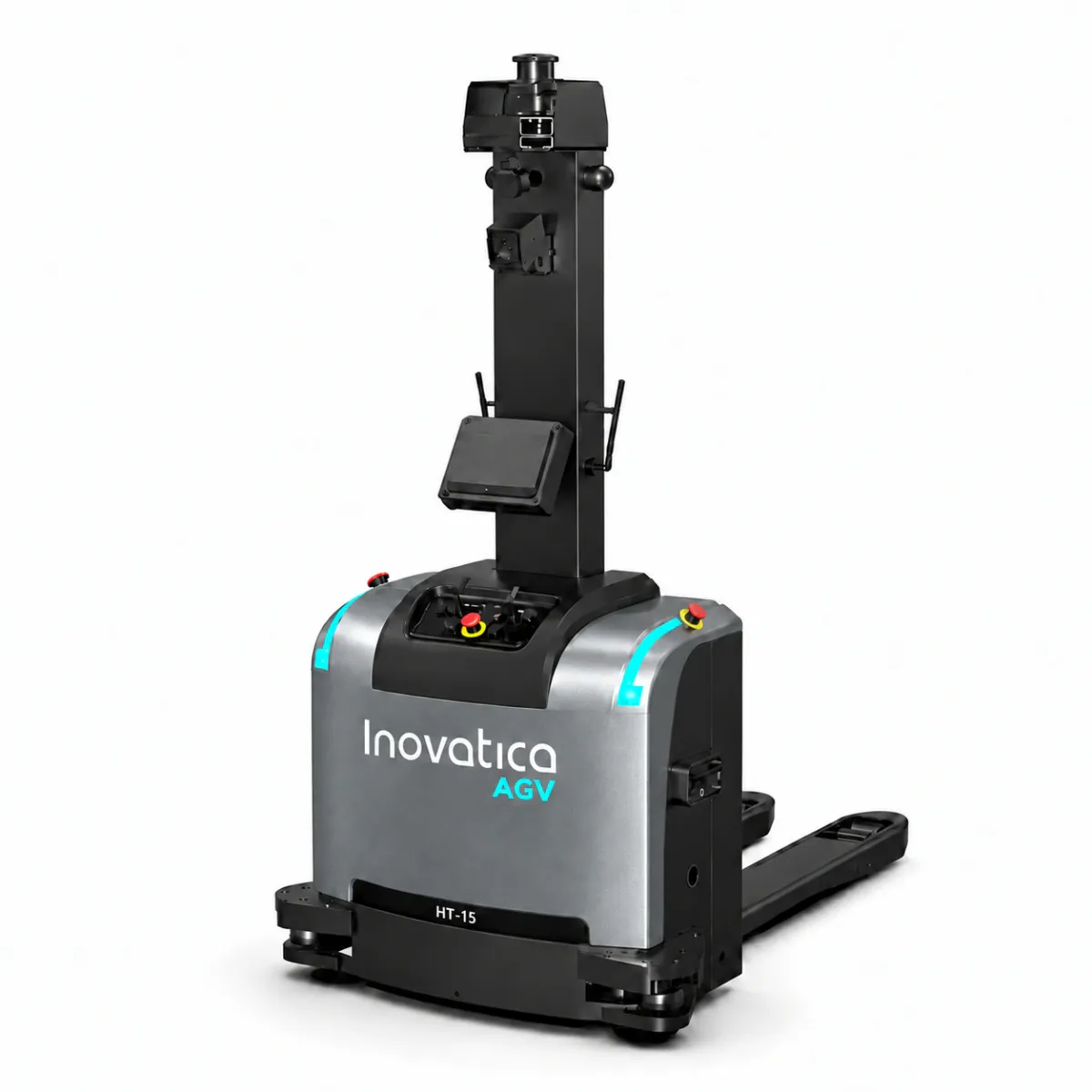
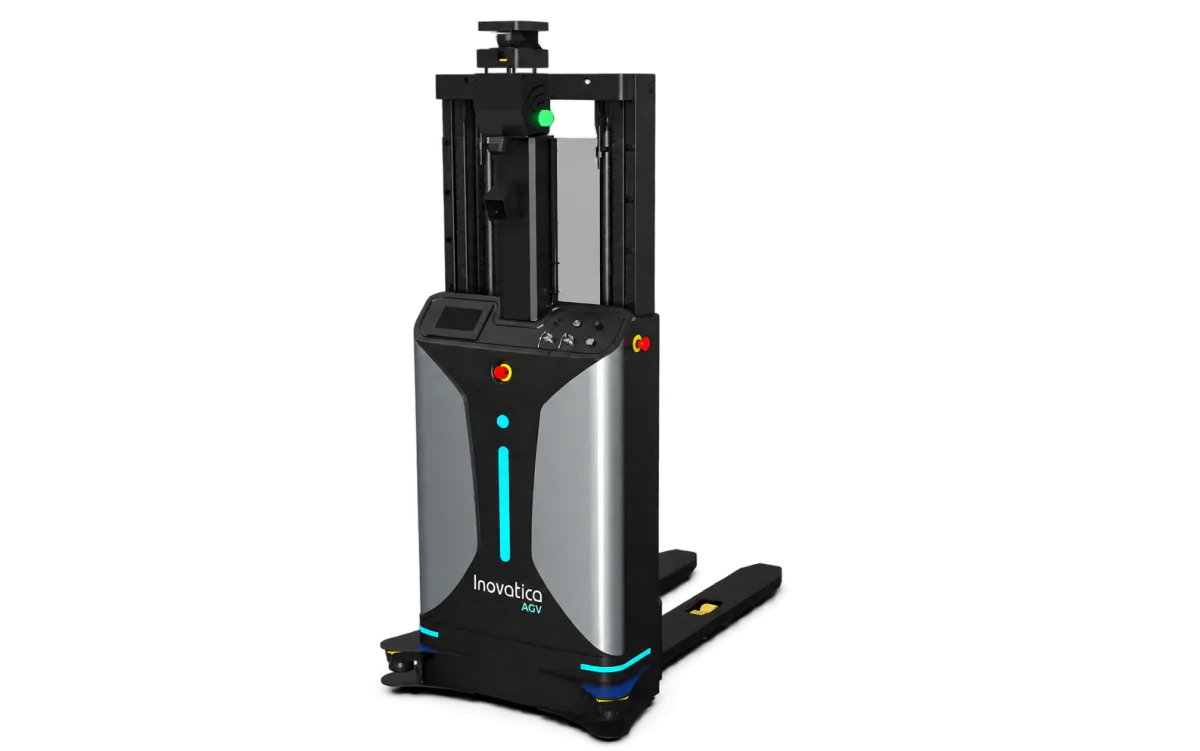
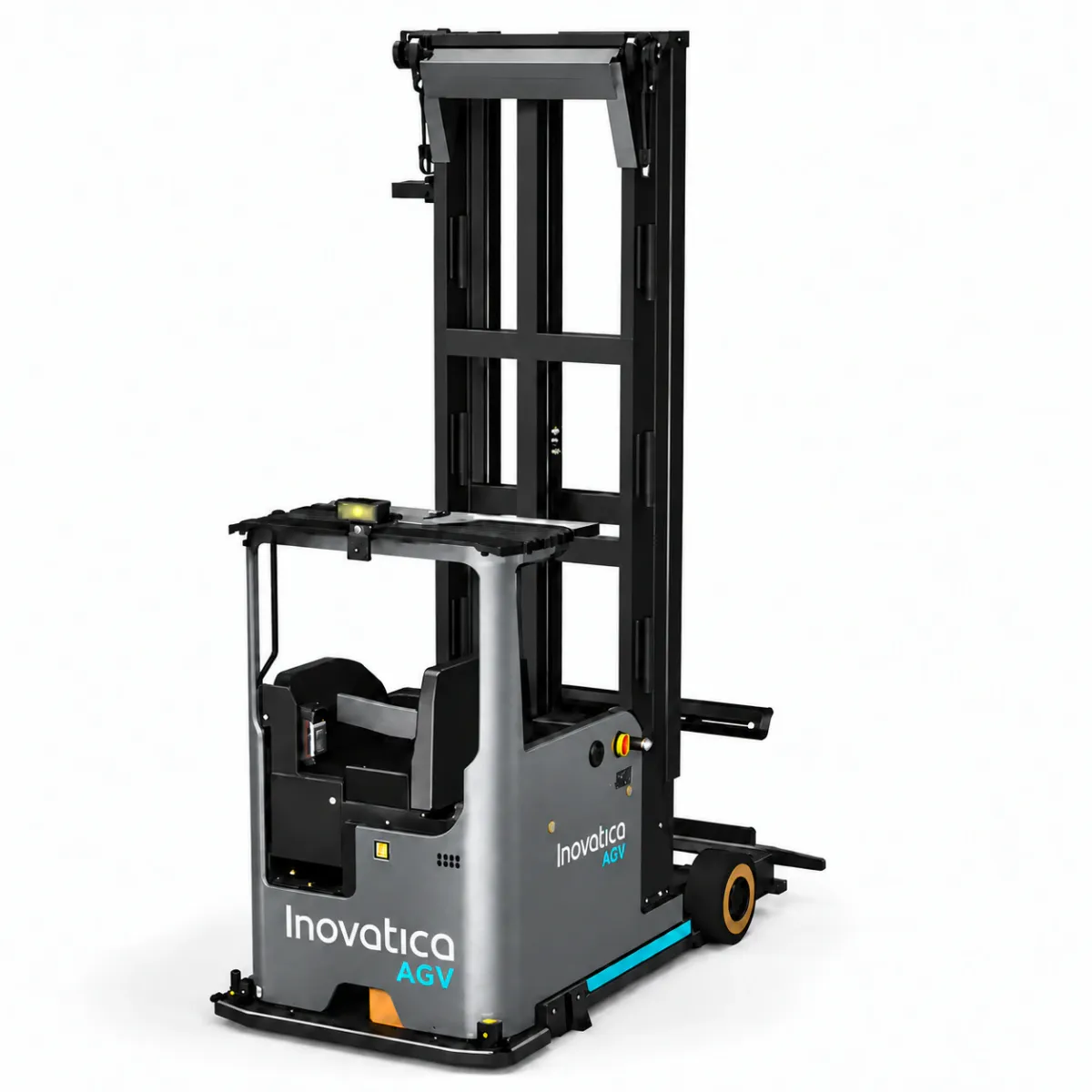
The deployment used six ST-1416 / ST-1430 vehicles and a task model aligned with production rhythm, handover points and safety rules. The project connected vehicle behavior with the real operating constraints of the site instead of treating AGV as a standalone tool.
The vehicles are built on the SEER Robotics CDD-14 platform.
System operation
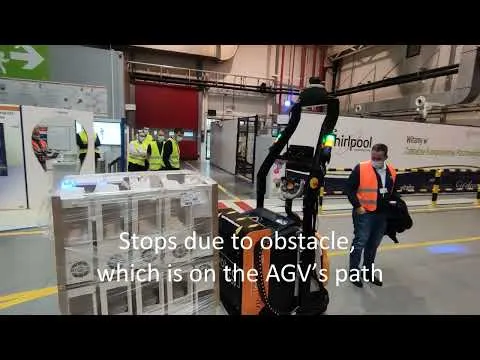
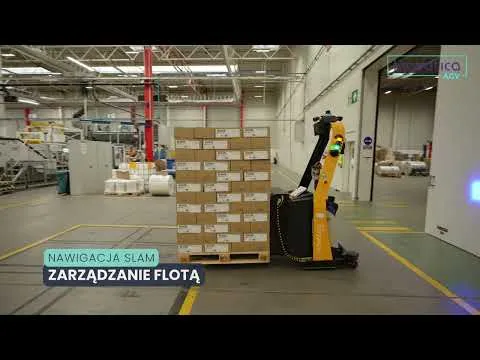
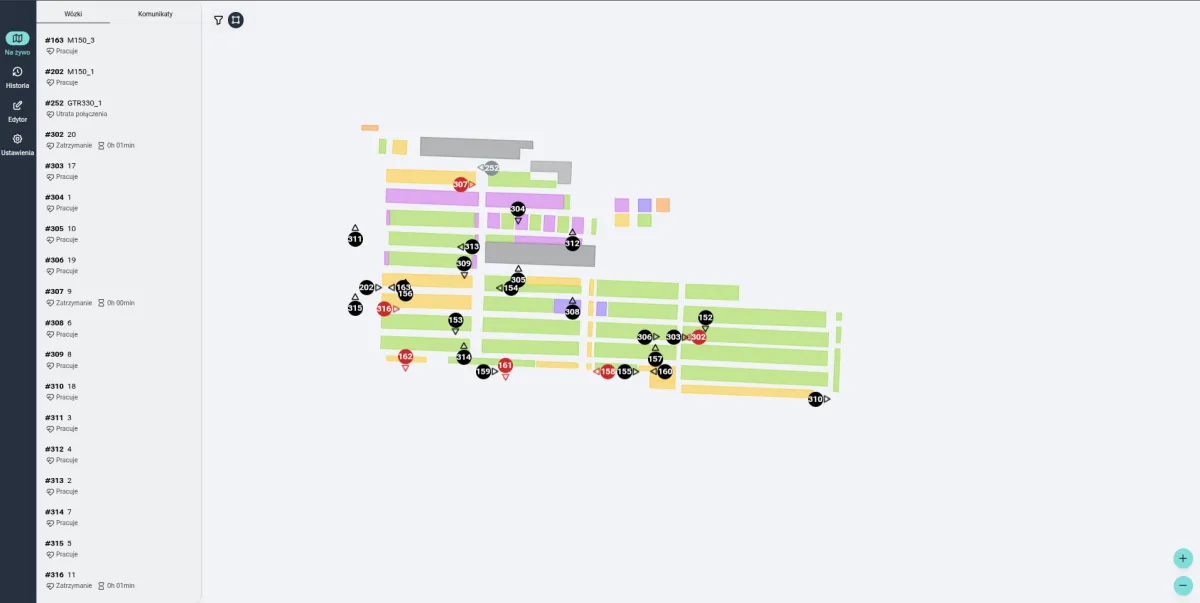
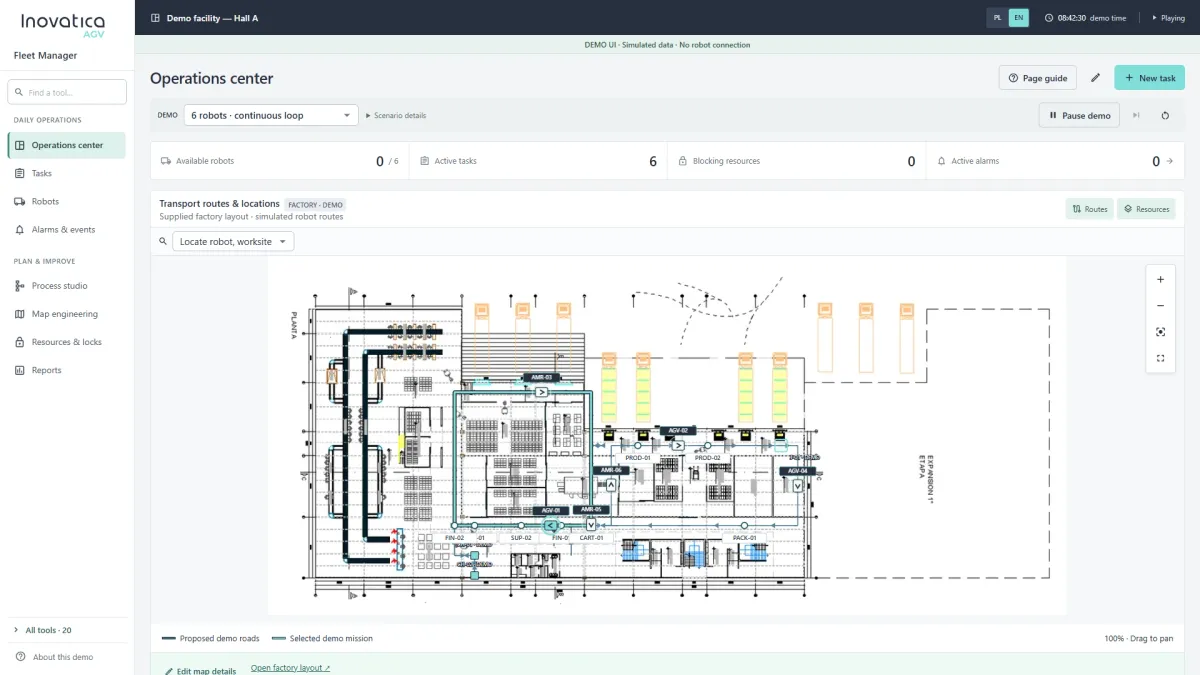
The fleet uses LiDAR-based SLAM navigation, industrial safety scanners, opportunistic charging and central fleet coordination.
Vehicle specifications
- Load capacity: 1,400 kg
- Dimensions: 1710 × 989 × 2247 mm
- Maximum speed: 1.5 m/s
- Lift height: 1,600 / 3,000 mm
- Battery operating time: up to 10 hours
Outcomes
The result was a more predictable internal flow, better structure around buffer operations and a strong base for broader manufacturing automation. Magna gained both transport capacity and process discipline.
The customer-defined operating scenario was “Automatic Material Delivery to Production Lines and Return of Empty Packaging”. The ST-1416 / ST-1430 units are autonomous stackers, operating automatically with opportunistic charging in a manufacturing and automotive environment. Matching the system to line rhythm and returnable packaging was important to preserving safety and process predictability.