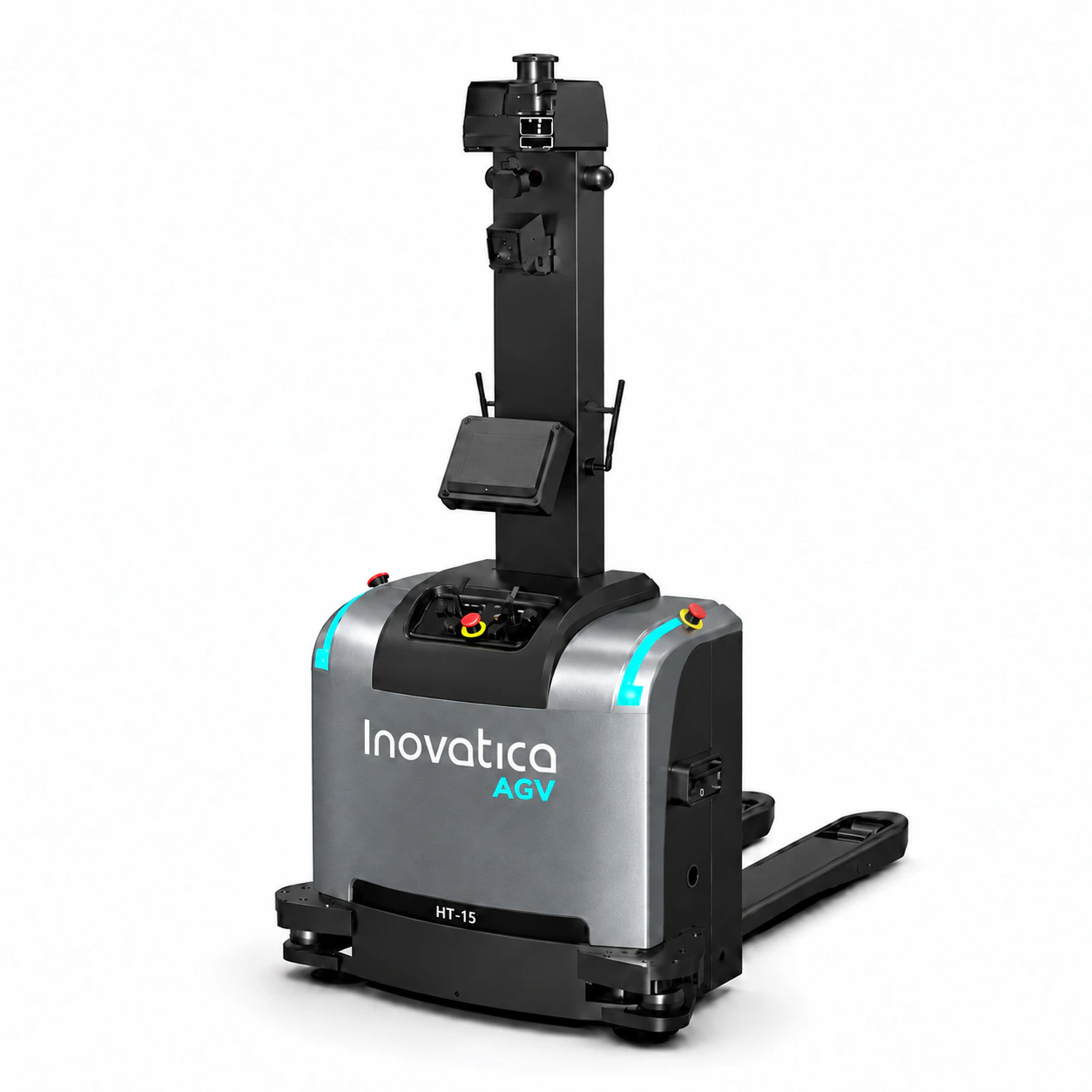
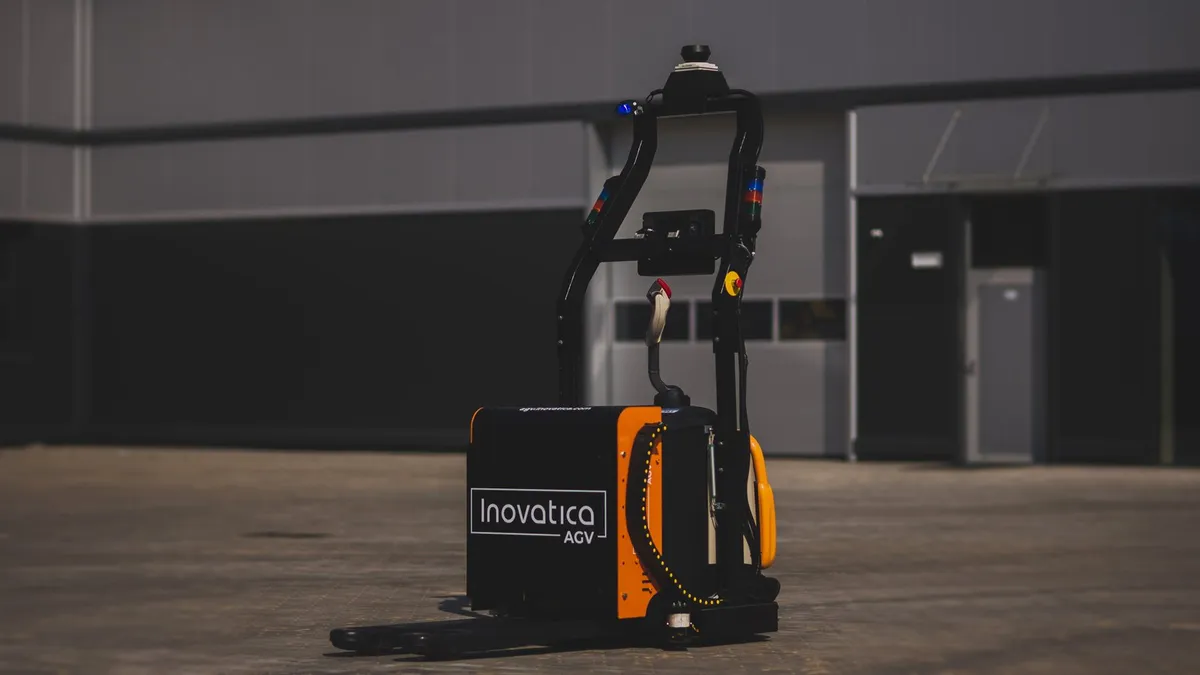
AGV pallet truck
HT-15
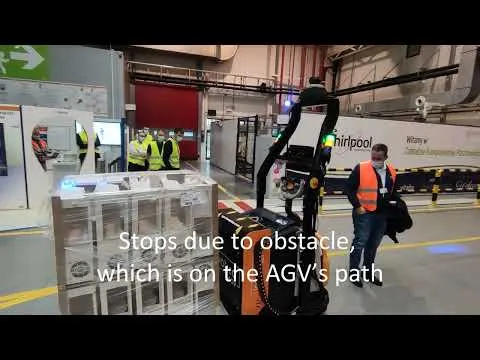
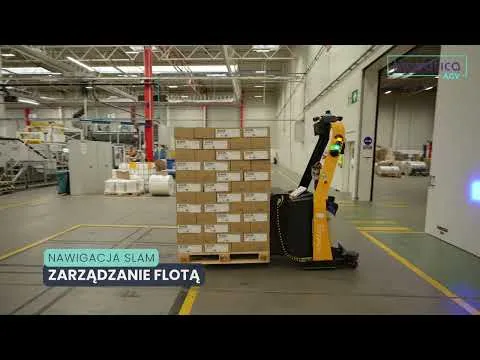
Transport of open pallets between production, buffers and the warehouse.
Maximum load capacity: 1500 kg
Explore the model →
Find the right robot for your process.
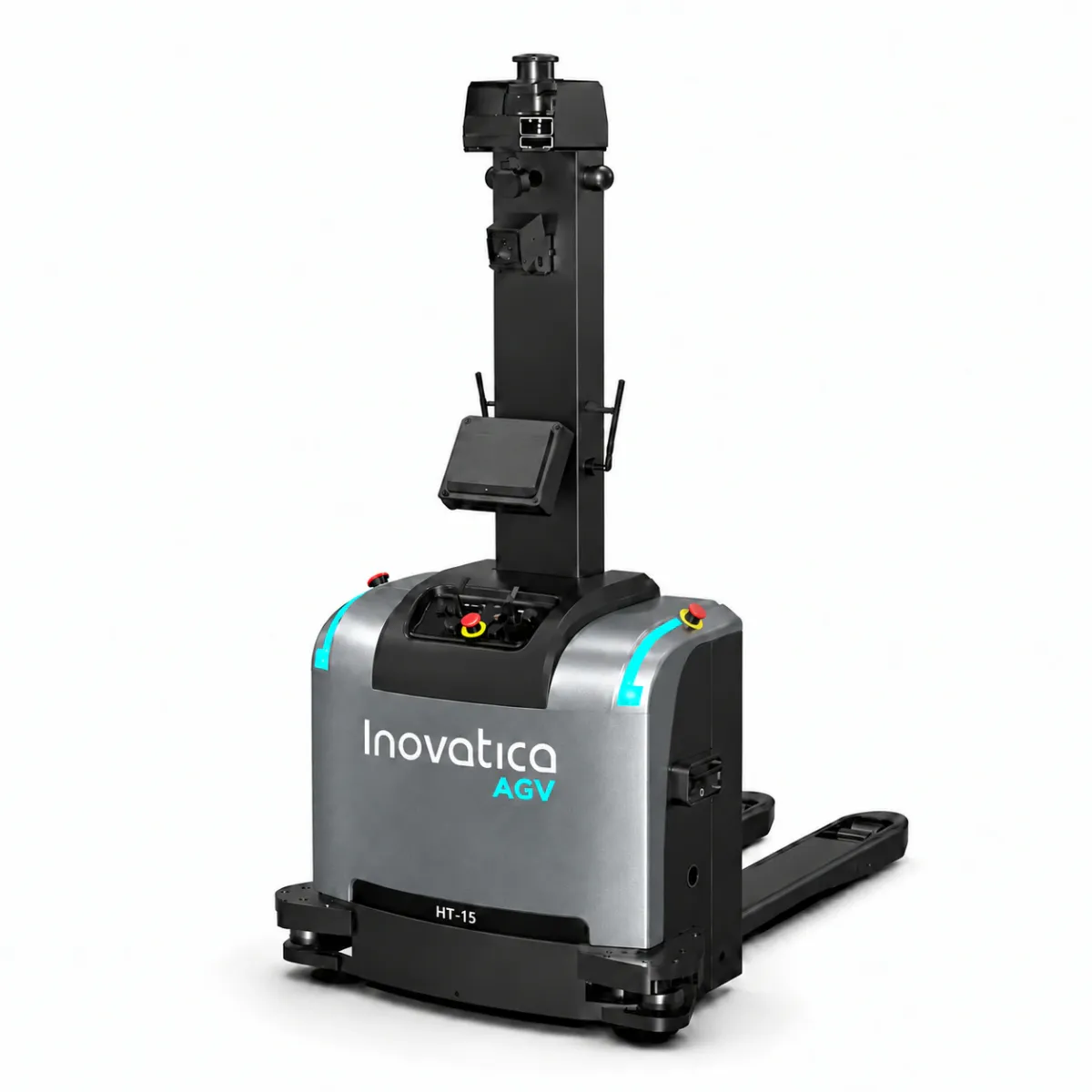
Pallets, containers and load carriers moved
between production and warehouse areas.
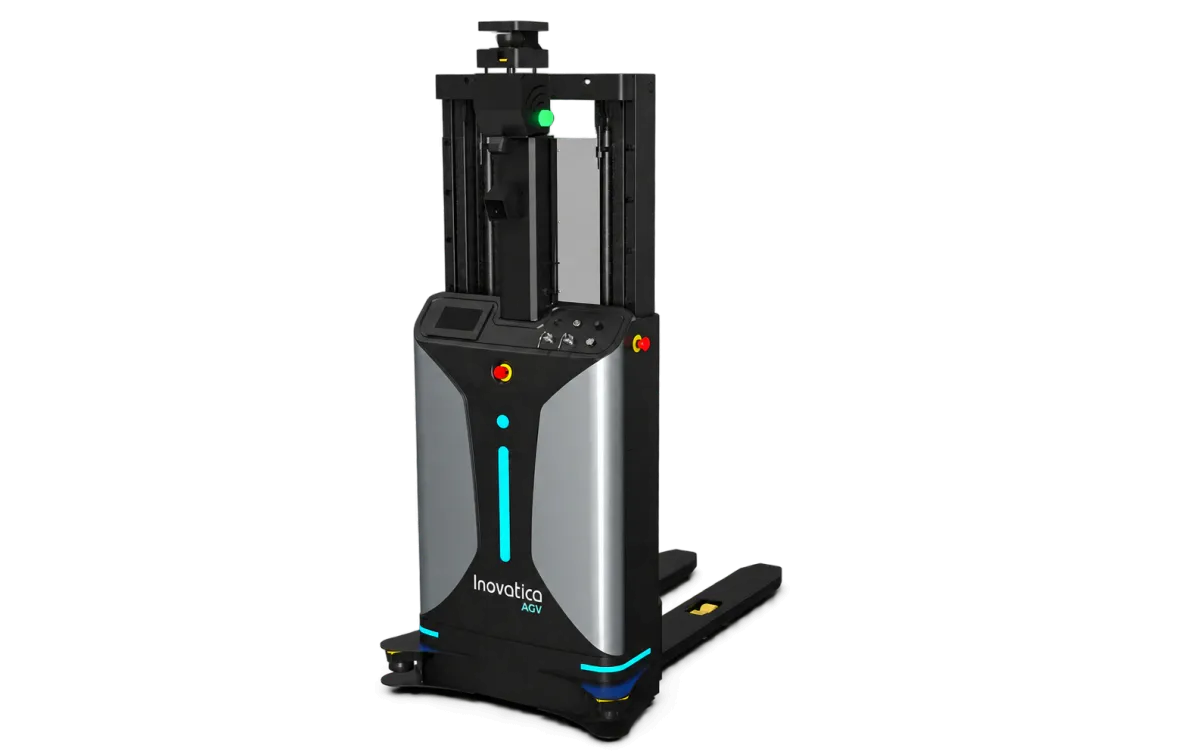
Pallet pickup and placement.
Matched to the load carrier and transfer height.
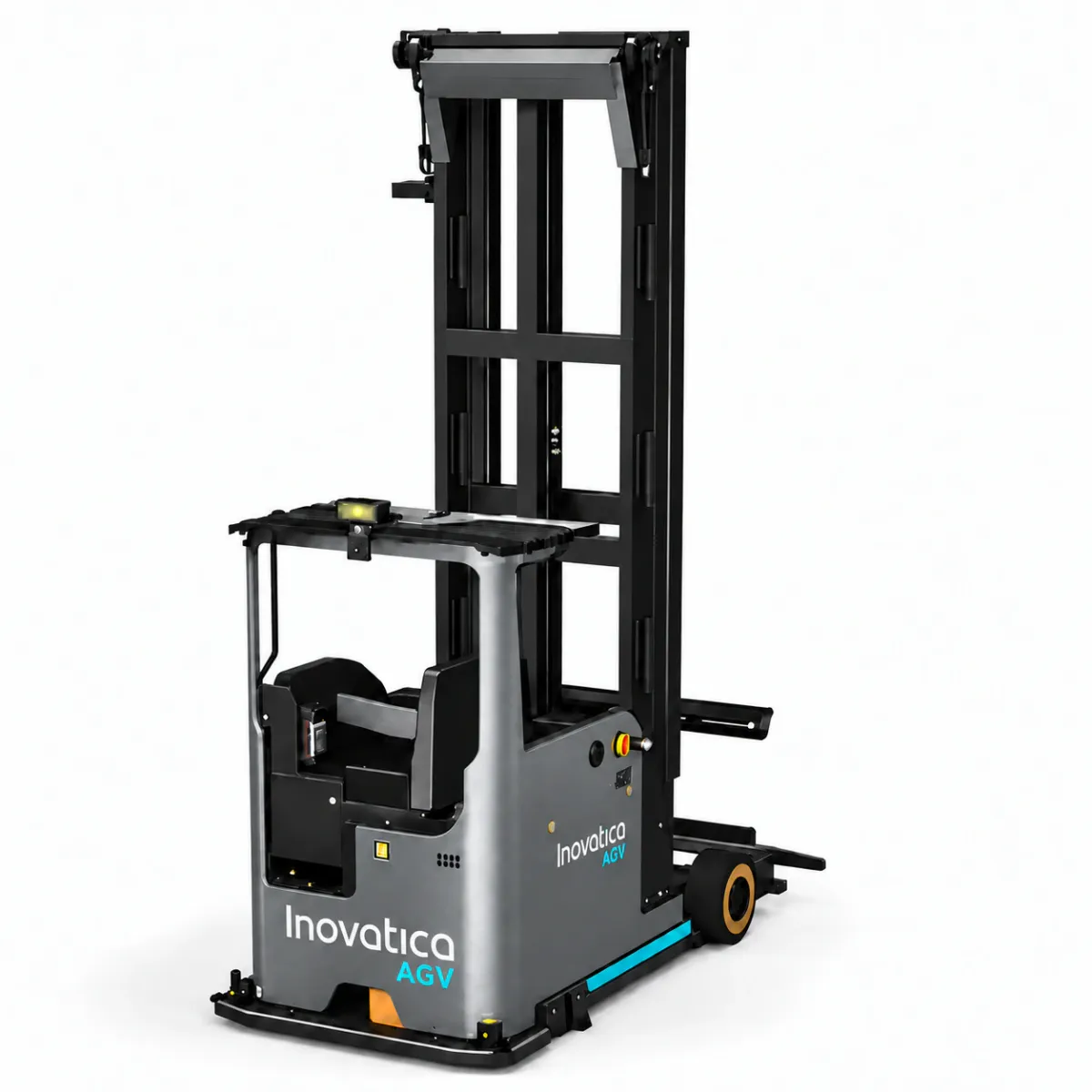
Handling higher rack levels
and warehouses with narrow aisles.
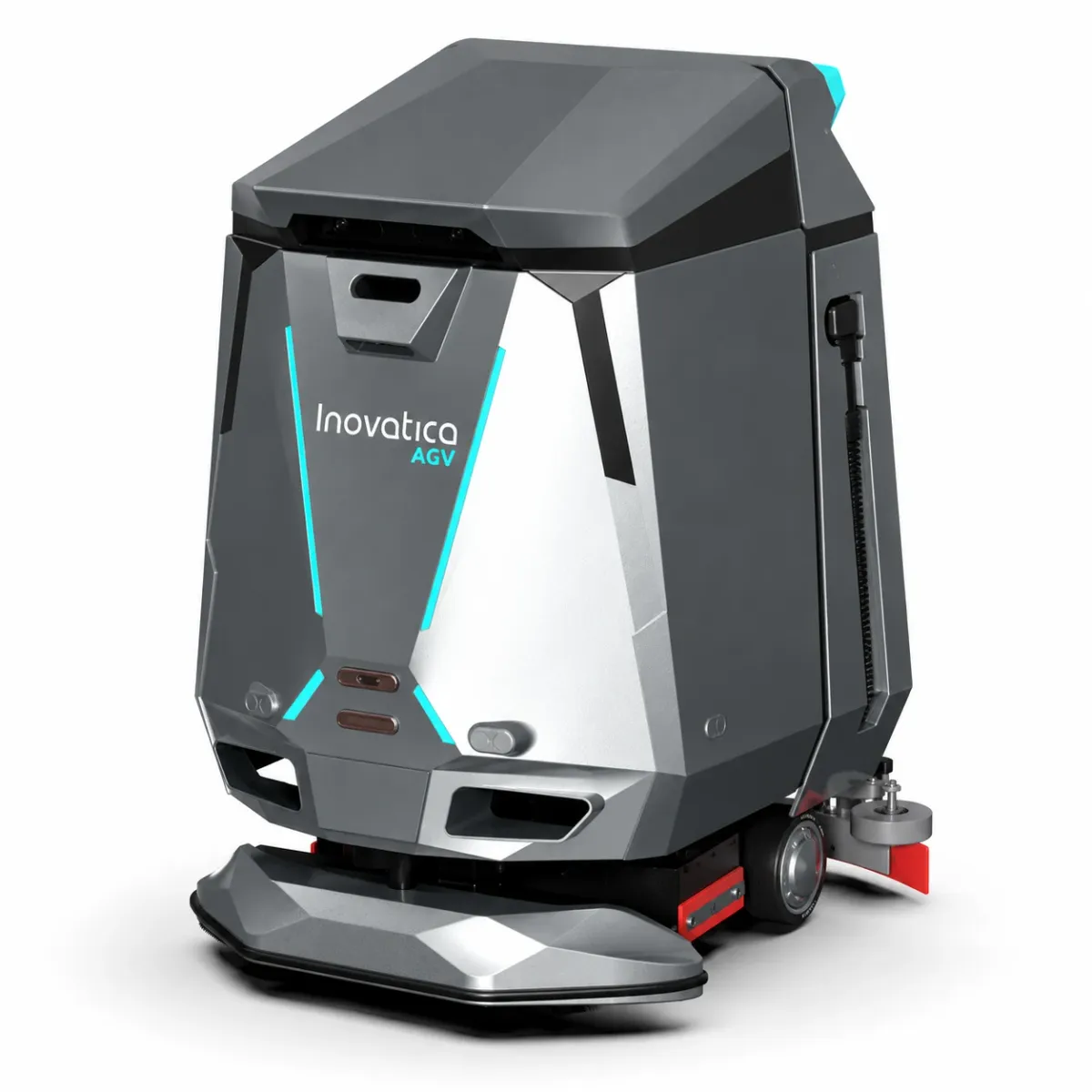
Automated floor care in warehouses and factories.
Projects across industries.
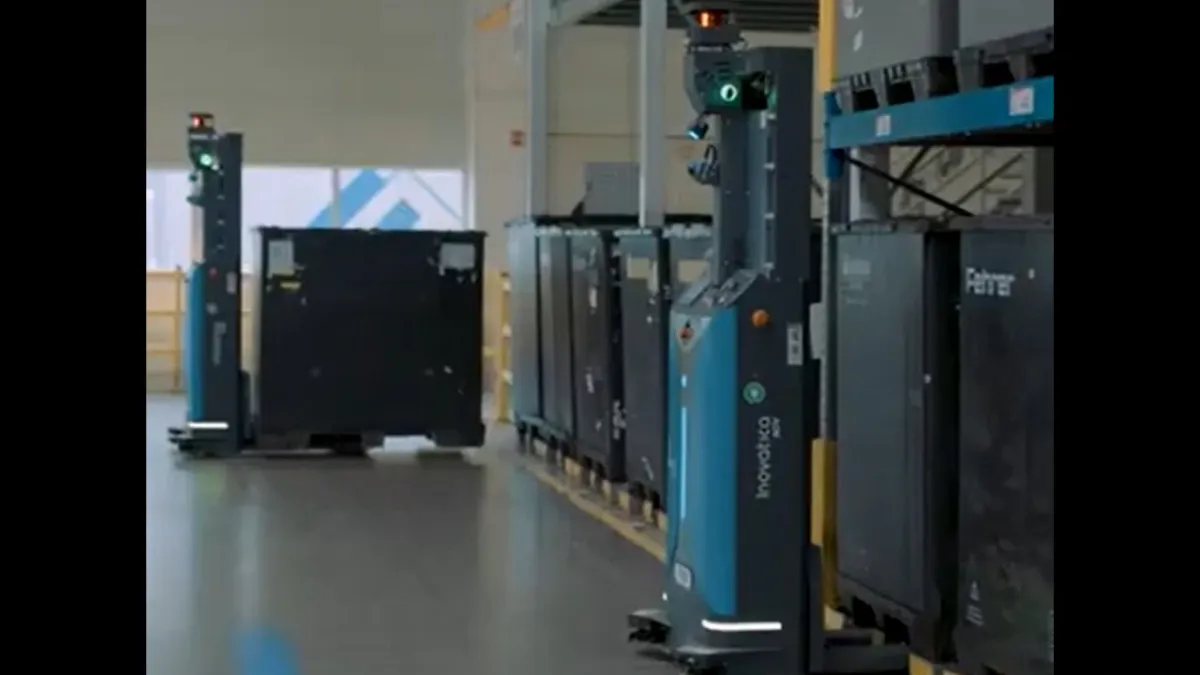
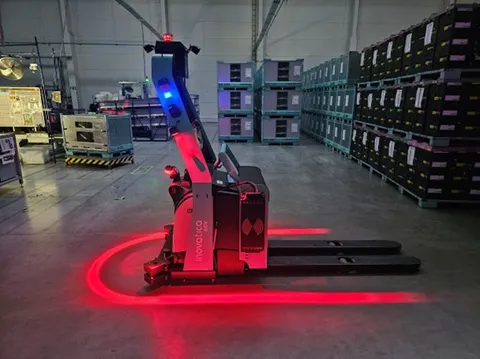
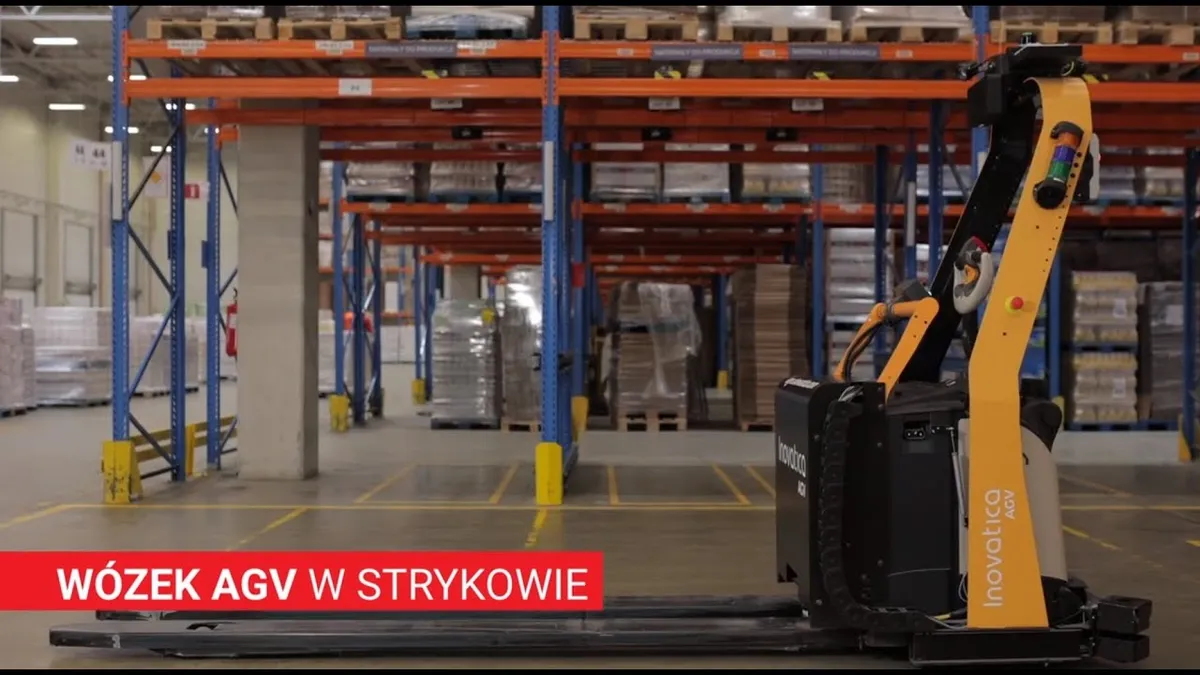
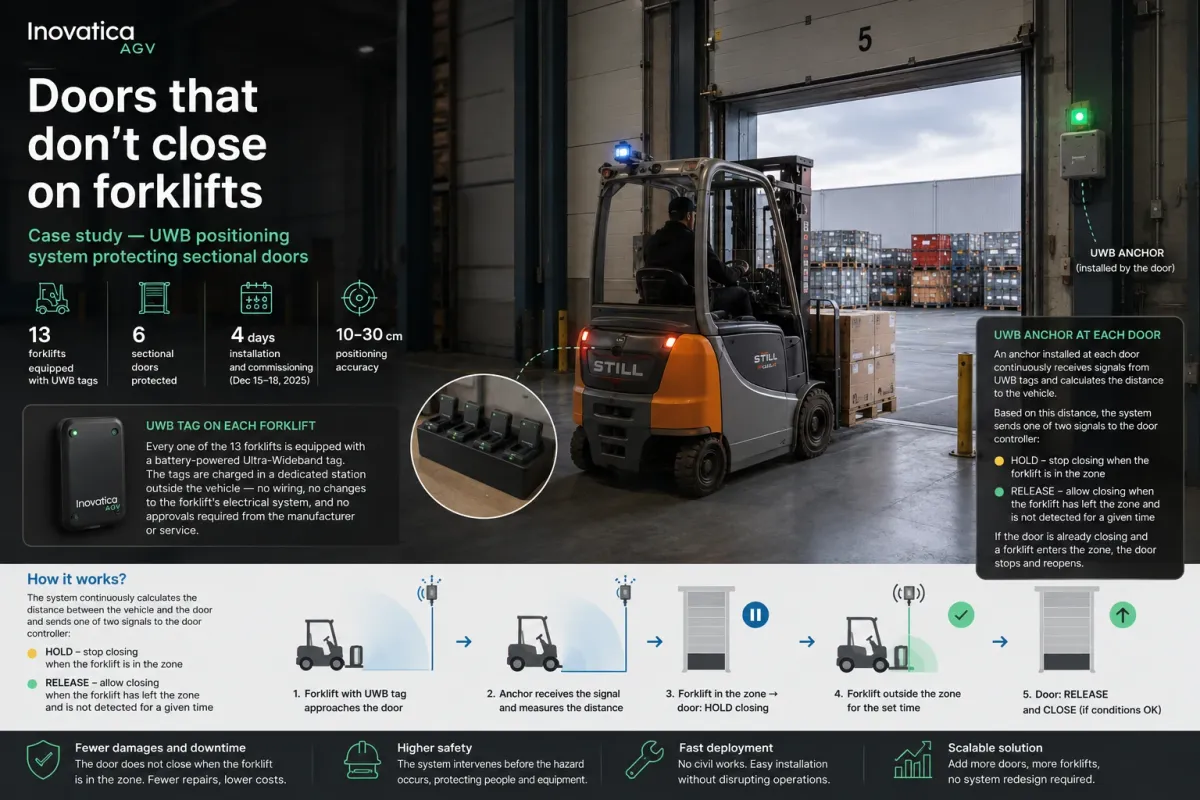
Plan, connect and manage.
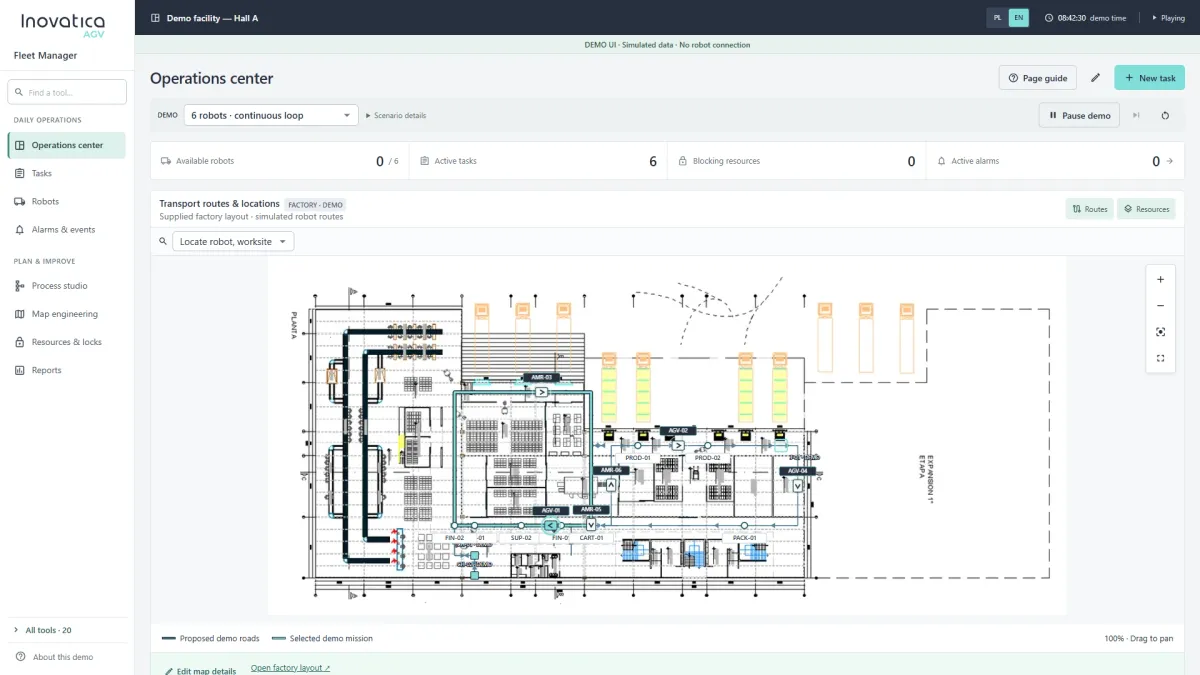
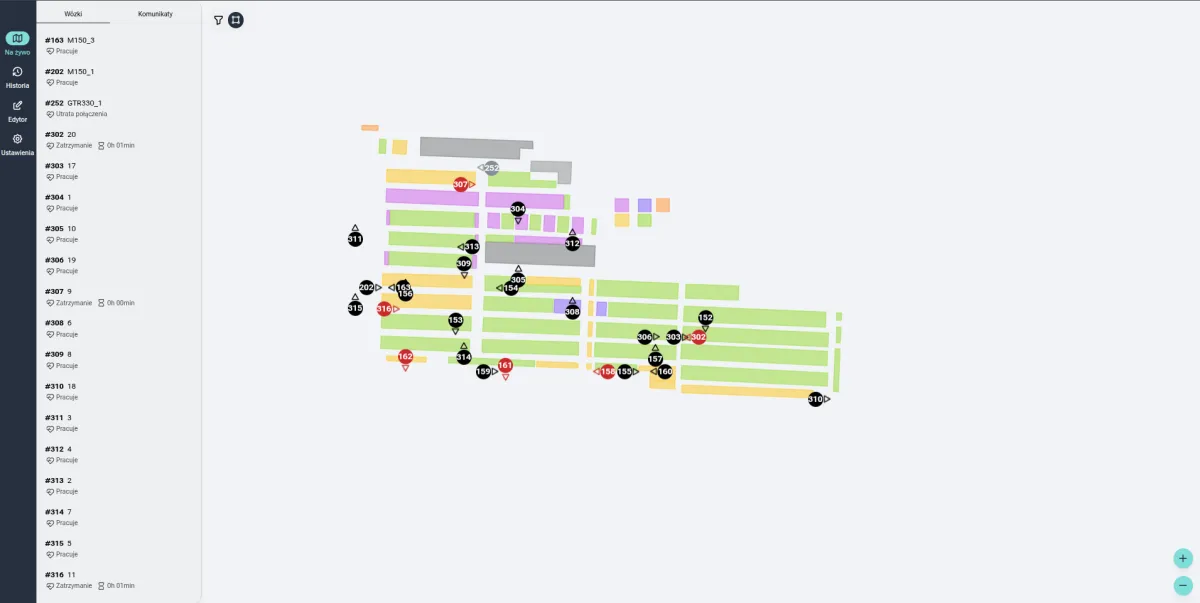
AGV tasks, vehicle assignment, traffic and fleet monitoring.
Explore the system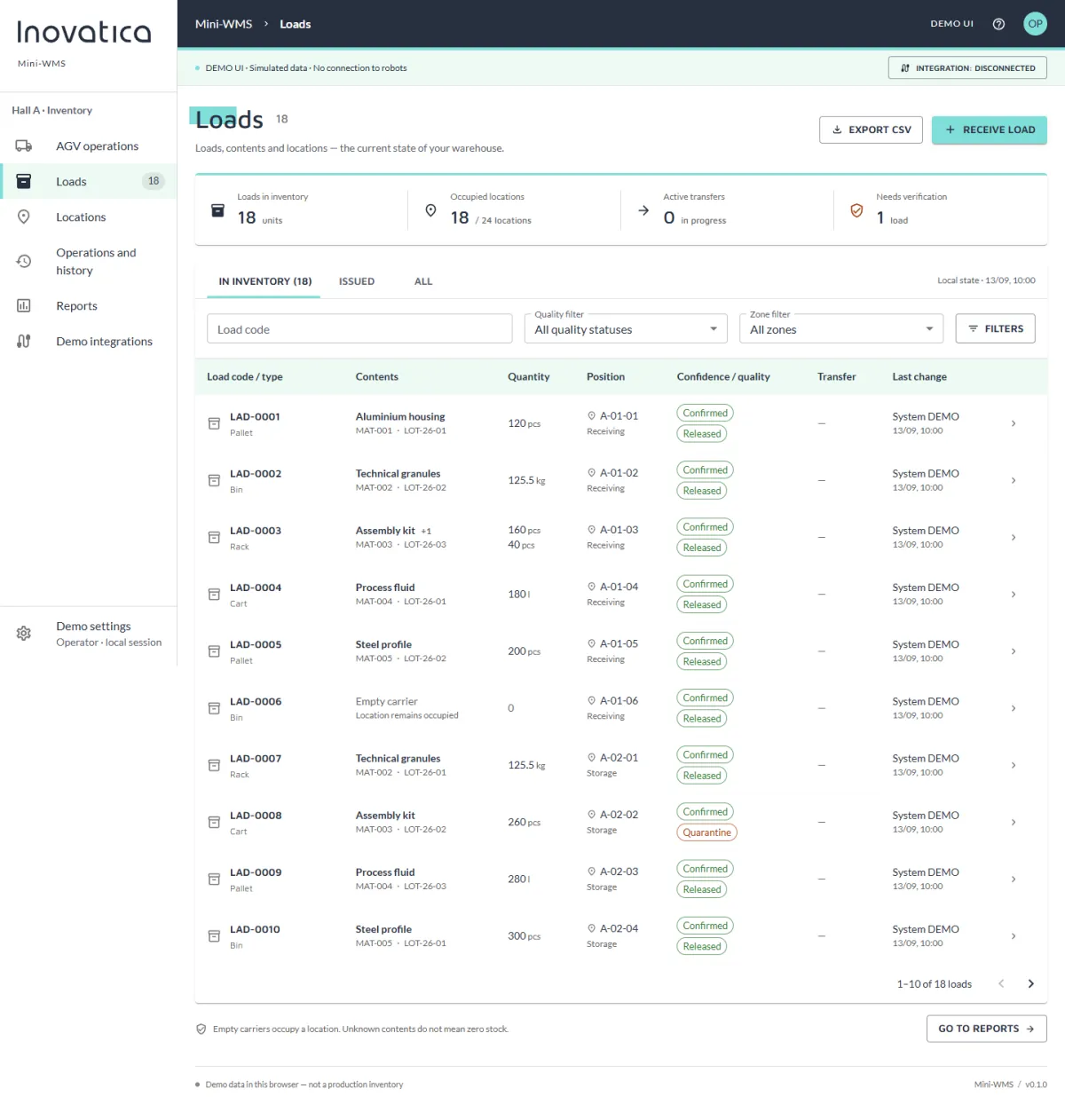
Loads, locations, transport requests and warehouse reports.
Explore the system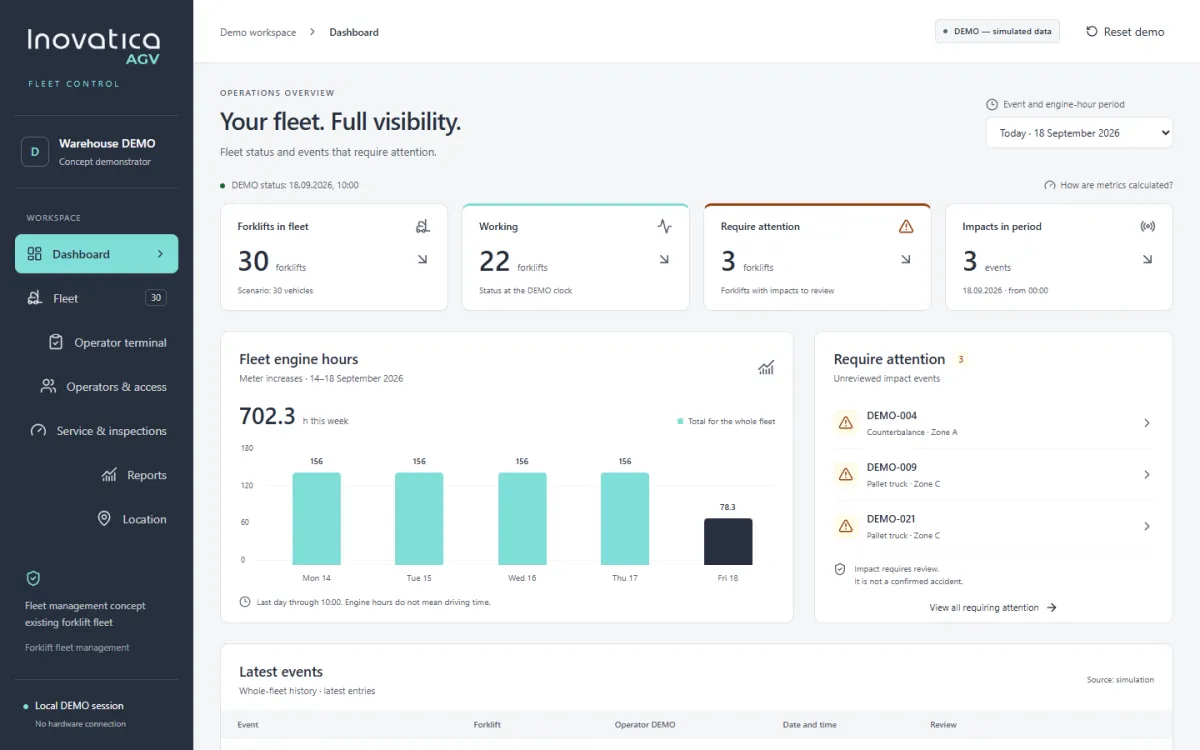
Fleet visibility, operators, checks, service and reporting.
Explore the system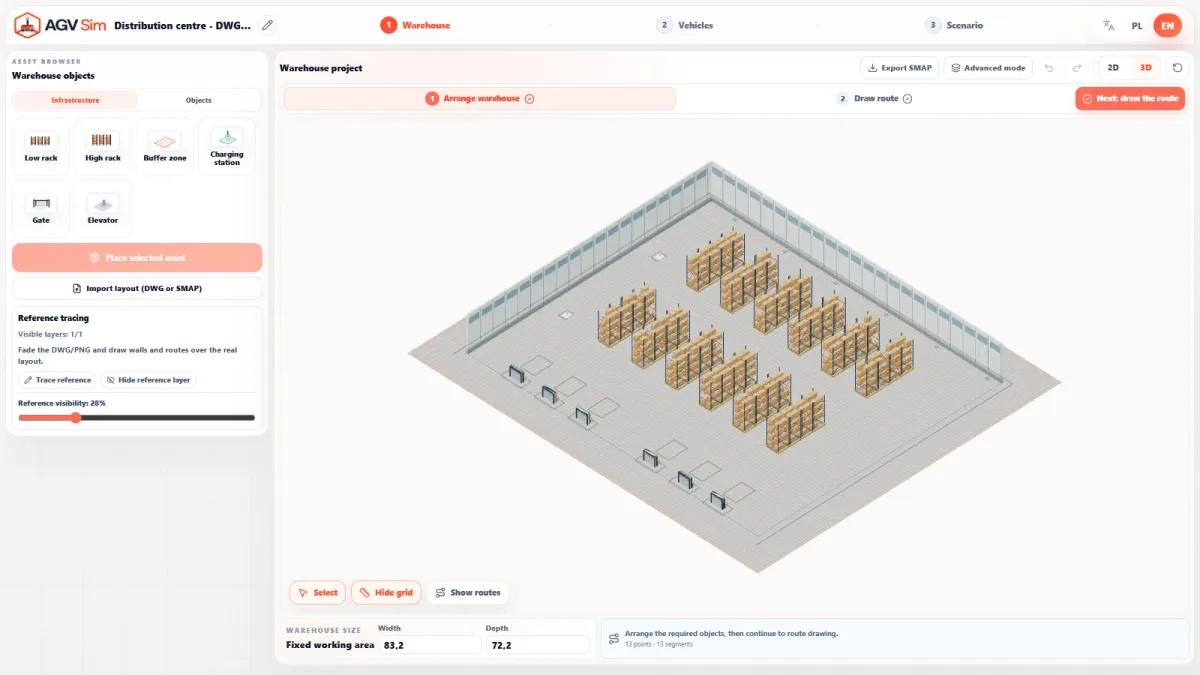
Simulate your warehouse, transport flow and AGV fleet scenarios.
Explore the systemKeep your transport flowing.
Connect production, buffers and the warehouse. Explore AGV pallet trucks and AMR platforms for regular transport between workstations.
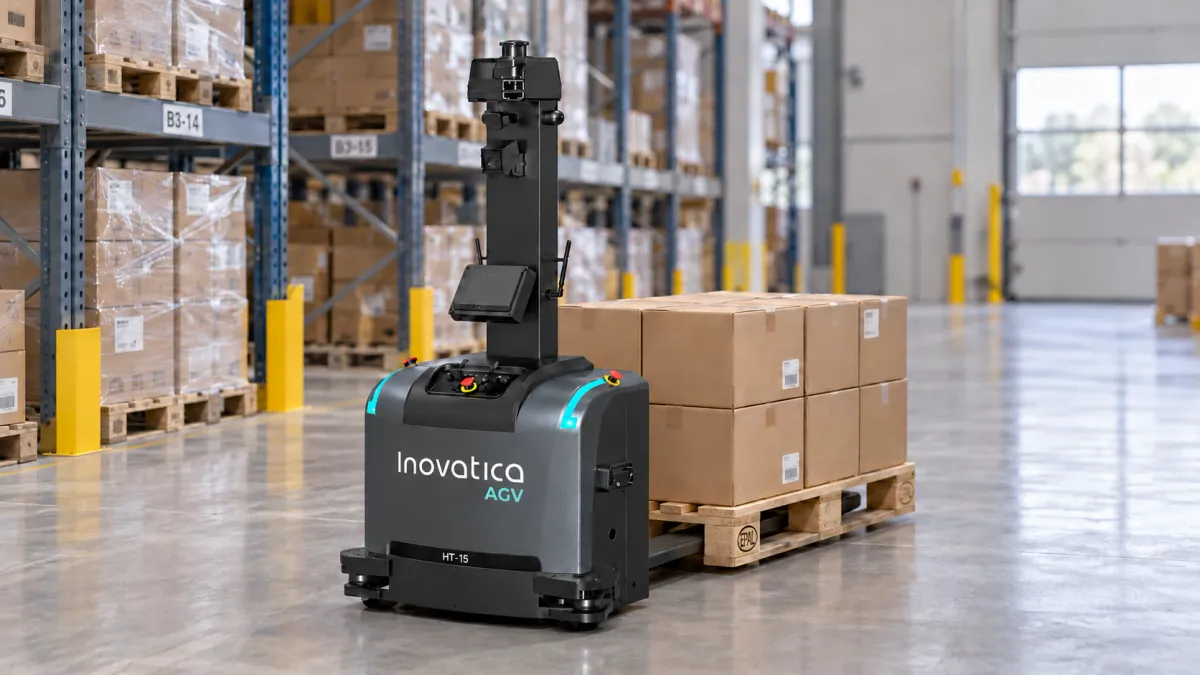
AGV pallet truck
Transport of open pallets between production, buffers and the warehouse.
Maximum load capacity: 1500 kg
Explore the model →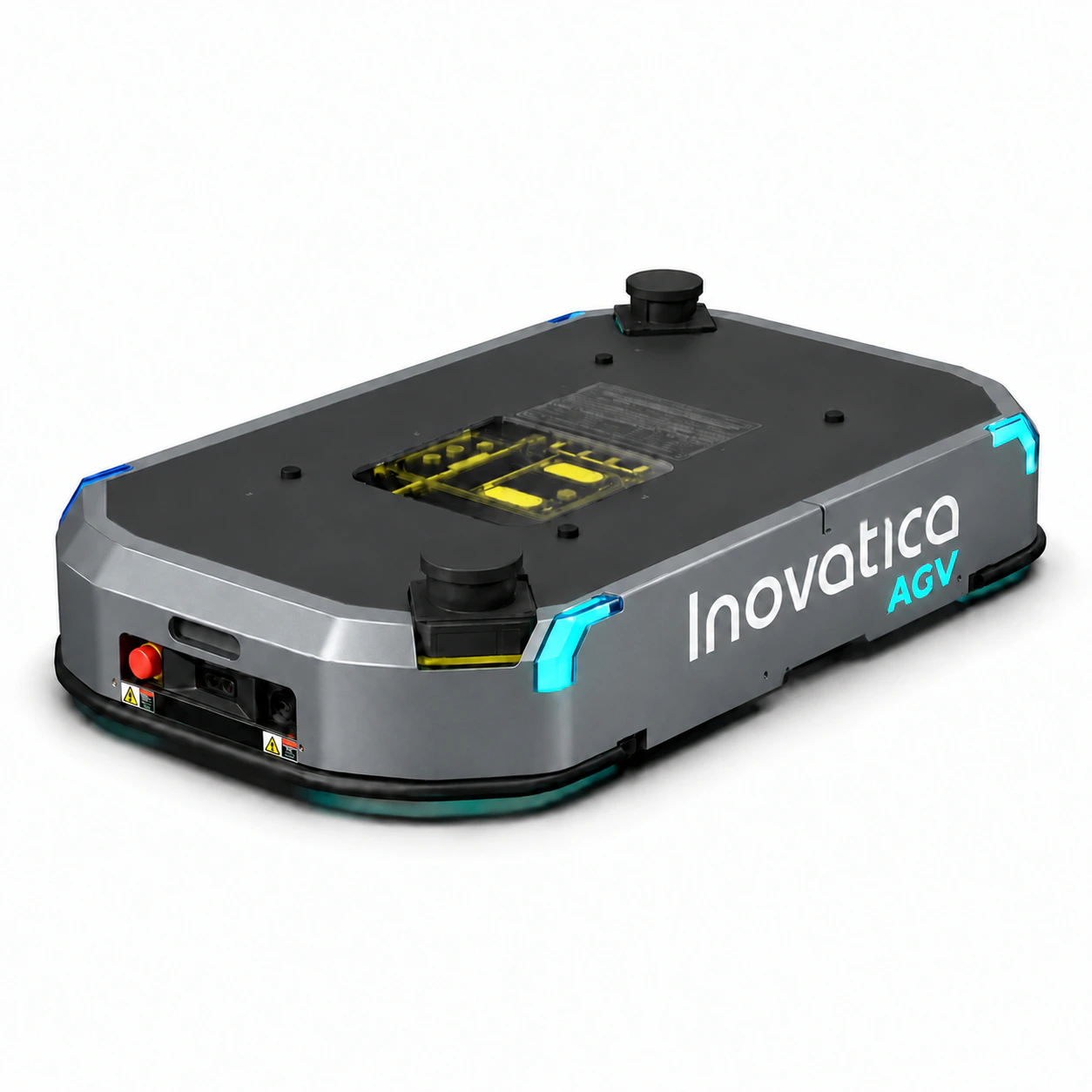
AMR platform
Regular deliveries to workstations and transport of grouped loads between production stages.
Maximum payload: 400 kg
Explore the model →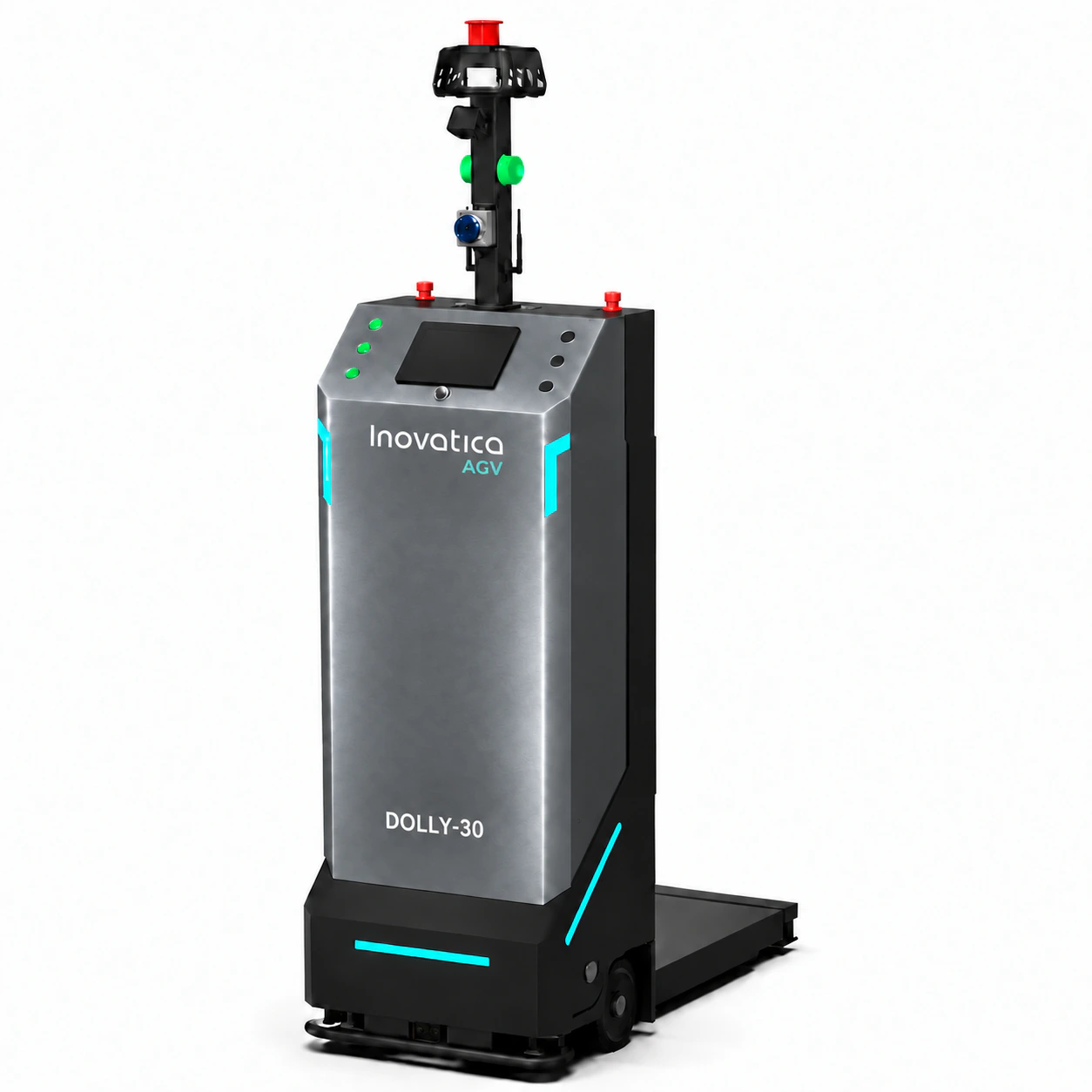
Dolly transport
Automated transport of dollies and handling of returnable packaging.
Rated load capacity: 300 kg
Explore the model →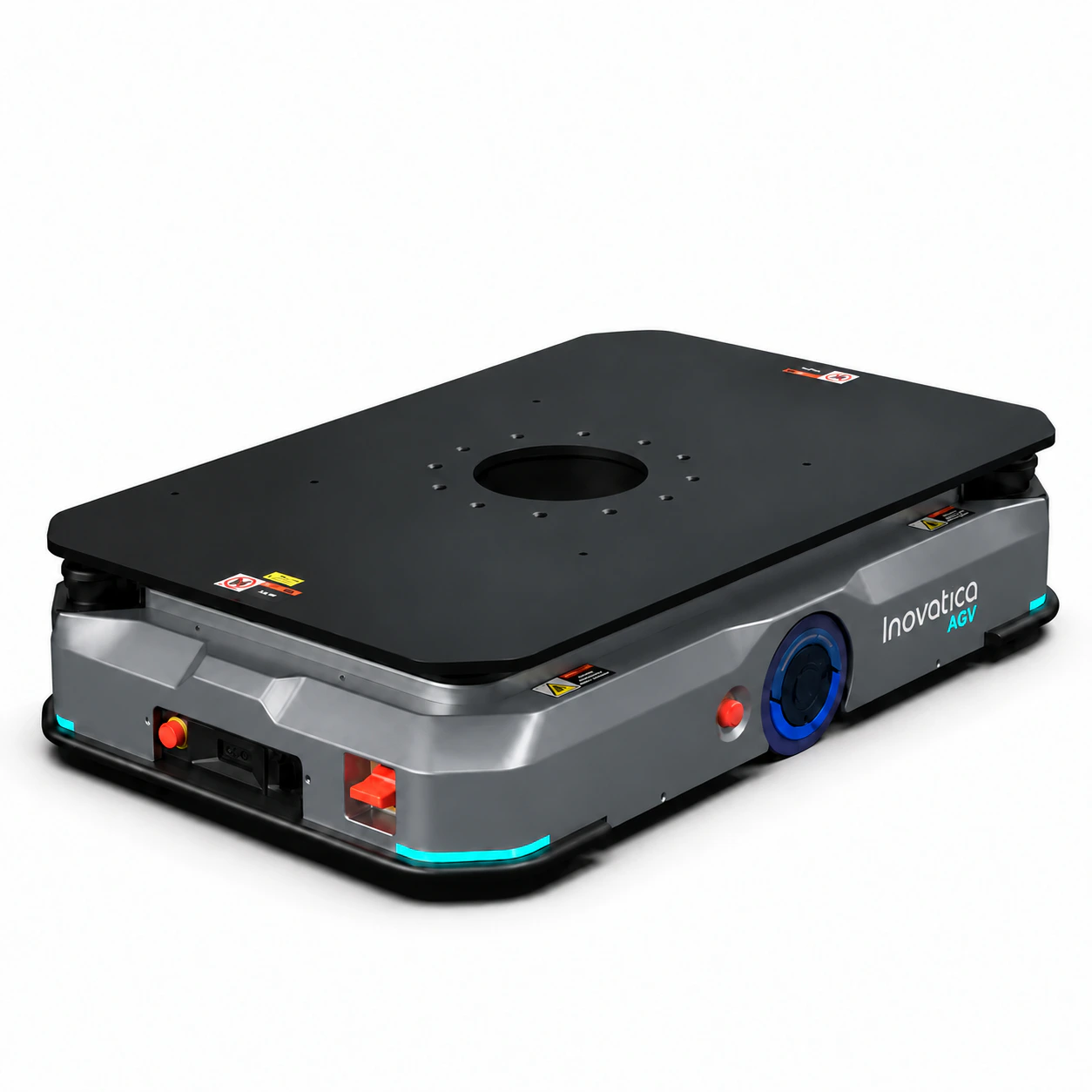
AMR platform
Moving custom load carriers through areas with limited space.
Rated load capacity: 600 kg
Explore the model →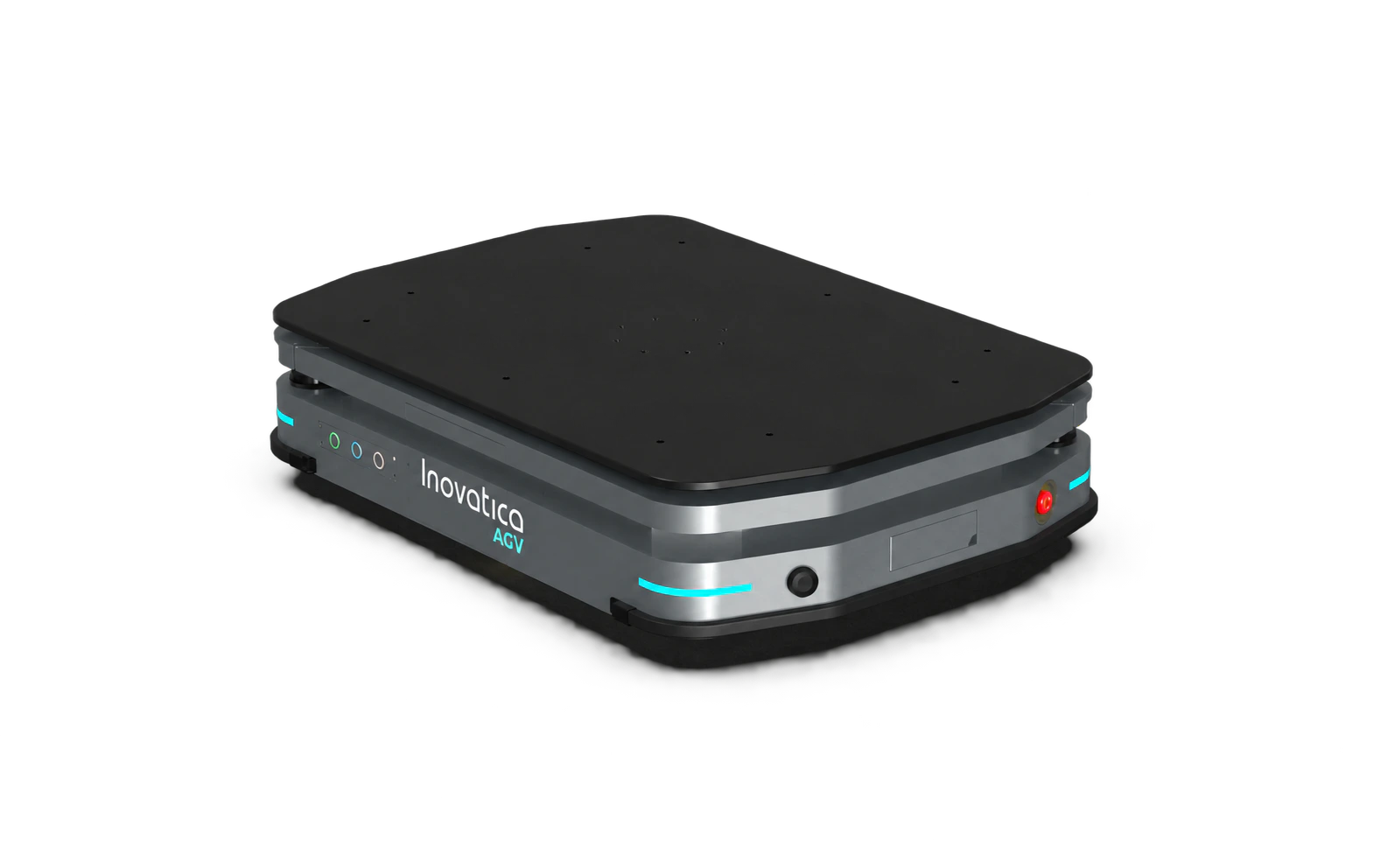
AMR platform
Moving loads and assemblies over longer routes within your facility.
Maximum load capacity: 500 / 1,000 kg*
Explore the model →We select the robot to suit your load, route and the way materials are picked up and delivered.
Delivering materials and components to workstations on schedule. Multi-stop AMR routes serve several workstations in one loop. We define the stop sequence, priorities and carrier pickup conditions.
Moving pallets and load carriers between the warehouse, buffers and production.
Collecting and returning packaging and load carriers for the next cycle.
An AGV pallet truck picks up compatible pallets with forks. AMR platforms require a suitable carrier and load-transfer method, while a gripper robot handles compatible dolly carts. A platform should not be assumed to pick up a pallet directly from the floor.
Selection starts with load weight and dimensions, carrier design and transfer points. We check routes and delivery frequency, then define task sources and completion confirmations as part of fleet management.
This site uses cookies for core functionality and basic analytics. By clicking "Got it", you accept their use.
Privacy policy