Skip to content
AGV / AMR solutions

AGV and AMR solutions for logistics and manufacturing

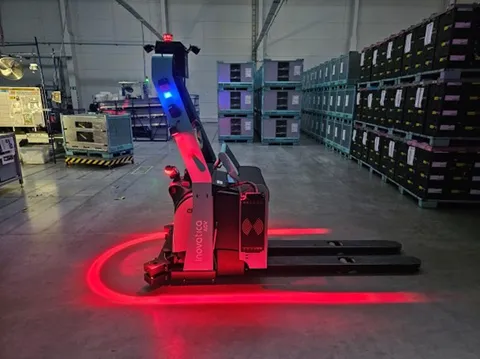
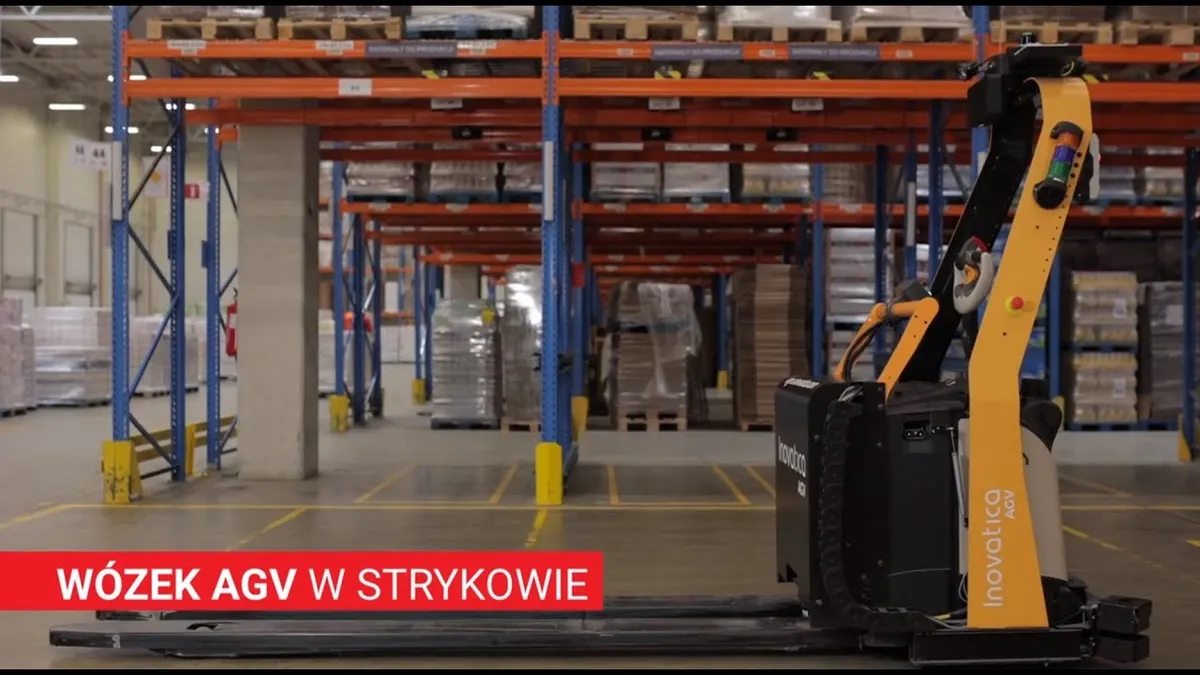
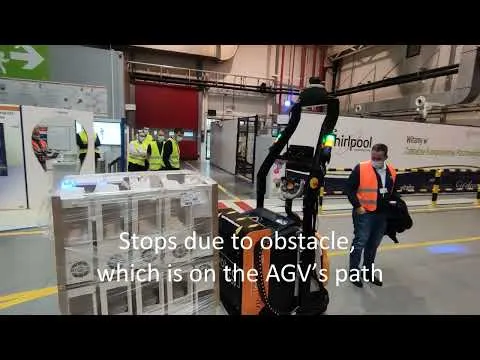
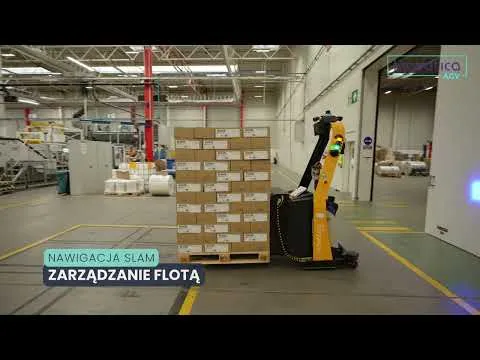
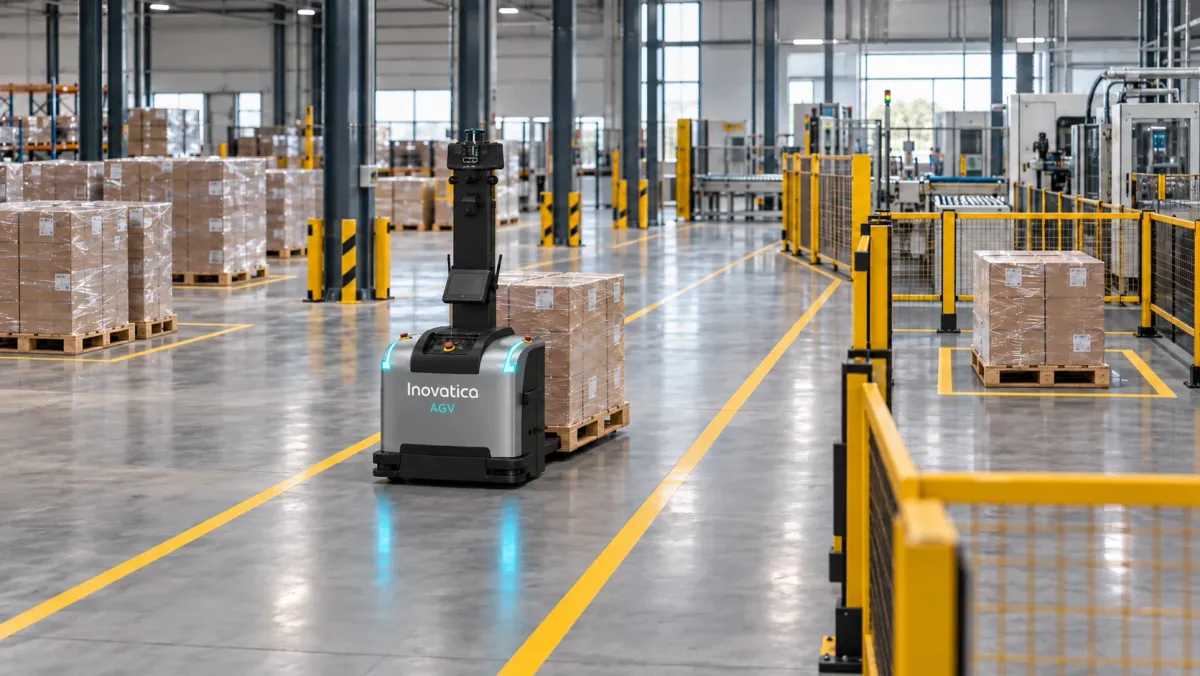
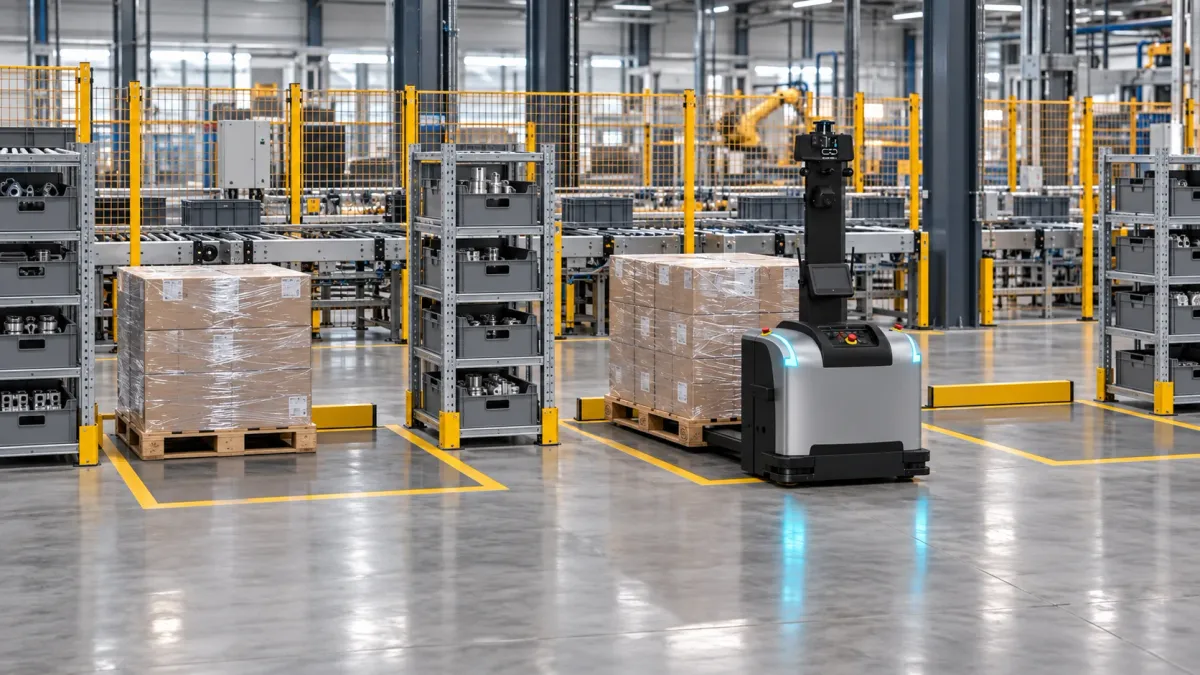
We design autonomous forklifts and AGV / AMR systems around specific processes: pallet transport, line supply, end-of-line and warehouse automation. The outcome is a more stable material flow, fewer manual runs and better cost predictability.

Outcome
More stable pallet flow

Fewer manual runs and better timing between warehouse, buffers and production.

Outcome
Better manufacturing automation

More regular line supply, faster finished-goods pickup and clearer end-of-line logic.

Outcome
A clear first rollout step

Each use case can become the first stage that shows measurable business value quickly.

Use-case overview

The scenarios we automate most often with AGV / AMR

Each tile answers a different operating problem and leads to a dedicated use-case page with process context, product fit and the next implementation step.

Use case

Pallet transport between zones

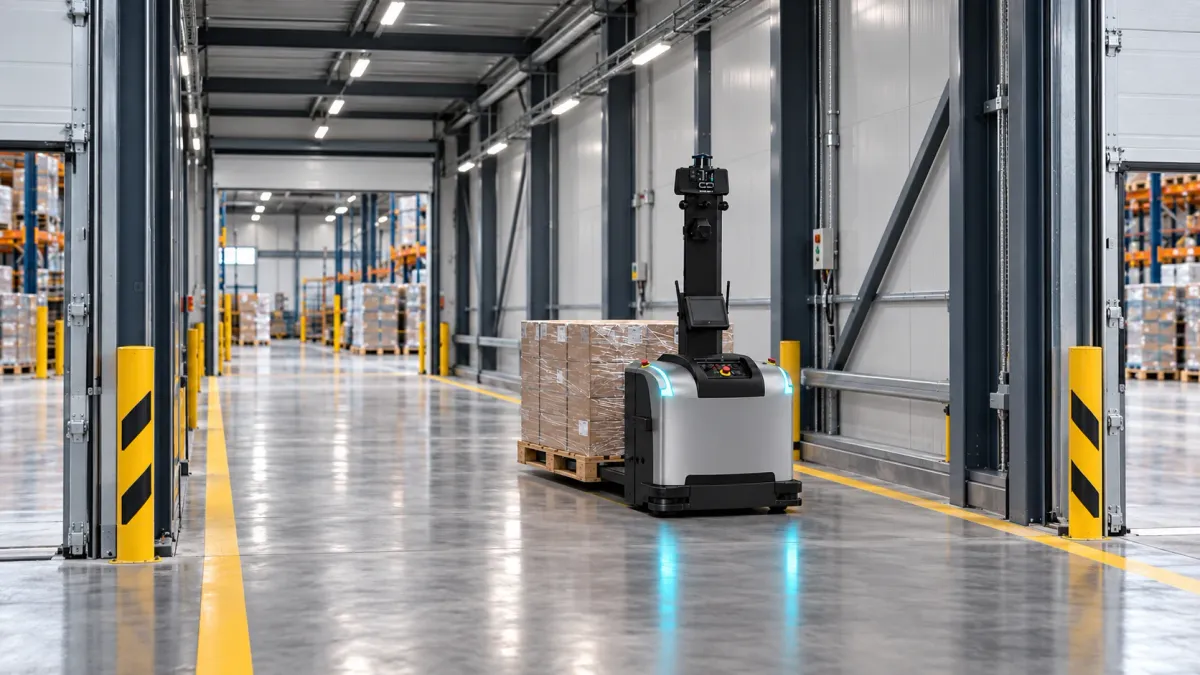
Automation of repetitive pallet moves between inbound, buffers, warehouse and production. A strong starting point when constant manual trips reduce predictability.

Use case

Automated line supply

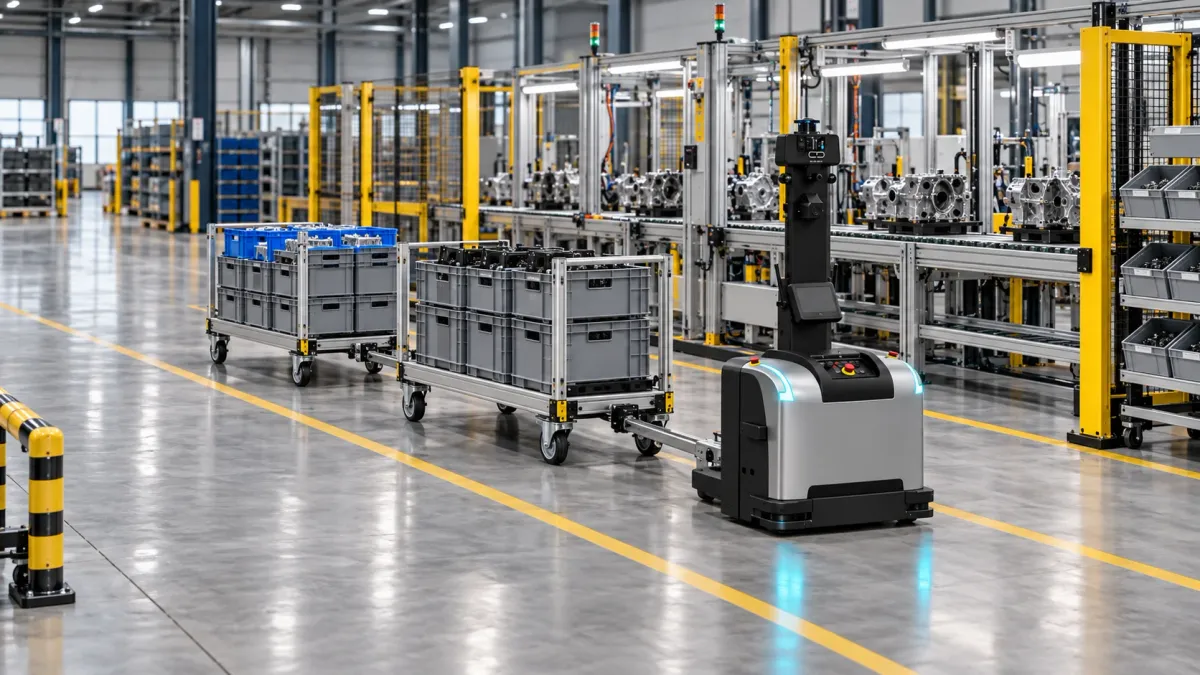
Regular delivery of components, empty carriers and material to the line in line with process rhythm.

Use case

End-of-line outbound handling

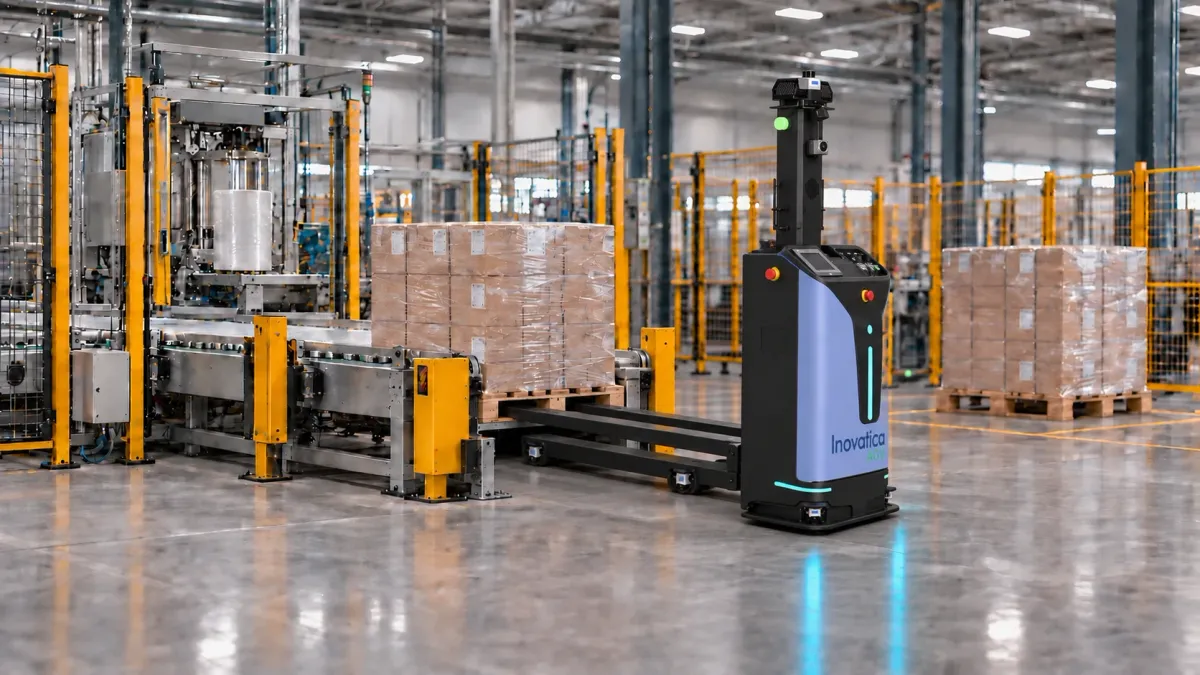
Automated removal of finished pallets, bins or batches from the end of the line and transfer to a buffer or warehouse.

Use case

High-bay warehouse automation

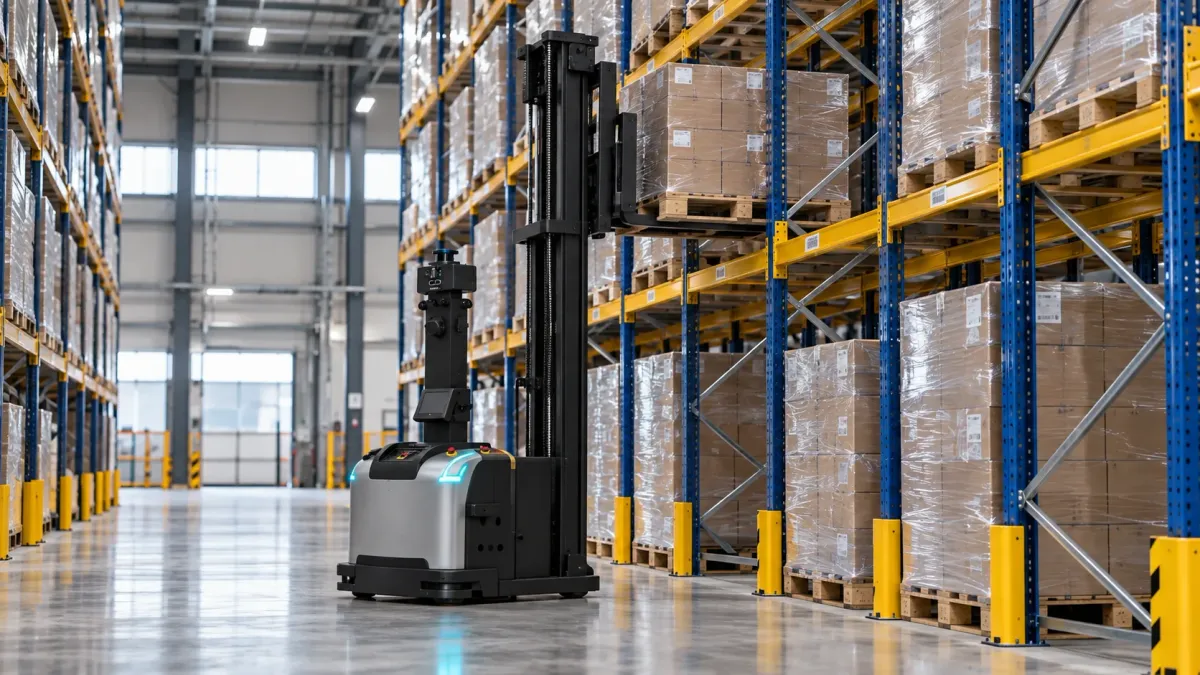
Pallet retrieval and put-away in racking areas, high-bay zones and high-density aisles with stronger process discipline.

Use case

Transport between halls

Reliable material flow between separated plant areas without manually coordinating every trip.

Use case

Production buffers and supermarkets

Automated put-away, retrieval and carrier rotation in buffers and production supermarkets close to the process.

Use case

Autonomous floor cleaning for warehouses and large facilities

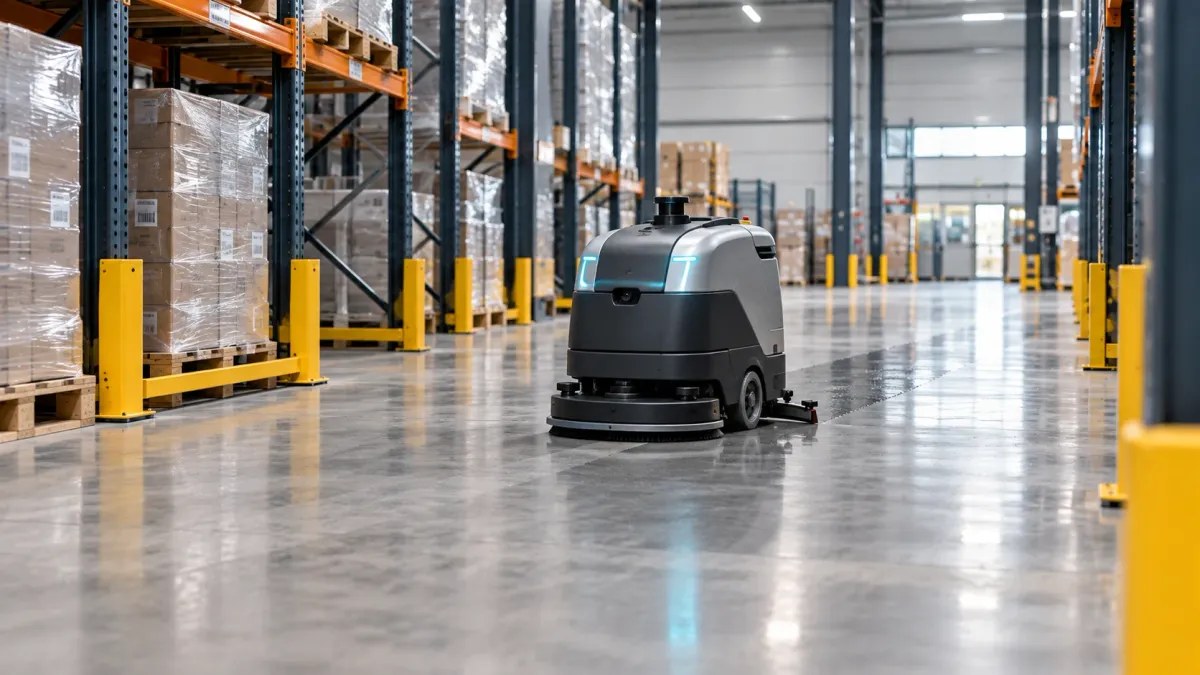
Autonomous scrubbing robots for repeatable floor cleaning in warehouses, logistics sites and large industrial facilities. The solution helps maintain floor quality without assigning staff to repetitive manual cleaning.

How we choose the solution

From process analysis to go-live

AGV / AMR rollouts start from the process, not from an arbitrary vehicle choice. This section shows the simple delivery logic behind the project.

1

Process analysis

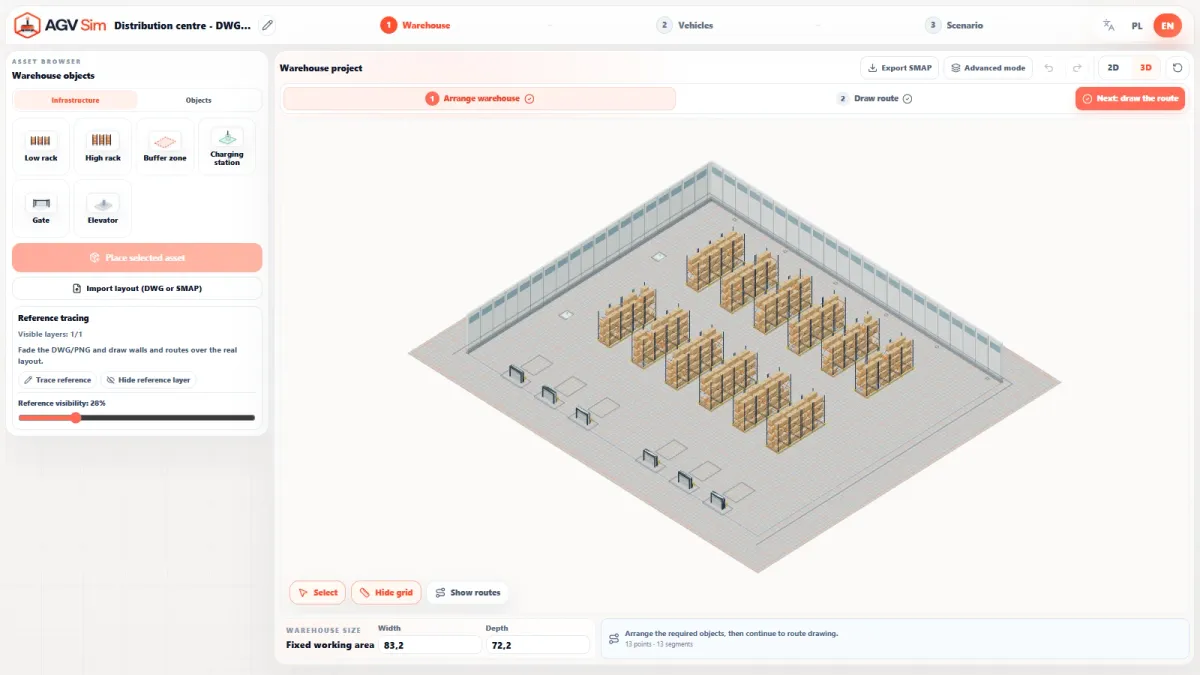
We map transport volume, pick-up and drop-off points, shift rhythm and the places where the process is currently losing time or stability.

2

AGV / AMR selection

We choose the vehicle type, traffic logic and operating model that match the load carrier, distances, storage height and site constraints.

3

Integration

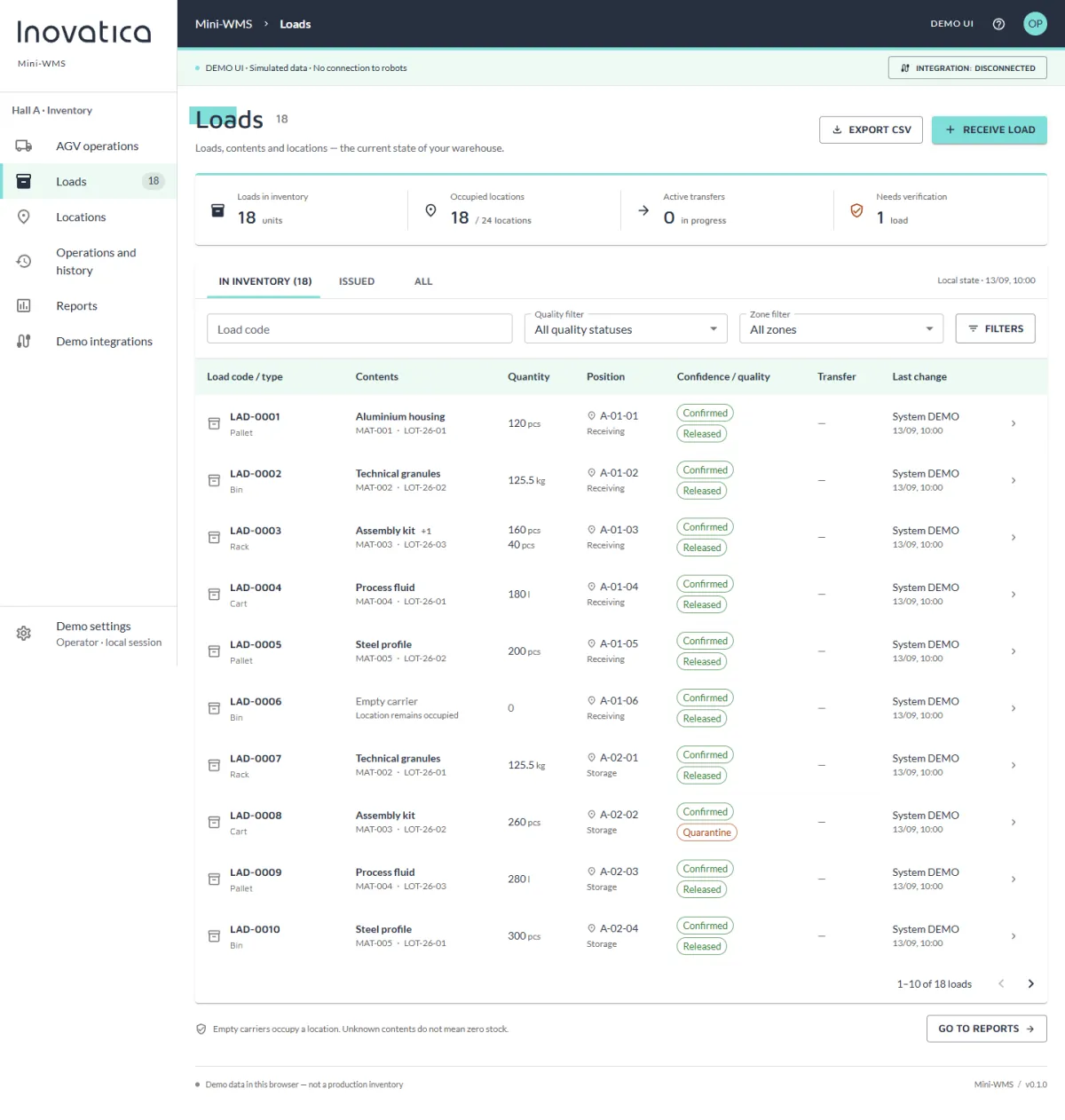
We connect the system with WMS, MES, ERP or a lighter task exchange layer so transport is driven by real process data.

4

Go-live

We stabilize the first scope, KPIs and escalation rules so the project delivers a fast business result and is ready to scale.

Business value

What matters when choosing a solution

More stable material flow

Fewer chaotic manual trips, better timing of supply tasks and a clearer transport logic across the process.

Lower operating cost

Automation takes over repetitive runs so the team can focus on higher-value work.

Higher process predictability

AGV / AMR follow defined rules, priorities and process data instead of ad hoc transport decisions.

Scalable rollout path

A well-chosen use case can become the first step towards wider warehouse or manufacturing automation.

Further reading

If you want to start from numbers or real deployments, these are the shortest next steps.

CTA

Let's talk about your process

We can review trip volume, pick-up and drop-off points, site constraints and which AGV / AMR scenario makes the most sense as the first measurable step.