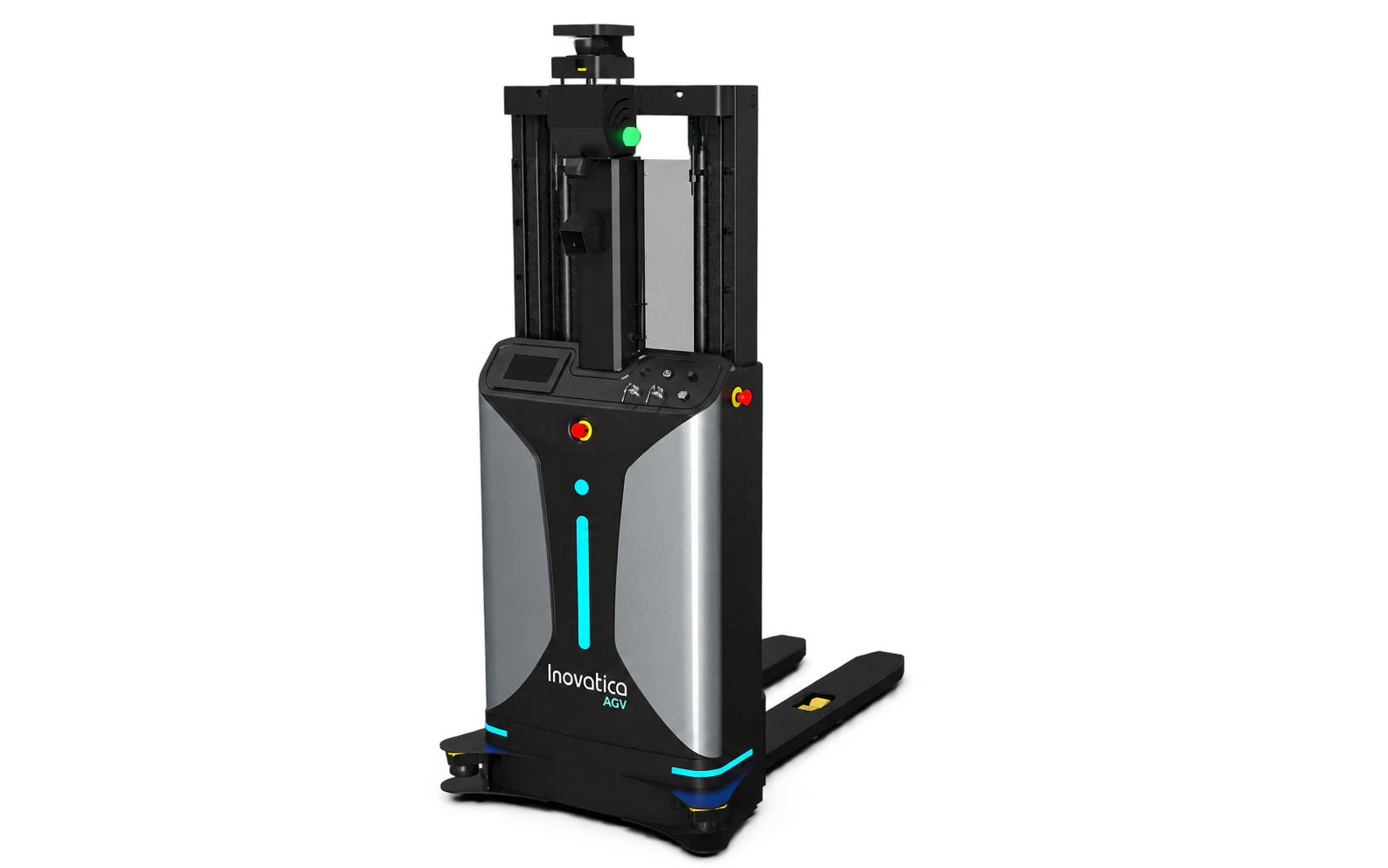
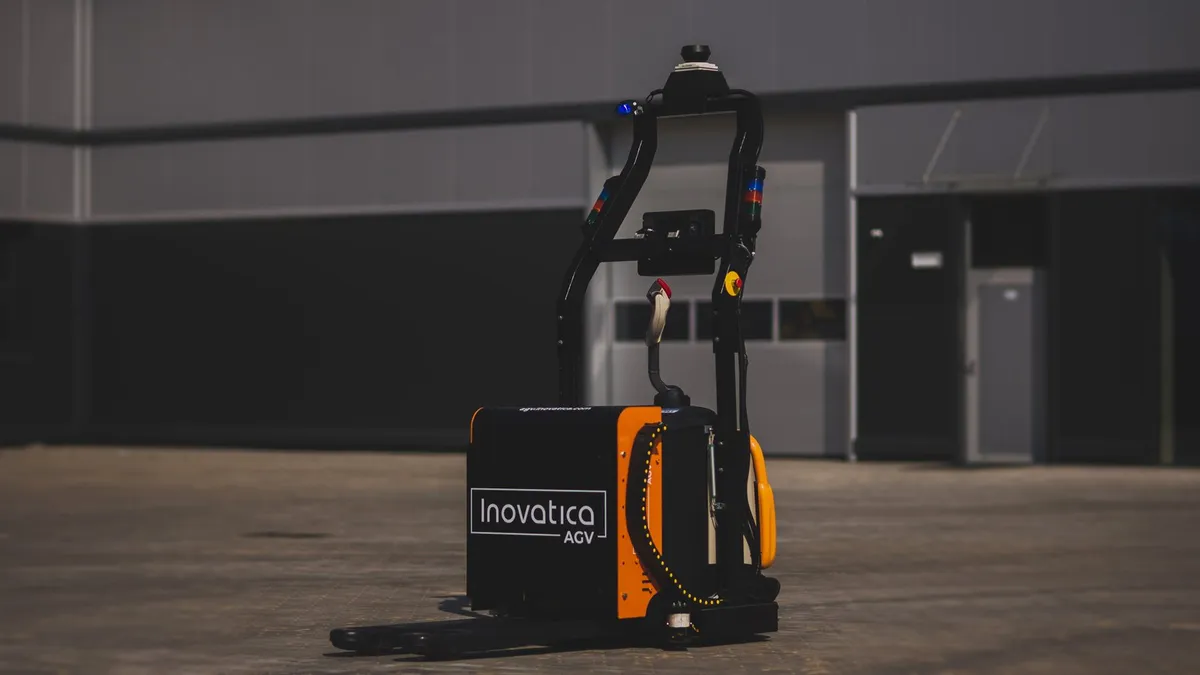
Pallet handling AGV
ST-1430
Pallet pickup and placement on low and medium rack levels. Explore the ST-1430 gallery and technical specifications.
Maximum load capacity: 1400 kg
Explore the model →
Find the right robot for your process.
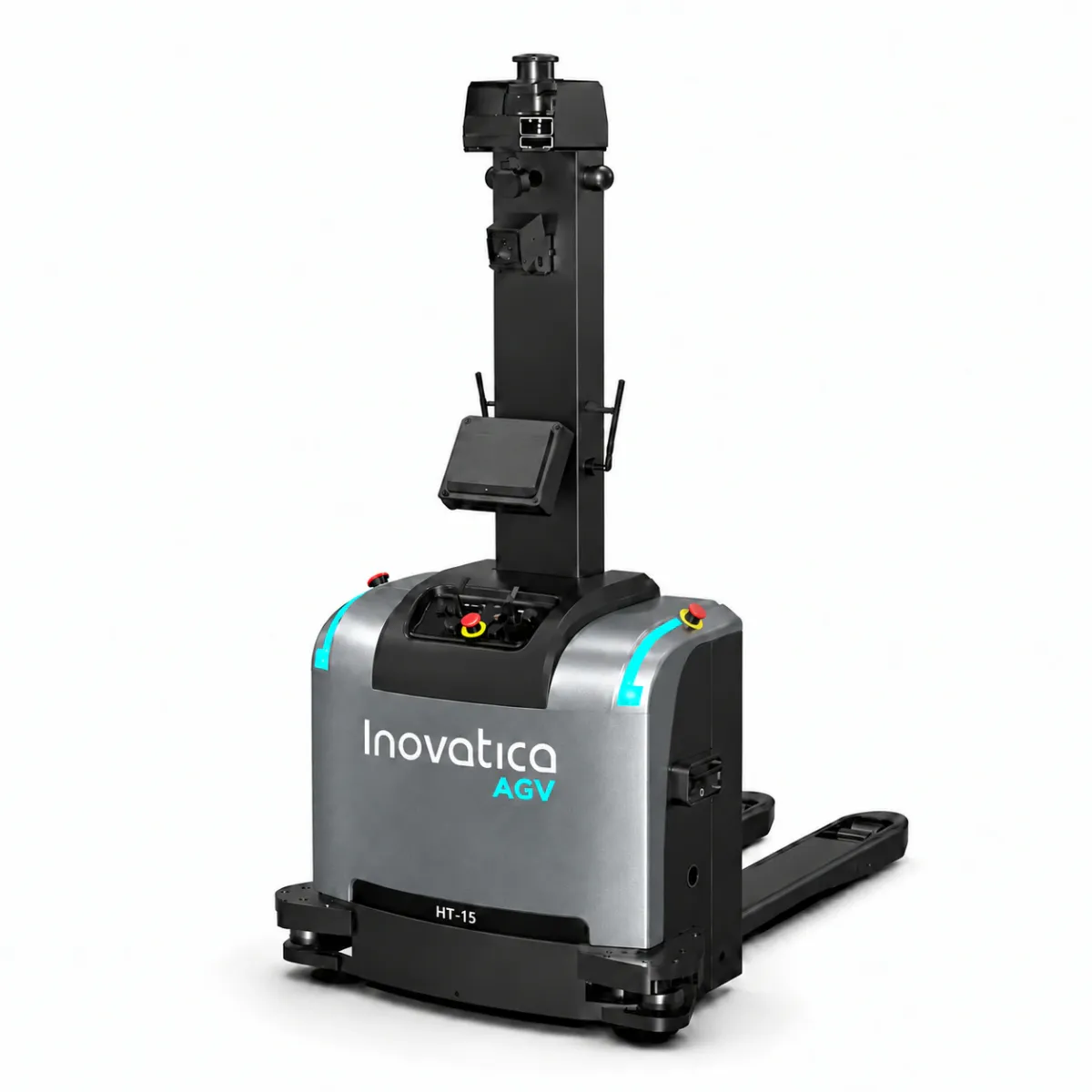
Pallets, containers and load carriers moved
between production and warehouse areas.
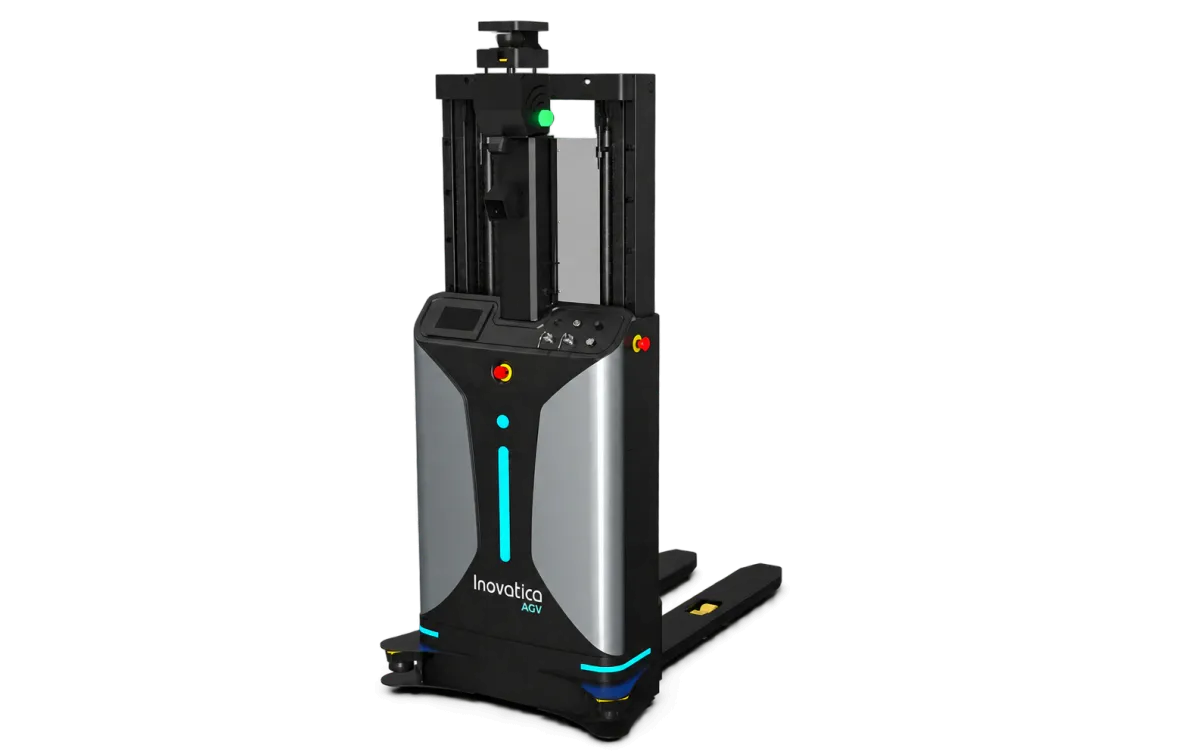
Pallet pickup and placement.
Matched to the load carrier and transfer height.
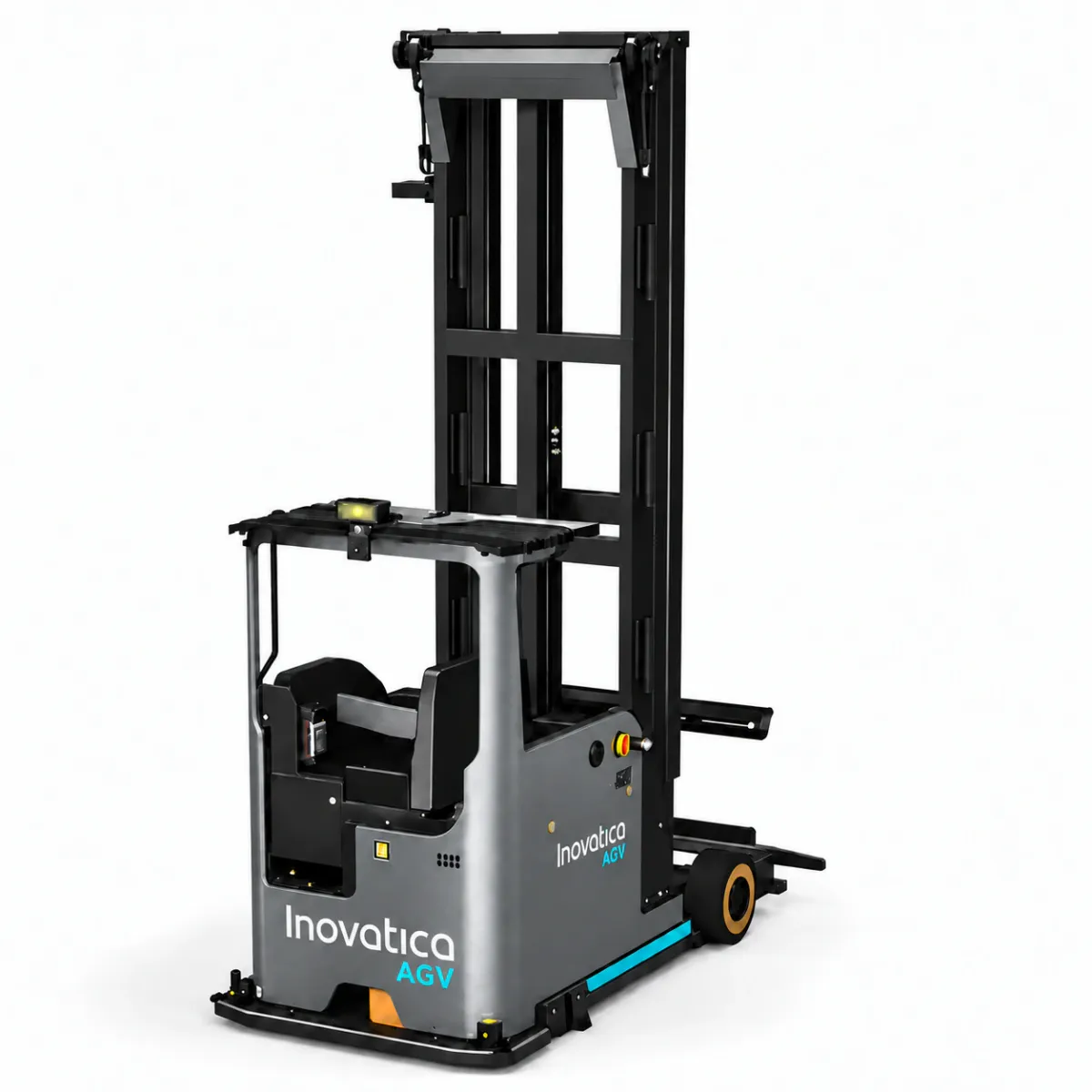
Handling higher rack levels
and warehouses with narrow aisles.
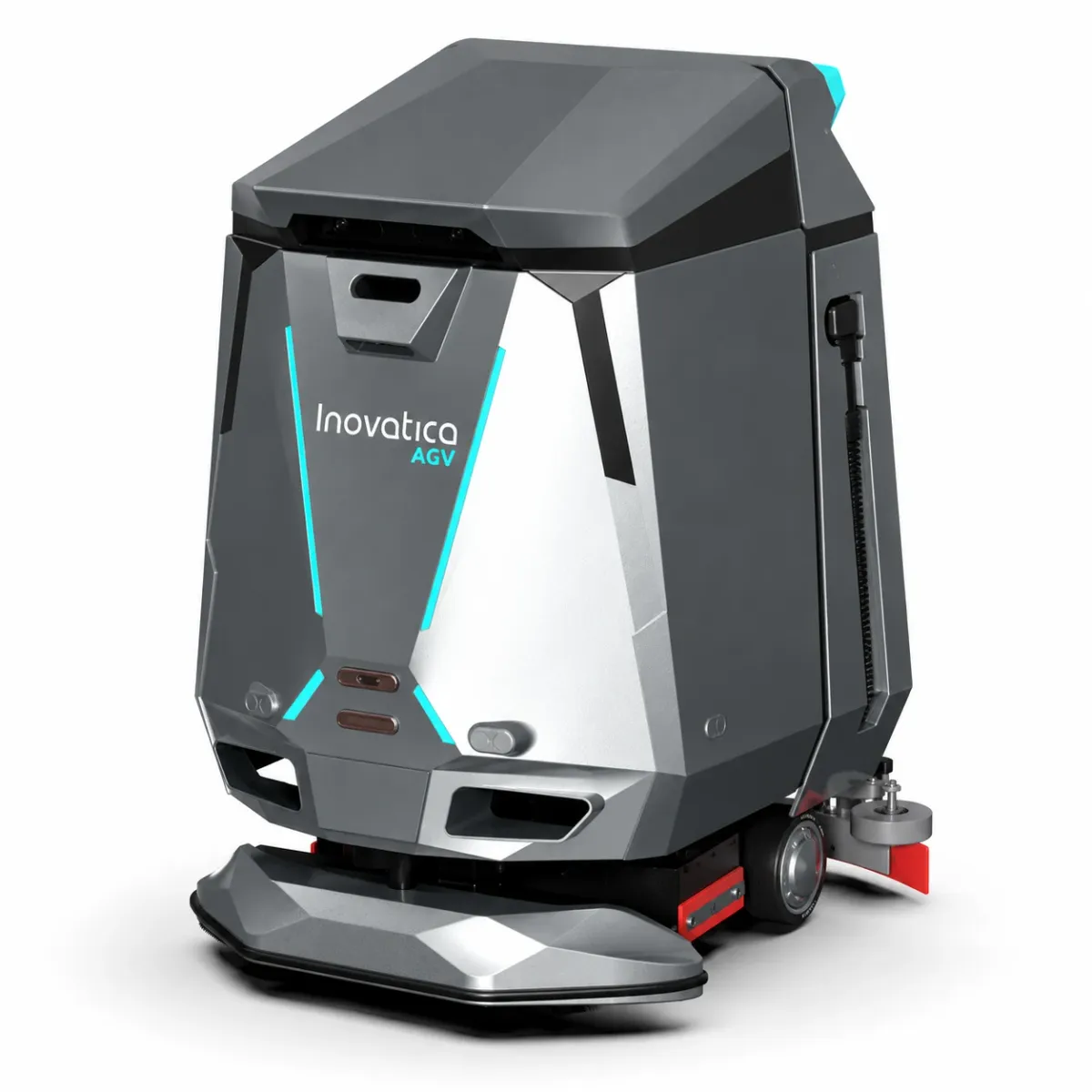
Automated floor care in warehouses and factories.
Projects across industries.
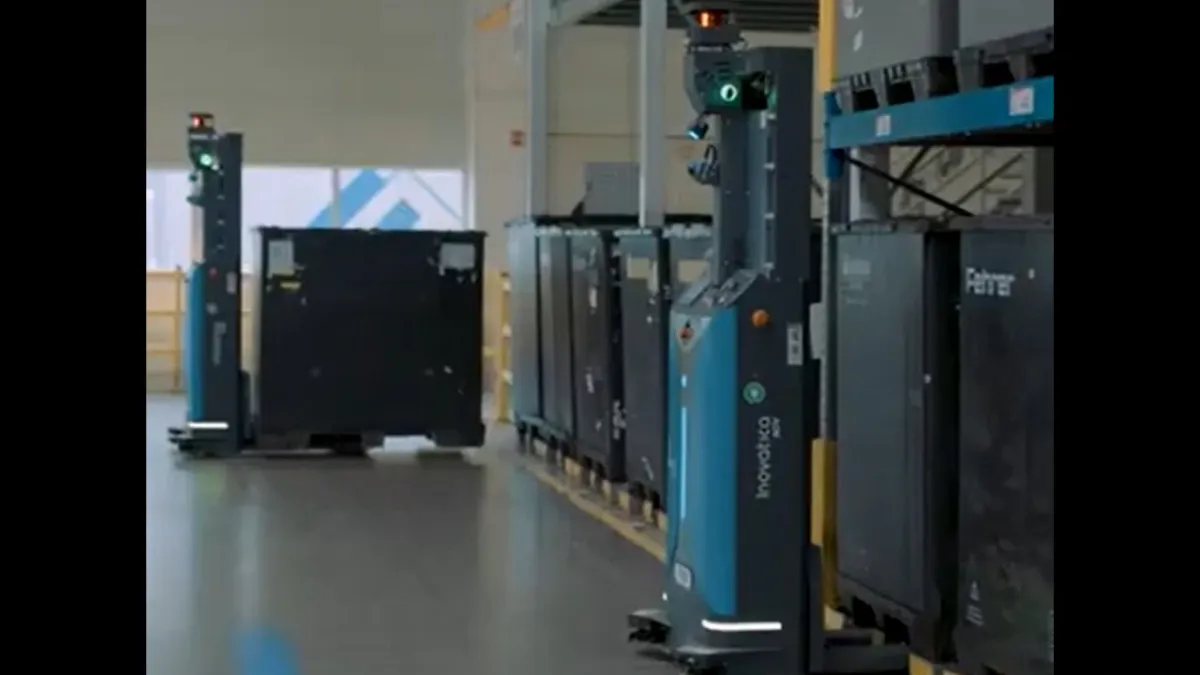
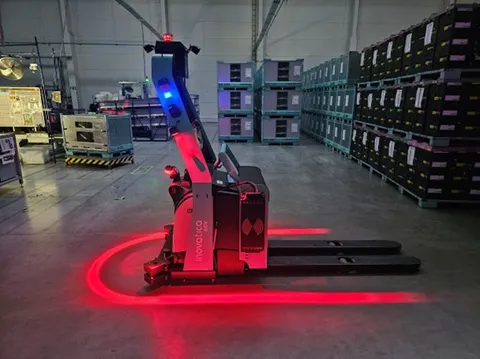
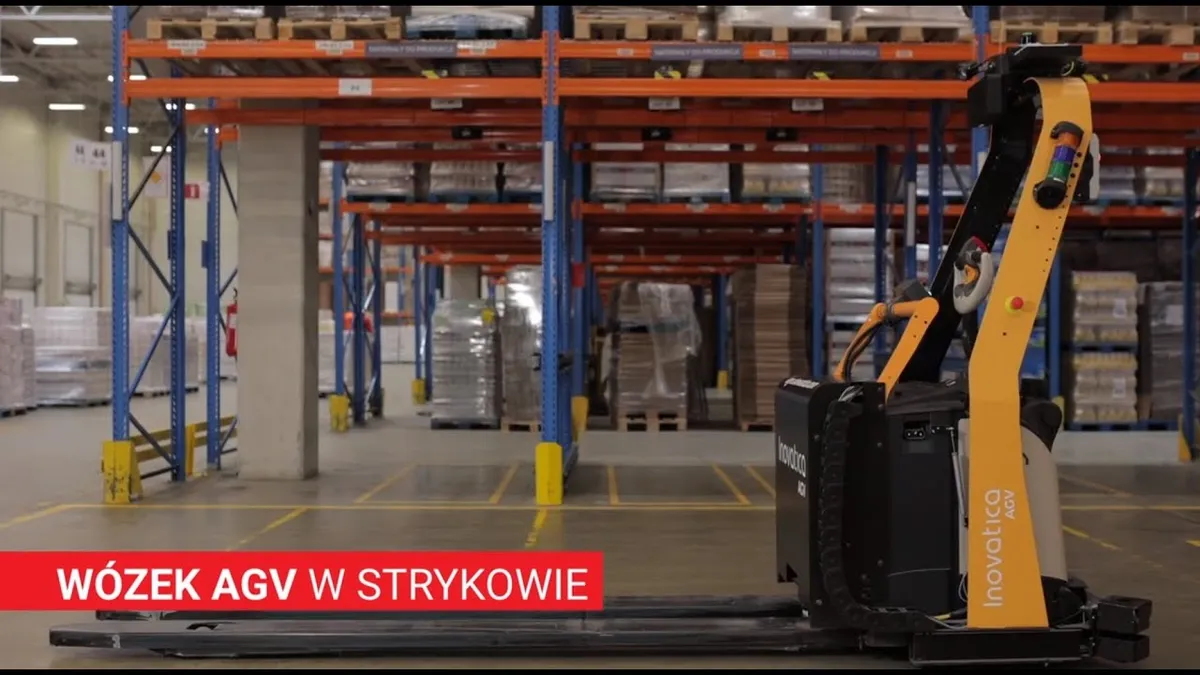
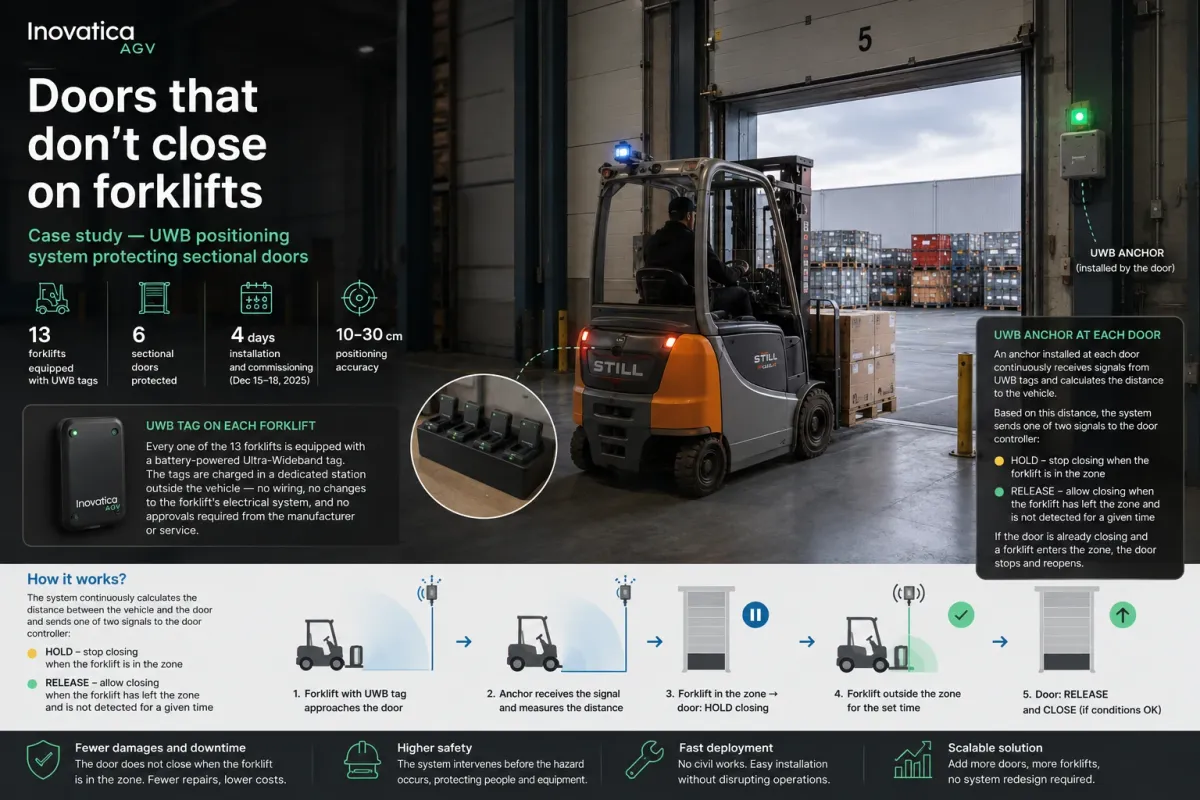
Plan, connect and manage.
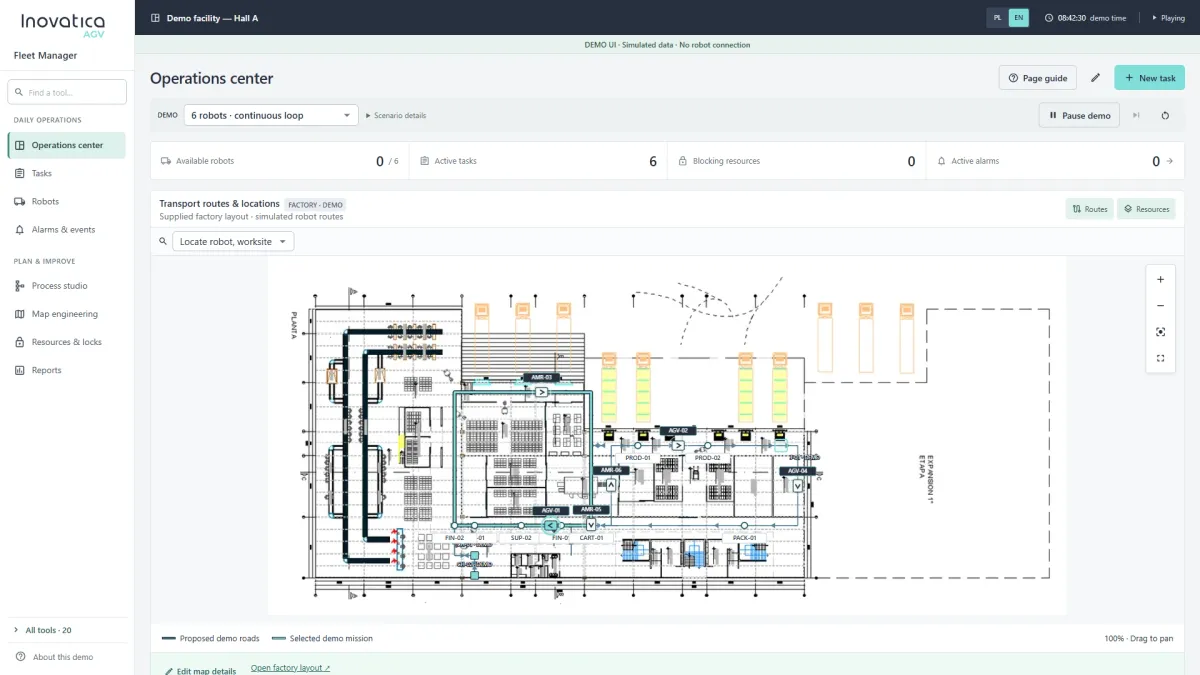
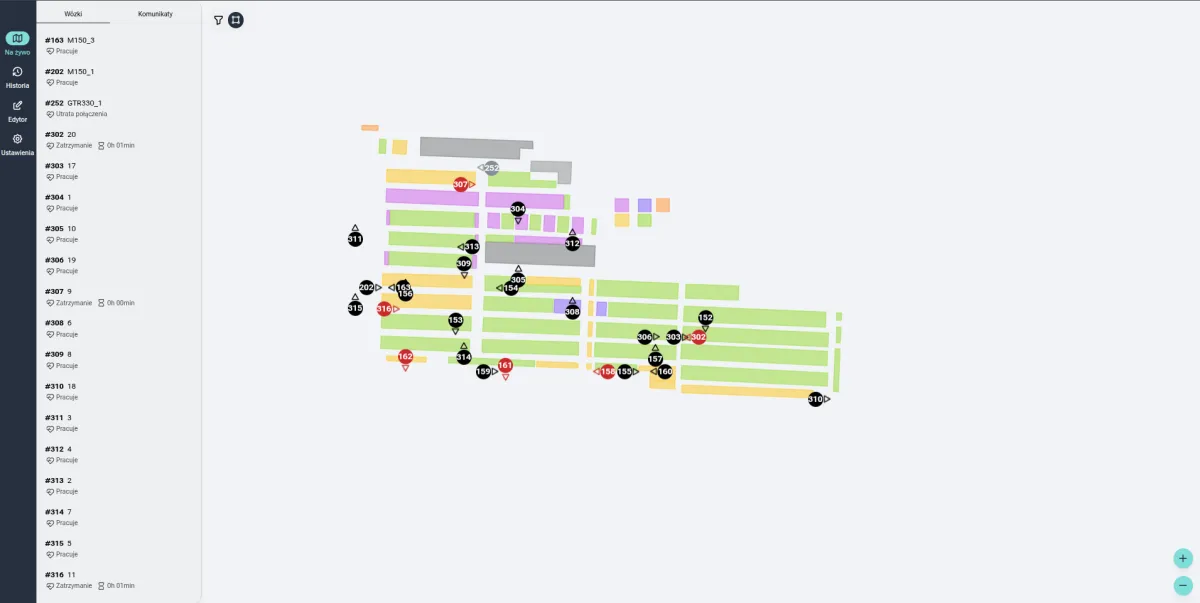
AGV tasks, vehicle assignment, traffic and fleet monitoring.
Explore the system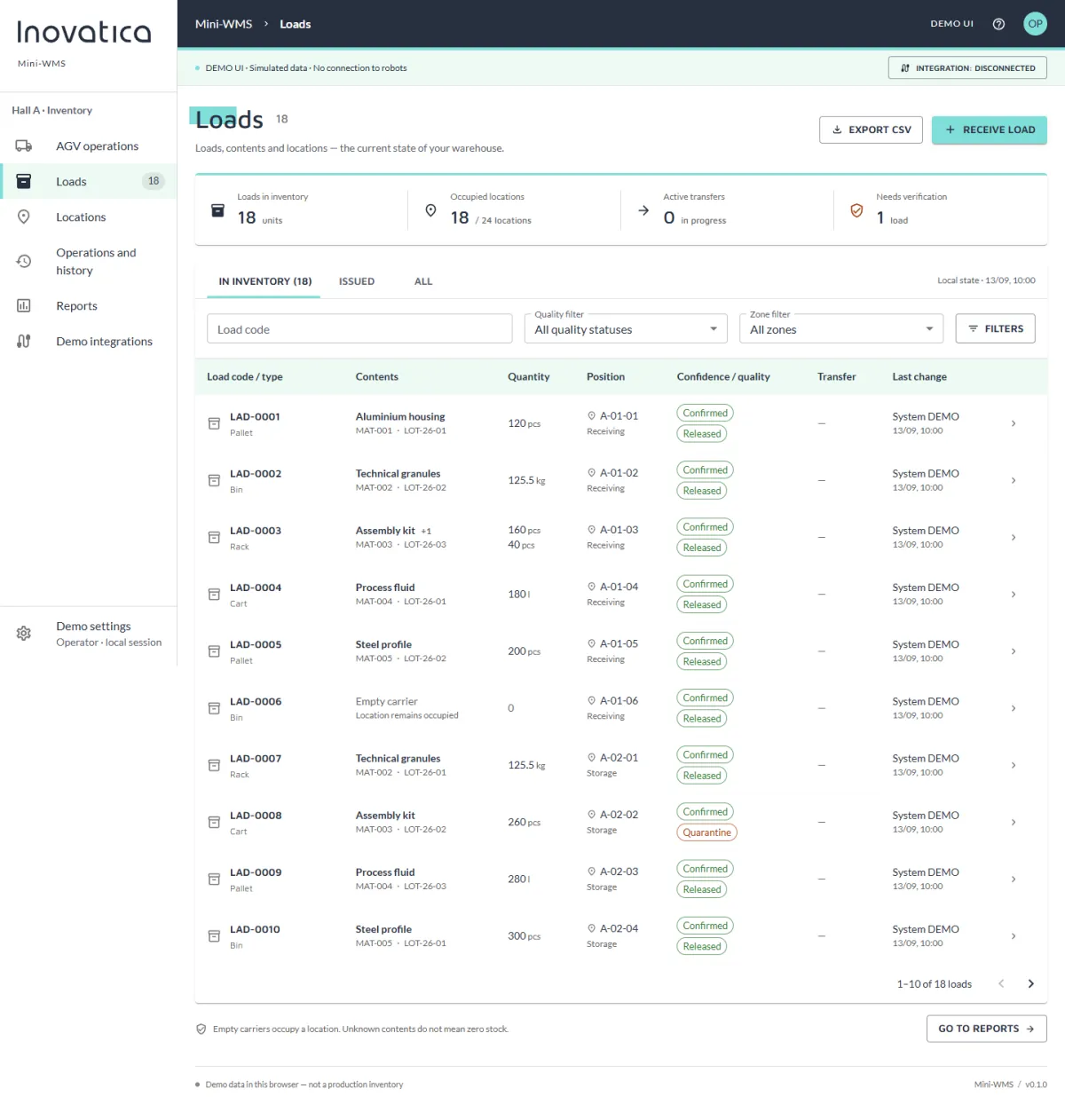
Loads, locations, transport requests and warehouse reports.
Explore the system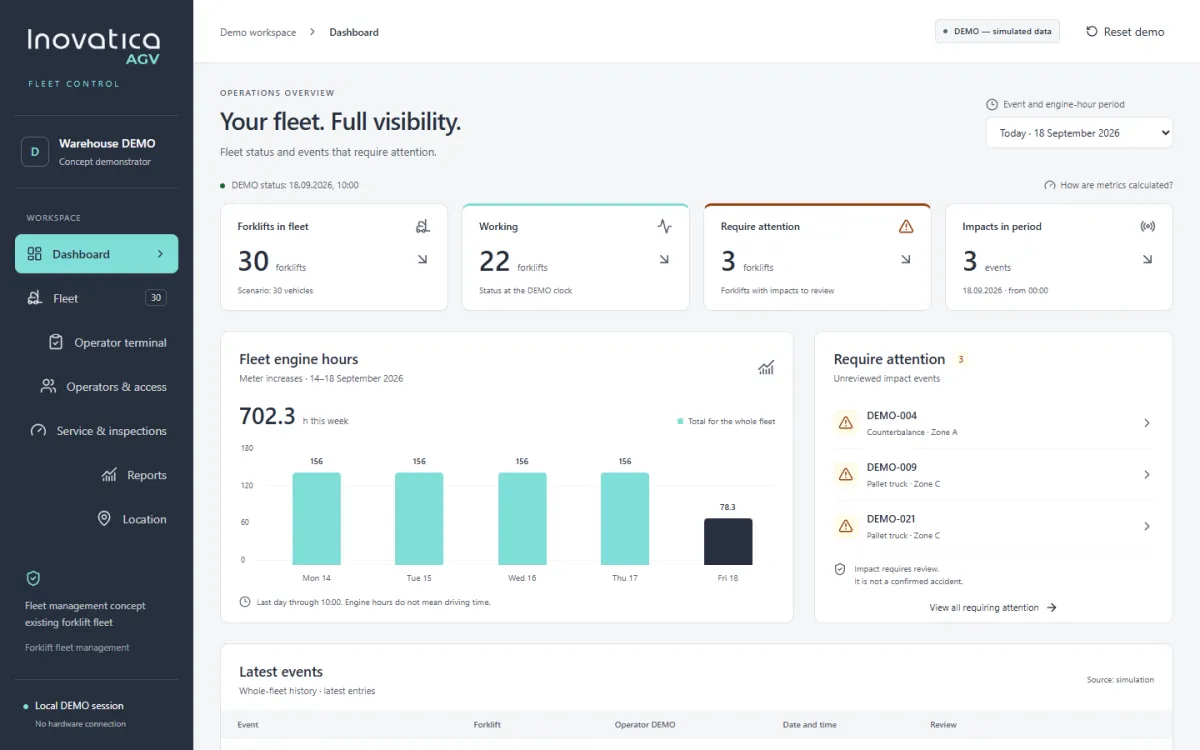
Fleet visibility, operators, checks, service and reporting.
Explore the system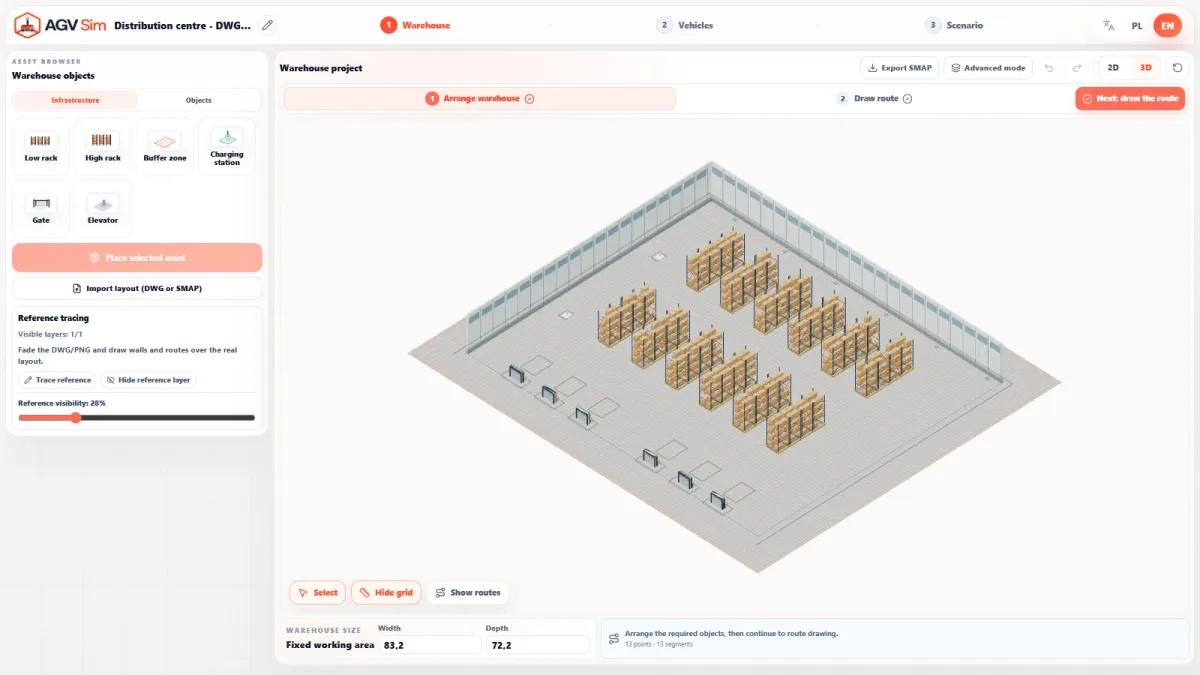
Simulate your warehouse, transport flow and AGV fleet scenarios.
Explore the systemEvery pallet. In the right place.
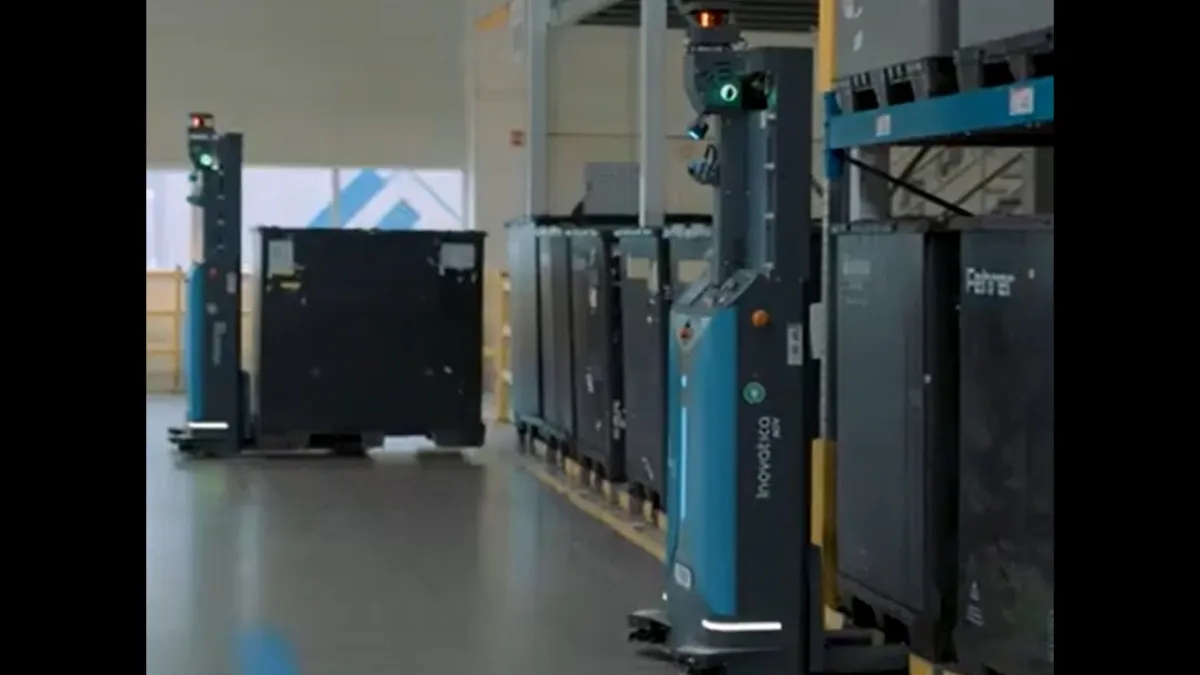
Automate pallet flow between buffers and racking. Explore trucks with different designs and load handling methods.
Pallet handling AGV
Pallet pickup and placement on low and medium rack levels. Explore the ST-1430 gallery and technical specifications.
Maximum load capacity: 1400 kg
Explore the model →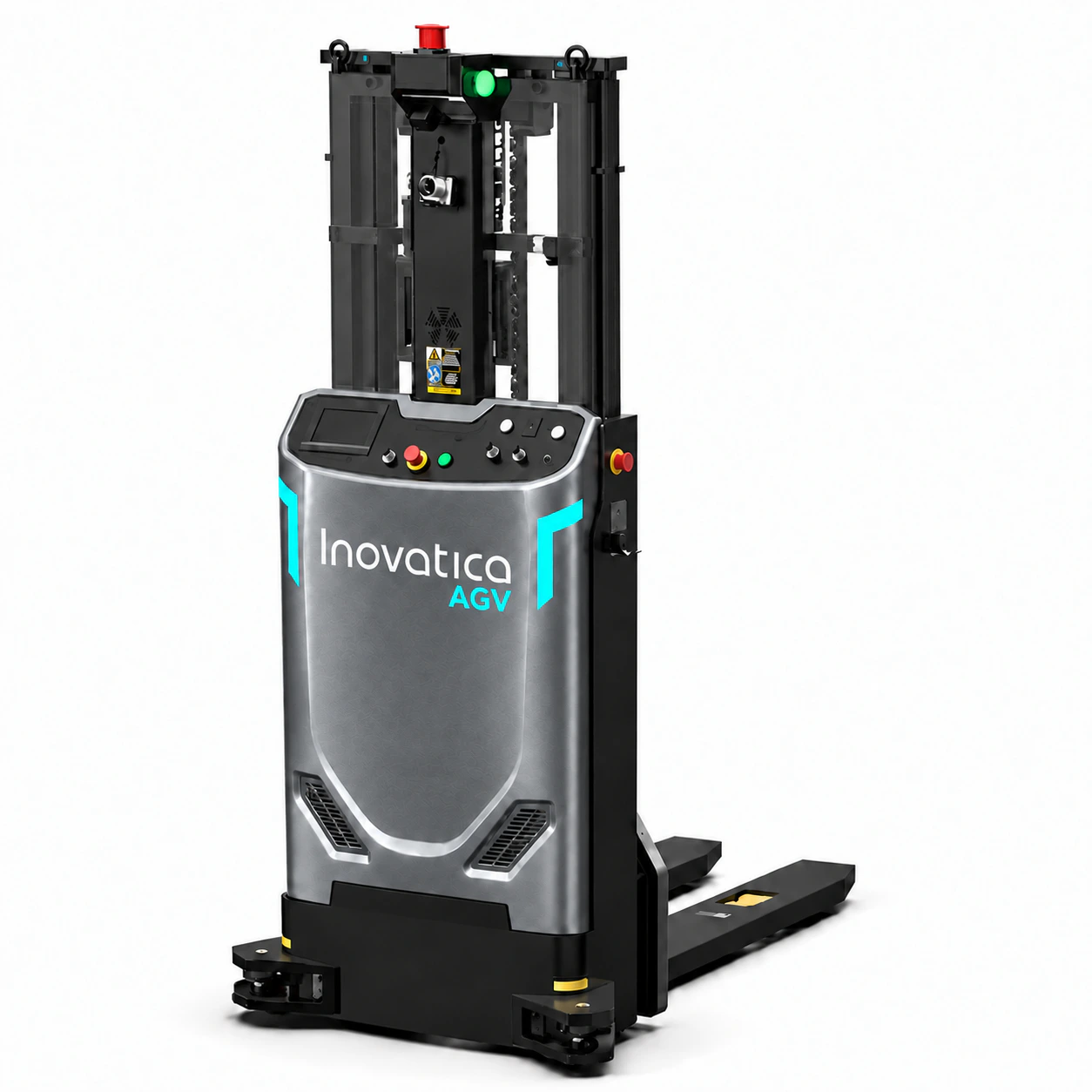
Pallet handling AGV
Pallet pickup and placement on racks. Selection depends on configuration.
Specifications: View configurations
Explore the model →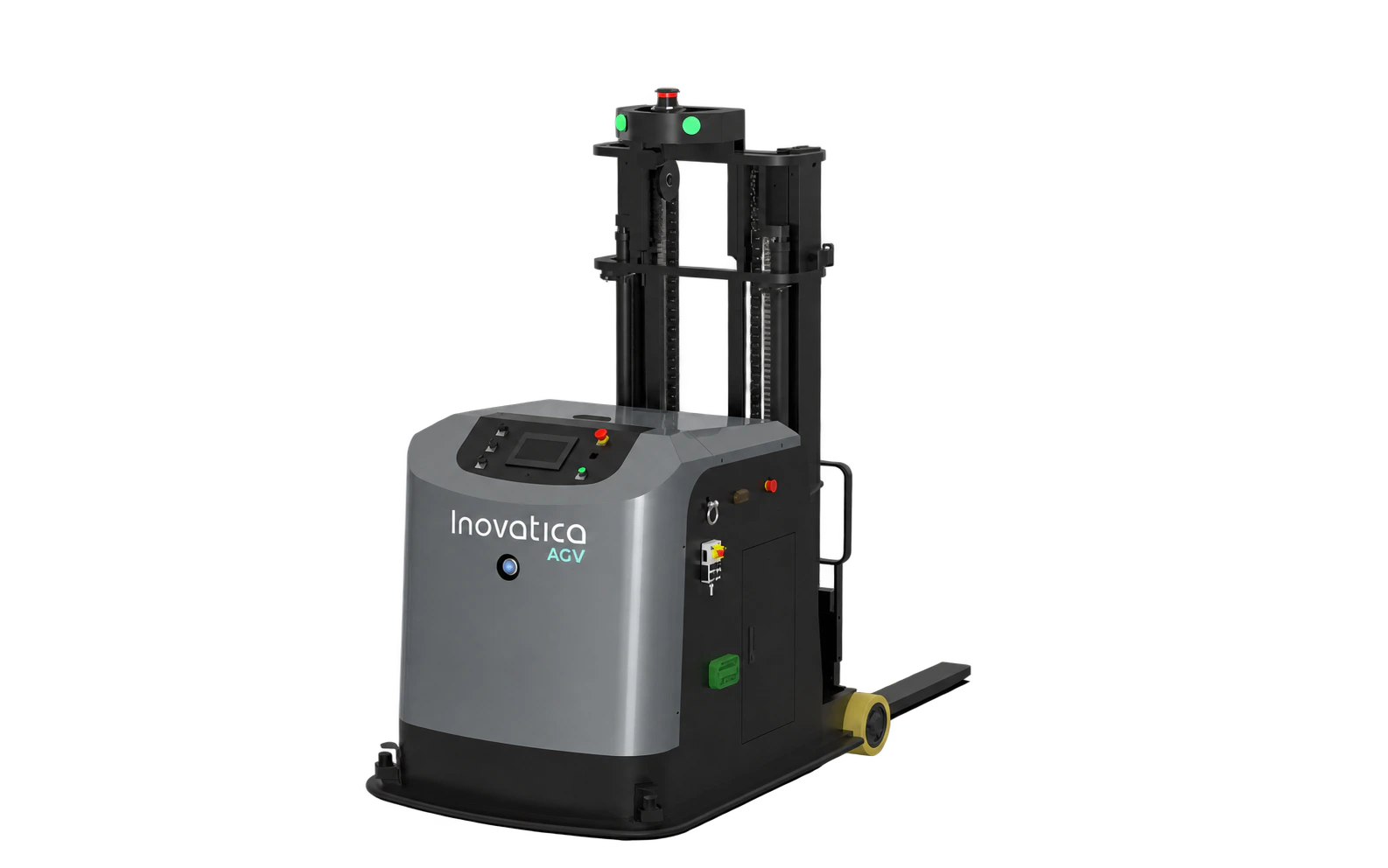
Pallet handling AGV
Pallet handling in mixed warehouse and production processes.
Rated load capacity: 2000 kg
Explore the model →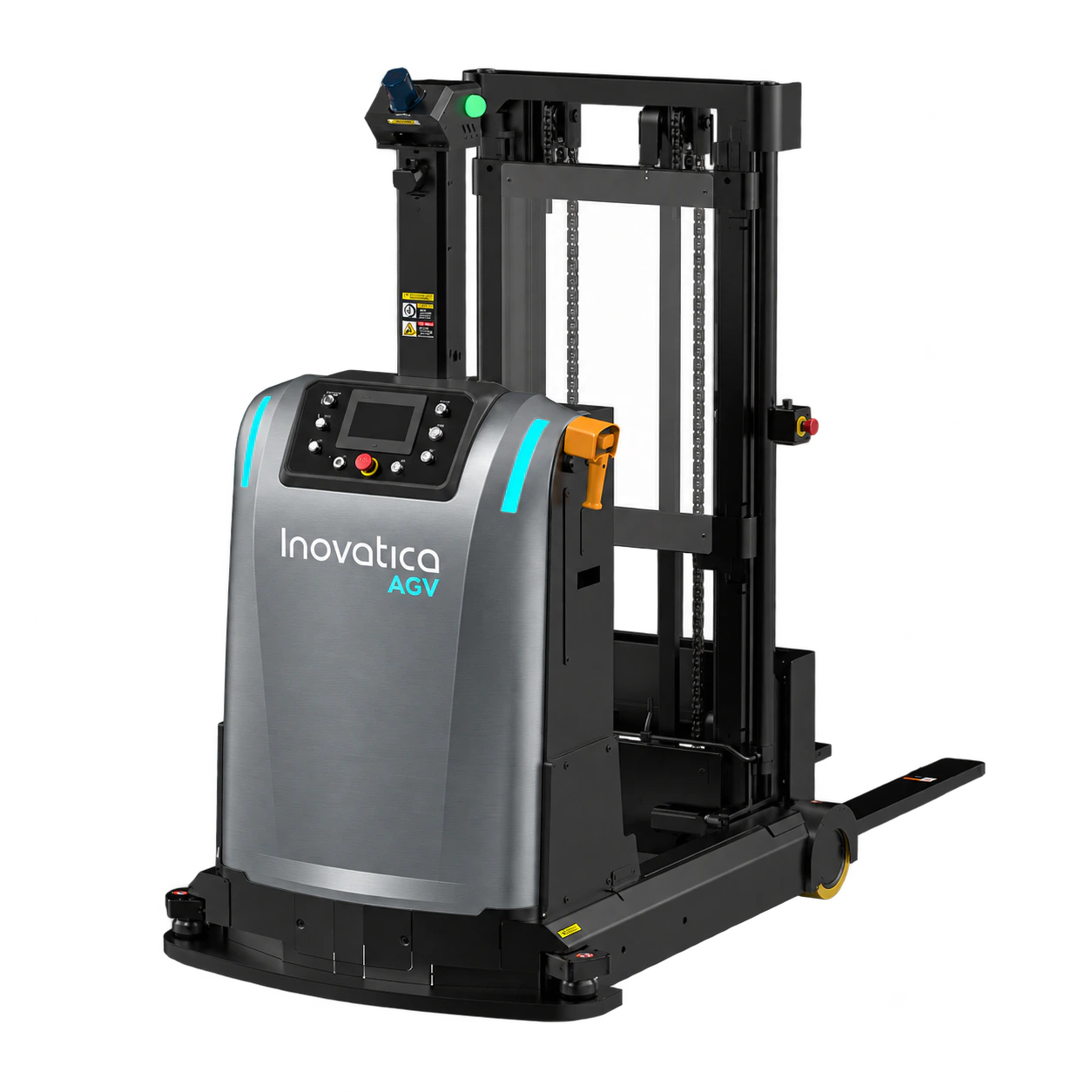
Pallet handling AGV
Pallet storage and retrieval using a reach mast.
Rated load capacity: 1400 kg
Explore the model →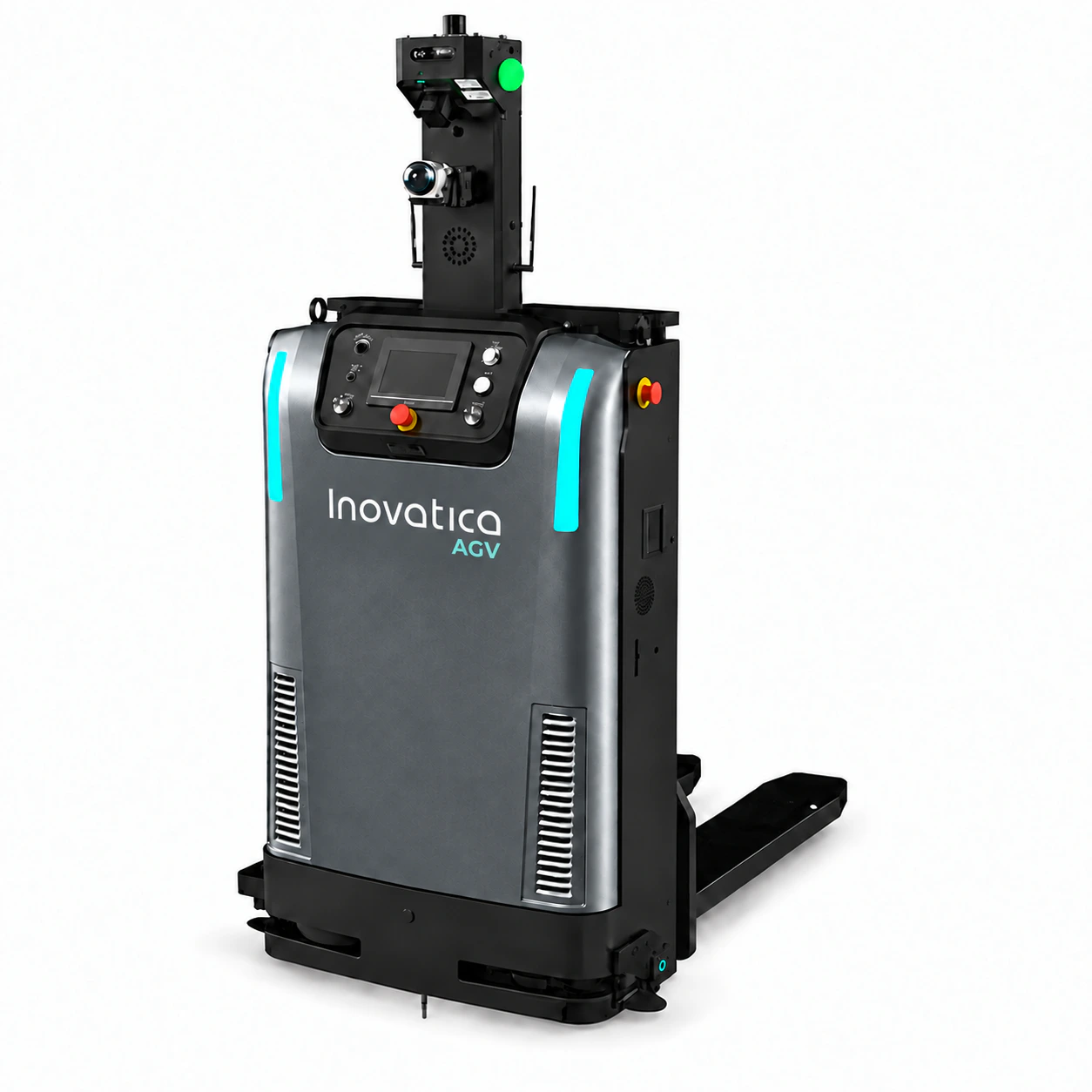
Pallet handling AGV
Multidirectional transport and storage in limited space.
Rated load capacity: 1000 kg
Explore the model →Truck selection starts with the workstation it will serve. Placement height, manoeuvring space and pallet design all matter.
Collecting loads from defined transfer points.
Moving materials between workstations and buffer areas.
Retrieving and placing pallets at heights supported by the selected truck configuration.
Rack height, aisle width, pallet type and load weight help determine the right design.
This site uses cookies for core functionality and basic analytics. By clicking "Got it", you accept their use.
Privacy policy