
Skip to content
About

We design and deploy AGV / AMR systems for manufacturing and warehouses

Meet Inovatica AGV

See how we connect technology with real deployment

Inovatica AGV develops and deploys autonomous internal transport systems for companies that want to organize logistics between production, warehouse and buffer zones without adding more manual operations.

Our role starts with understanding the process, but it does not end with a recommendation. We move through solution concept, vehicle selection, integration with plant systems, go-live and further fleet optimization.

In practice, this means one partner who understands both the technology layer and the constraints of the hall, warehouse, traffic organization and the KPIs the project should actually improve.

We connect technology with deployment

We do not act only as an equipment supplier. We combine vehicle selection, system logic, IT integration and process preparation for a real go-live.

We build solutions for industry and logistics

We work with manufacturing plants, warehouses and internal operations where stable flow, safety and repeatable execution matter.

We deploy in stages and responsibly

We start with a process that can be measured, launched and defended operationally, then expand the system into further areas.

See what Inovatica AGV does and how our solutions work in real operations.
What we do in practice

We focus on the processes where automation creates a real operating effect

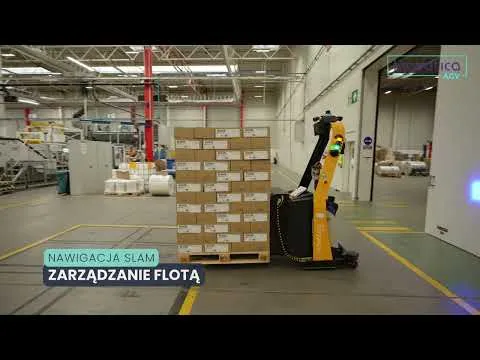
Transport between warehouse and production

We design AGV and AMR for repetitive material flow that today creates cost, delays or dependence on manual coordination.

Line supply and end-of-line handling

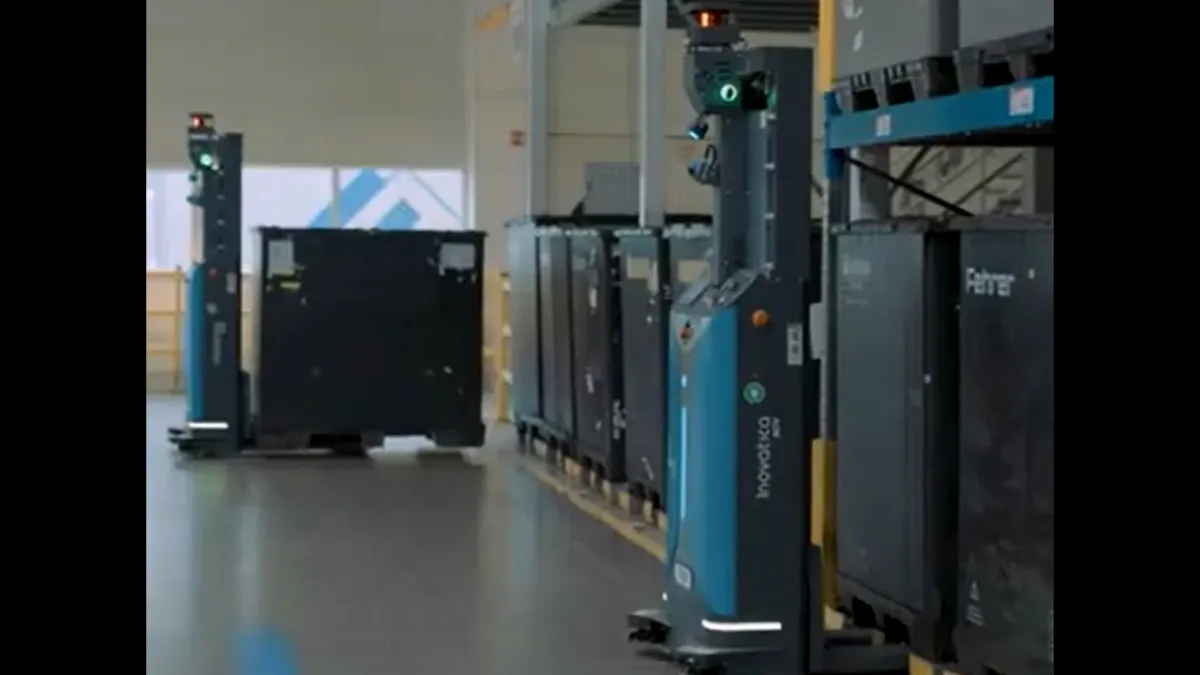
We automate component delivery, finished-goods pickup and buffer operations so production gets more stable logistics support.

Warehouse automation

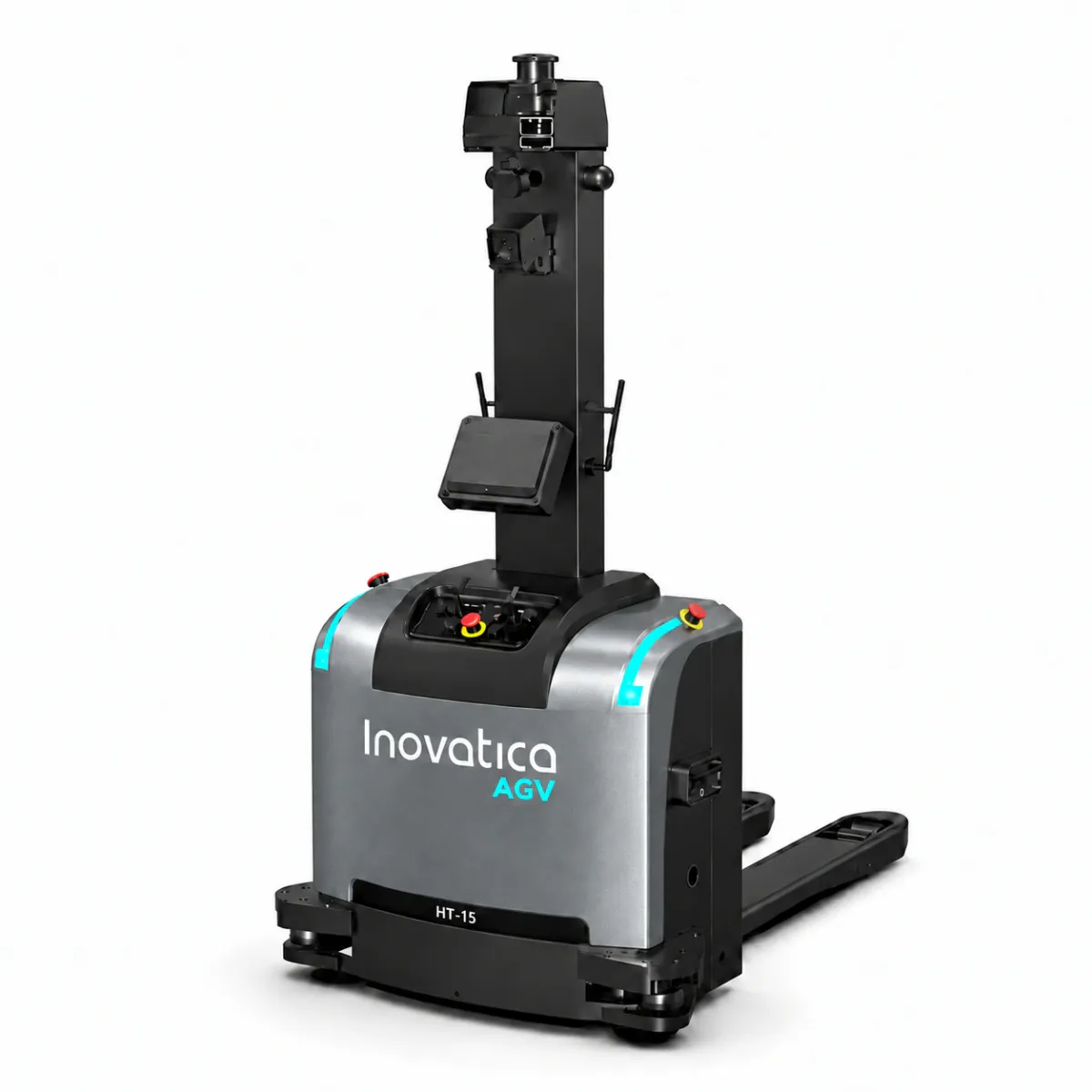
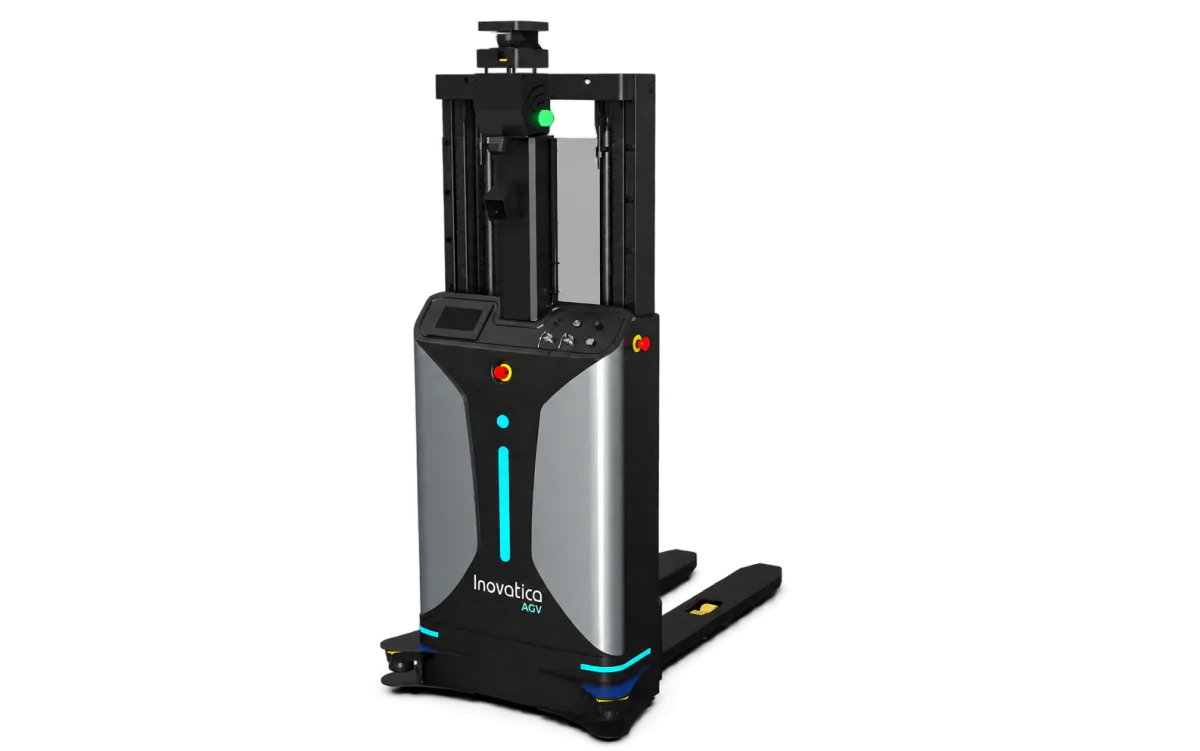
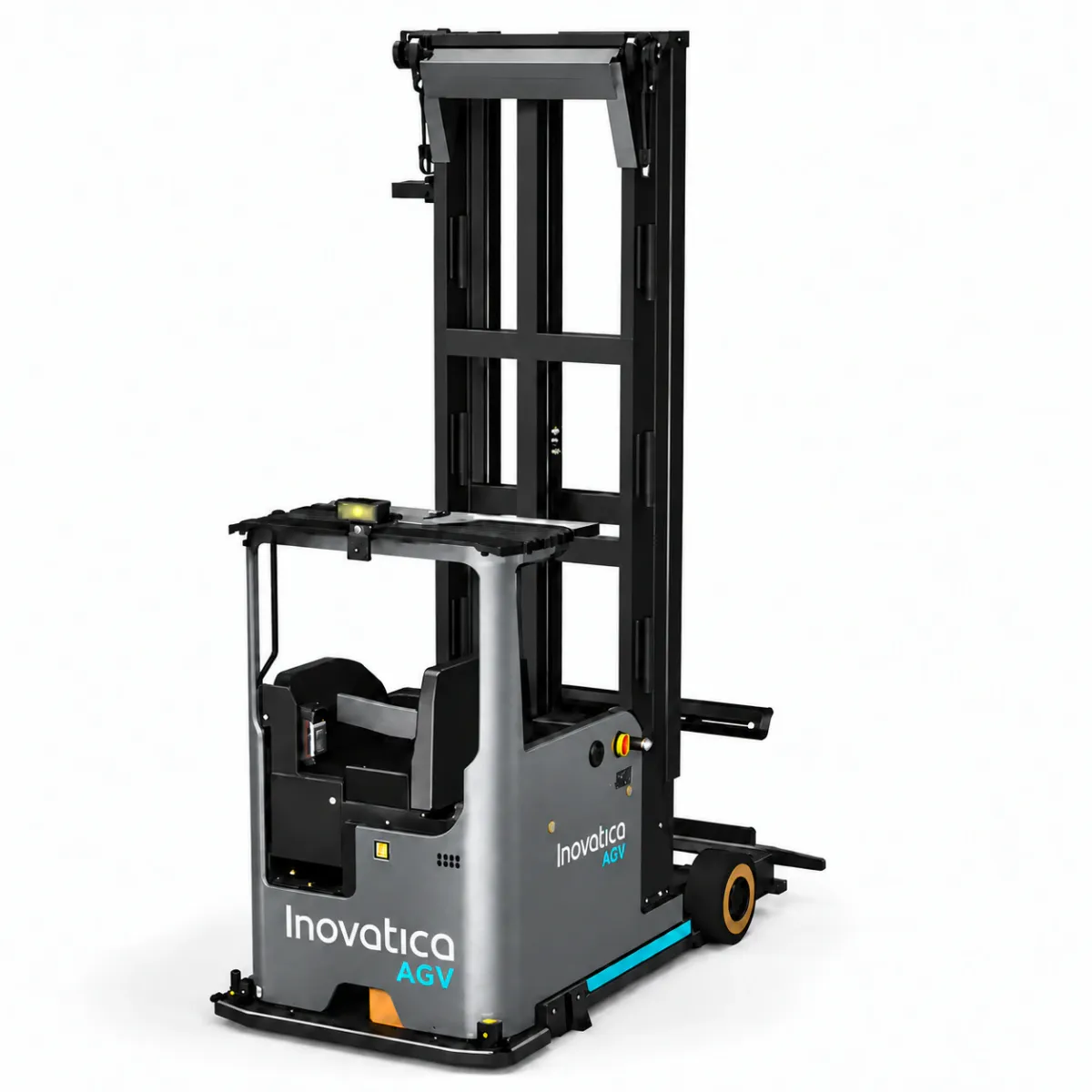
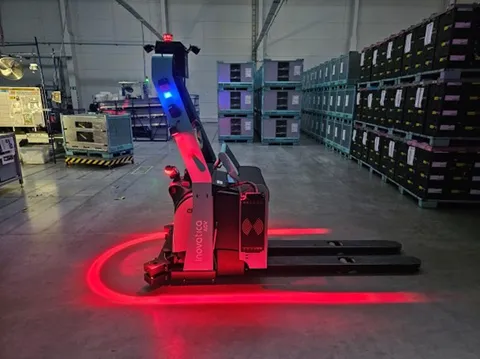
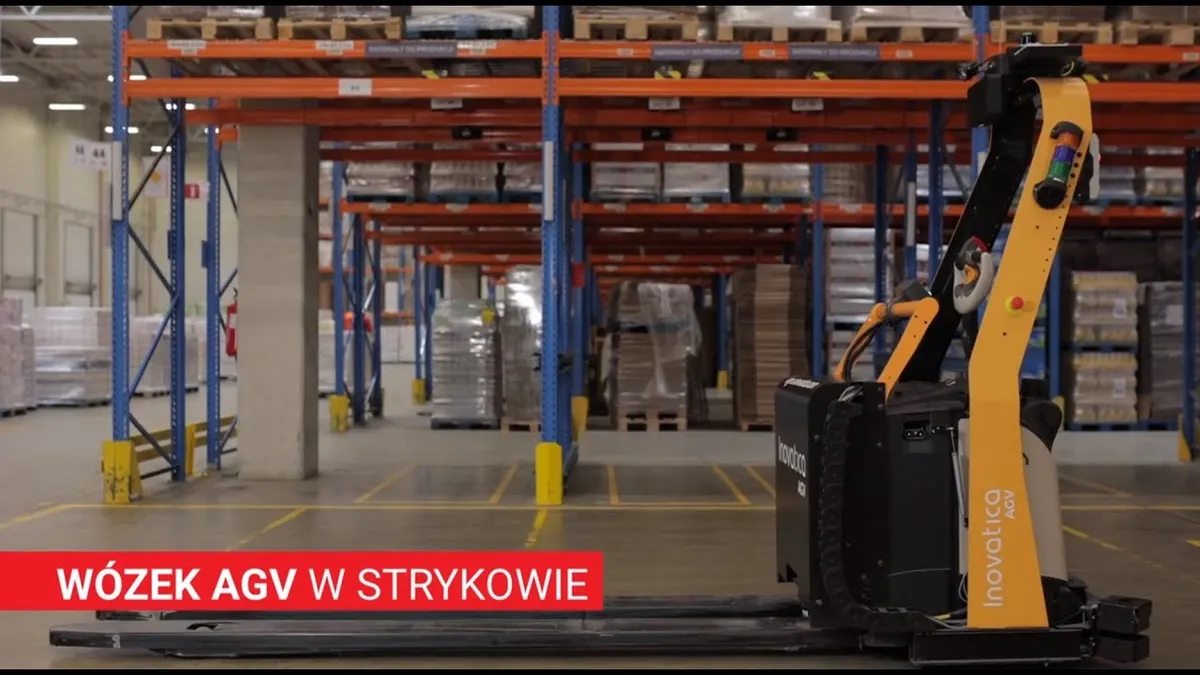
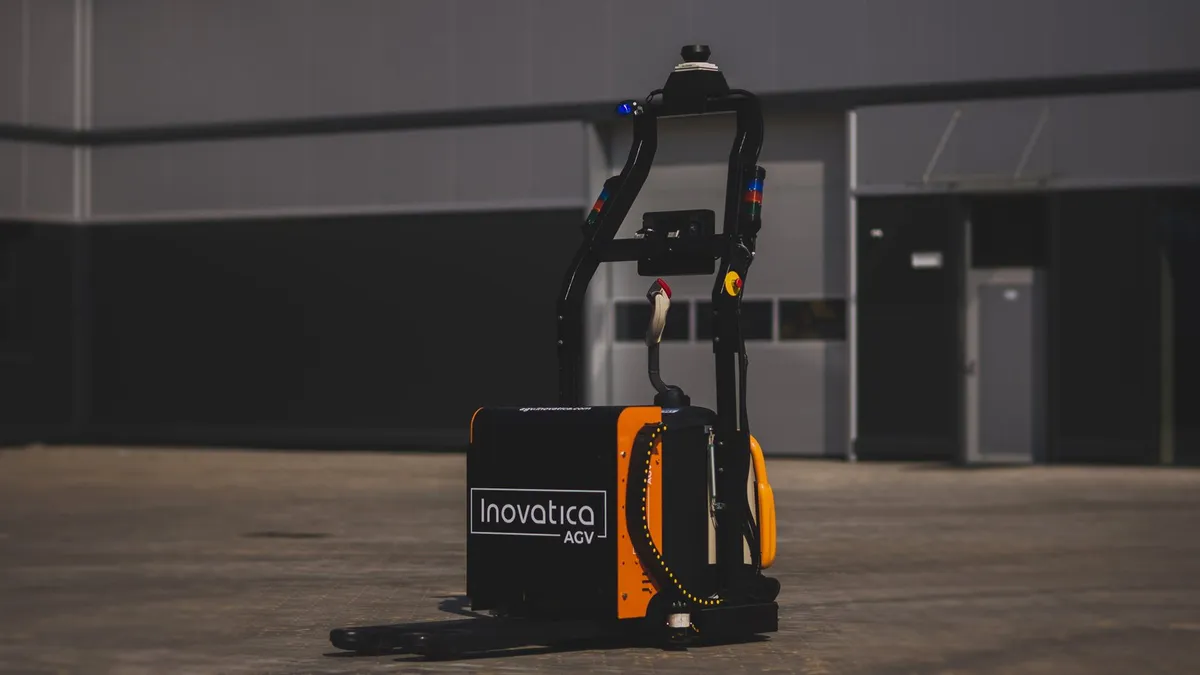
We deploy autonomous forklifts for pallet transport, storage tasks and operations that need predictable behaviour in mixed traffic.

Integration with plant logic

We connect AGV / AMR systems with WMS, MES and ERP so internal transport is driven by process data rather than ad hoc decisions.

How we work

The process should stay clear, short and operationally defendable

Step 01

Process analysis

We start with material flow, site constraints and the points where automation can really remove cost or risk.

Step 02

Solution selection

We choose the AGV / AMR type, working model and first rollout scope around a real use case, not a product catalogue.

Step 03

Integration

We connect vehicles, fleet software and plant IT so tasks stay aligned with the real operating process.

Step 04

Go-live

We launch the system in a real plant or warehouse environment, including safety, exceptions and human interaction.

Step 05

Optimization

After go-live we stabilize KPIs, expand the scope and prepare further stages without forcing unnecessary disruption.

Our approach

What makes the difference starts with how the project is run

We do not sell robots. We deploy a process.

The starting point is not the vehicle itself, but how internal transport should work after deployment and what operating effect it should deliver.

We work in stages to reduce risk.

Instead of promising a revolution on day one, we build a first scope that can be launched, measured and expanded calmly.

ROI is part of the project, not an afterthought.

We assess trip volume, shift rhythm, labour cost and flow impact to see where automation really makes business sense.

We design for the real operating environment.

We account for mixed traffic, floor quality, drop-off points, process exceptions and daily operator behaviour rather than demo conditions.

Experience

We build competence step by step, just like we later scale deployments

2017

Foundations

Development of localization and mapping systems that became the base for our mobile robotics work.

2019

AGV focus

Dedicated development of AGV / AMR competence and autonomous internal transport systems.

2022

Commercial deployments

Launch of real manufacturing and warehouse projects with emphasis on safety, integration and staged scaling.

Real deployments

We refer to projects that were actually launched in manufacturing and logistics

Instead of generic examples we show environments that really went through analysis, integration, commissioning and live operation with our AGV system.

Technology and AI

Technology should support the rollout, not dominate the process

We build strong technical competence, but use it pragmatically. AI and added perception layers should improve recognition and stabilize operation, not turn the project into an experiment detached from the needs of the site.

AI as process support

We use AI where it really improves reliability: pallet recognition, selected object detection and better perception of the environment.

Flexible architecture

Technology should help adapt the rollout to the site instead of forcing the process into a rigid template.

Data and fleet control

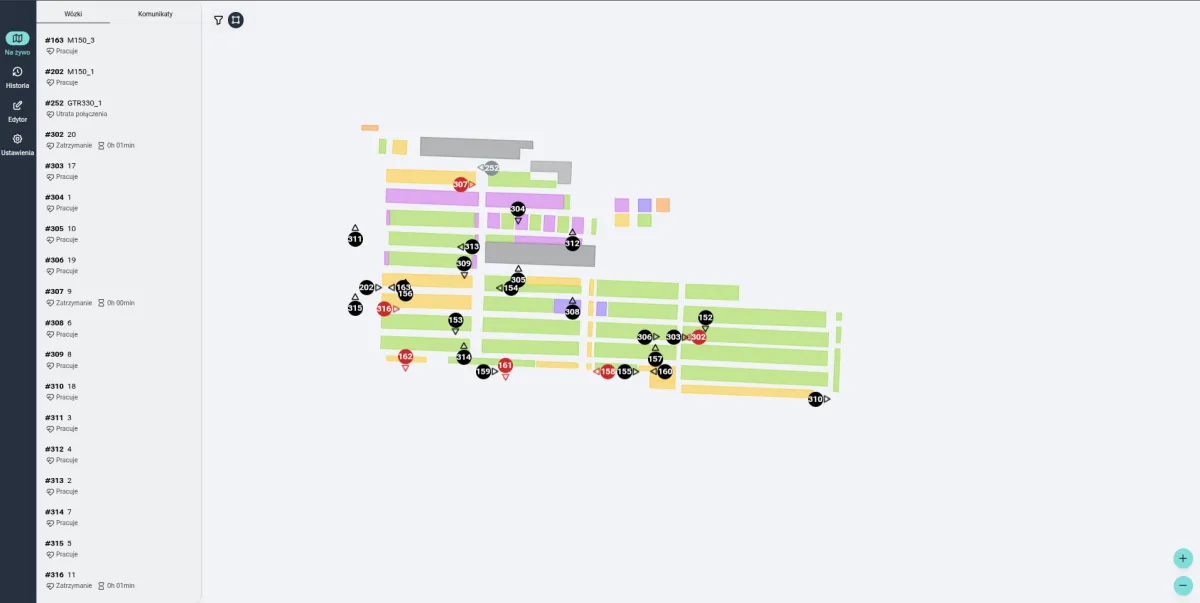
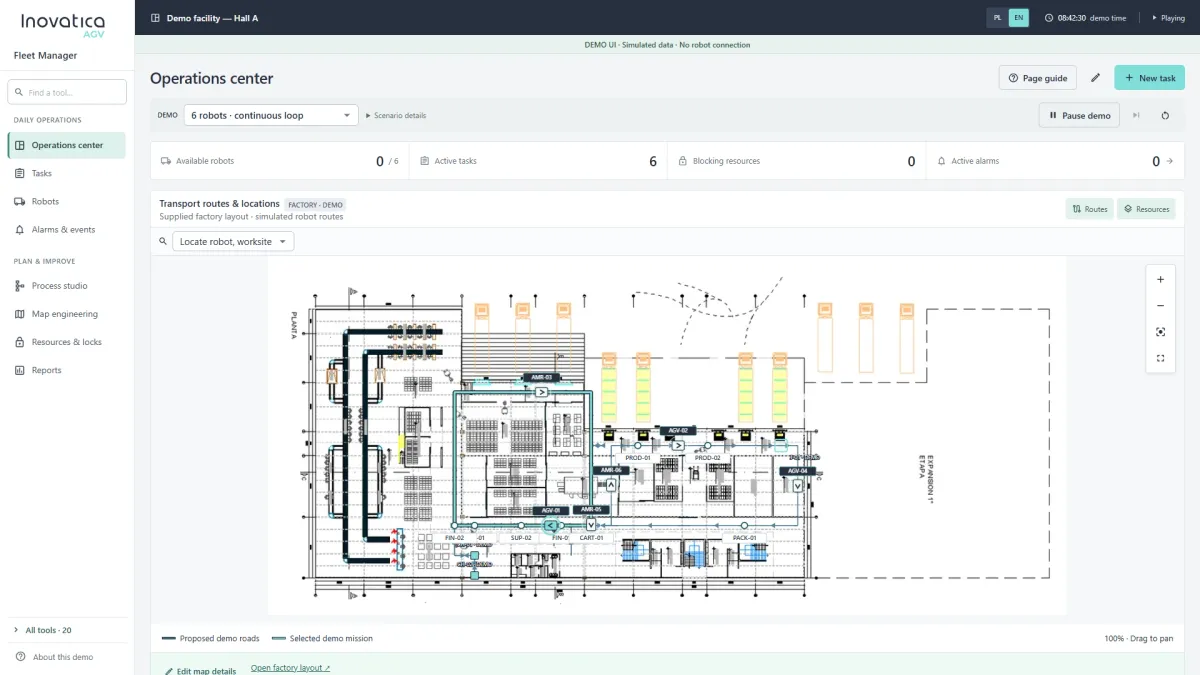
Traffic control, task logic and operating data matter because they decide whether the whole system stays stable.

Safety and standards

We design safety for real work scenarios with people in the same space

In warehouse and manufacturing automation, safety does not end with vehicle configuration. What matters is how AGV / AMR behave at crossings, buffers, near operators and in points where the process becomes less predictable.

ISO 3691-4

We design deployments according to the requirements for driverless industrial trucks and assess risk against real operating scenarios.

CE and documentation

We include CE marking requirements, technical documentation and safe use rules from the beginning of the project.

People and robots in one space

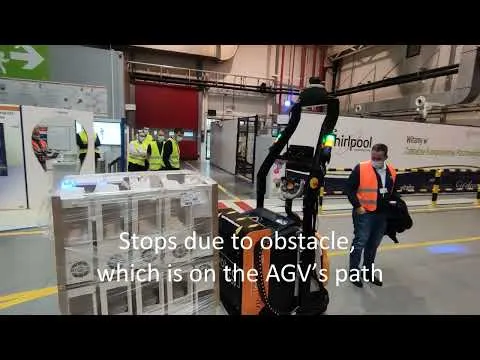
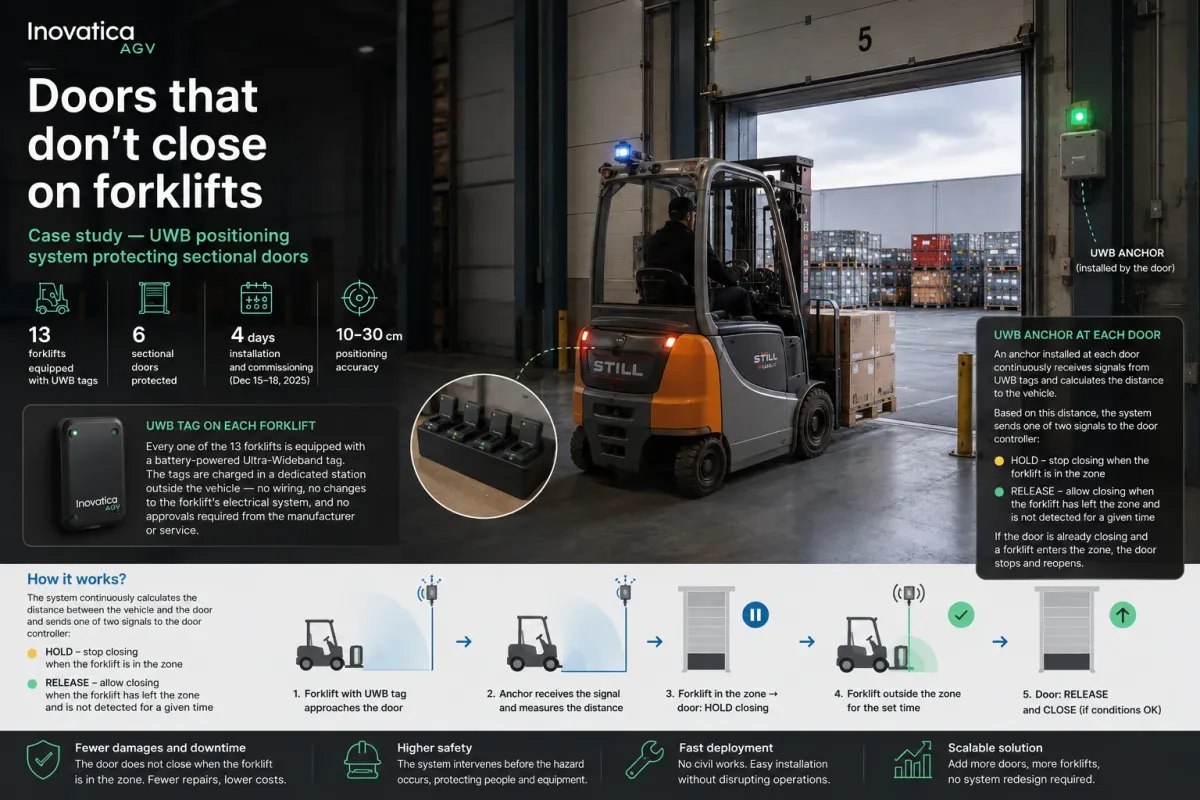
We treat safety practically: crossings, drop-off points, operator behaviour and mixed-traffic conditions are part of the design.

Support and long-term cooperation

We treat deployment as the start of cooperation, not the handover moment

Post-launch support

We do not stop at go-live. We stabilize the system, resolve exceptions and adjust logic based on operating data.

Service and development

We provide technical support and further stages whenever the process is ready for the next scope of automation.

Long-term partnership

For the client this means lower organizational risk: one partner who knows the deployment, its limits and its business goals.

Company history

How it started

Before we started deploying autonomous forklifts in manufacturing and warehouse environments, we were building competence in localization, mapping and environmental perception. That work became the foundation for our mobile robotics projects and later AGV / AMR deployments.

Next came the shift from core technology to real industrial rollouts: first dedicated AGV competence building, then projects for plants and logistics operations where safety, integration and process predictability matter most.

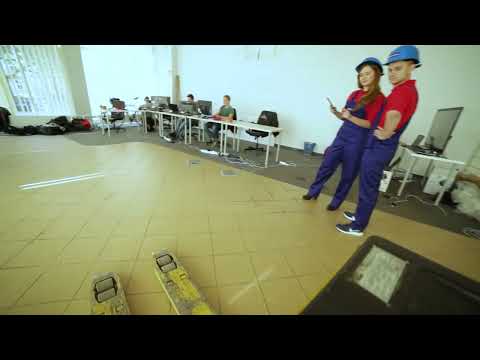
If you want to better understand how the company evolved and where our approach to automation comes from, you can learn more from the video.

2017

Foundations

2019

AGV focus

2022

Commercial deployments

Watch the video on YouTube
History of Inovatica AGV and development of AGV / AMR solutions

A short video about how we started and how we built the competence we use today in AGV / AMR deployments.

Next step

Do you want to check whether this rollout model fits your process?

We can review internal transport, site constraints and the first stage most likely to deliver a business effect quickly without unnecessary project risk.