
Context and objective
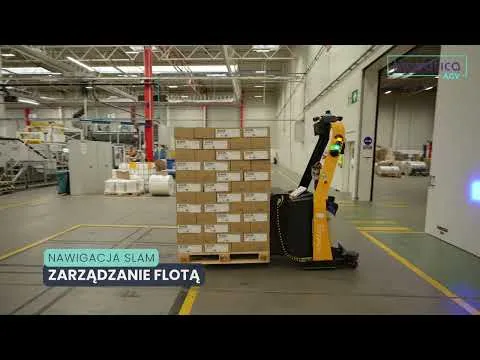
Whirlpool Company Polska deployed AGV vehicles to organize material flow between production and warehouse areas in one of the most modern appliance plants in the region. The aim was to support efficiency, safety and long-term readiness for wider automation.
The plant needed a transport model that could operate in a dynamic environment with intensive pedestrian traffic and clearly defined production needs. The target process included horizontal transport of pallets and pallet boxes.
The 2023 deployment description presented the Łódź plant in its historical context: it opened in 2018, produced tumble dryers mainly for Italy, Germany, Austria, Switzerland and the Benelux countries, employed around 500 people and manufactured more than 1,000,000 appliances annually. It was described as one of the most modern plants in the EMEA region.
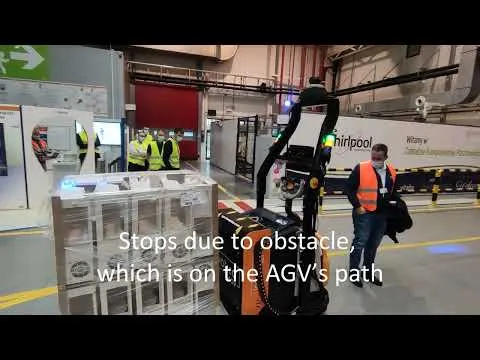
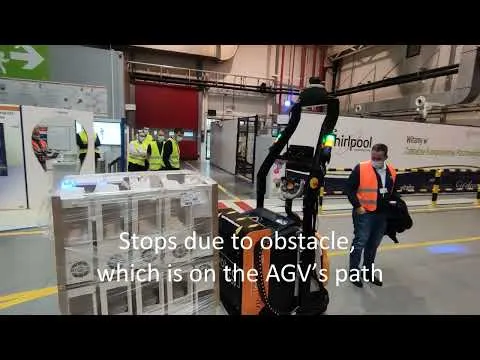
The management team required high throughput as well as safety and efficiency. Intense pedestrian traffic crossing the planned vehicle routes was a particular challenge.
Solution and scope
The project matched AGV work with the selected transport routes, operator interaction points and warehouse organization rules. The rollout also included testing, staff training and a pilot stage used to confirm safe daily operation.
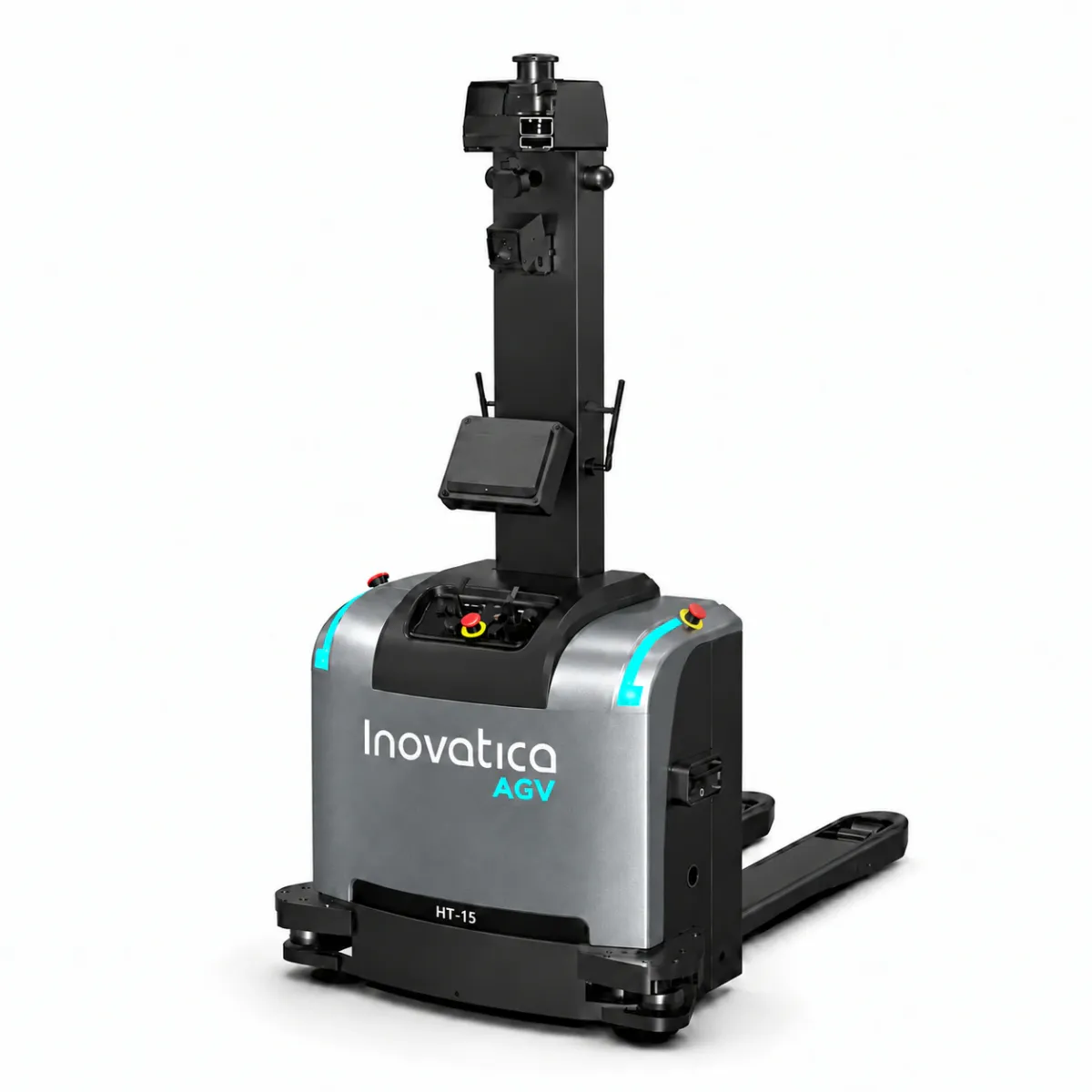
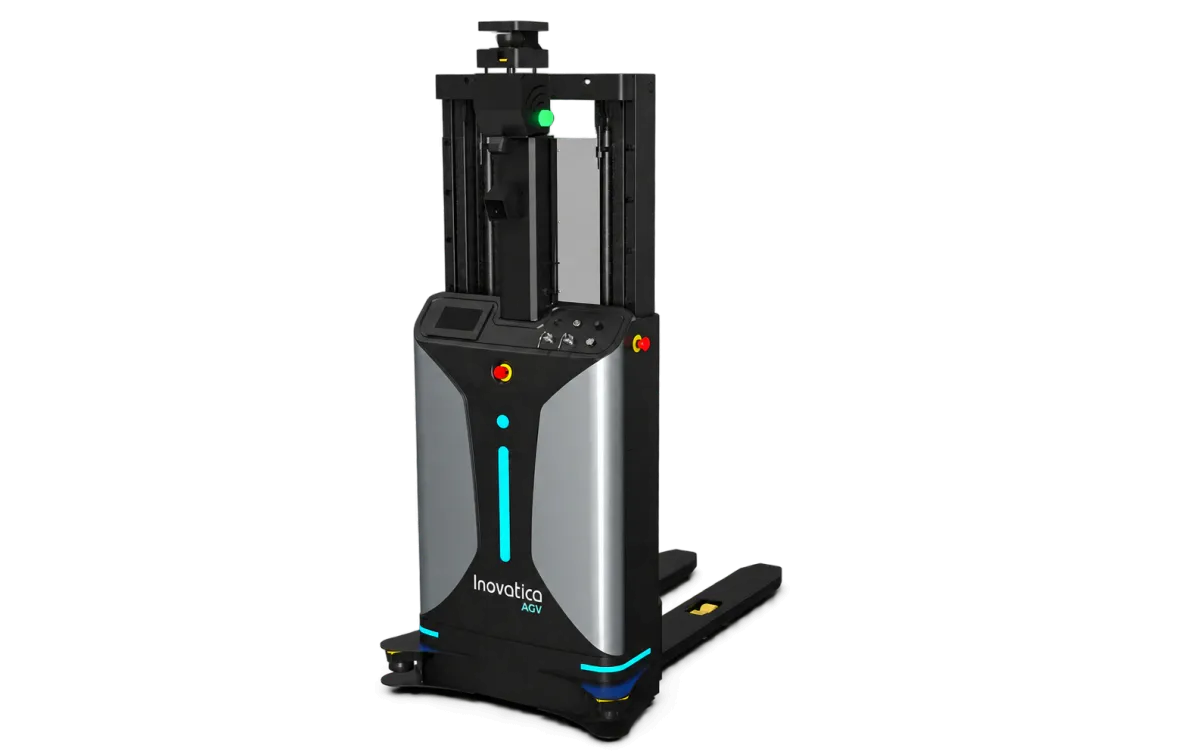
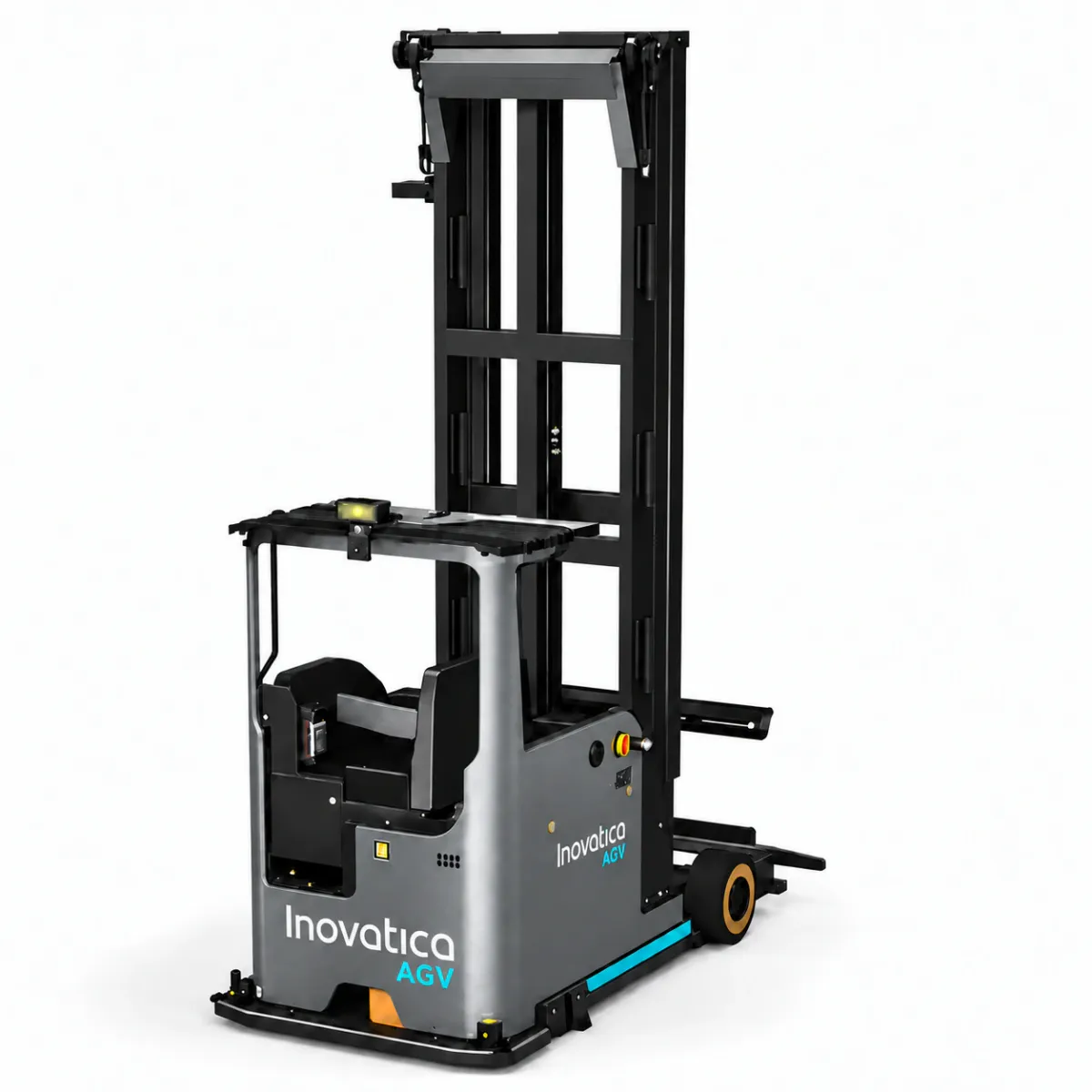
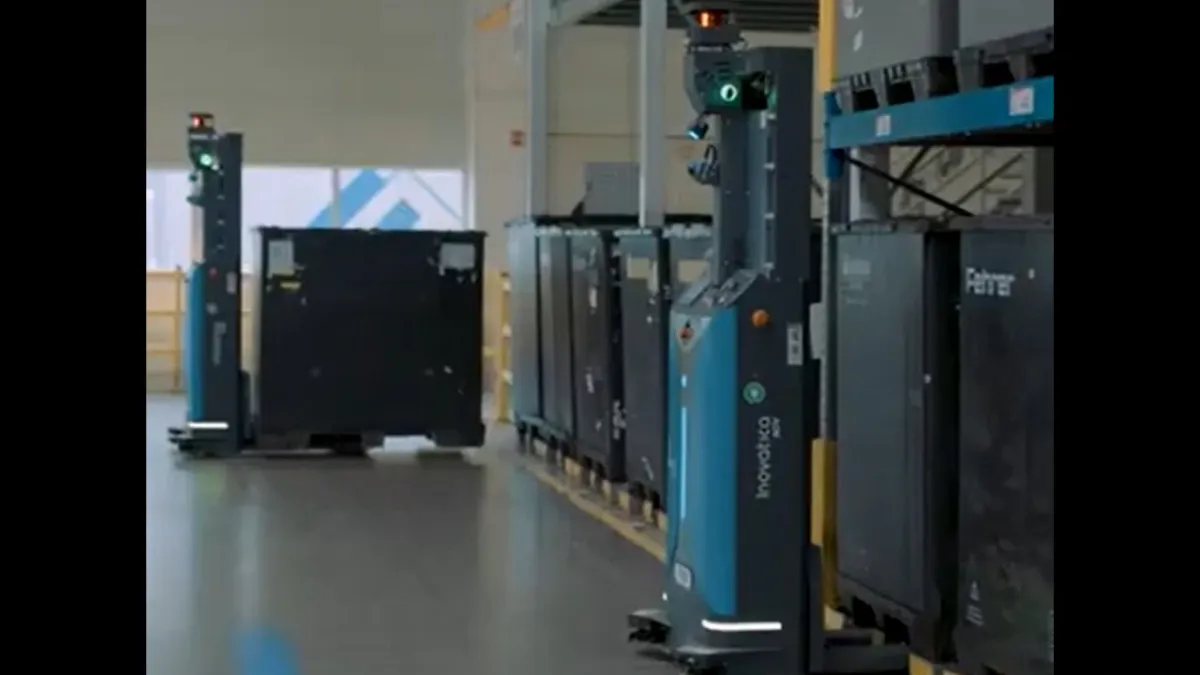
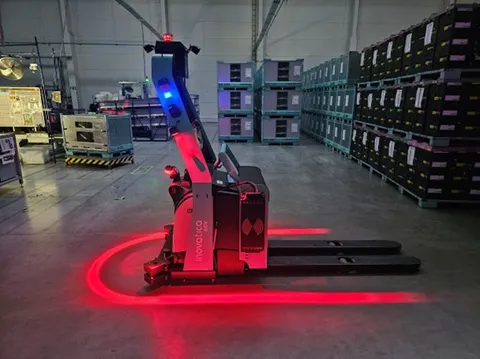
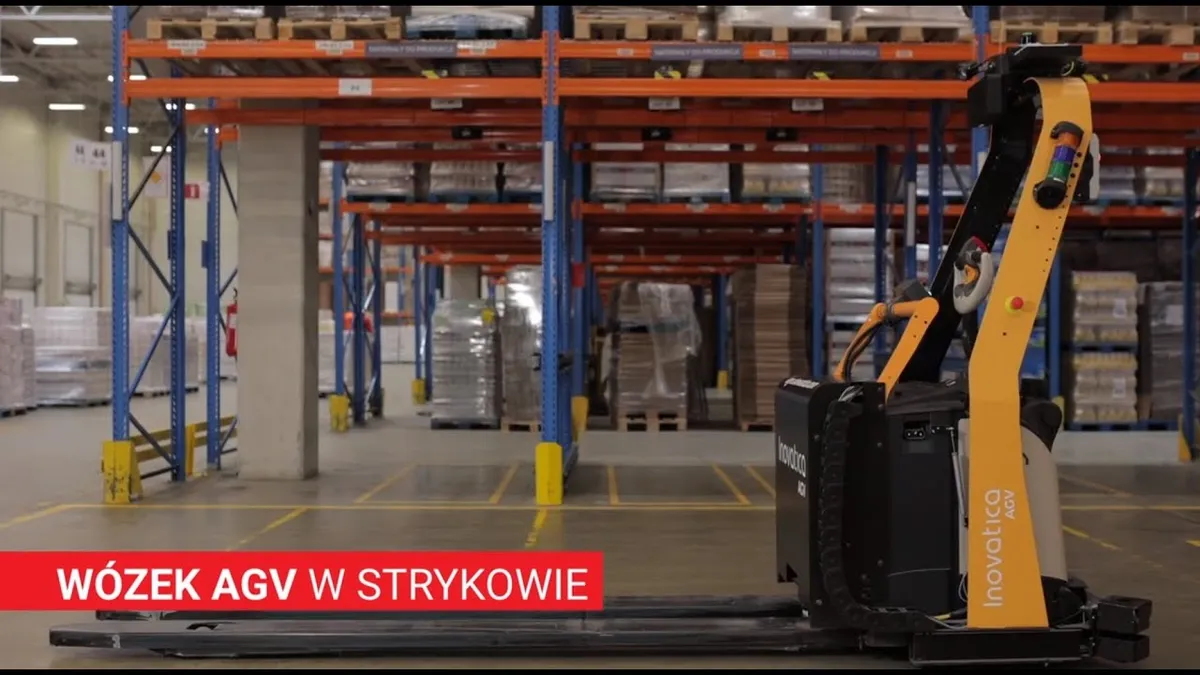
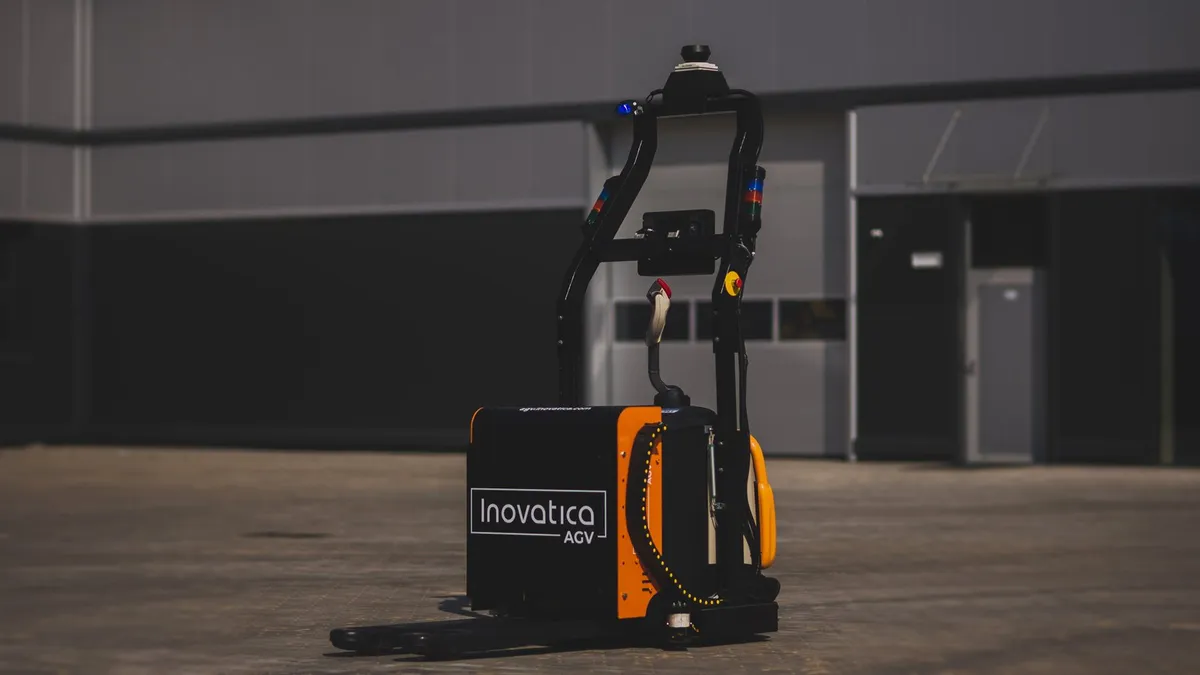
Inovatica AGV proposed autonomous forklifts to automate the delivery of component pallets to the internal warehouse. After reviewing the approach, Whirlpool selected Inovatica AGV as the supplier of vehicles adapted to the warehouse’s specific requirements.
Both companies’ location in Łódź supported collaboration, project coordination and rapid responses during the successive deployment stages.
Deployment
The work followed five stages: joint analysis and planning; infrastructure integration; programming and testing; staff training; and a pilot. Analysis covered the production and warehouse areas selected for automation, logistics positions, routes and motion parameters.
The infrastructure stage included purpose-designed push-button panels, supporting sensors, warehouse adaptations and route markings. Programming and testing addressed task execution, obstacle response and safety, with the algorithms adjusted to site conditions. Production personnel, process operators and warehouse staff were trained both in safe interaction with the vehicles and in monitoring their work. The pilot assessed throughput, safety and staff responses in the selected warehouse area.
Outcomes
Whirlpool improved transport efficiency, reduced accidental damage of moved components and created better process discipline around automated logistics. The project became an important step towards further plant optimization.
The additional traffic rules and reorganized material positions introduced in the first phase improved AGV performance and allowed the rollout to continue. Reported benefits included more efficient transport and storage, better organization of manual operators’ work, improved housekeeping in warehouse and production areas, and fewer accidental component-damage incidents.
The organizational changes also prepared the plant to make fuller use of automation. The deployment was presented as a step towards greater efficiency, safety and quality of internal processes, with a foundation for further optimization.