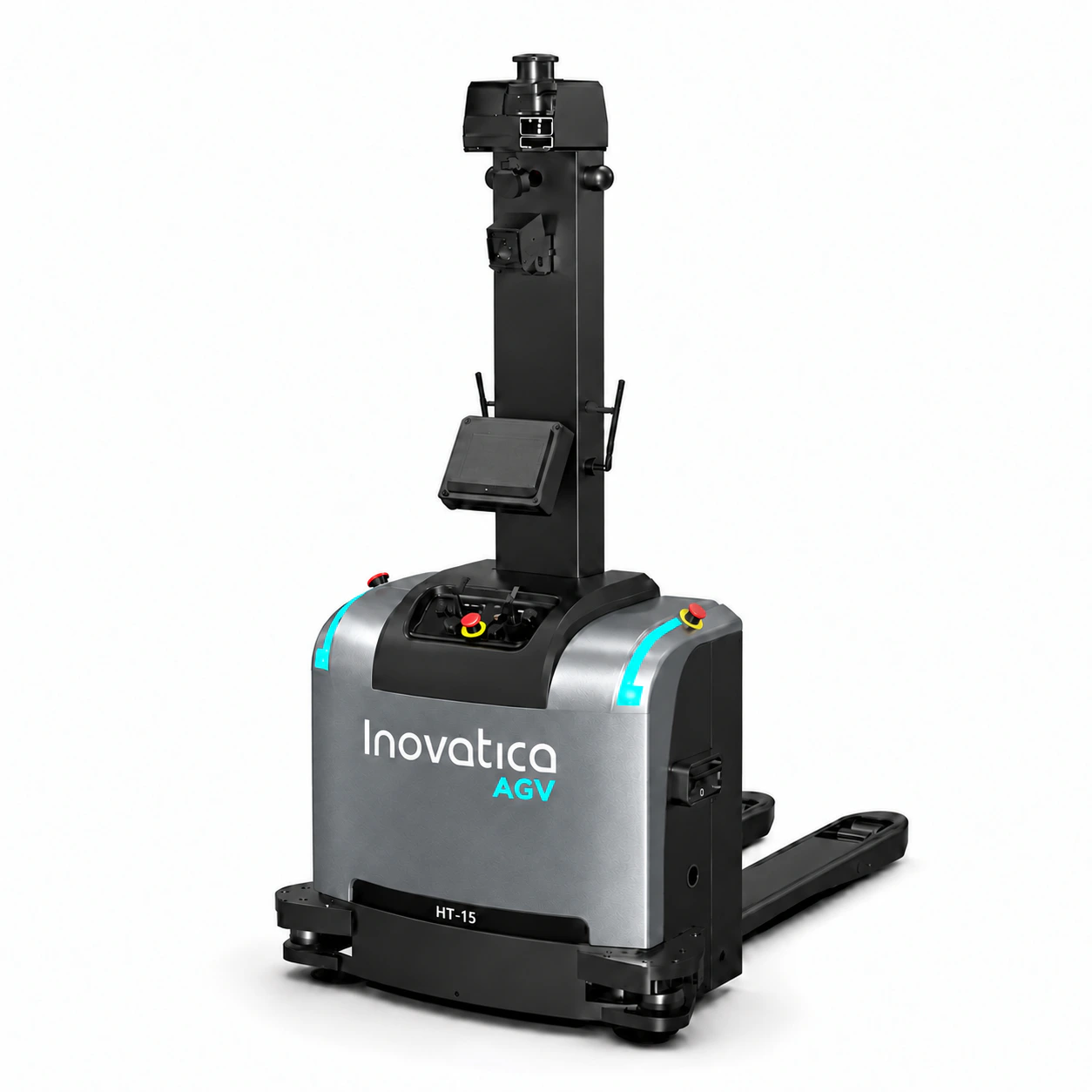
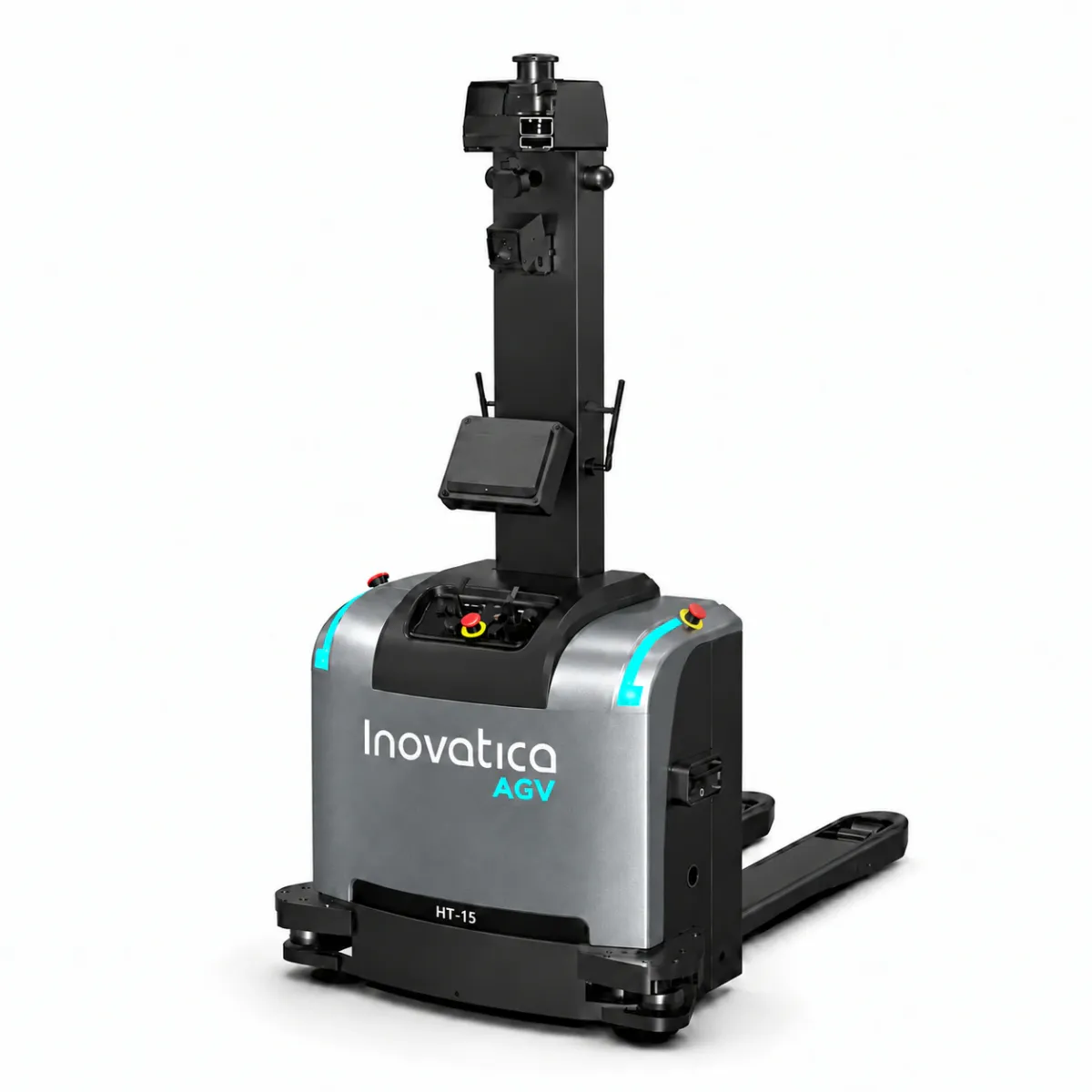
AGV pallet truck
HT-15
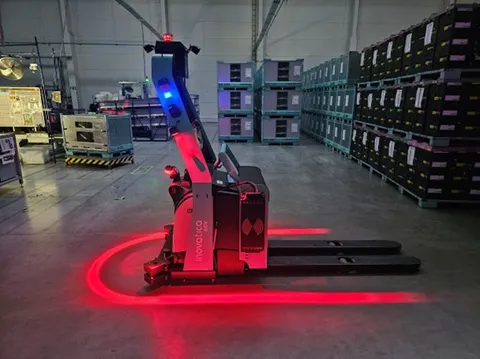
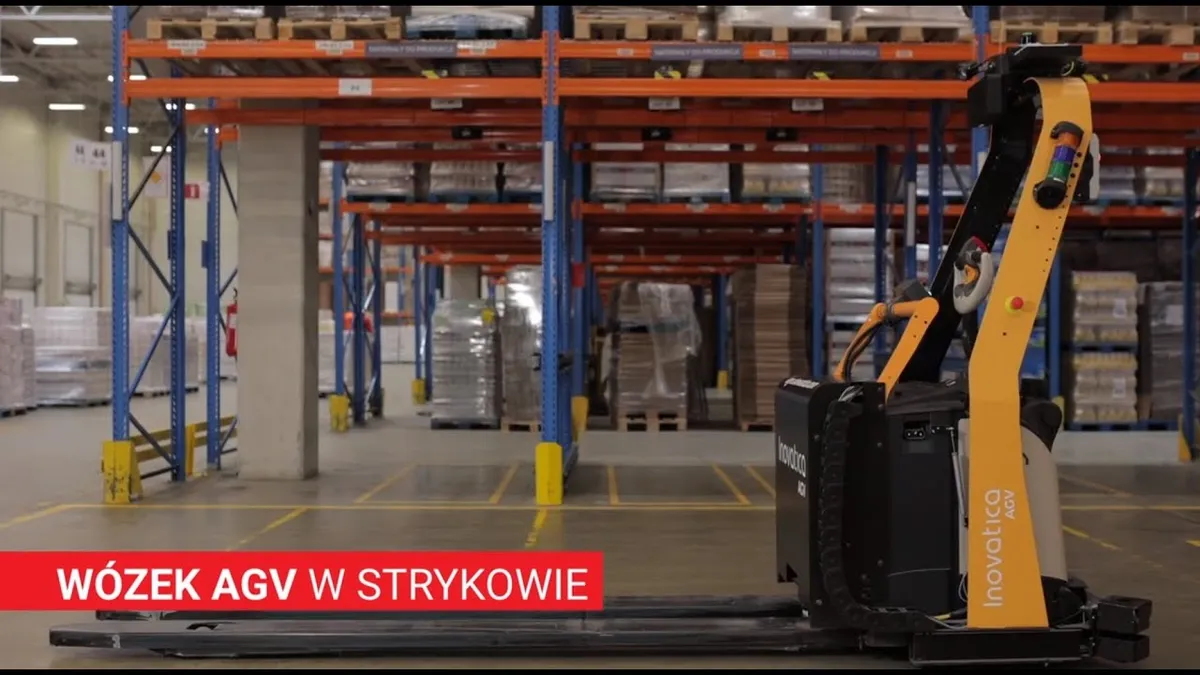
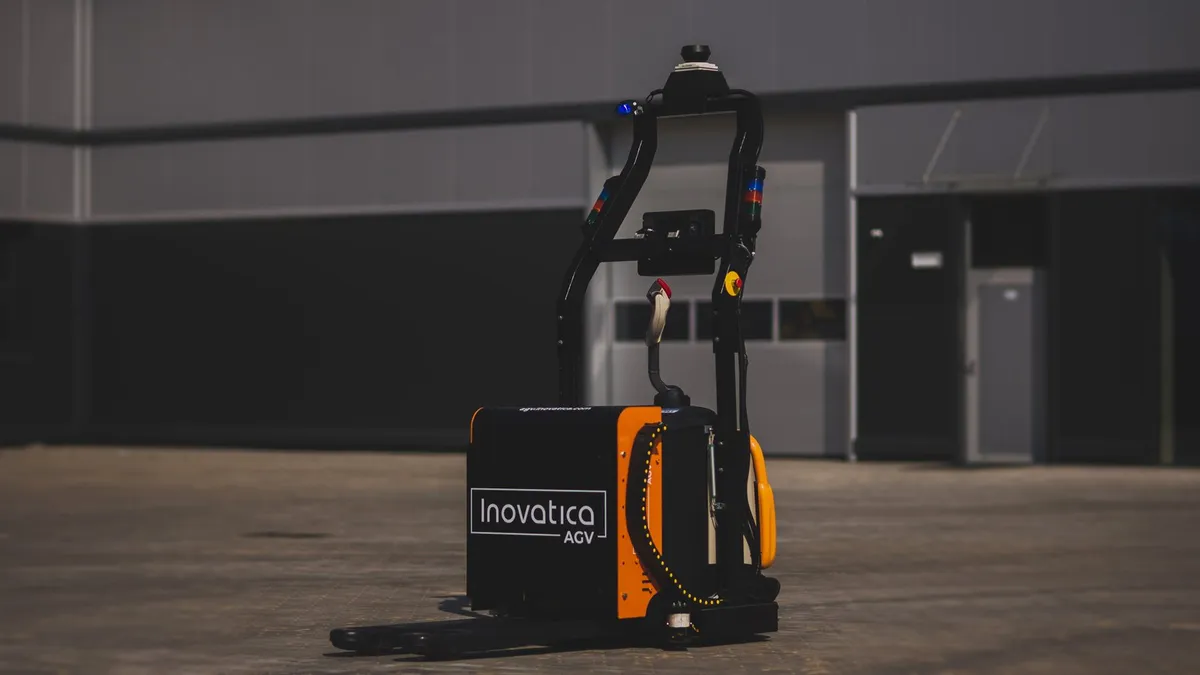
Transport of open pallets between production, buffers and the warehouse.
Maximum load capacity: 1500 kg
Explore the model →
Find the right robot for your process.
Pallets, containers and load carriers moved
between production and warehouse areas.
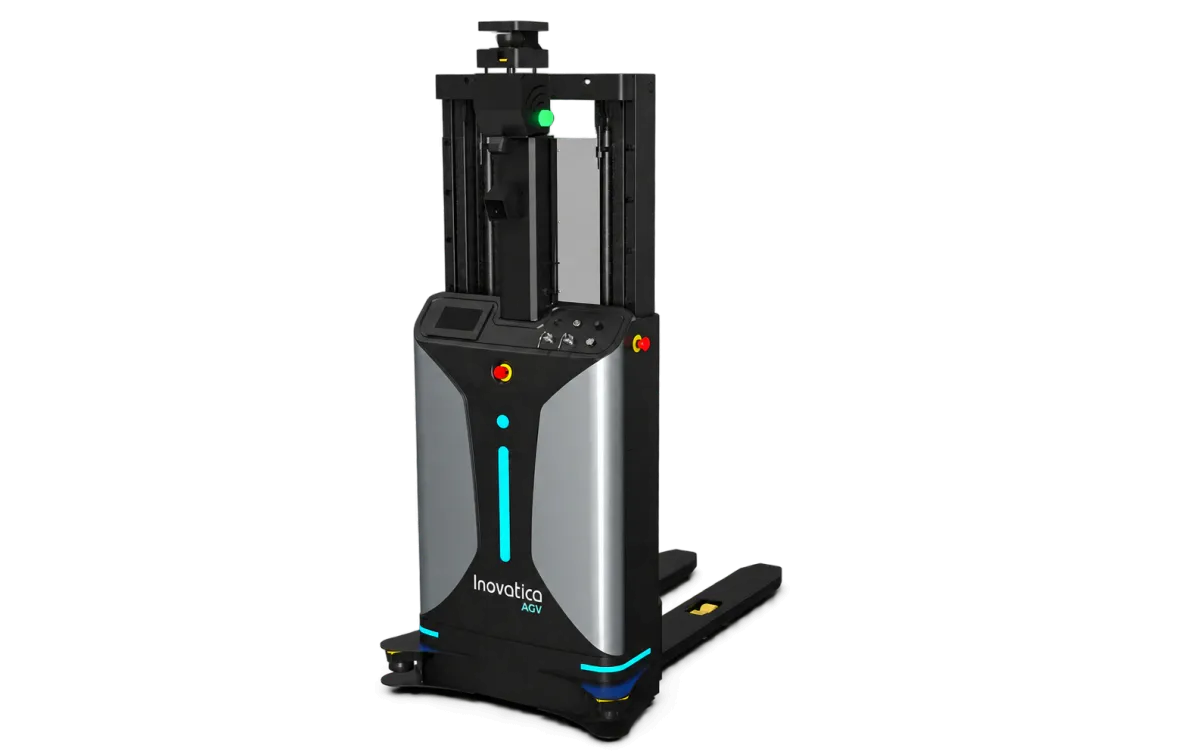
Pallet pickup and placement.
Matched to the load carrier and transfer height.
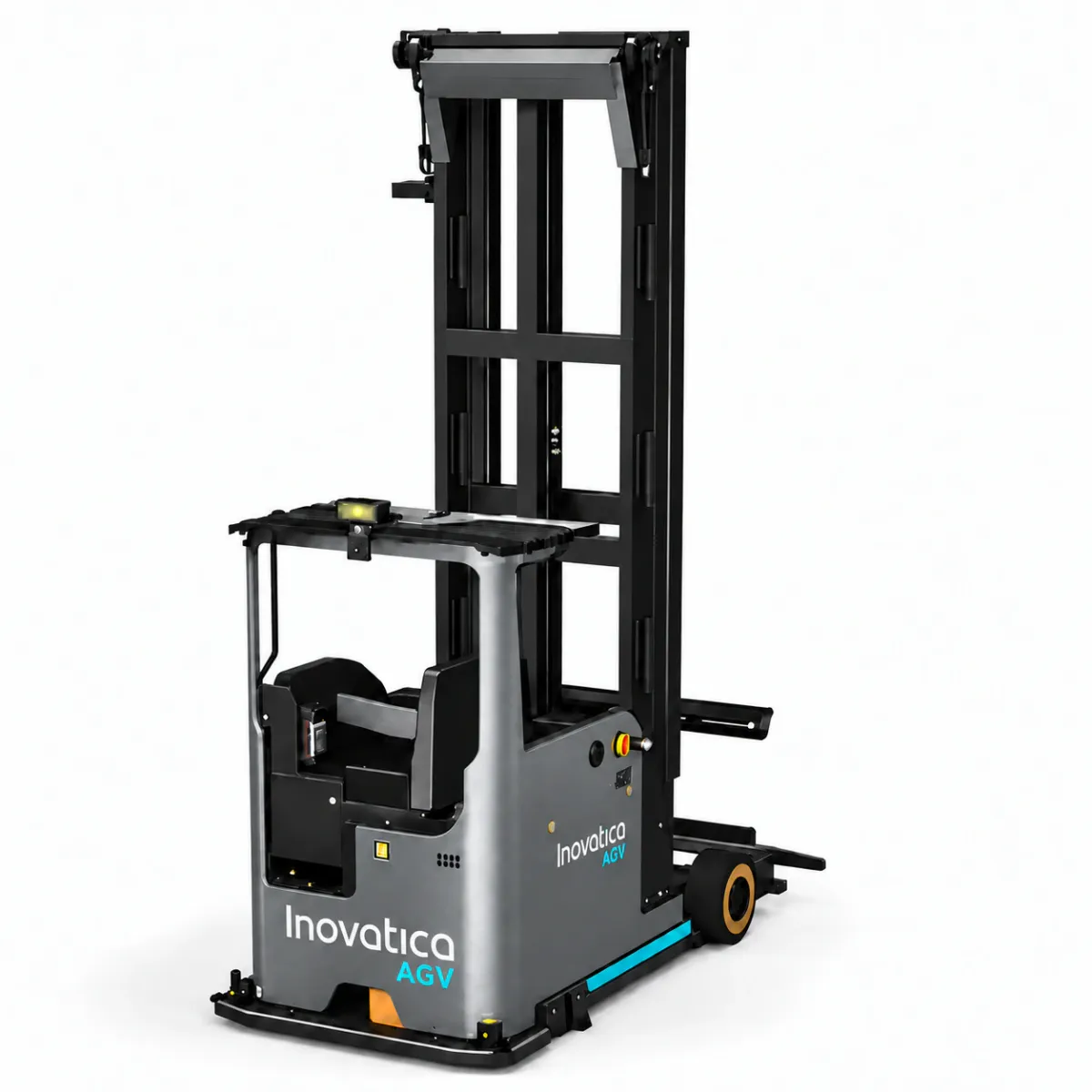
Handling higher rack levels
and warehouses with narrow aisles.
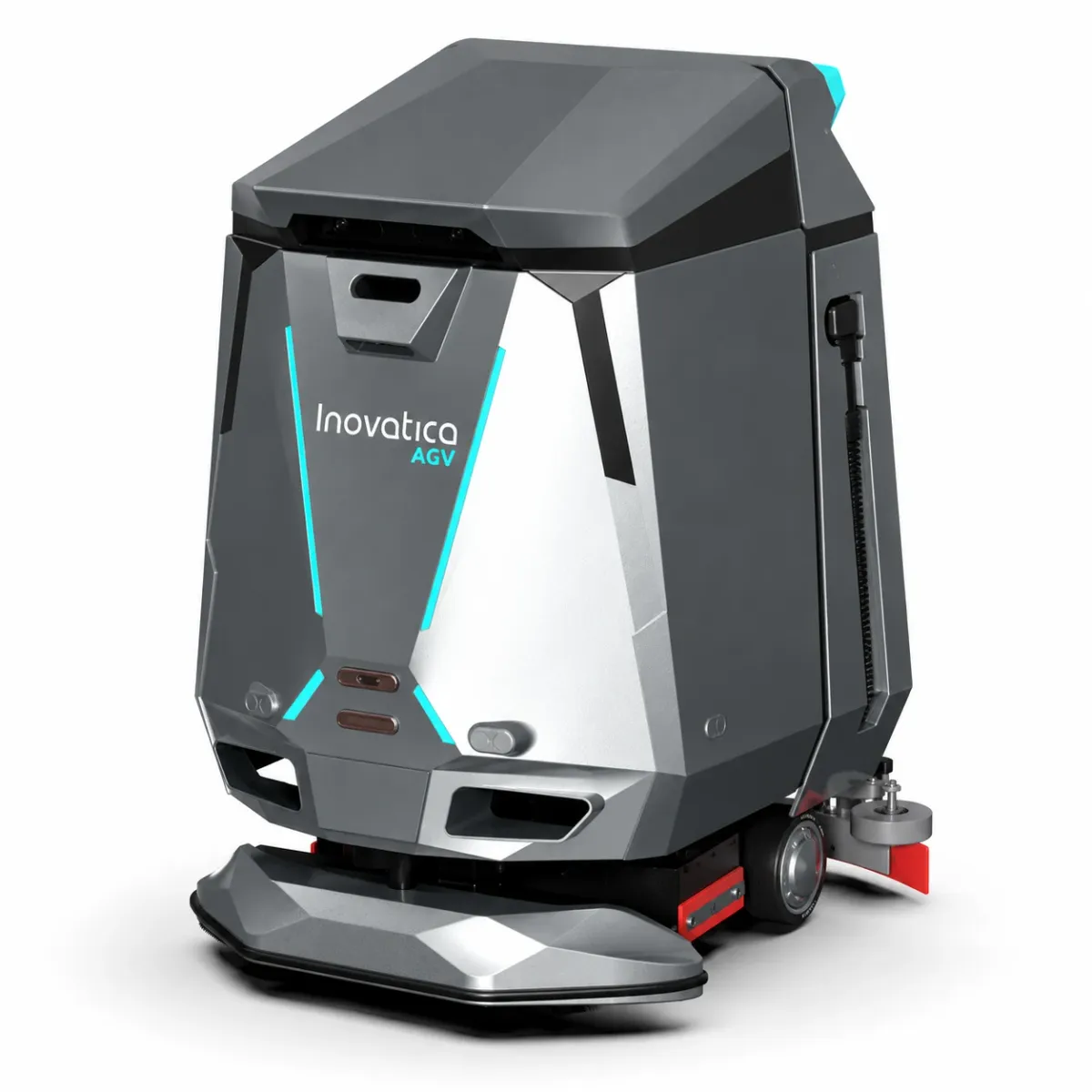
Automated floor care in warehouses and factories.
Projects across industries.
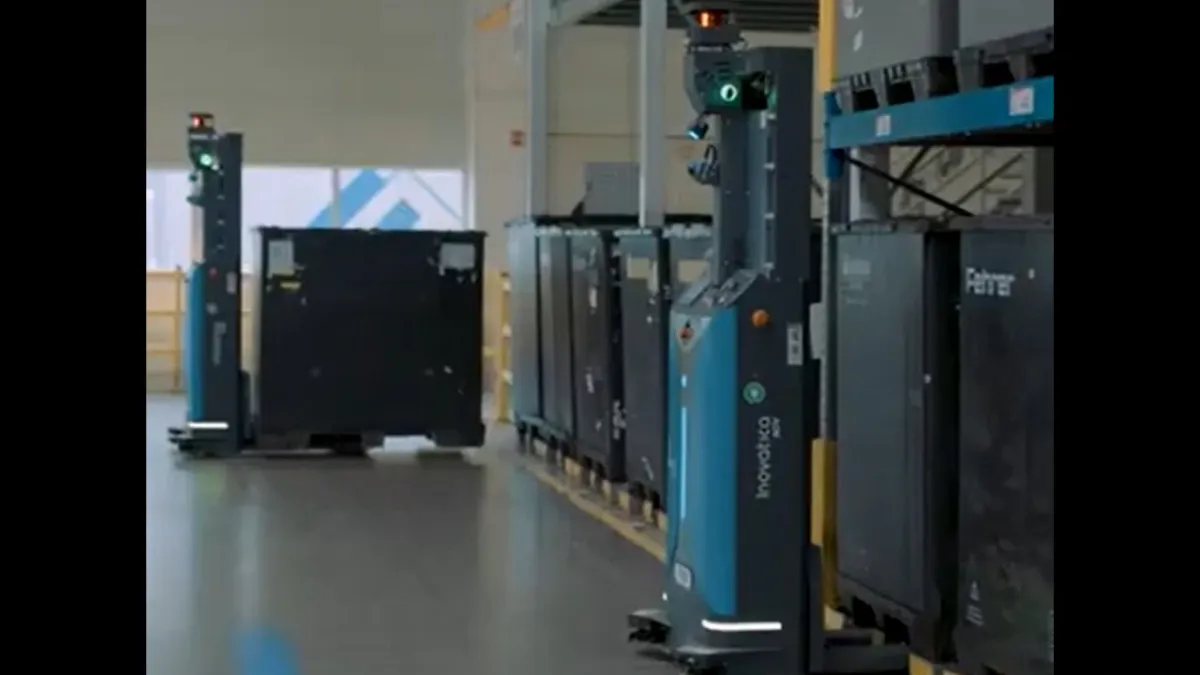
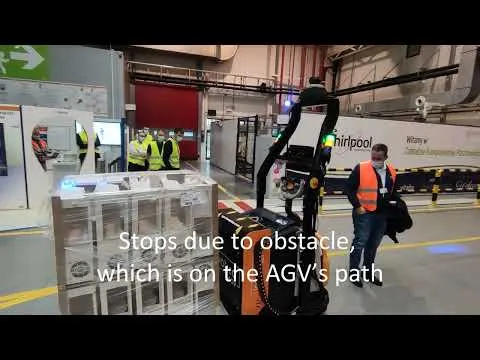
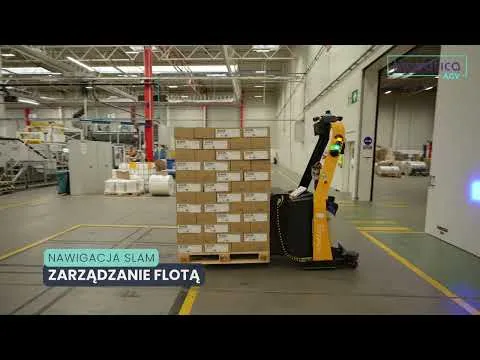
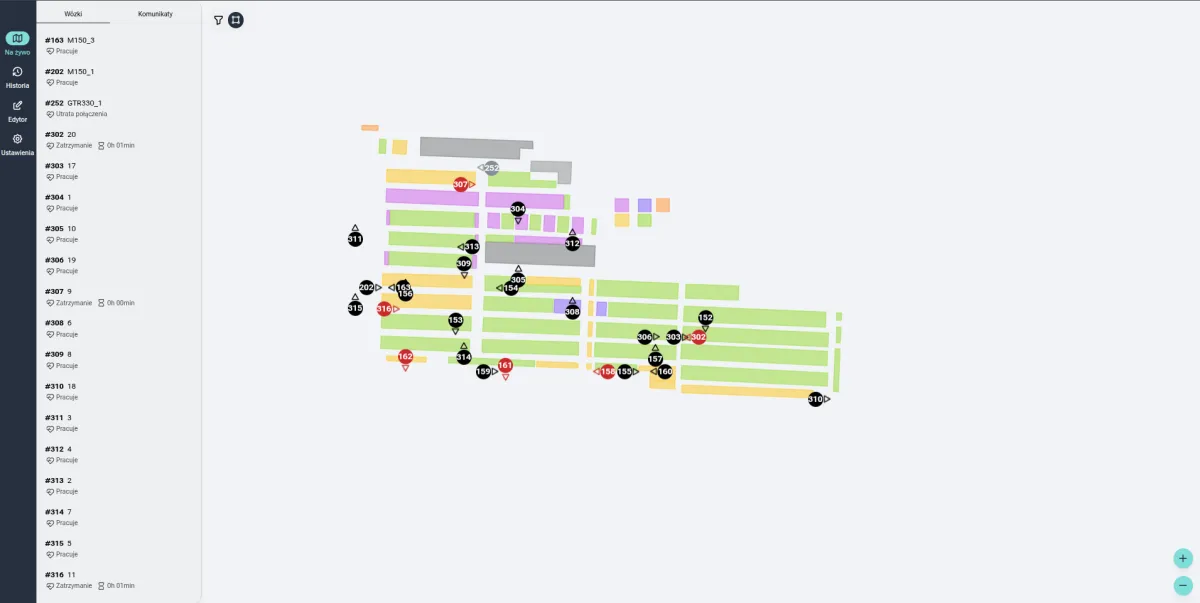
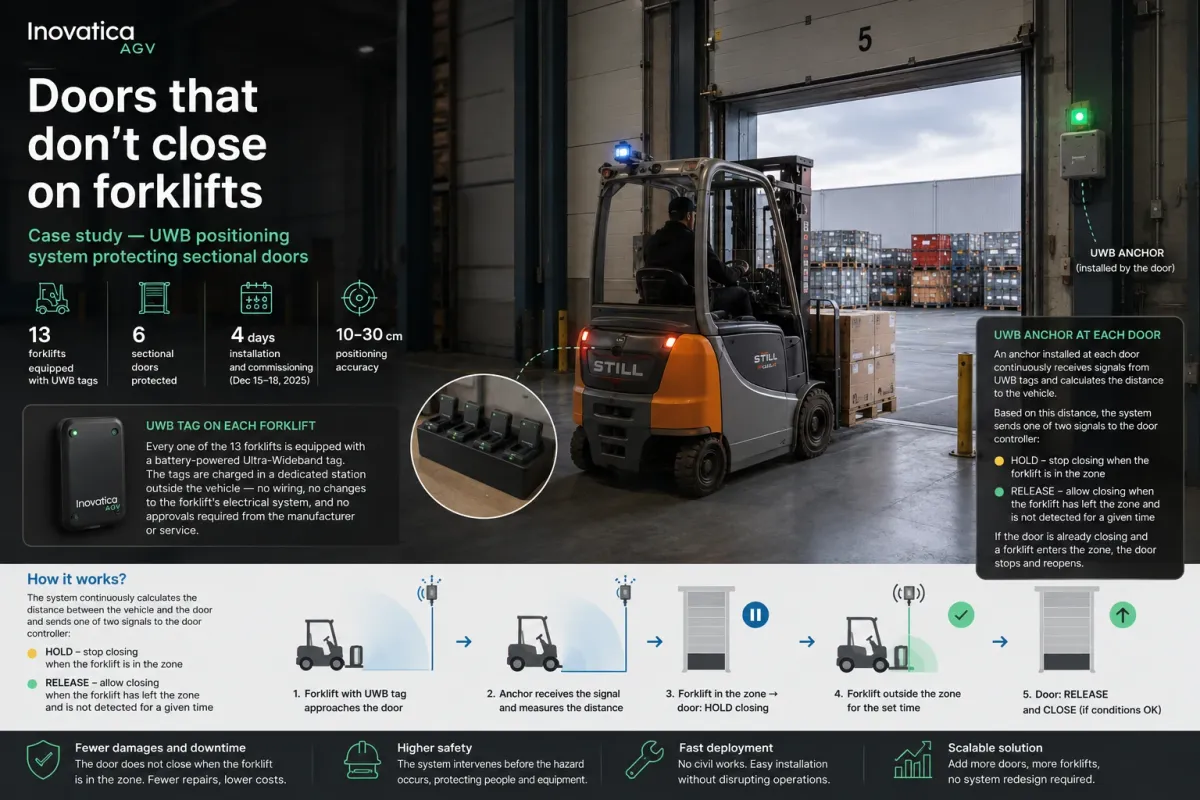
Plan, connect and manage.
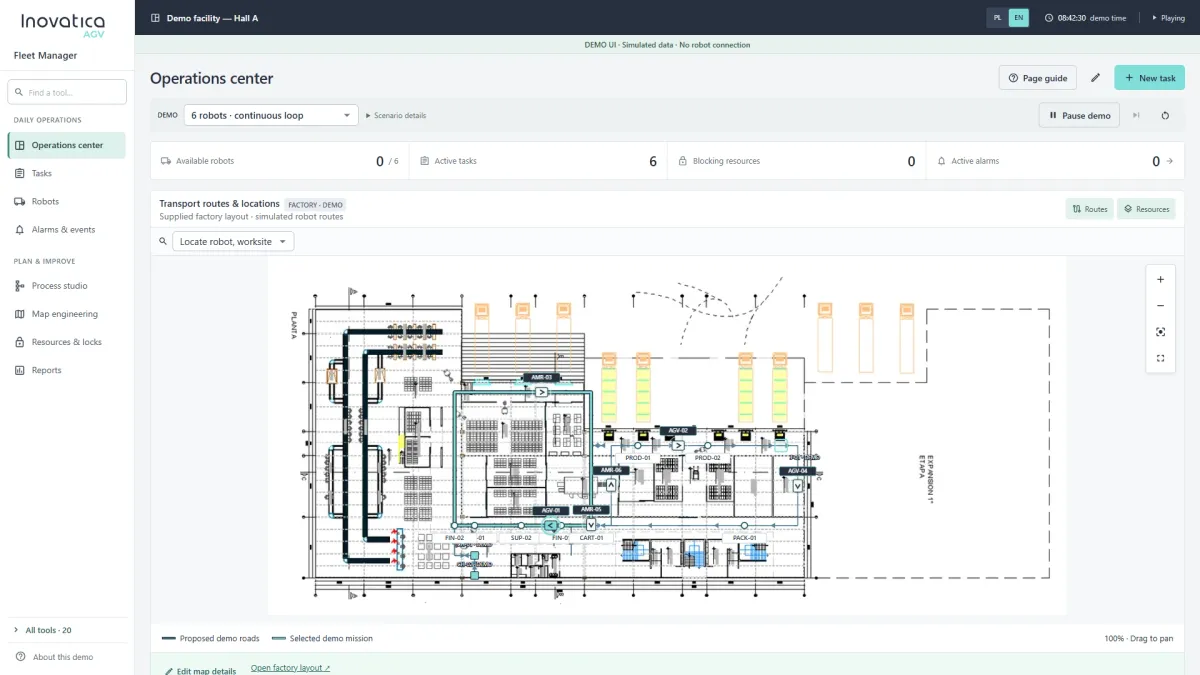
AGV tasks, vehicle assignment, traffic and fleet monitoring.
Explore the system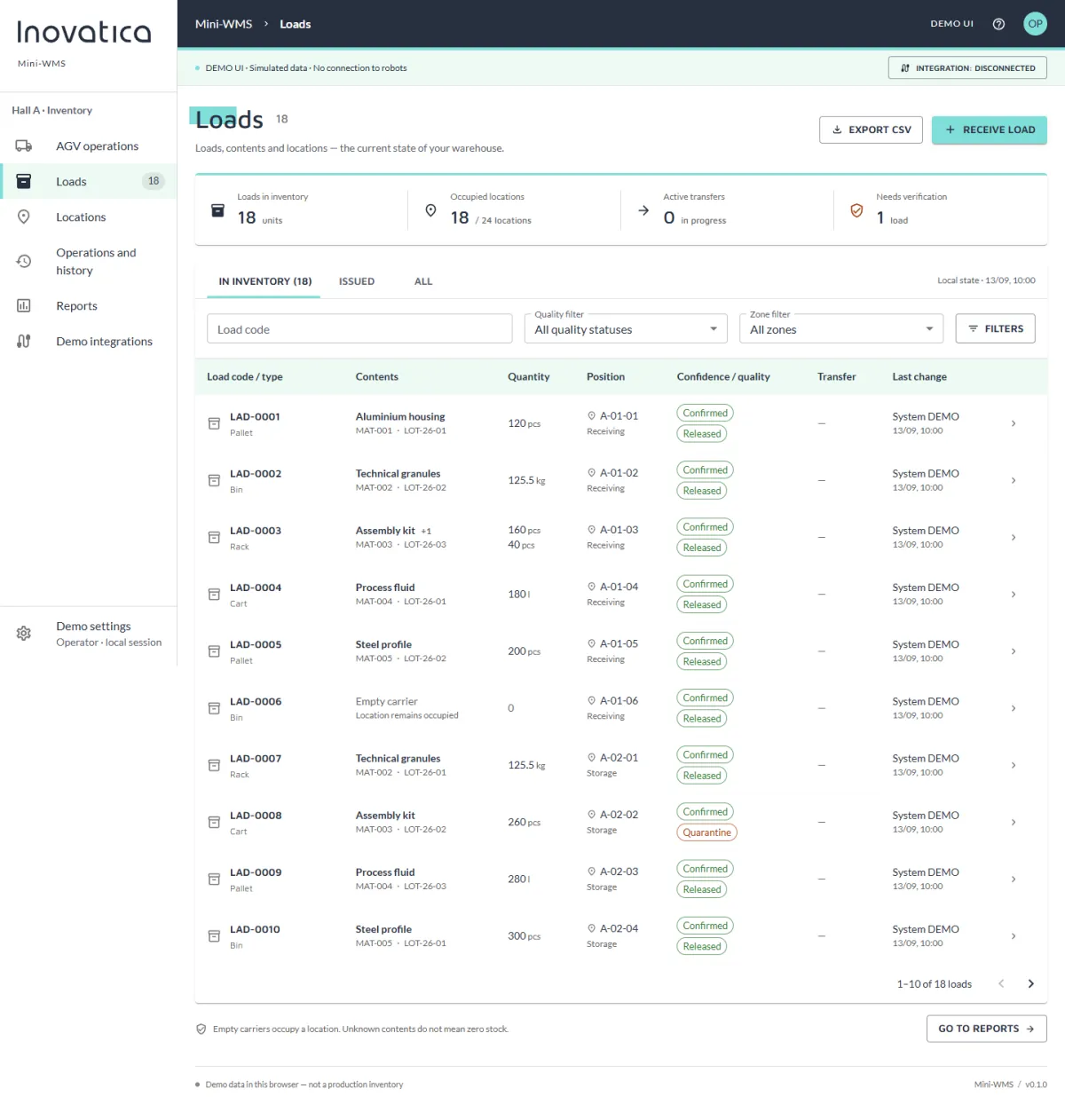
Loads, locations, transport requests and warehouse reports.
Explore the system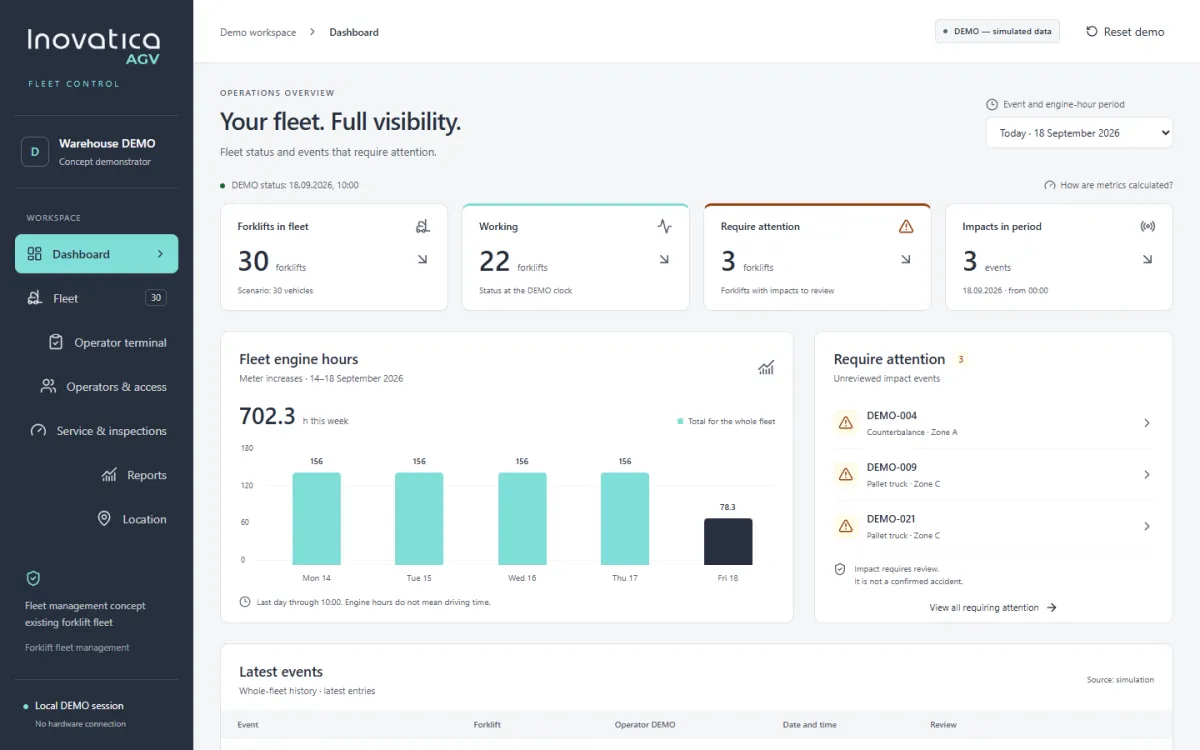
Fleet visibility, operators, checks, service and reporting.
Explore the system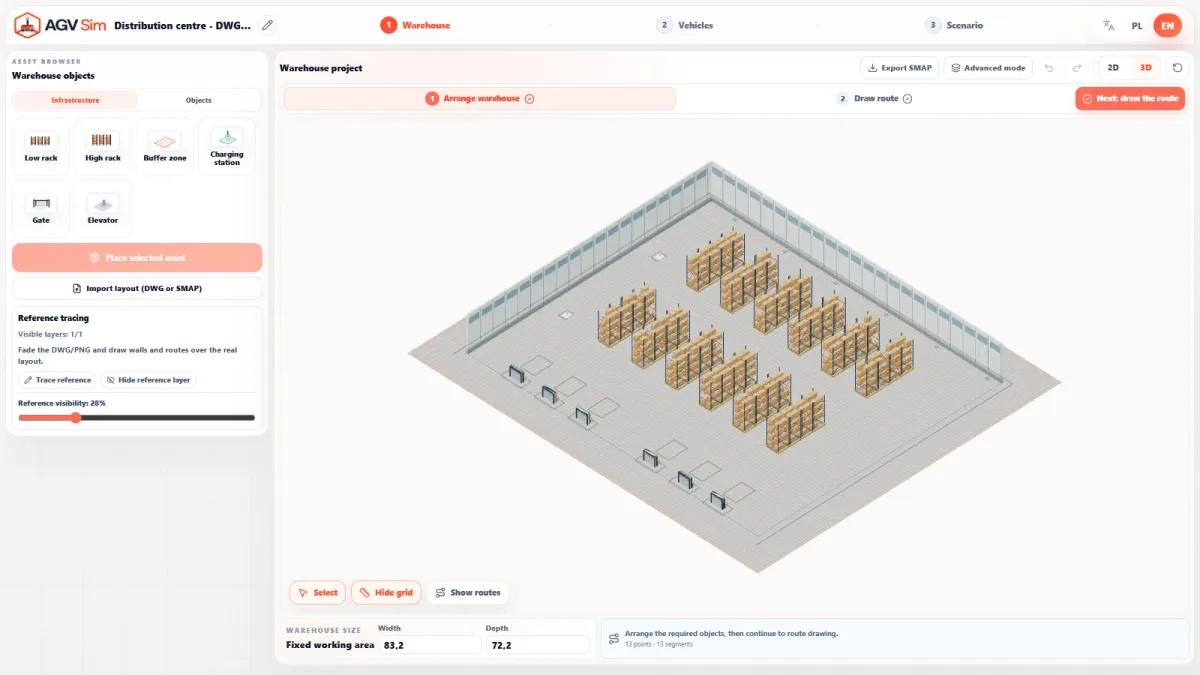
Simulate your warehouse, transport flow and AGV fleet scenarios.
Explore the systemChoose a truck for pallet transport between production, buffers and the warehouse.
AGV pallet truck
Transport of open pallets between production, buffers and the warehouse.
Maximum load capacity: 1500 kg
Explore the model →Choosing for the task
An AGV pallet truck handles repeatable pallet movements at floor level, including buffer deliveries, finished-goods collection and material transfers between zones. Selection requires checking both the pallet and the route conditions.
HT-15 is intended for open pallets. Its catalog maximum capacity is 1500 kg, with a lift height of 205 mm. Before selection, we check dimensions, fork entry openings, pallet condition and load distribution.
HT-15 specifications and dimensionsWe assess aisle widths, manoeuvring space, floor condition and pallet positioning at pickup and drop-off. Transfer-point availability and responses to occupied buffers or obstacles also matter.
Fleet size depends on peak demand. The calculation includes loaded and empty travel, pickup, drop-off, waiting and charging. Vehicle speed alone does not determine process throughput.
Estimate fleet sizeThe key difference is how the load is handled. Choose a category that matches the actual pickup point and destination.
Swipe the table sideways to see all columns.
| Solution type | Typical task | What to check |
|---|---|---|
| AGV pallet truck | Floor-level pallet transport, such as HT-15. | Open fork entries, load weight and manoeuvring space. |
| AGV stacker | Picking up and placing pallets at a specified height. | Height, capacity in the required configuration and rack geometry. |
| AMR platform | Moving a load or carrier on a platform. | How the load is placed, transferred and secured. |
We define the route, carriers and transport volume, then agree on delivery targets, system availability and how the pilot will be measured.
We design transfer points, traffic arrangements and exception handling. We define how tasks are requested and whether WMS, MES or ERP integration is needed.
How Fleet Manager worksWe test the transport cycle under site conditions, including interaction with people and other vehicles. We agree on acceptance, training and post-launch support. Operating results inform the next stage.
Explore the deployment processNo. The catalog specifies open pallets. The actual carriers, their condition and fork entry must be checked. Closed or non-standard pallets need a separate assessment and may require a different solution.
HT-15 is designed for horizontal transport with a low pallet lift. Placement on rack levels requires a stacker or high-bay vehicle, selected for the required height and operating conditions.
Yes, if one vehicle can meet demand for the chosen process, allowing for waiting and charging. A pilot should have defined routes, exception handling and a measurable target. One vehicle will not be sufficient for every process.
Task creation is designed around site operations. WMS integration is one option; the task source, priorities and delivery confirmations need to be defined. Integration scope affects project cost and schedule.
This site uses cookies for core functionality and basic analytics. By clicking "Got it", you accept their use.
Privacy policy