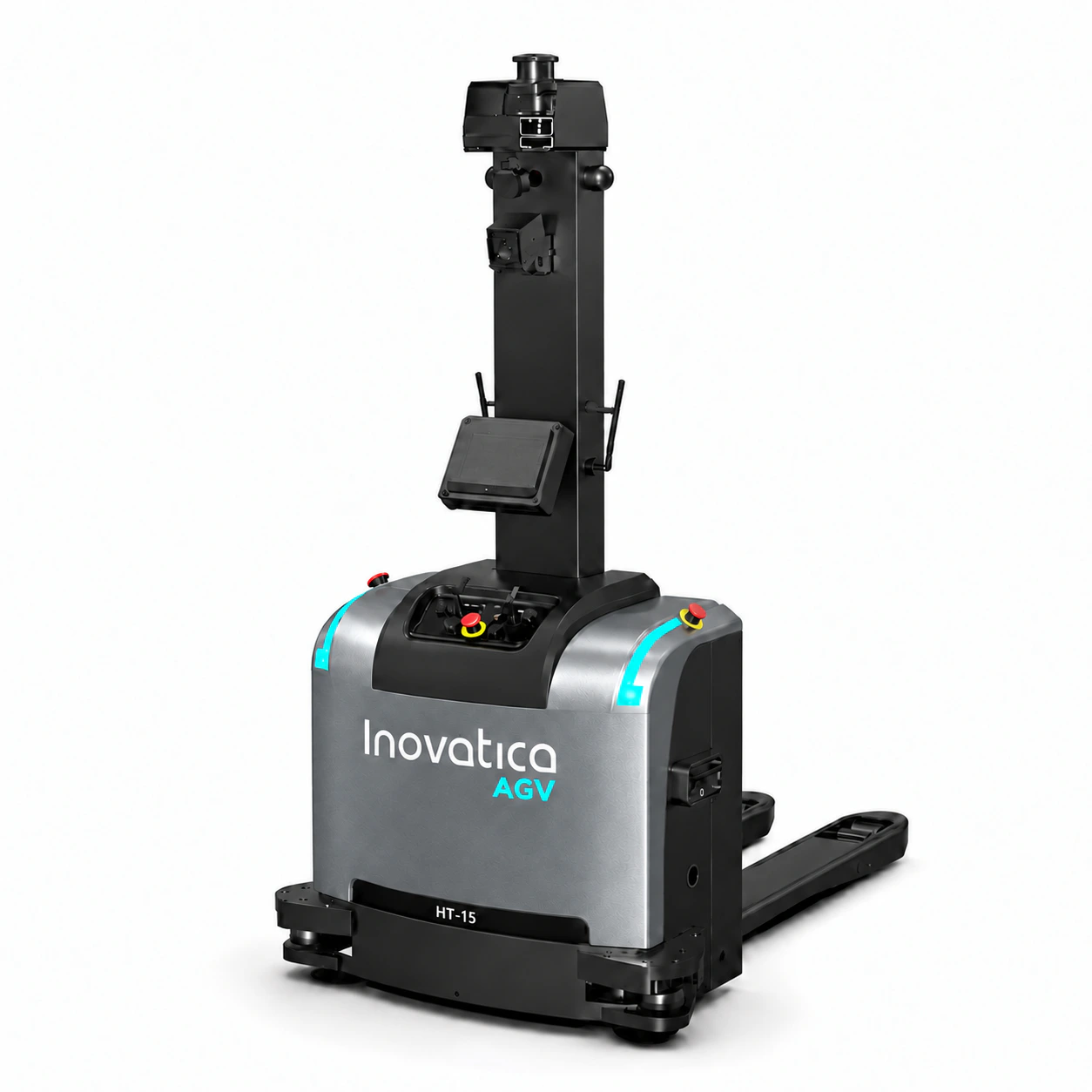
AGV pallet truck
HT-15
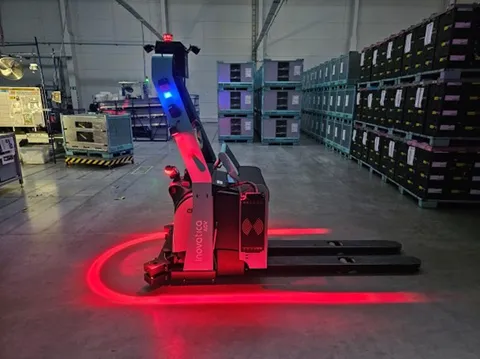
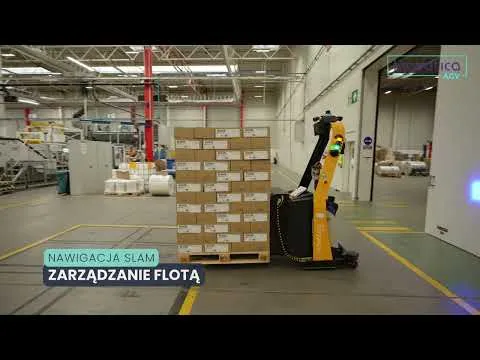
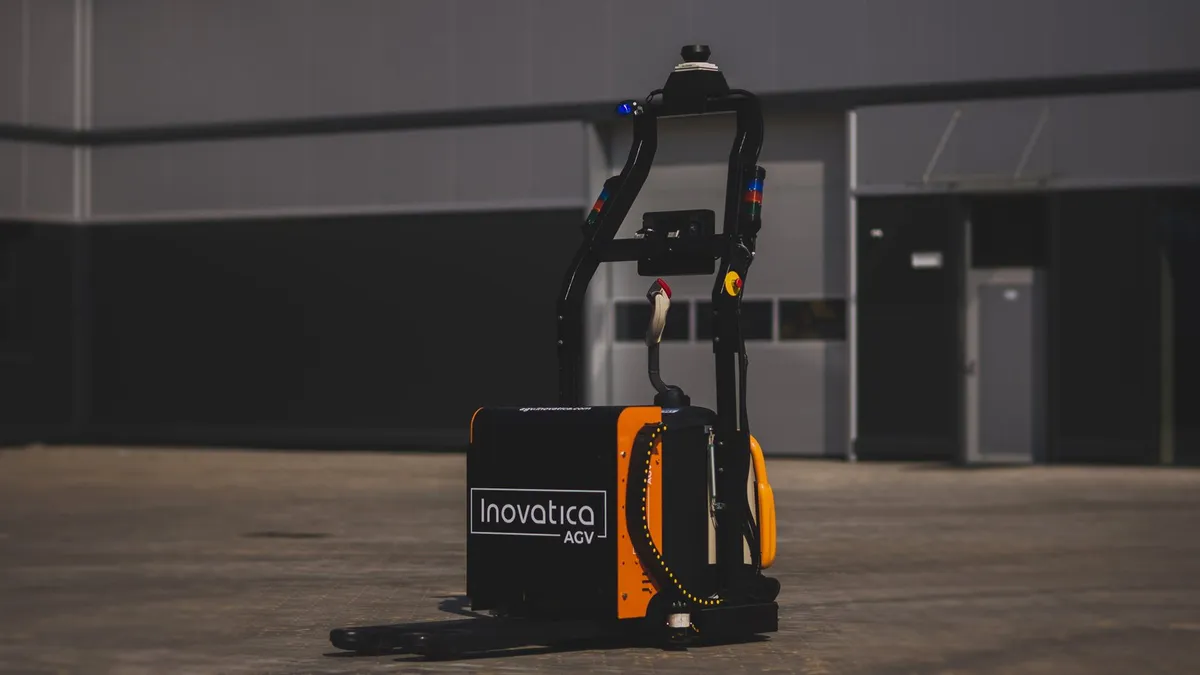
Transport of open pallets between production, buffers and the warehouse.
Maximum load capacity: 1500 kg
Explore the model →
Find the right robot for your process.
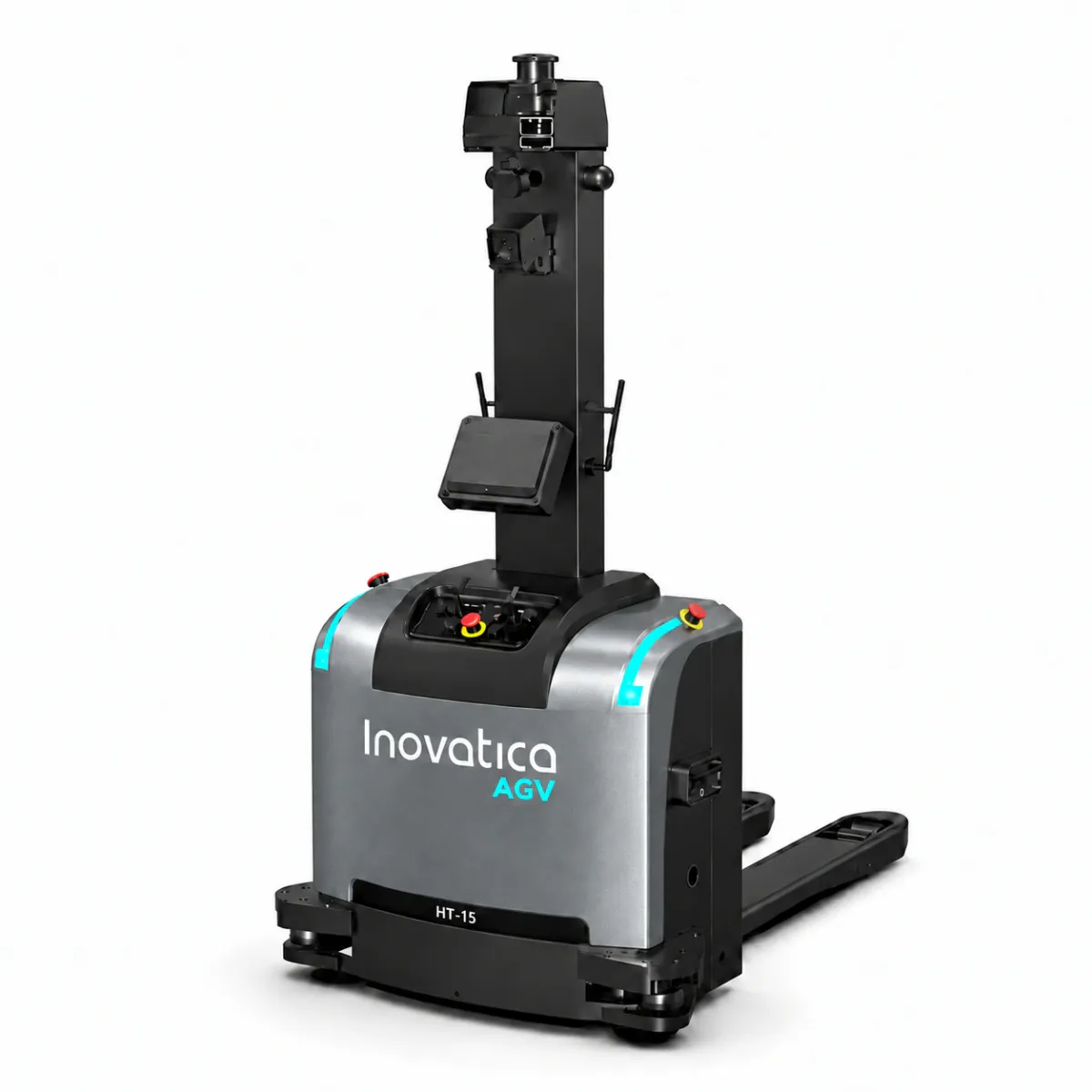
Pallets, containers and load carriers moved
between production and warehouse areas.
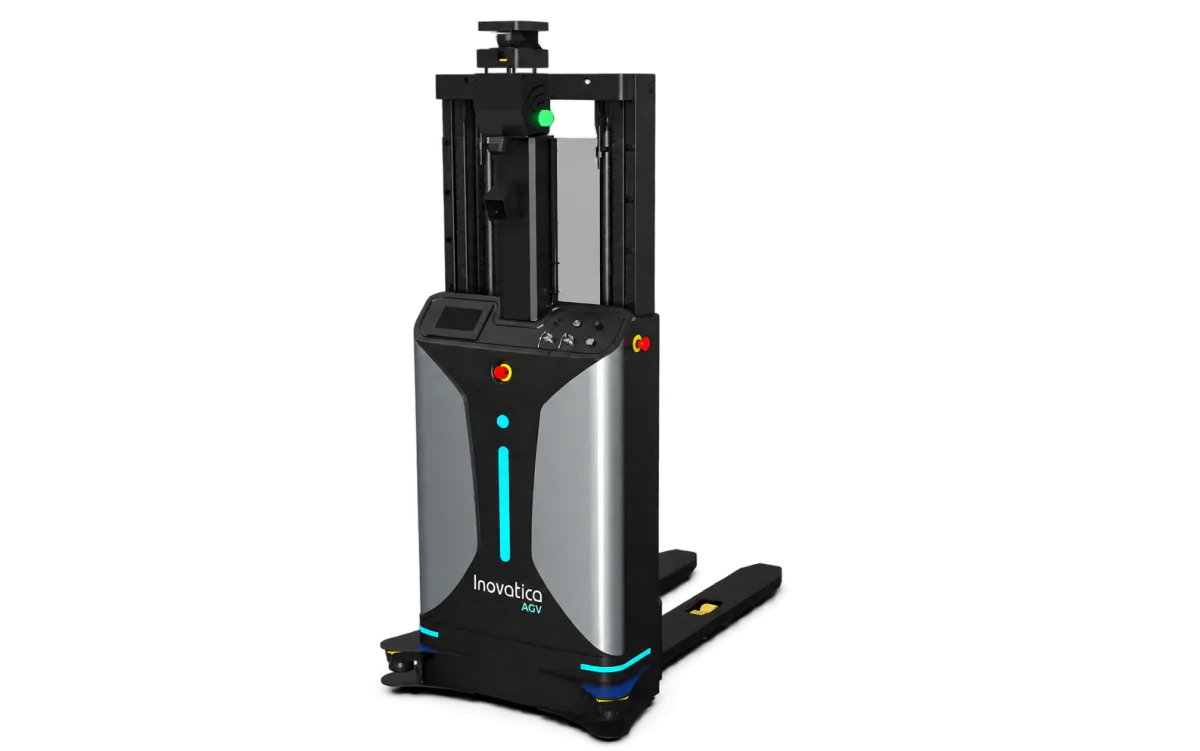
Pallet pickup and placement.
Matched to the load carrier and transfer height.
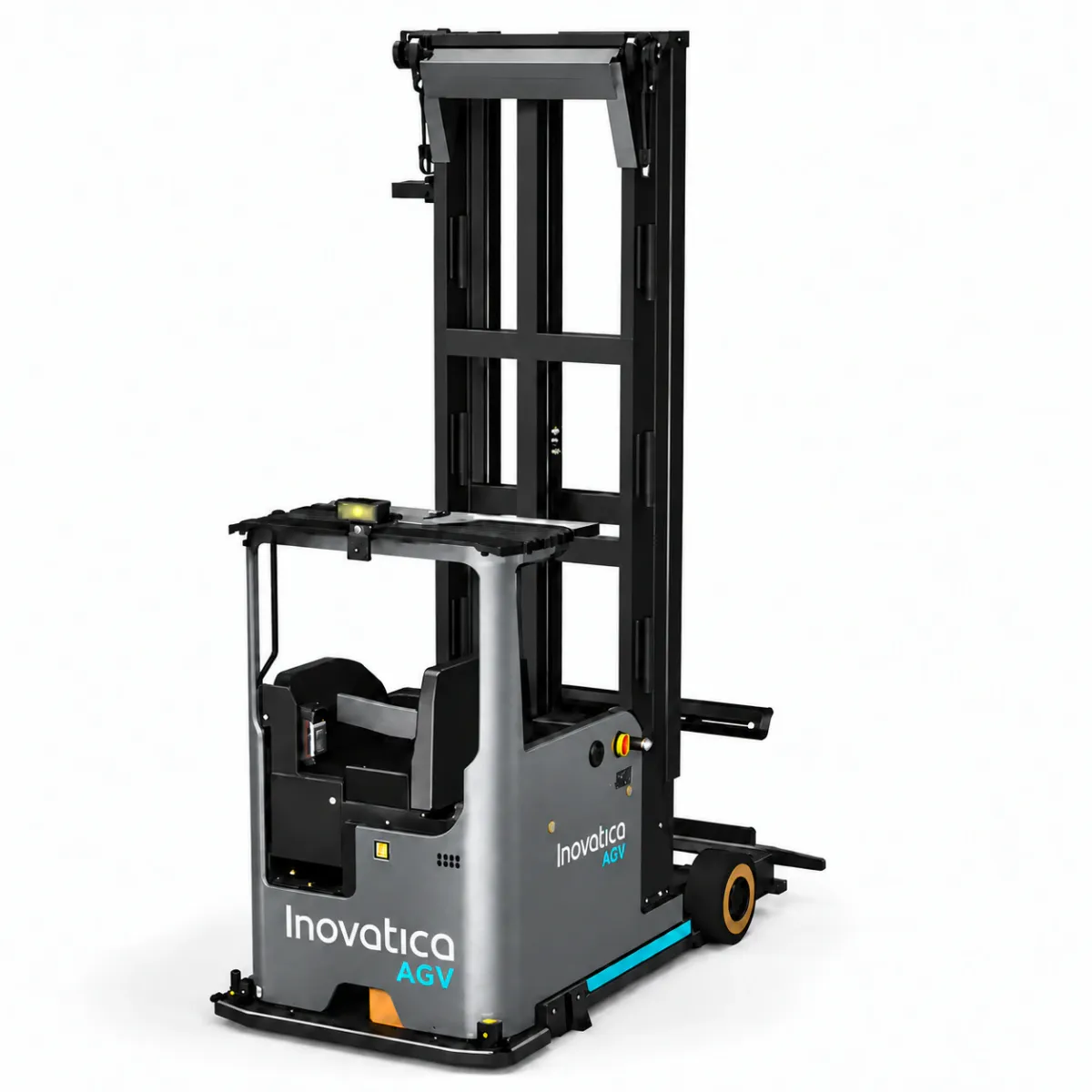
Handling higher rack levels
and warehouses with narrow aisles.
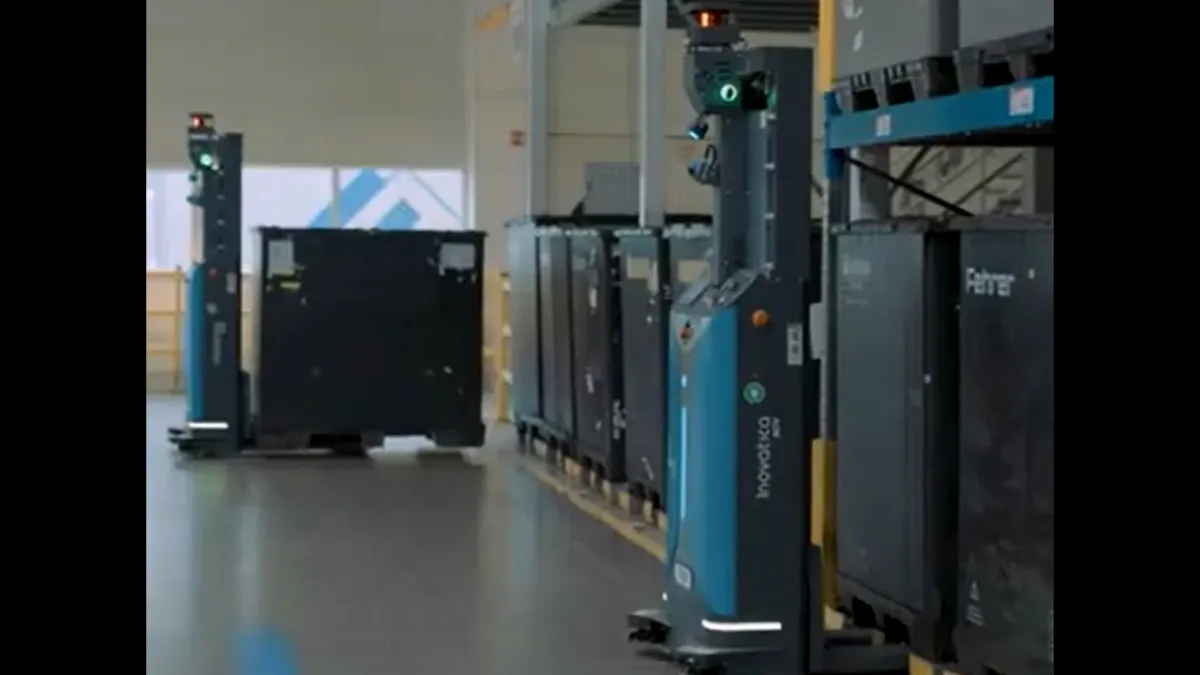
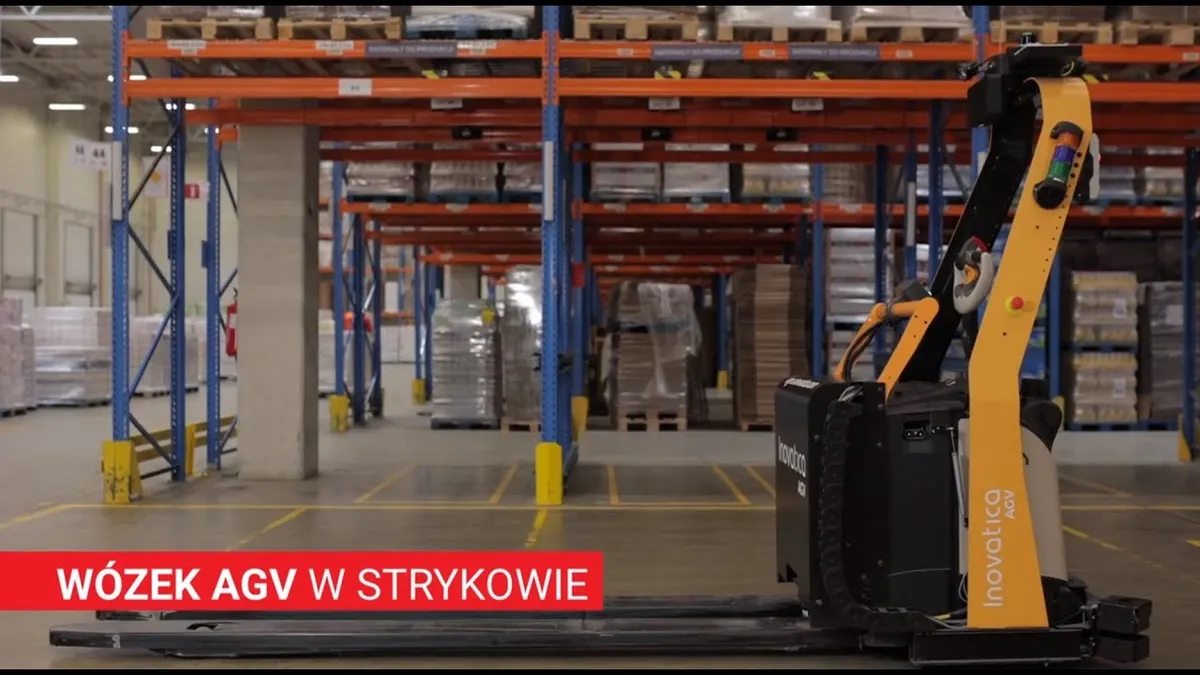
Projects across industries.
Plan, connect and manage.
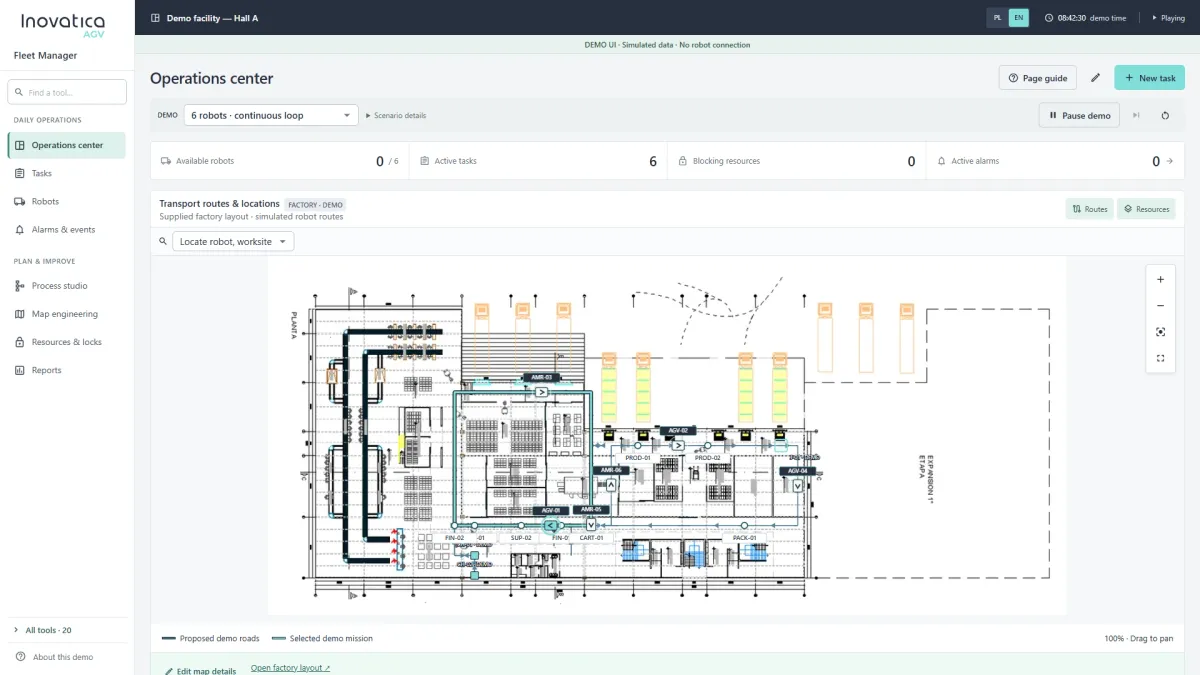
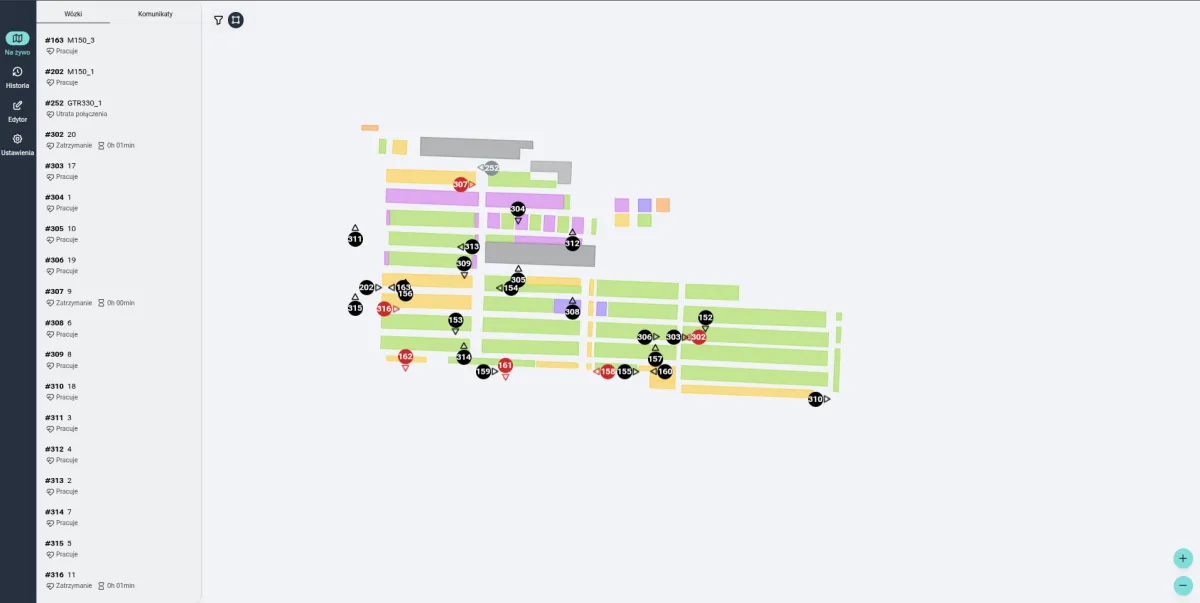
AGV tasks, vehicle assignment, traffic and fleet monitoring.
Explore the system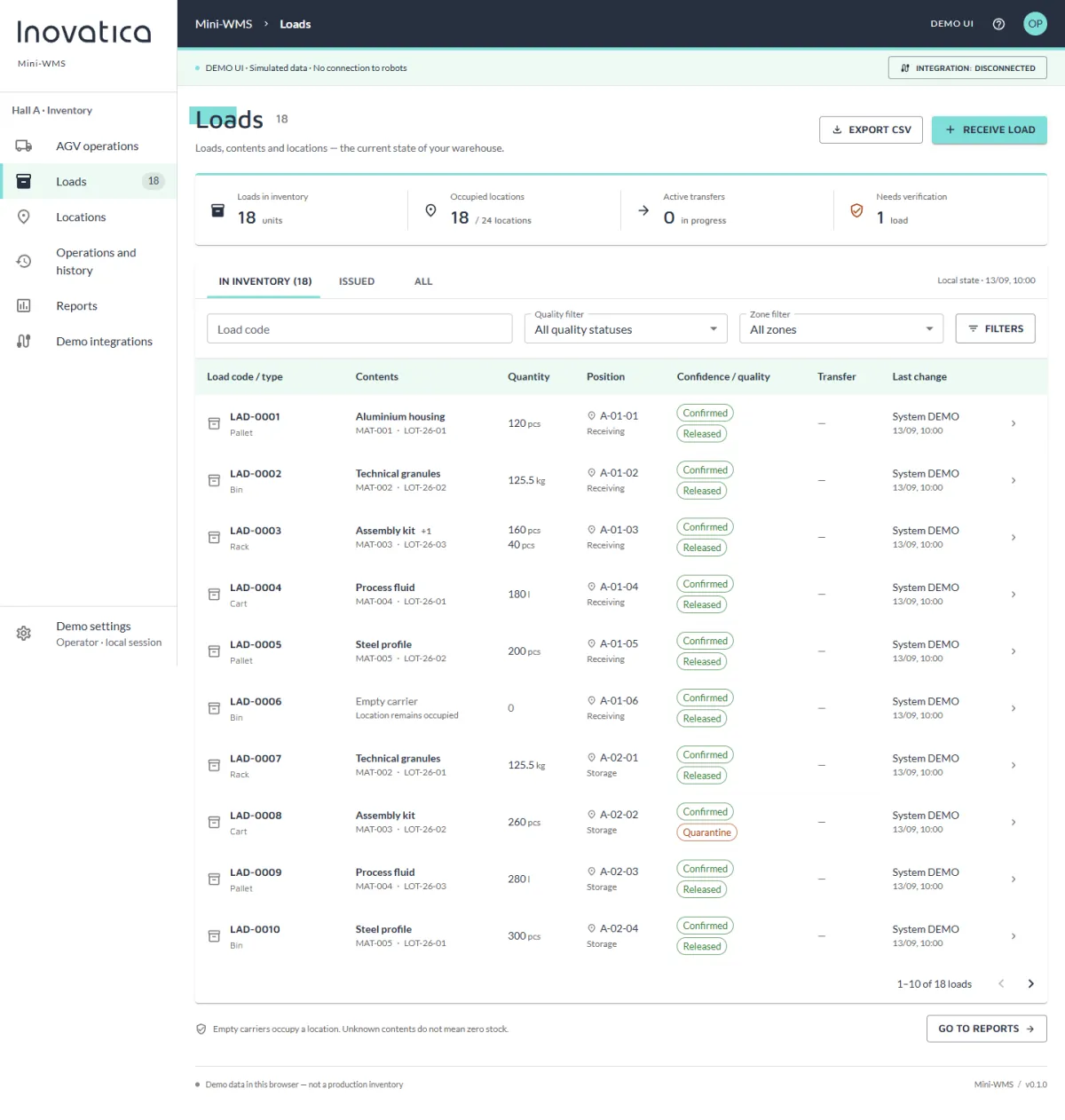
Loads, locations, transport requests and warehouse reports.
Explore the system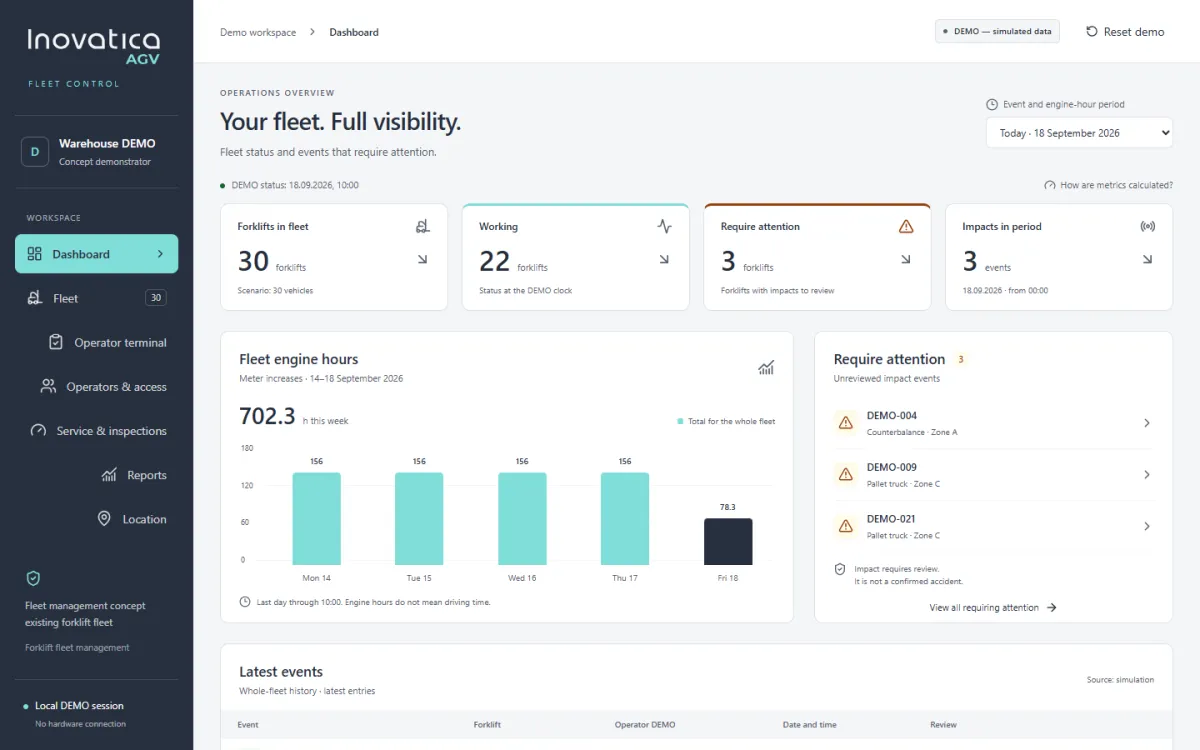
Fleet visibility, operators, checks, service and reporting.
Explore the system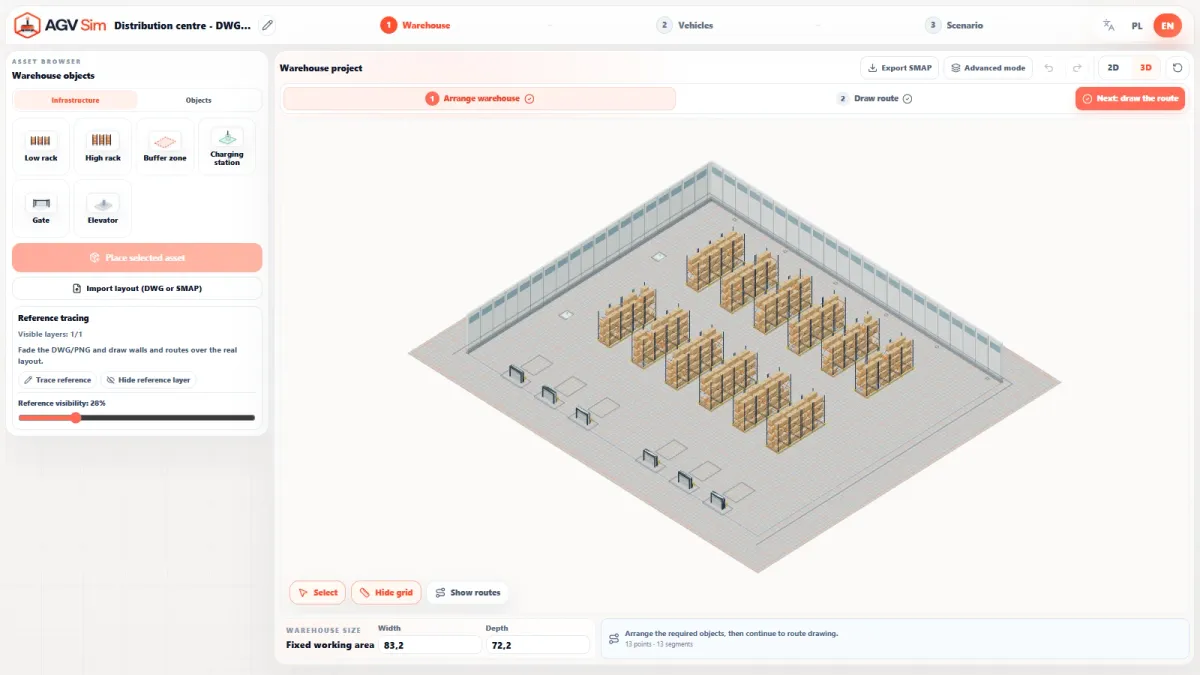
Simulate your warehouse, transport flow and AGV fleet scenarios.
Explore the systemChoose a vehicle for horizontal transport, storage or high-bay handling. Filter models by specification and compare them side by side.
AGV pallet truck
Transport of open pallets between production, buffers and the warehouse.
Maximum load capacity: 1500 kg
Explore the model →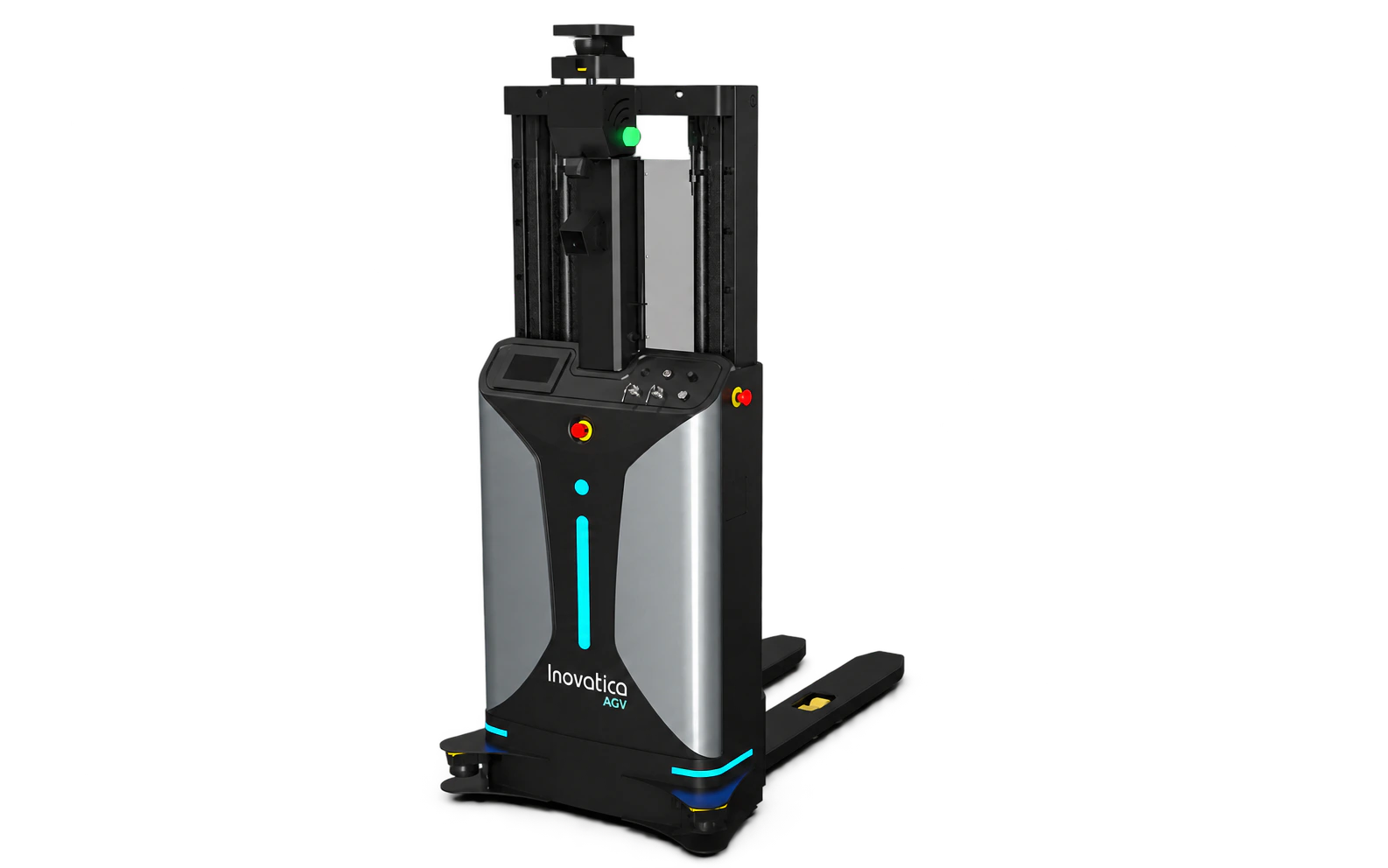
Pallet handling AGV
Pallet pickup and placement on low and medium rack levels. Explore the ST-1430 gallery and technical specifications.
Maximum load capacity: 1400 kg
Explore the model →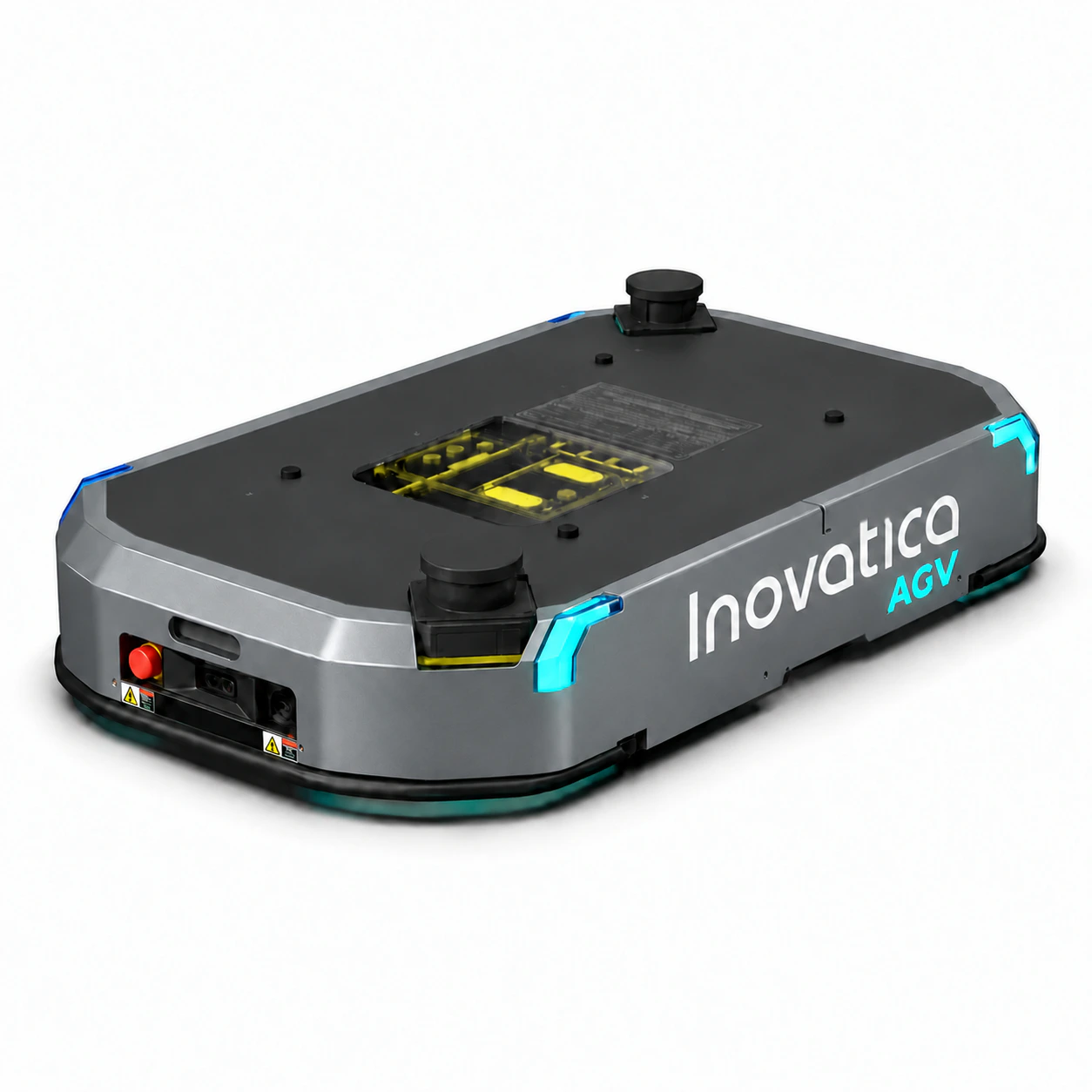
AMR platform
Regular deliveries to workstations and transport of grouped loads between production stages.
Maximum payload: 400 kg
Explore the model →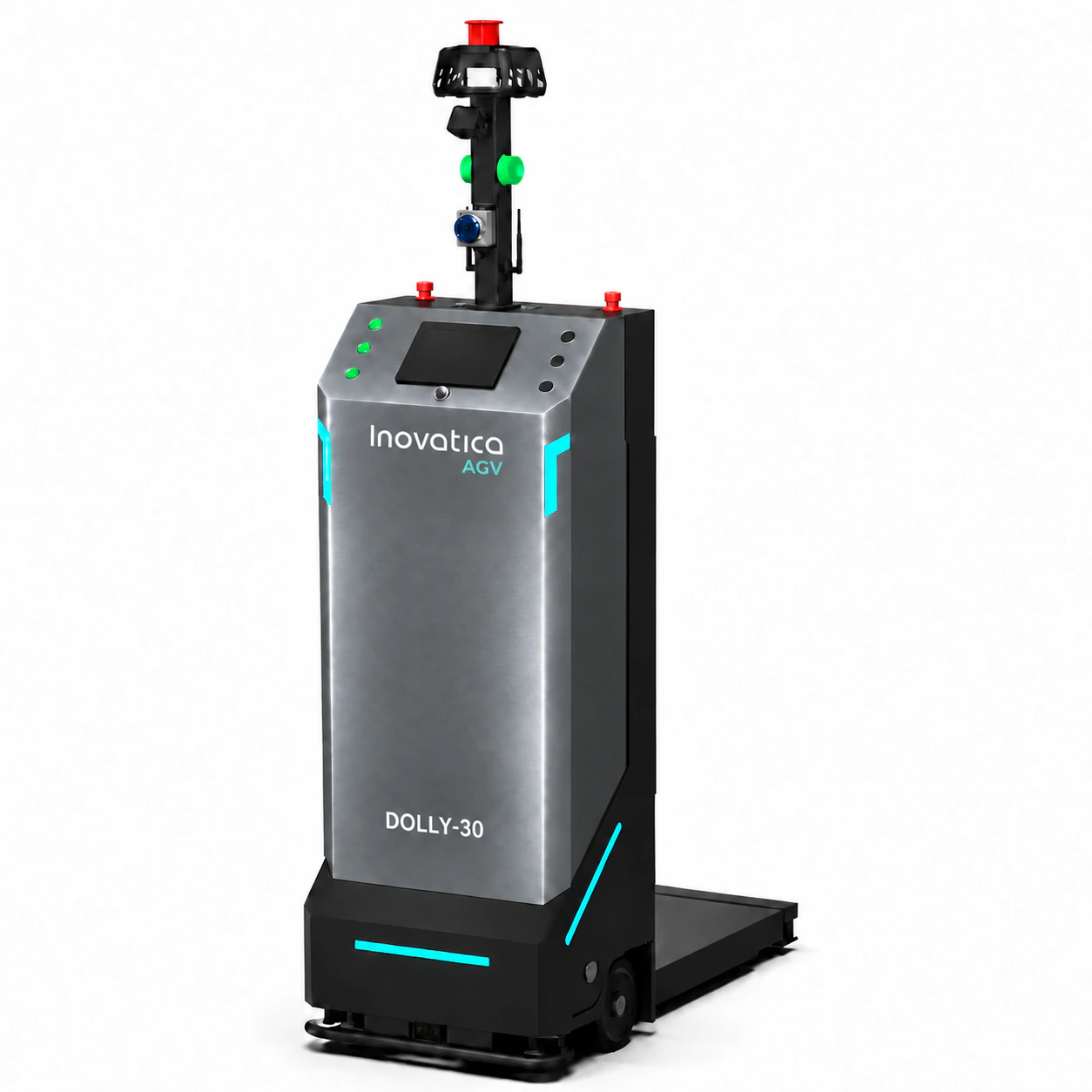
Dolly transport
Automated transport of dollies and handling of returnable packaging.
Rated load capacity: 300 kg
Explore the model →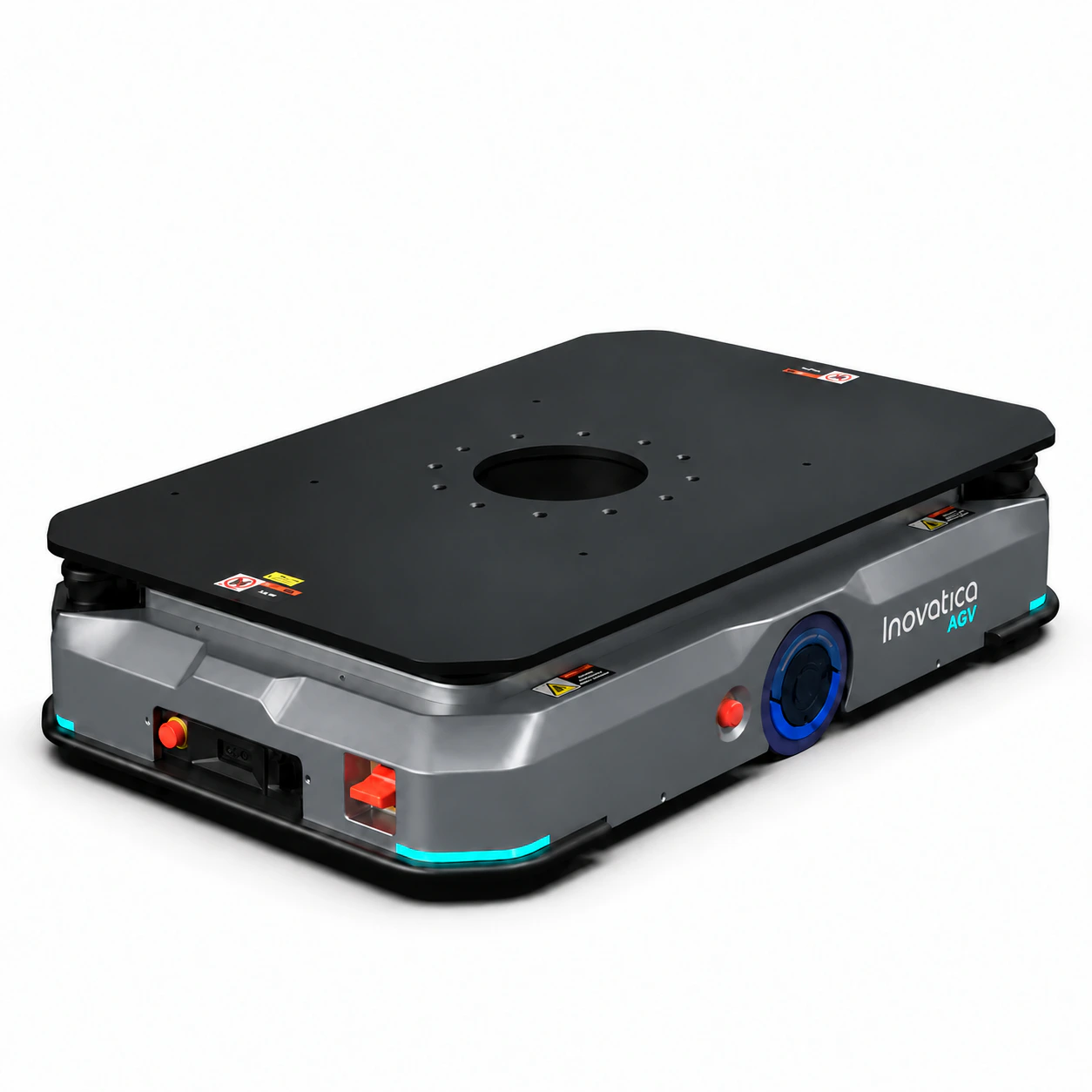
AMR platform
Moving custom load carriers through areas with limited space.
Rated load capacity: 600 kg
Explore the model →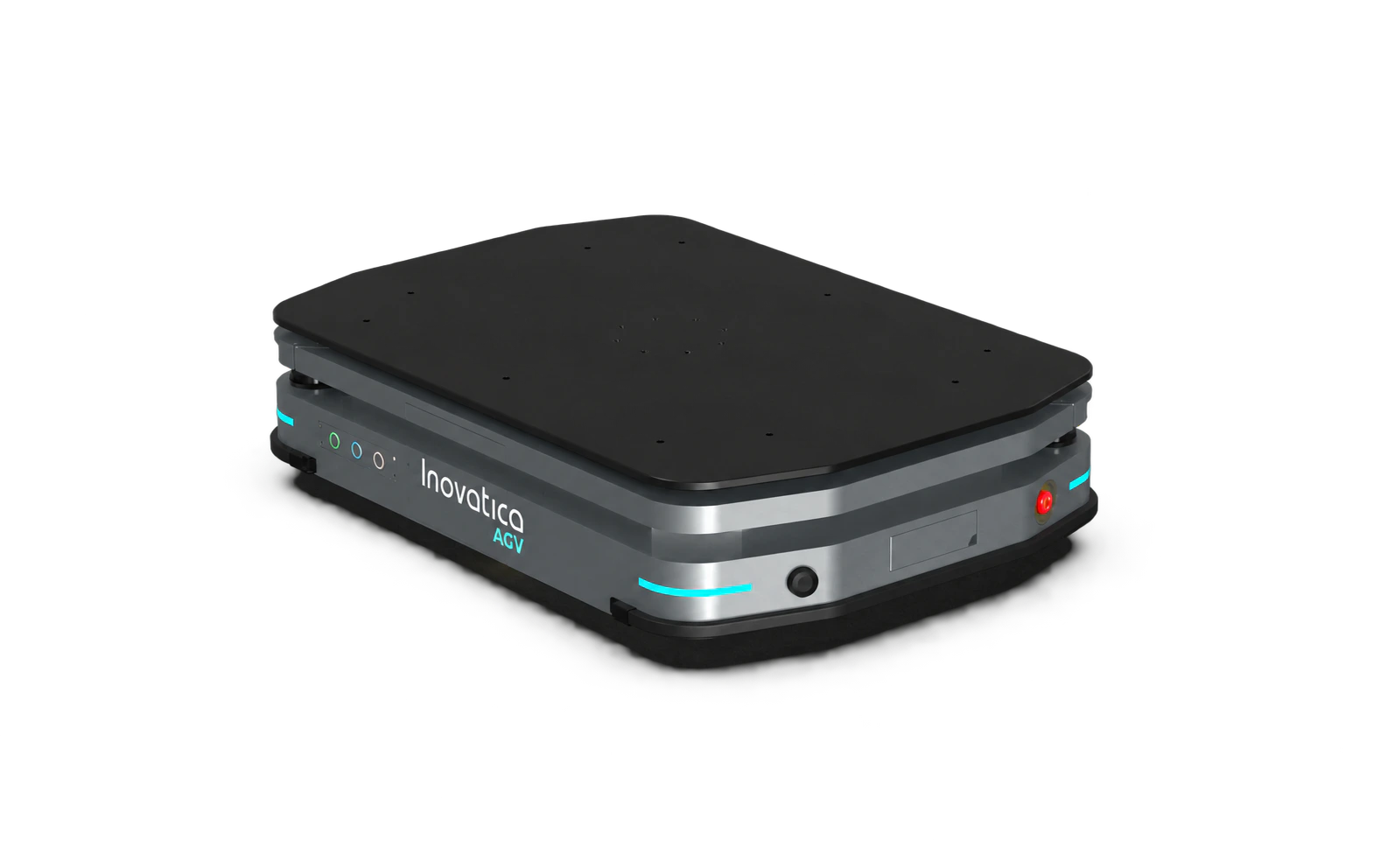
AMR platform
Moving loads and assemblies over longer routes within your facility.
Maximum load capacity: 500 / 1,000 kg*
Explore the model →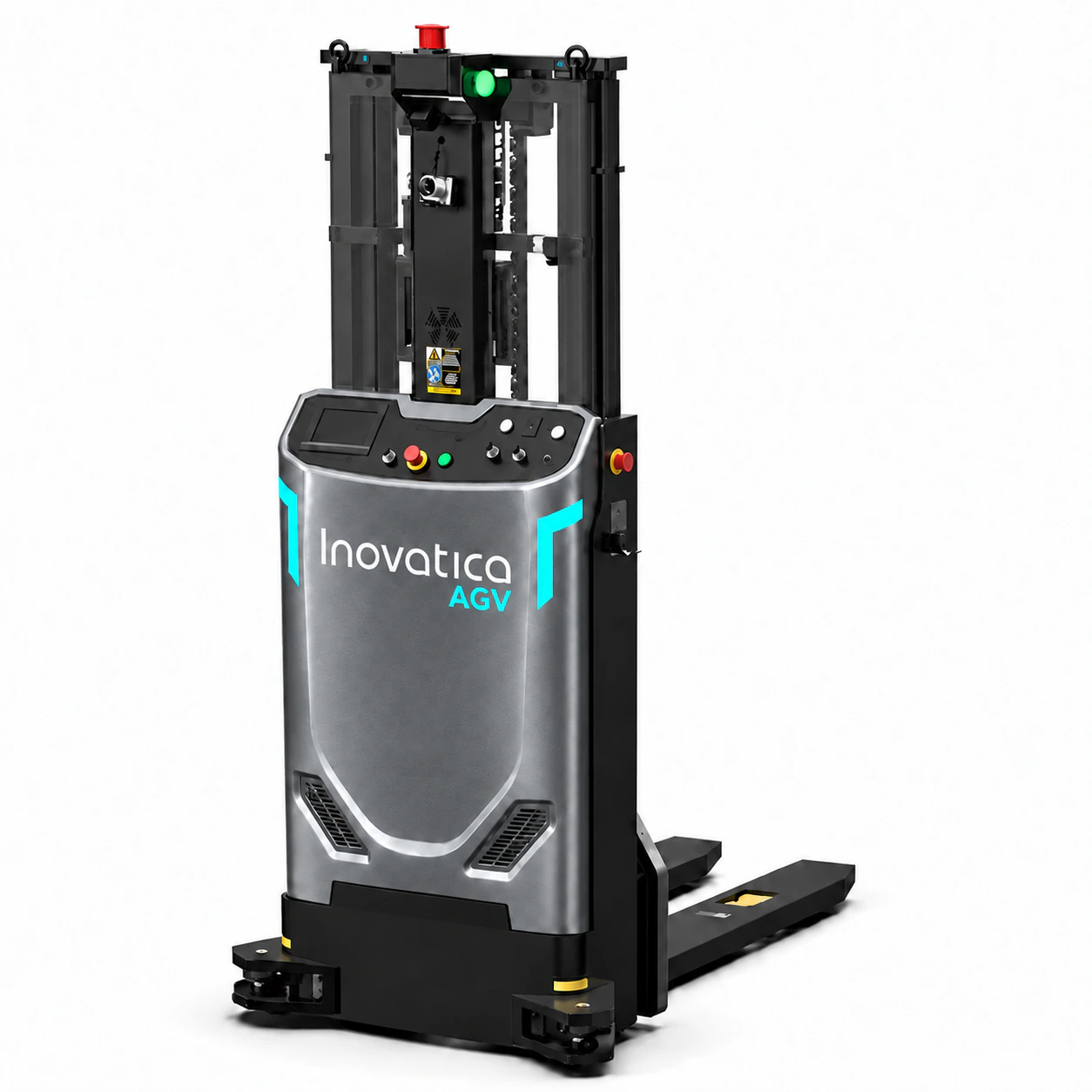
Pallet handling AGV
Pallet pickup and placement on racks. Selection depends on configuration.
Specifications: View configurations
Explore the model →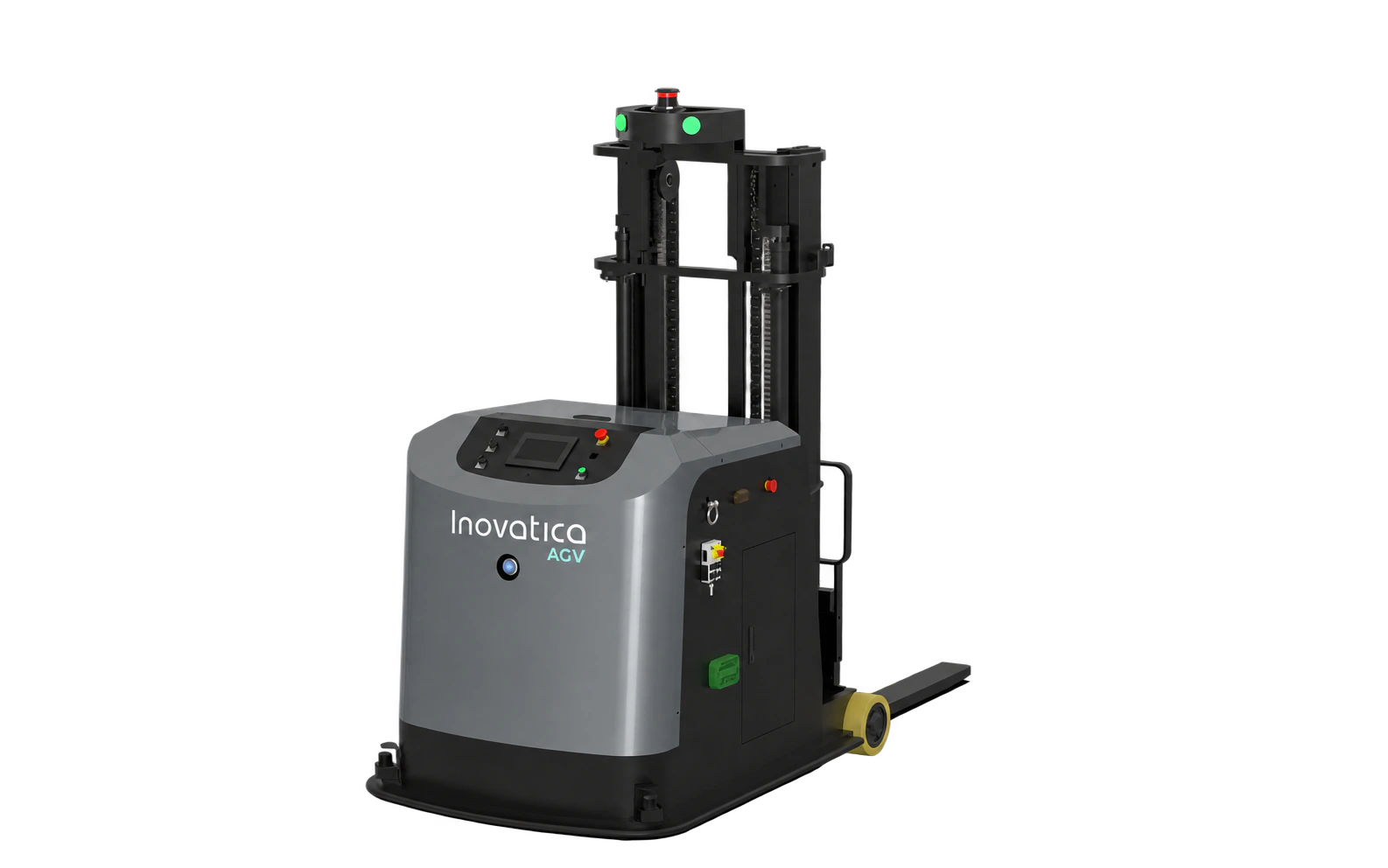
Pallet handling AGV
Pallet handling in mixed warehouse and production processes.
Rated load capacity: 2000 kg
Explore the model →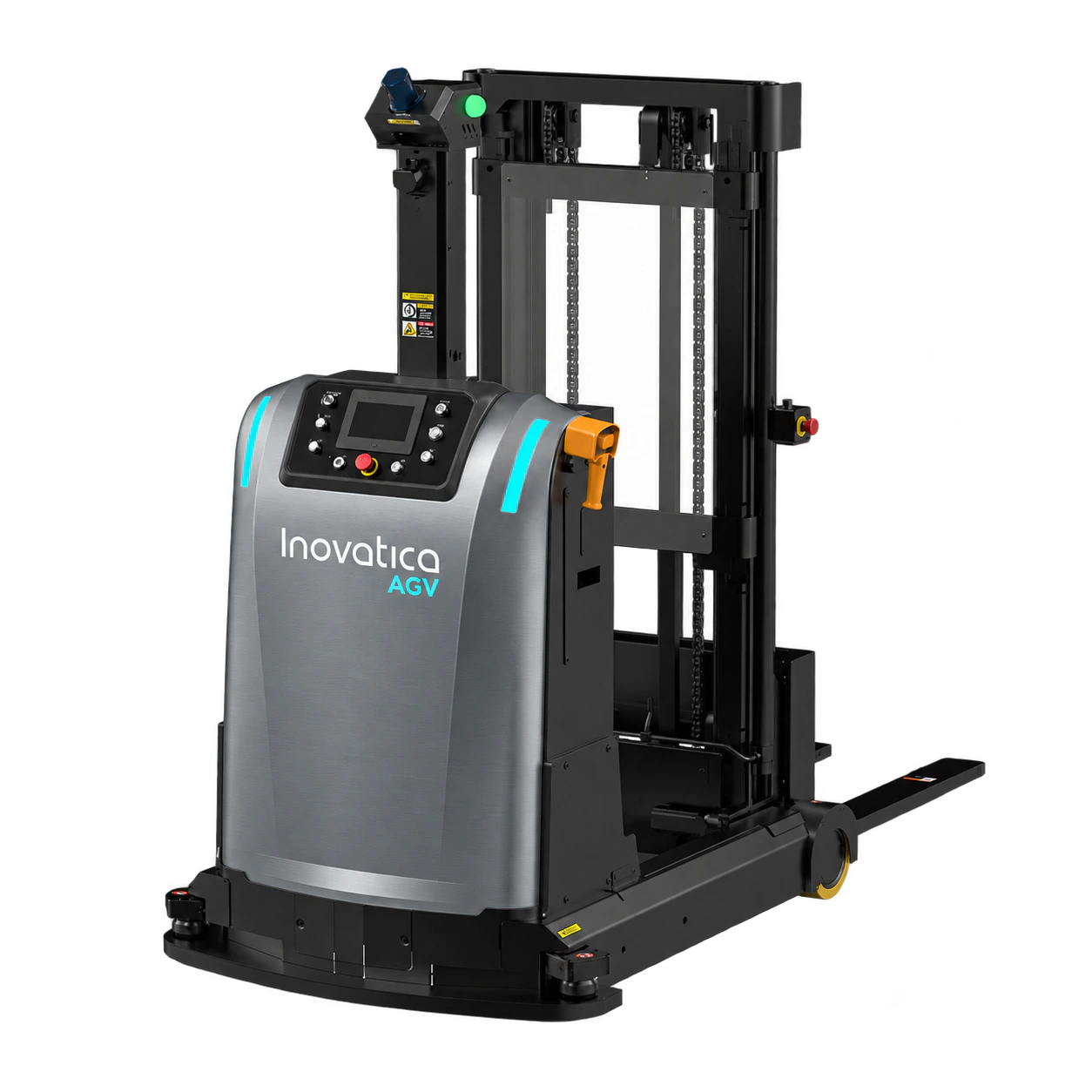
Pallet handling AGV
Pallet storage and retrieval using a reach mast.
Rated load capacity: 1400 kg
Explore the model →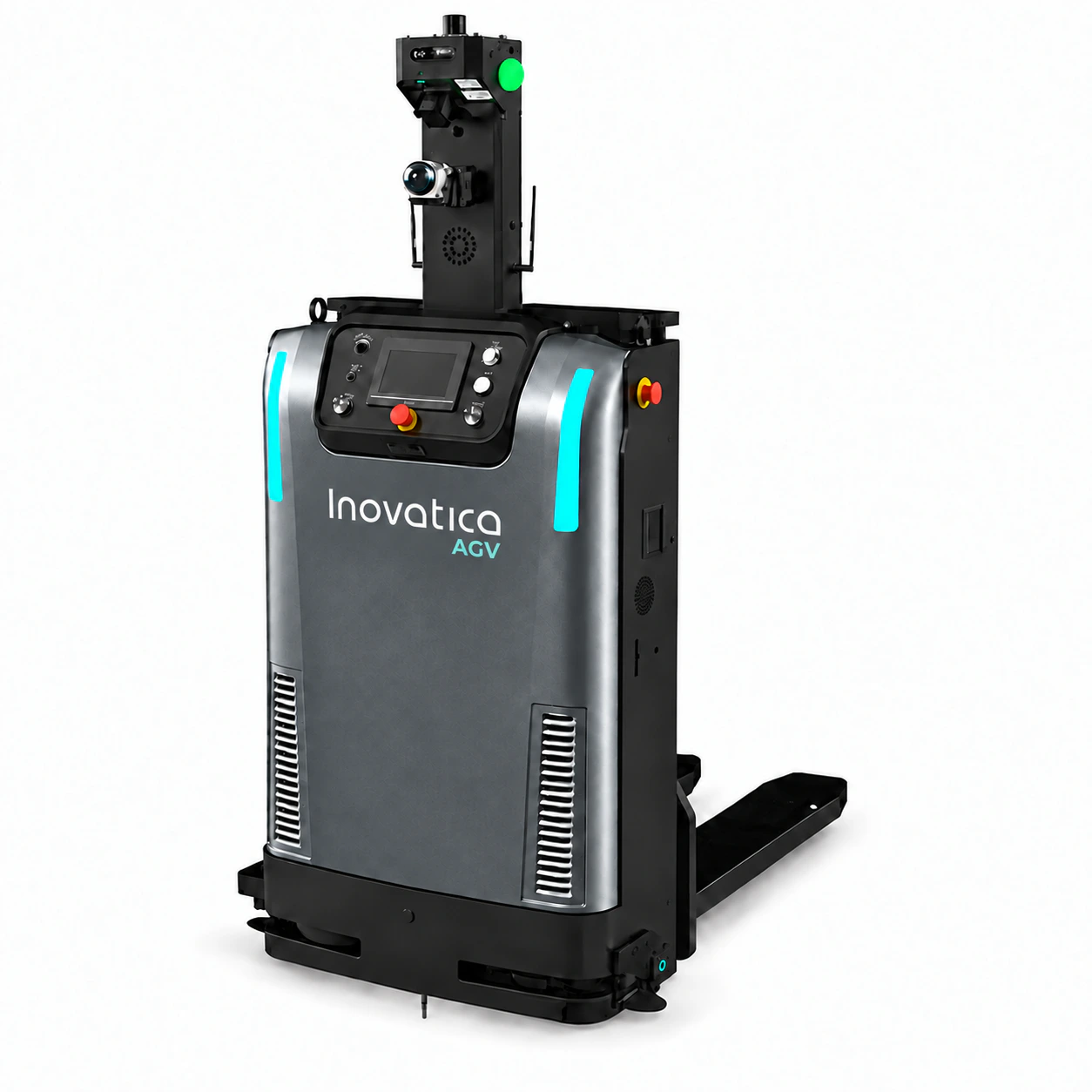
Pallet handling AGV
Multidirectional transport and storage in limited space.
Rated load capacity: 1000 kg
Explore the model →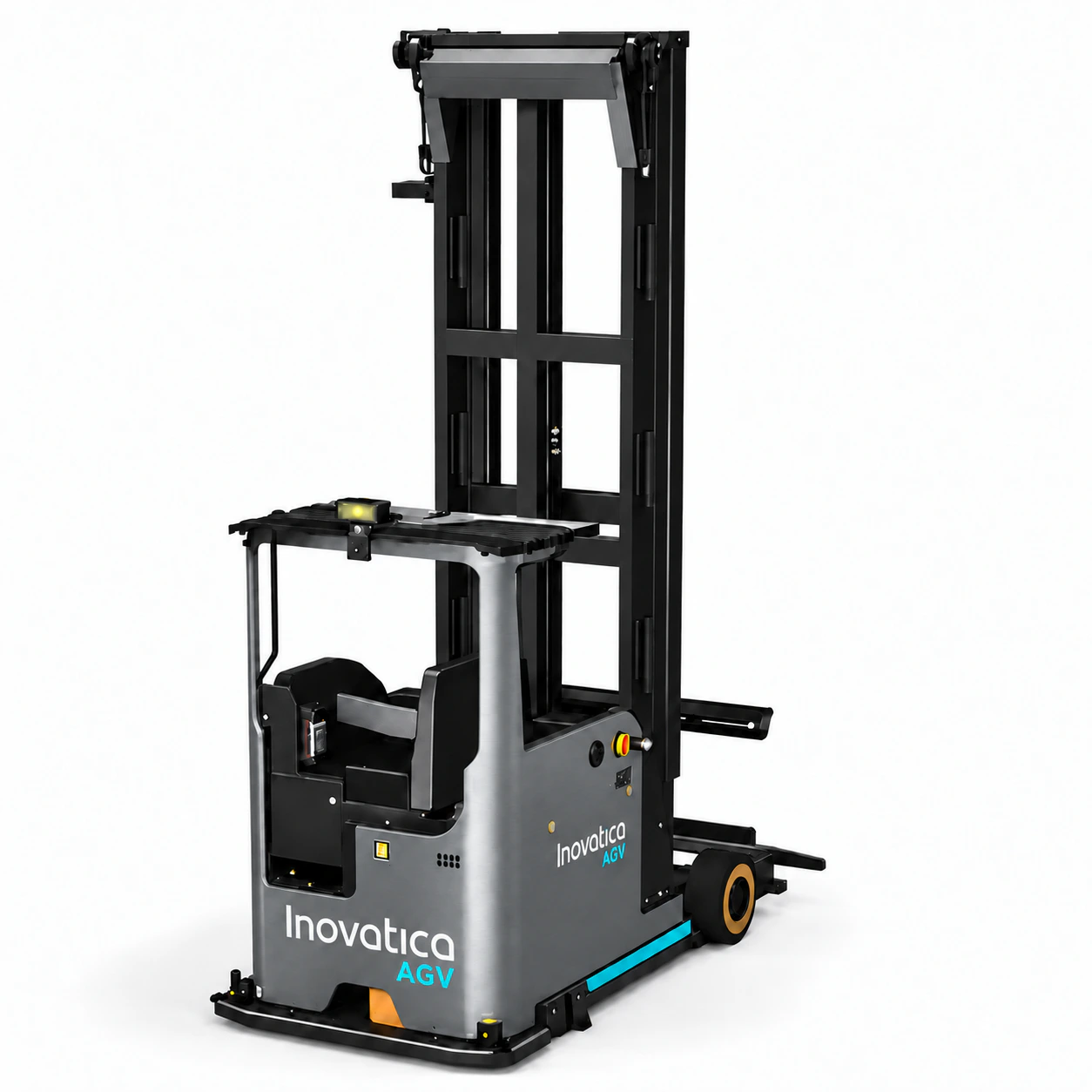
High-bay AGVs
Pallet placement and retrieval in high-bay warehouses.
Specifications: View configurations
Explore the model →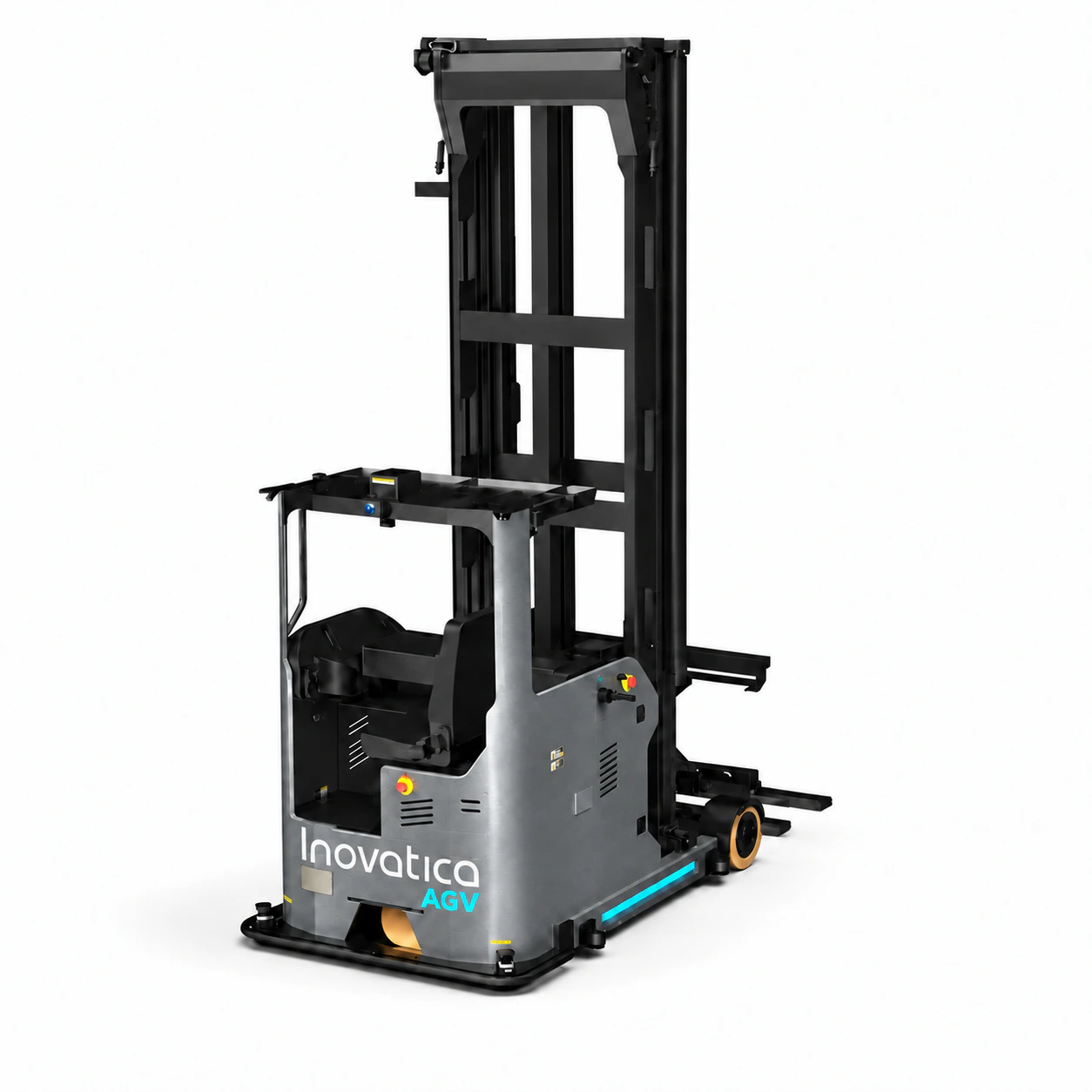
High-bay AGVs
Rack handling in warehouses with very narrow aisles.
Rated load capacity: 1500 kg
Explore the model →Carrier type, load weight, placement height and aisle width determine vehicle selection. Fleet size depends on task volumes, route distances and time for load transfers and charging.
Before deployment, we define safety requirements and integration with WMS, MES or ERP through Fleet Manager. Estimate costs and savings with the ROI calculator.
Compare the models and check the process, integration and support requirements.
Start with a regular pallet or carrier flow where delays affect production or warehouse operations. Record trip volumes, shift patterns, waiting times and exceptions. Agree measurable goals such as supply continuity, completed transports and operator time released for other work.
Process analysis and deploymentYes. Define a first route with clear handover points and responsibilities, then test normal operation and exceptions. After stabilising it, use task, blockage and vehicle-utilisation data to decide whether to add routes, vehicles or integrations. Plan charging and maintenance alongside the required operating hours.
Coordination and fleet monitoringCheck how the load is picked up and handed over, its weight and dimensions, rack height, aisle width and the carrier standard. A pallet truck, stacker, high-bay vehicle and mobile platform solve different handling tasks. Use the model comparison above; pallet recognition and obstacle handling must be checked for the selected vehicle and operating conditions.
Pallet trucks, platforms and dolly transportDefine which system creates tasks and owns locations, priorities and completion states. Agree acknowledgements, error handling and recovery when communication is interrupted. Fleet management coordinates transport against those rules; the interface and scope of each integration are agreed for the installation.
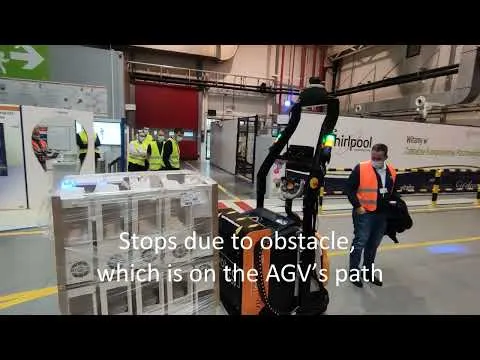
Fleet Manager and system integrationAssess routes, floors, clearances, transfer points, carriers, connectivity and charging locations. Risk assessment must include people, manual forklifts, crossings, blocked routes, stops and recovery scenarios. Agree traffic rules, operator training and acceptance tests before commissioning.
Safety and mixed trafficCompare the full system cost with the current process: vehicles, integration, infrastructure, commissioning and ongoing support. Estimate benefits from measured trip volumes, shifts and downtime. Time released for other work is not automatically a cash saving; test the assumptions before setting a payback target.
Read the complete ROI guideAgree warranty terms, manufacturer and integrator responsibilities, post-warranty service and future system development. Where an SLA is needed, specify support scope and response times for the site’s operating schedule. These conditions form part of the deployment agreement.
Warranty, service and SLAThe next step may be more horizontal routes, multi-stop AMR tasks, storage and retrieval or high-bay handling. Select it from the first stage’s operating data and business need. Check vehicle capability, handover interfaces, safety and available fleet capacity again before expanding.
Explore high-bay handlingThis site uses cookies for core functionality and basic analytics. By clicking "Got it", you accept their use.
Privacy policy