For more demanding warehouse operations
High-bay AGV make sense where the process requires not only transport, but also more controlled put-away and retrieval scenarios.

Find the right robot for your process.
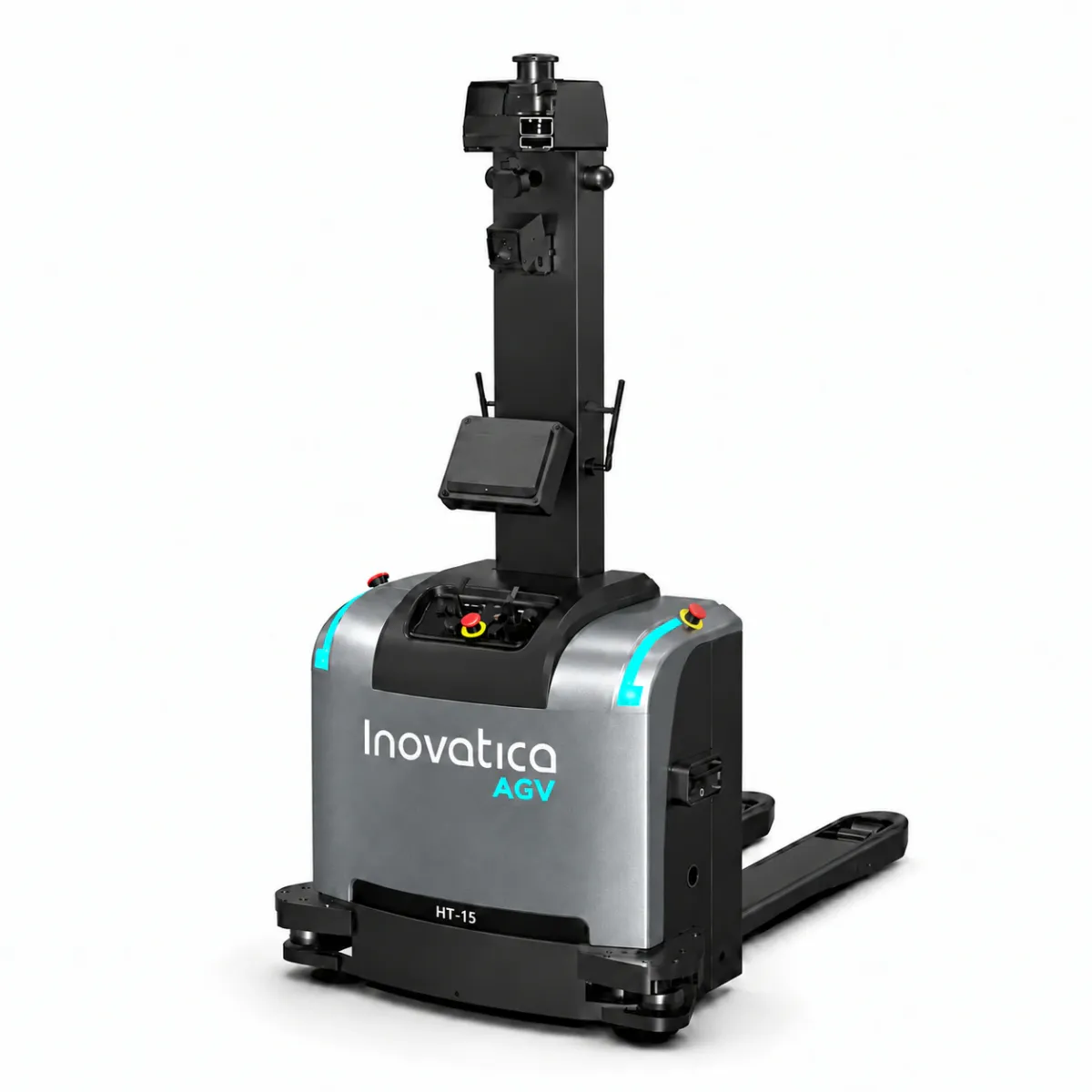
Pallets, containers and load carriers moved
between production and warehouse areas.
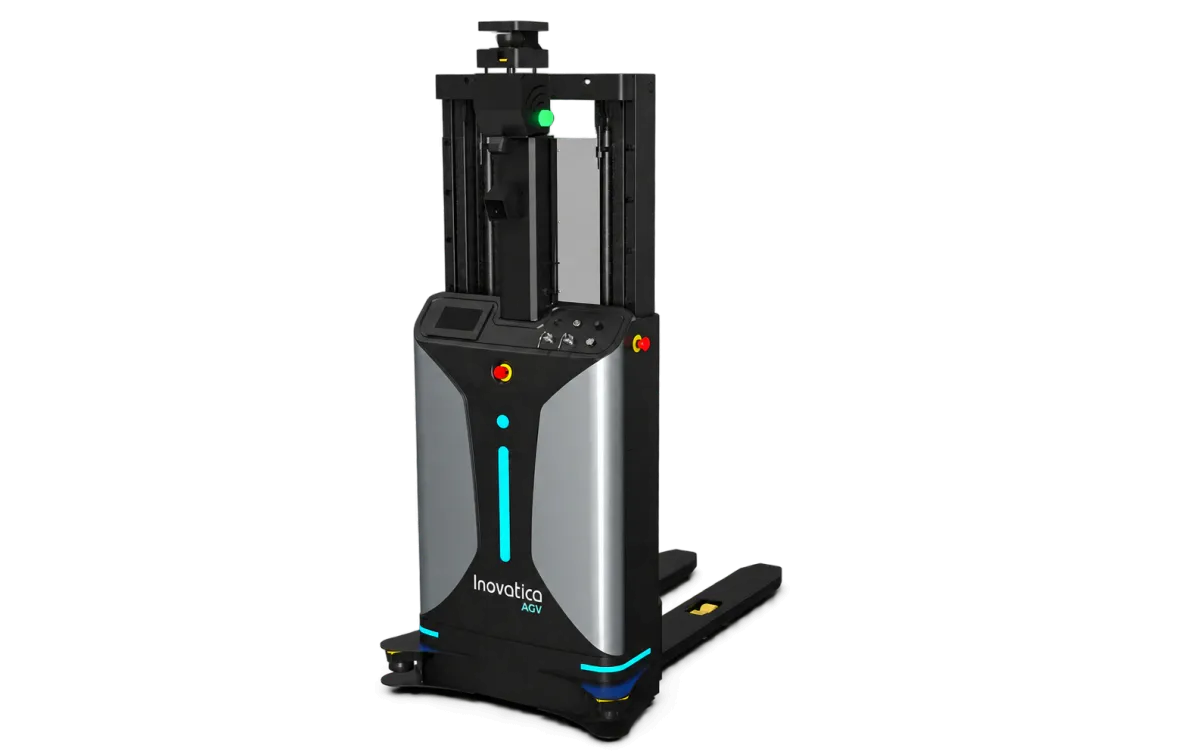
Pallet pickup and placement.
Matched to the load carrier and transfer height.
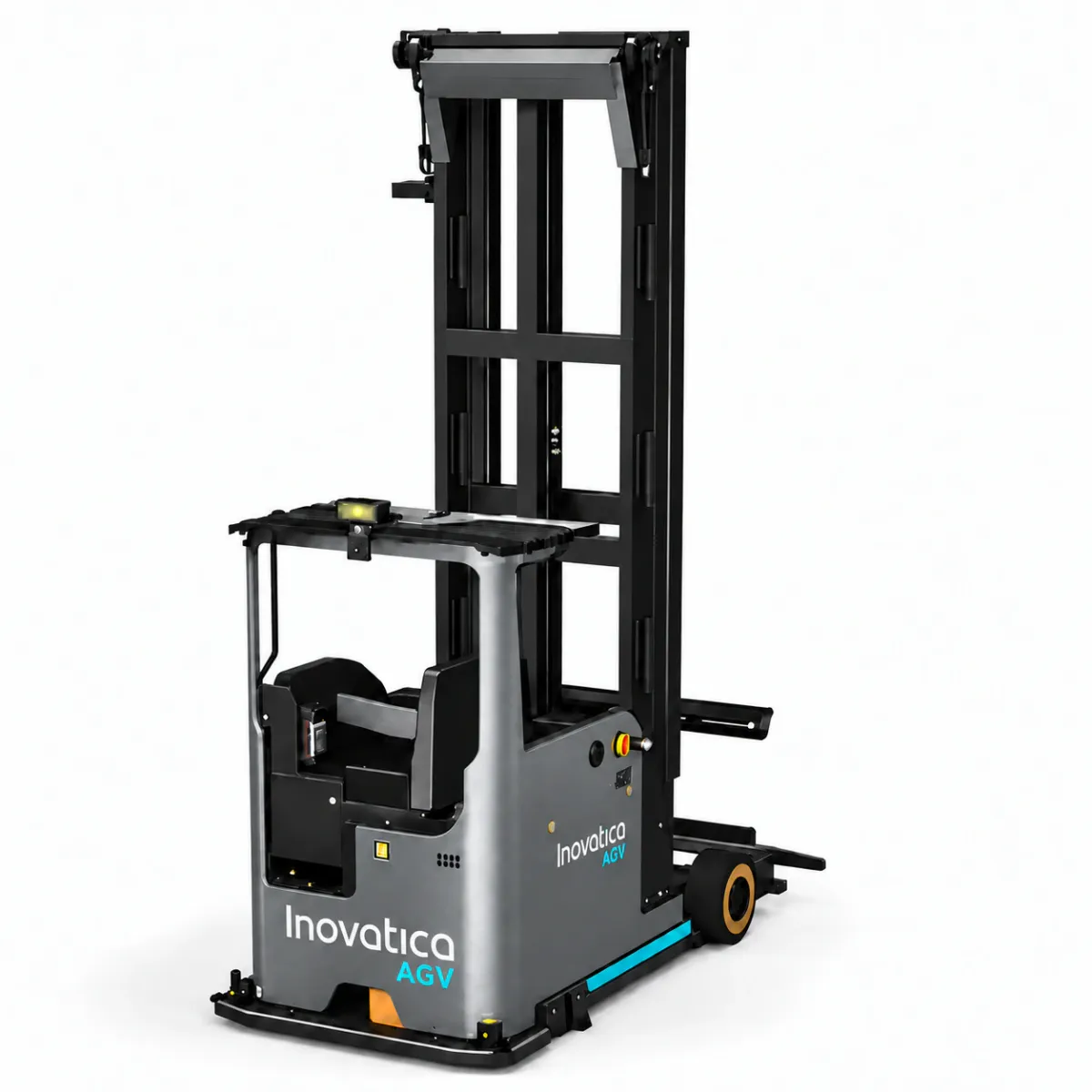
Handling higher rack levels
and warehouses with narrow aisles.
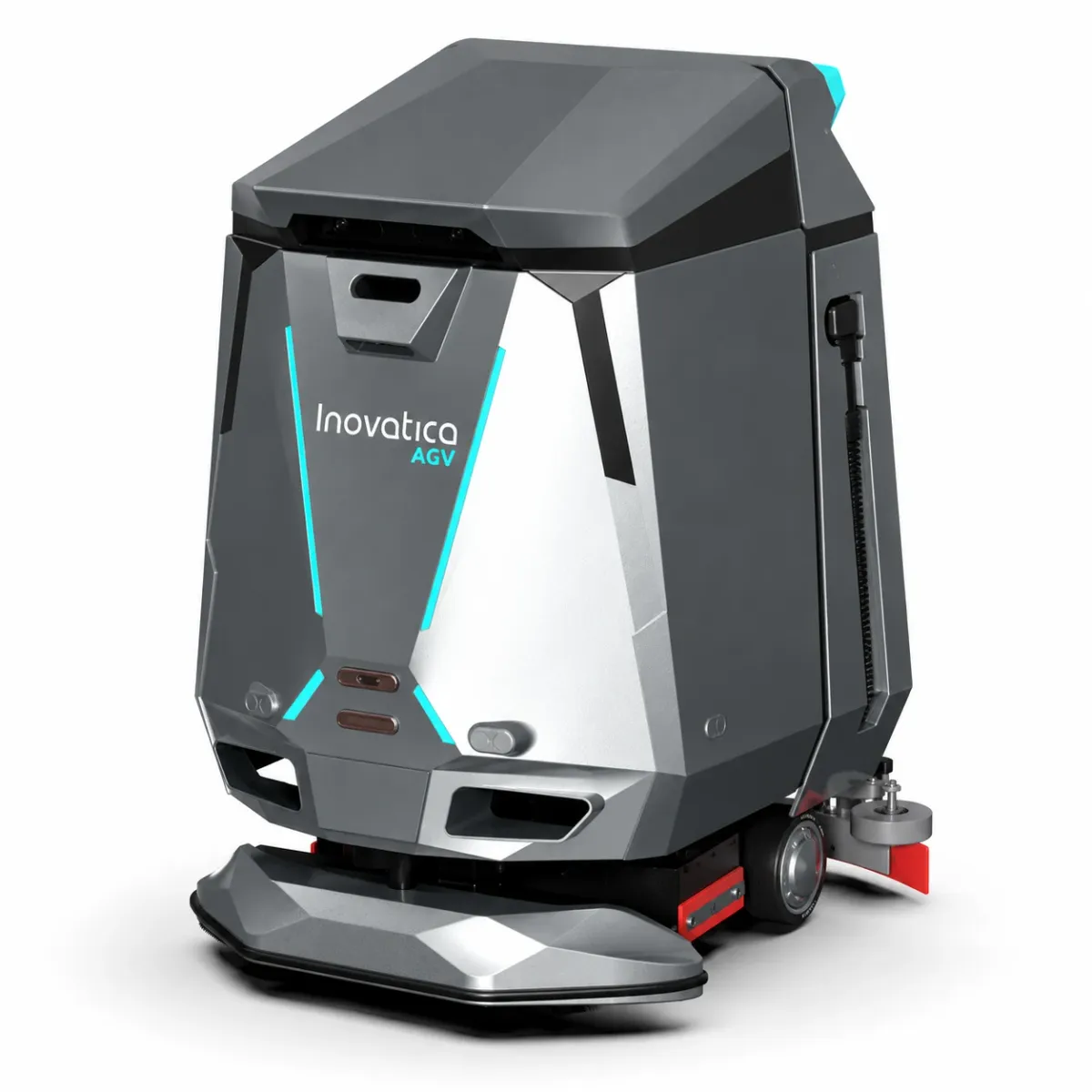
Automated floor care in warehouses and factories.
Projects across industries.
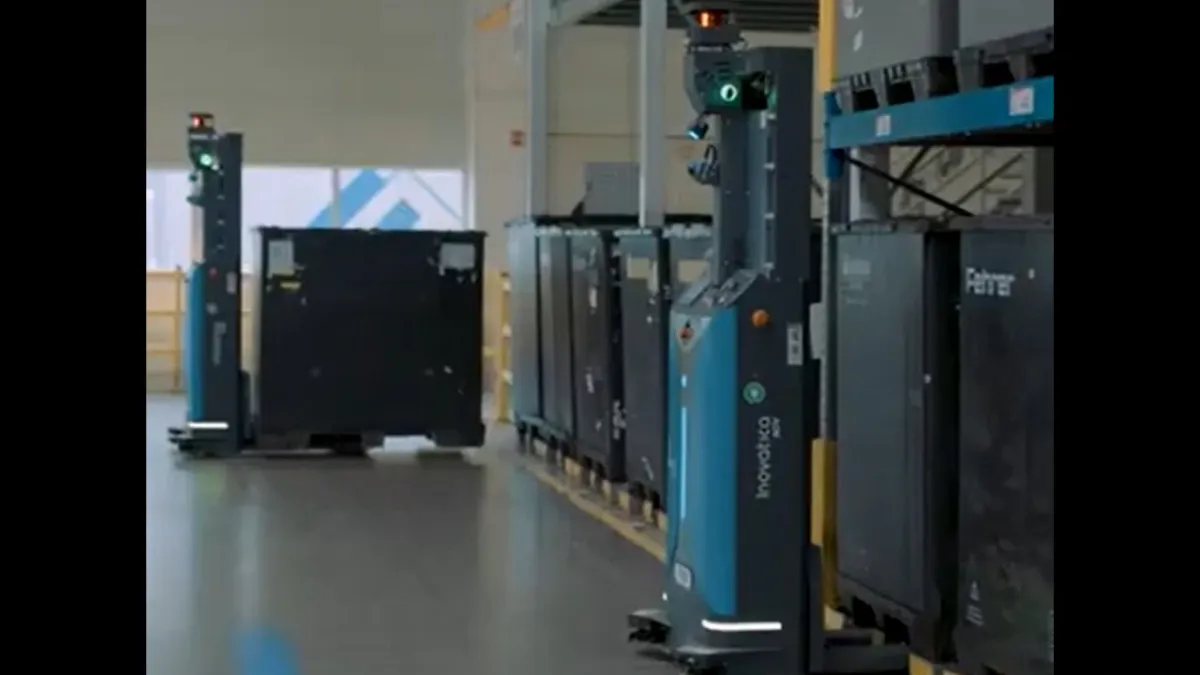
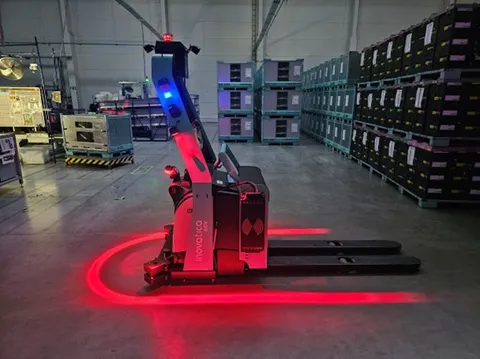
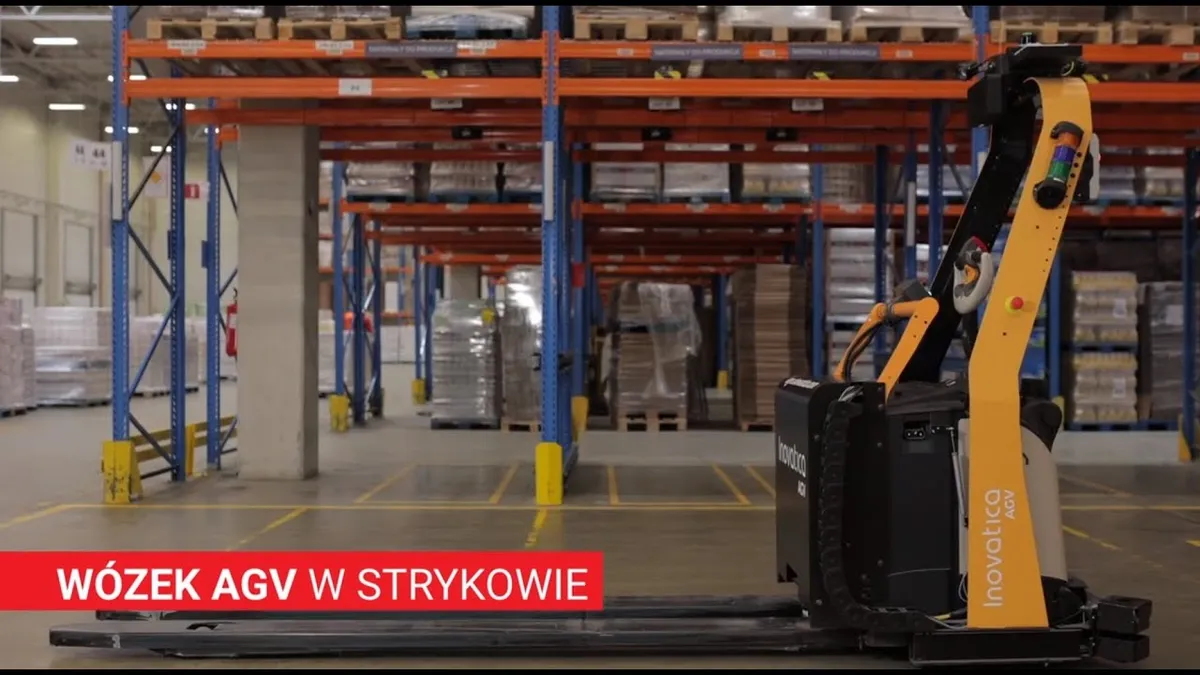
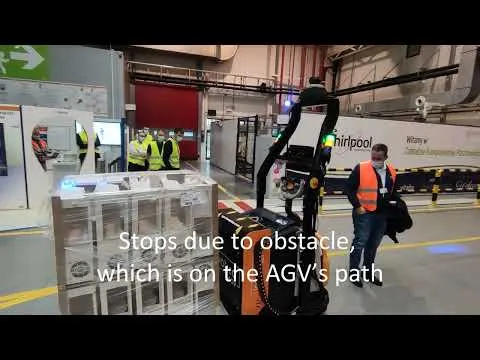
Plan, connect and manage.
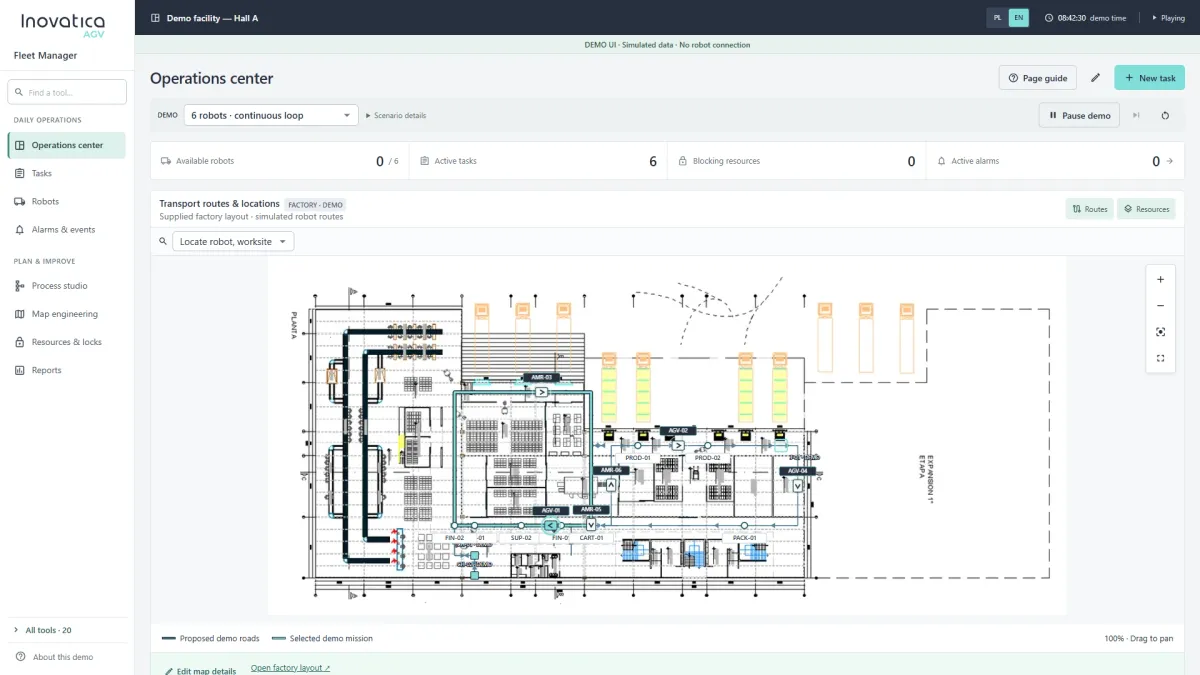
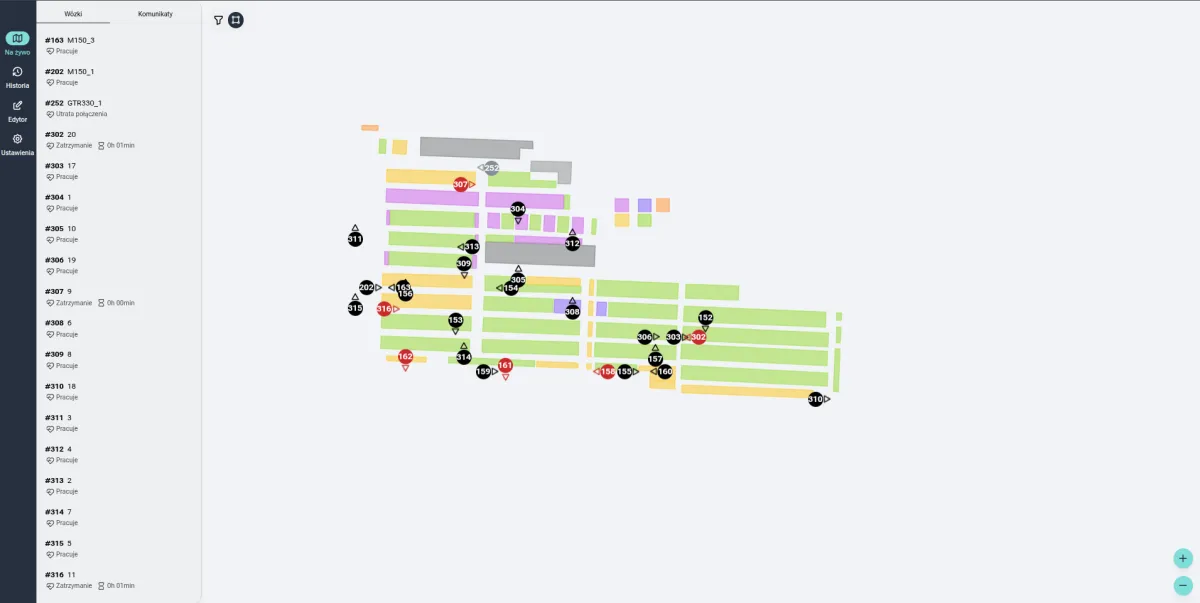
AGV tasks, vehicle assignment, traffic and fleet monitoring.
Explore the system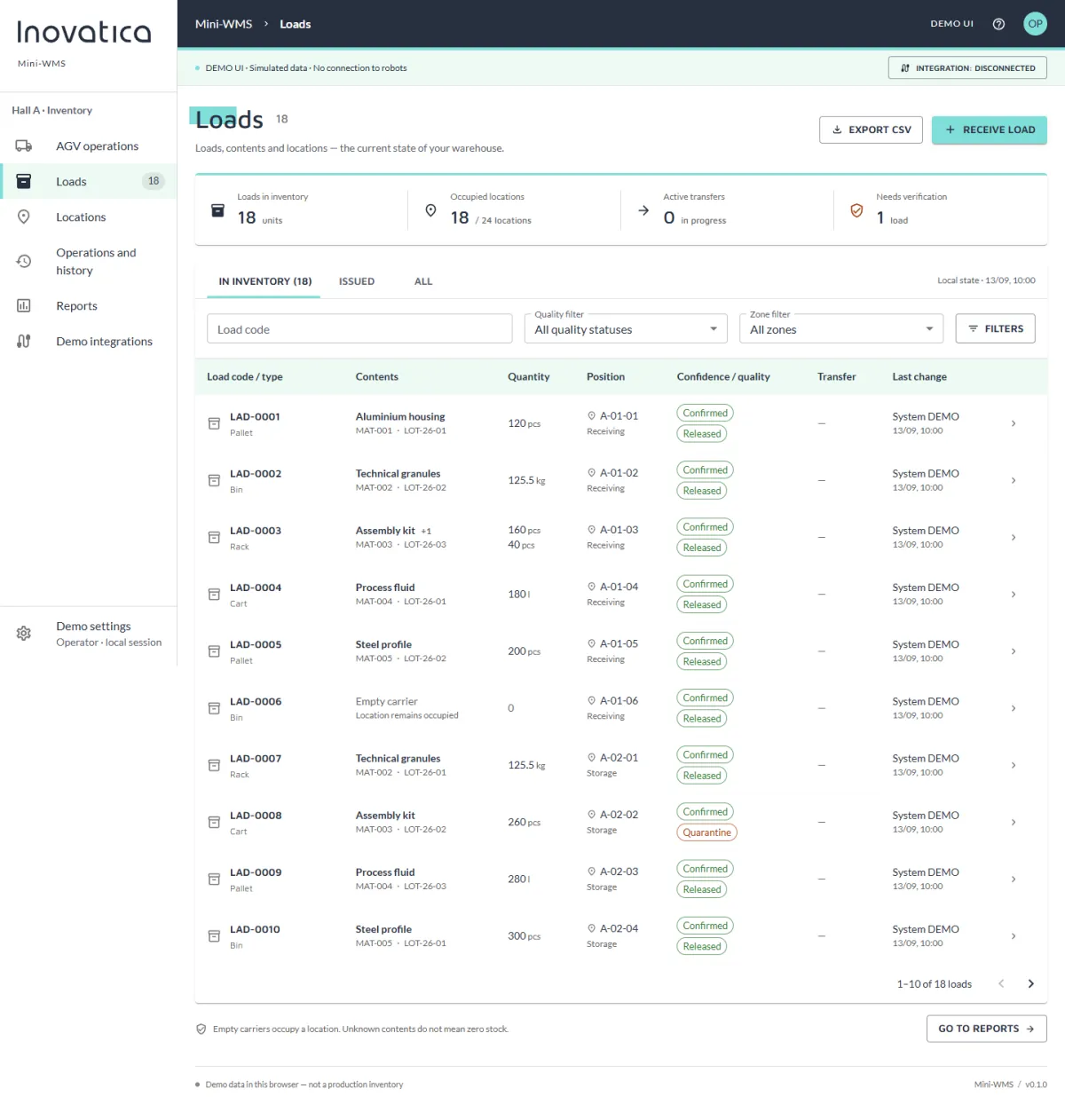
Loads, locations, transport requests and warehouse reports.
Explore the system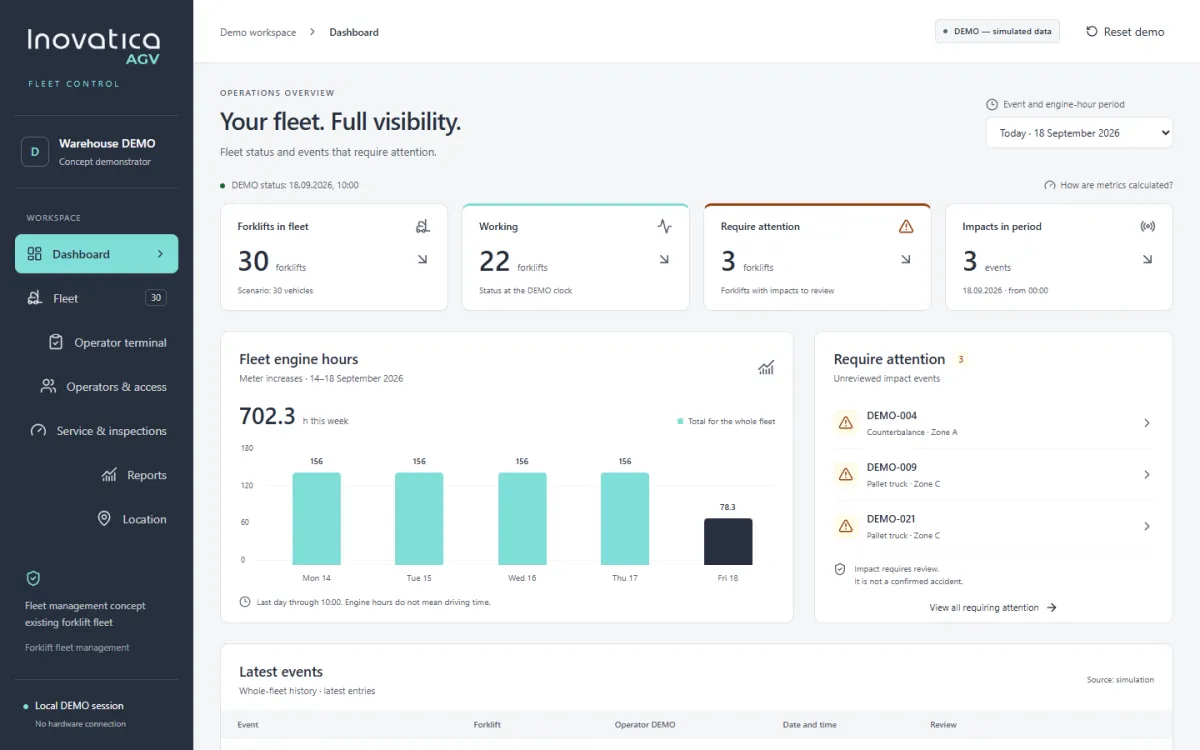
Fleet visibility, operators, checks, service and reporting.
Explore the system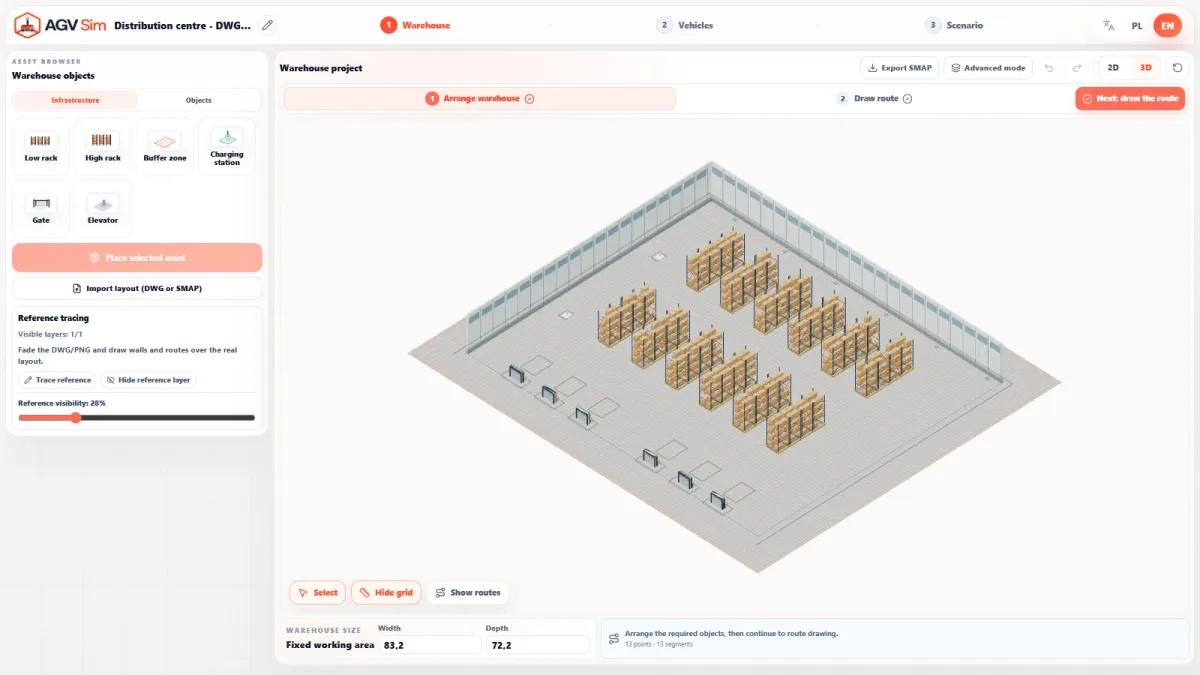
Simulate your warehouse, transport flow and AGV fleet scenarios.
Explore the systemMore demanding scenarios
This solution is built for organizations that want to automate more complex warehouse operations and are ready to approach the project with strong process discipline, safety and data integration.

A solution for sites that need not only transport, but also more advanced and safer warehouse operating logic.
The better the site is organized, the more value and stability the high-bay rollout can deliver.
Success requires logistics, safety, software and operations to work together from the first stage.
The priority is predictability of more complex operations, not automation for its own sake.
This solution does not tolerate chaos in data, carriers or exception logic. Real value appears in companies that treat the project as part of a broader warehouse architecture.
High-bay AGV make sense where the process requires not only transport, but also more controlled put-away and retrieval scenarios.
The solution works best in environments with well-standardized carriers, location data and exception handling.
The rollout requires close cooperation between operations, safety, software and integration, so it works best where the project is treated strategically.
We first organize the environment and the first work scope, and only then add further automation layers.
The specification section has been moved higher so users can quickly compare high-bay models by payload, lift height and process fit.
| Parameter | LA-1430 reach truck AGV Reach truck model for precise pallet put-away with an extending mast. View product | RT-20100 high-bay AGV Model for high-bay storage and pallet handling at greater height. View product | VNA-1590 VNA AGV AGV for high-density warehouses and very narrow aisles. View product |
|---|---|---|---|
| Vehicle type | Reach truck AGV | High-bay AGV | VNA AGV |
| Rated payload | 1400 kg | View configurations | 1500 kg |
| Lift height | 3000 mm | 10000 mm | 9000 mm |
| Navigation | Laser SLAM | Laser SLAM | Laser SLAM |
| Turning radius | R 1482 mm | 1960 mm | R 2240 mm |
| Best fit | rack interfaces and put-away | high-bay storage | very narrow aisle operations |
At this class of solution, success depends on the maturity of the environment and the quality of the project architecture, which is why staging and risk control are critical.
We check carrier standards, location data quality, exception maturity and site readiness for automated work.
We define the working model, priorities, reactions to deviations and traffic scenarios aligned with the site requirements.
The system must be connected with location logic, task statuses and operating rules to work predictably.
We deploy step by step, protecting launch quality, safety and readiness for future automation growth.
If the environment is ready, the project increases predictability of more complex warehouse tasks and builds a stronger long-term system architecture.
We only recommend high-bay AGV where stronger process discipline, data quality and traffic control can translate the complexity of the project into real business value.
High-bay AGV cover more advanced warehouse operations, so the value can extend beyond basic floor transport.
The best return appears when the environment is ready for structured and safe automation.
Staging and standardization are critical so the complexity of the solution translates into real business value.
The solution can cover scenarios that go beyond simple transport and help organize a broader part of the warehouse logic.
When the site is prepared well, the system reduces unpredictability linked to manual execution of more complex tasks.
The rollout organizes data, locations, exceptions and traffic rules, improving the maturity of the whole site.
This class of project requires more coherence between logistics, software and safety, which builds long-term advantage.
The solution can cover scenarios that go beyond simple transport and help organize a broader part of the warehouse logic.
When the site is prepared well, the system reduces unpredictability linked to manual execution of more complex tasks.
The rollout organizes data, locations, exceptions and traffic rules, improving the maturity of the whole site.
This class of project requires more coherence between logistics, software and safety, which builds long-term advantage.
In more advanced operations there is no room for improvisation. Safe rollout requires environment discipline, good data quality and coherent operating logic.

In high-bay AGV projects safety depends not only on the standard task but also on how the system reacts to deviations and blockages.
Carriers, locations and put-away conditions must be standardized enough for the system to work safely and predictably.
The more advanced the operation, the more important a consistent approach to risk, traffic logic and interaction with the environment becomes.
At this level of rollout, safety is the outcome of the quality of the whole project, not only the device parameters.
In high-bay AGV, the most important capabilities are those that support safe execution of more demanding warehouse tasks and keep process discipline high.
A solution for warehouse tasks that need stronger placement control, location discipline and traffic precision.
Designed for environments where the rollout must match data, safety and process logic tightly.
Works best where carriers, storage locations and operating rules are standardized.
Connection with location, task and status logic so the vehicle behaves predictably in the real process.
A base for wider automation growth once the first high-bay scope is stable.
In a more advanced warehouse scenario, rollout, integration and SLA must be designed as consciously as the vehicle itself.
A structured review of carrier standards, data quality, exceptions and site readiness before launch.
Connection with warehouse logic so tasks, locations and statuses stay coherent across the process.
A staged launch model built around safety, quality of start-up and controlled expansion.
Stabilization of the first scope and support for future warehouse automation stages.
A support model matched to the criticality of the warehouse process and expected response time.
In some organizations the best result comes from combining more advanced warehouse operations with organized horizontal and pallet transport first.
A good path for processes that first need a more repeatable and easier-to-control transport scope.

A wider view of AGV deployments for warehouses and manufacturing, with emphasis on ROI, safety and scaling.
When the organization wants to automate more advanced warehouse operations and the process is orderly enough for the rollout to be stable and safe.
Yes. In more complex warehouse scenarios, staging reduces risk and gives better control over launch quality.
Carrier standard, location data quality, exception handling readiness and clear safety and traffic rules.
We can review process maturity, data quality, safety and the scope of the first rollout stage to point to a realistic project direction.
This site uses cookies for core functionality and basic analytics. By clicking "Got it", you accept their use.
Privacy policy