
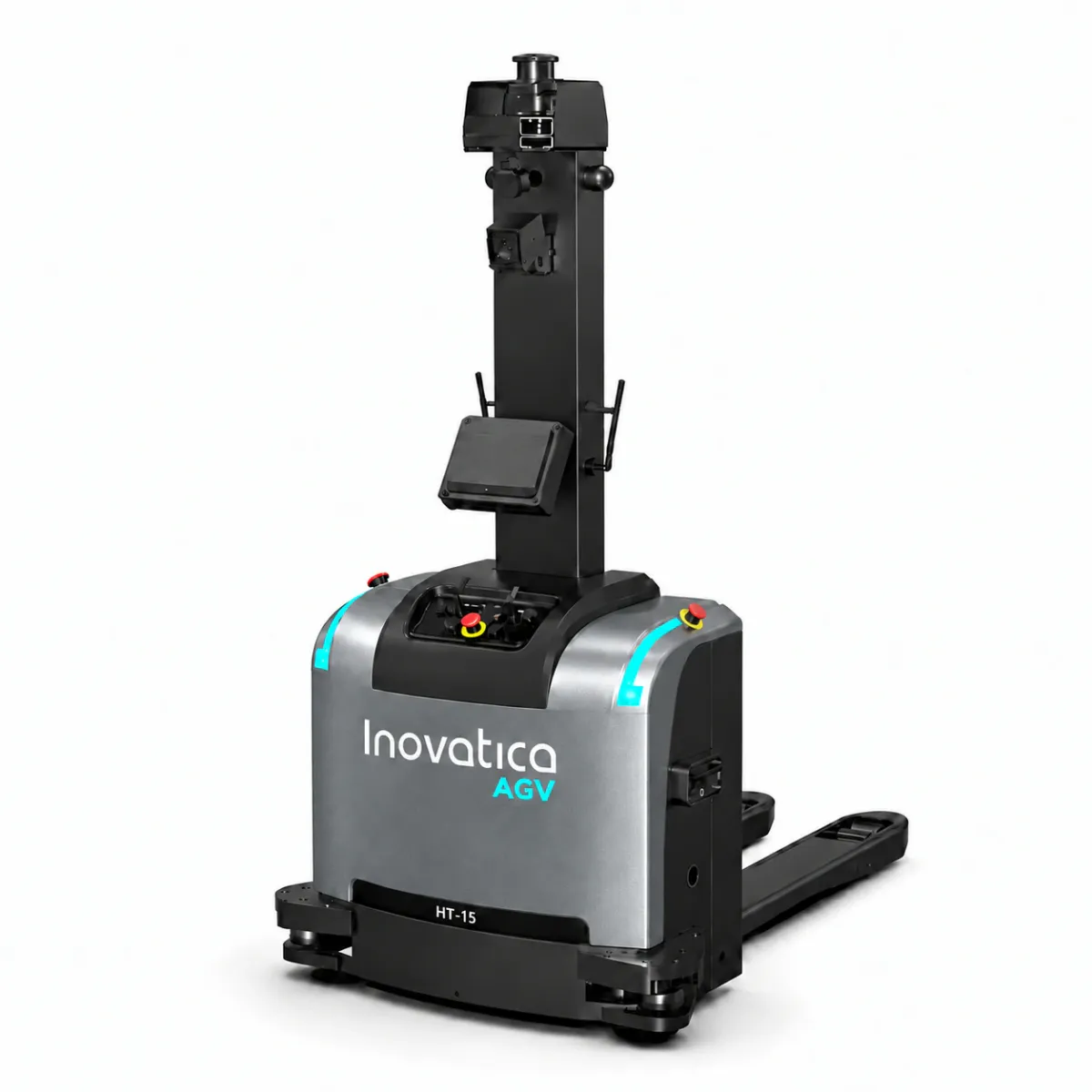
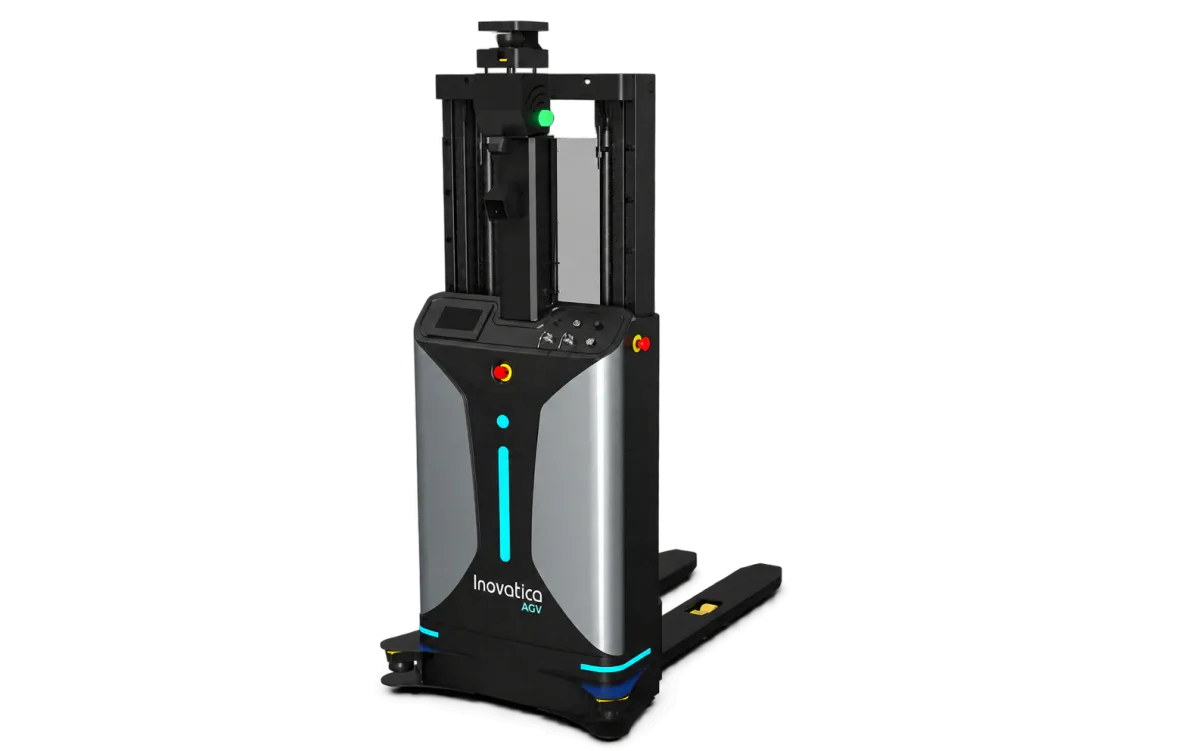
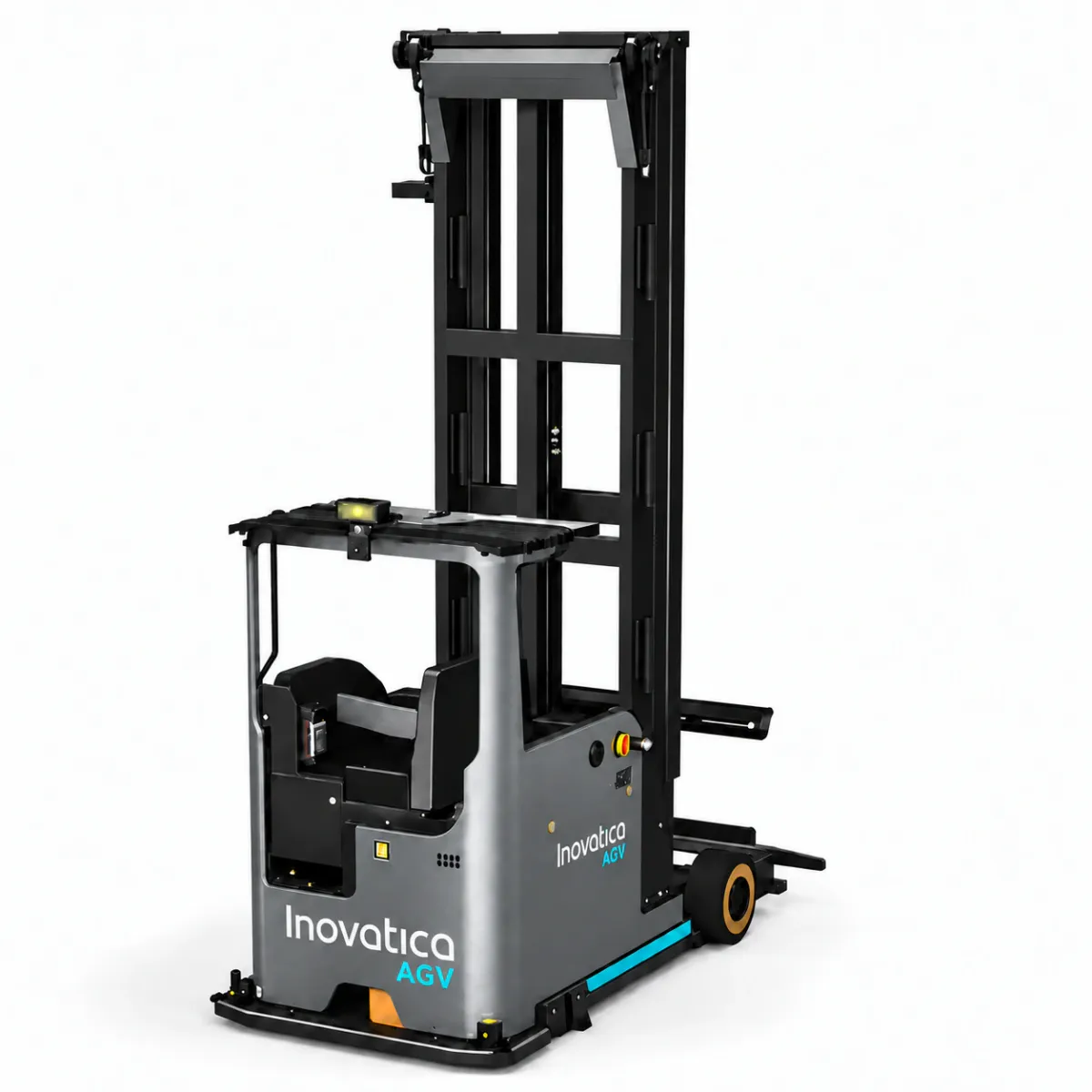
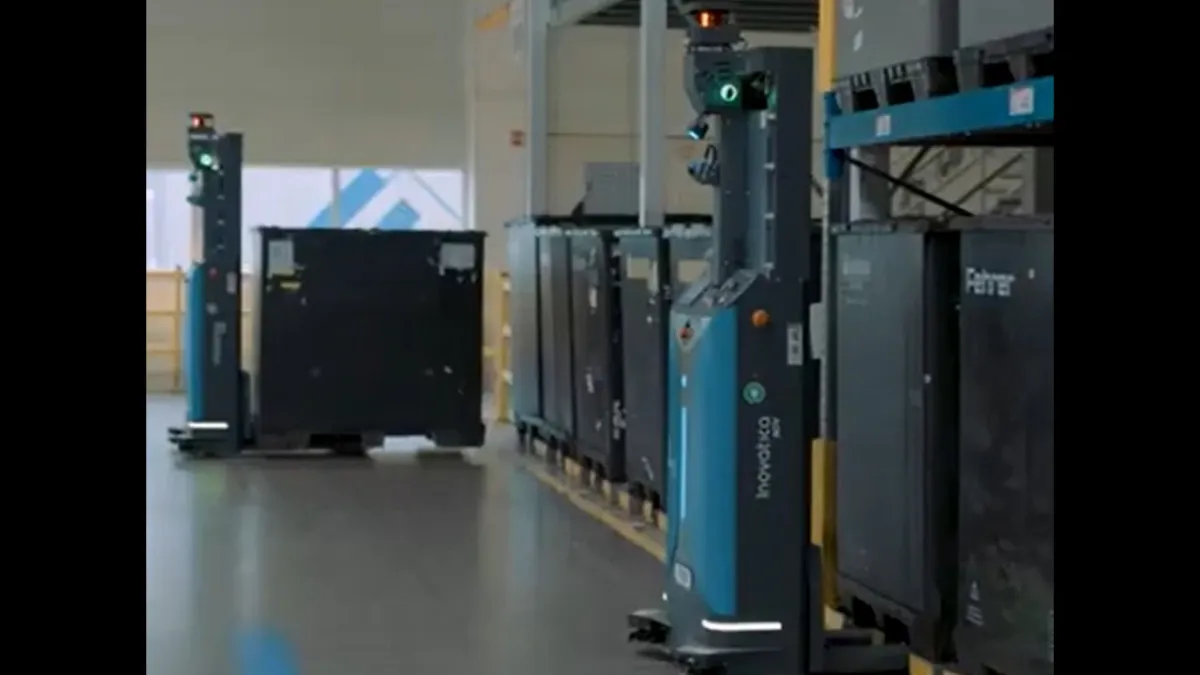
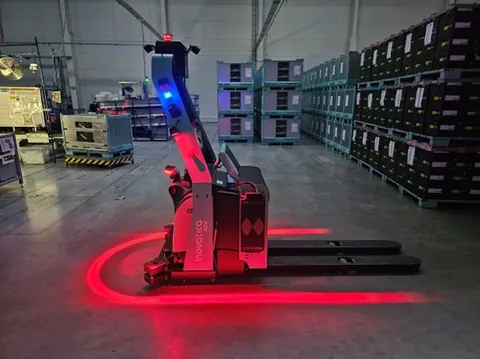
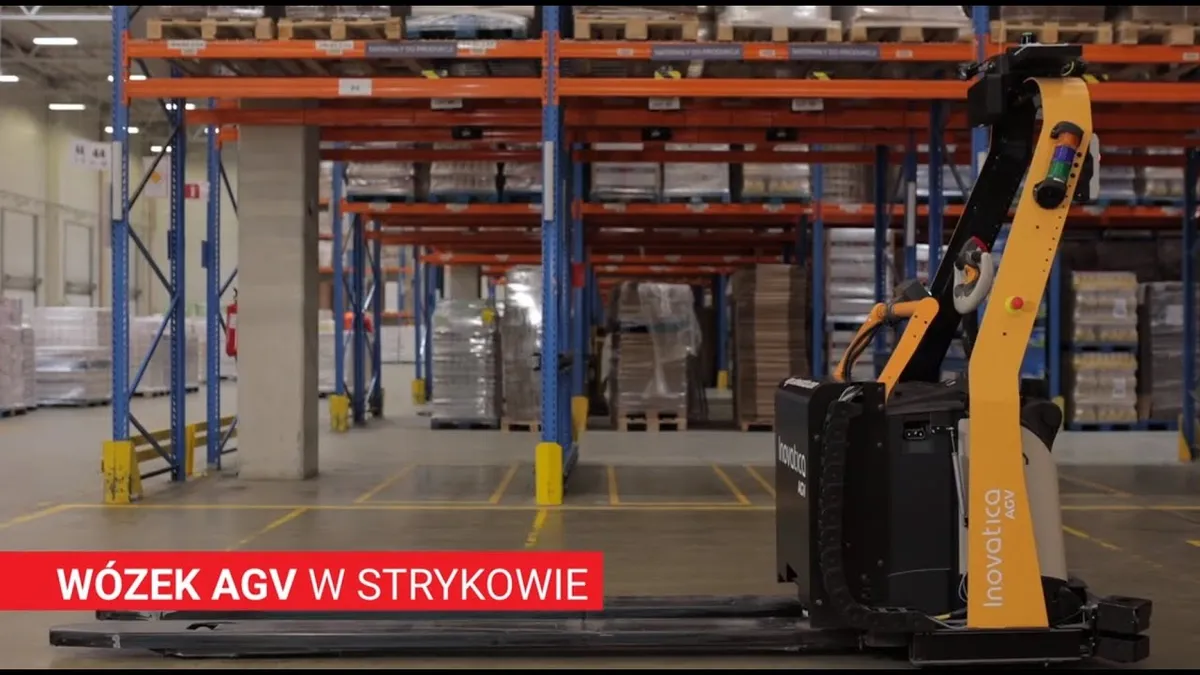
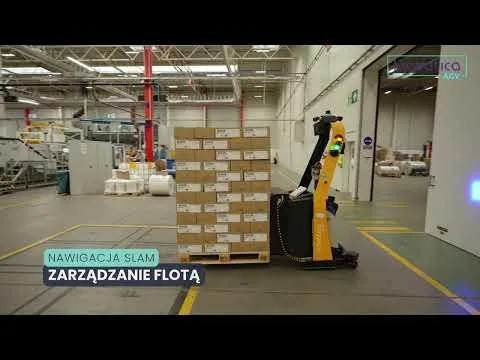
Technology choice should follow the process, not the popularity of a buzzword. AGV usually delivers the best result where routes, transfer points and priorities are highly repeatable, while AMR is more useful when the environment changes often and flexible navigation creates real operating value.
The right starting point is a process map: number of trips, variability of the flow, critical handover points and the consequences of delay. When that analysis is clear, the discussion about AGV versus AMR becomes much more practical and much less theoretical.
For most B2B projects the winning option is the one that stabilizes the first rollout scope fastest. That is why choosing the technology should always be linked to throughput, process risk and ROI, not only to the capabilities of the vehicle itself.
Compare how the system moves and handles change. The name alone does not define payload or performance.
- Map routes and transfer points.
- Check what happens when the route is blocked.
- Evaluate throughput, integration and costs.
AGV and AMR in practice
Same destination. Different route logic.
The route is clear. Transport can proceed.
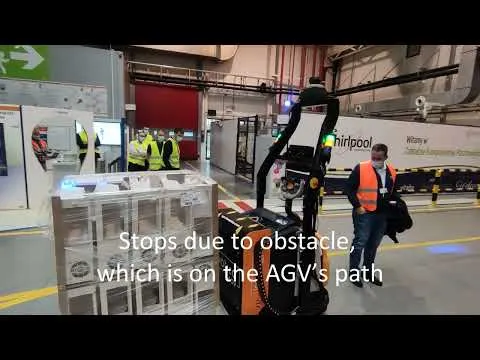
Transport waits for the defined route to clear.
The route is clear. Transport can proceed.
An alternative route is available within the allowed area.
Illustrative example. Actual behaviour depends on the navigation system, permitted zones and safety configuration. Hybrid approaches also exist.
| What matters | AGV | AMR |
|---|---|---|
| Route | Defined physical or virtual routes. | A route planned within the permitted map area. |
| Blocked path | Typically stops and waits for the route to clear. | May choose another permitted path if one is available. |
| Process changes | Review routes and their configuration. | Review the map, zones and traffic rules. |
| Load and throughput | Check the specific vehicle and the full transport cycle. | Check the specific vehicle and the full transport cycle. |
Navigation comparison: SSI SCHAEFER ↗
A floor plan, load details and peak-hour transport demand are a useful starting point for a project discussion.