
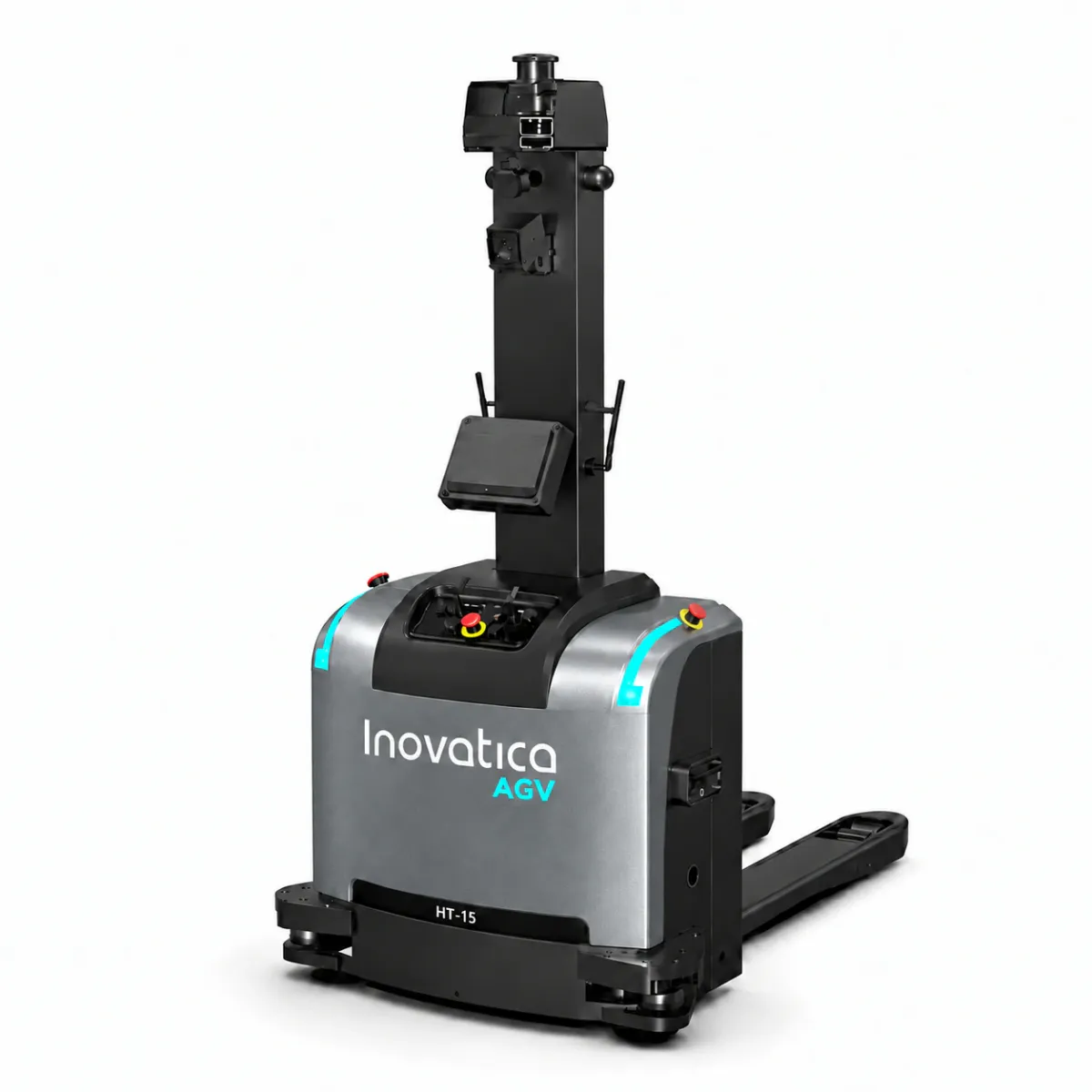
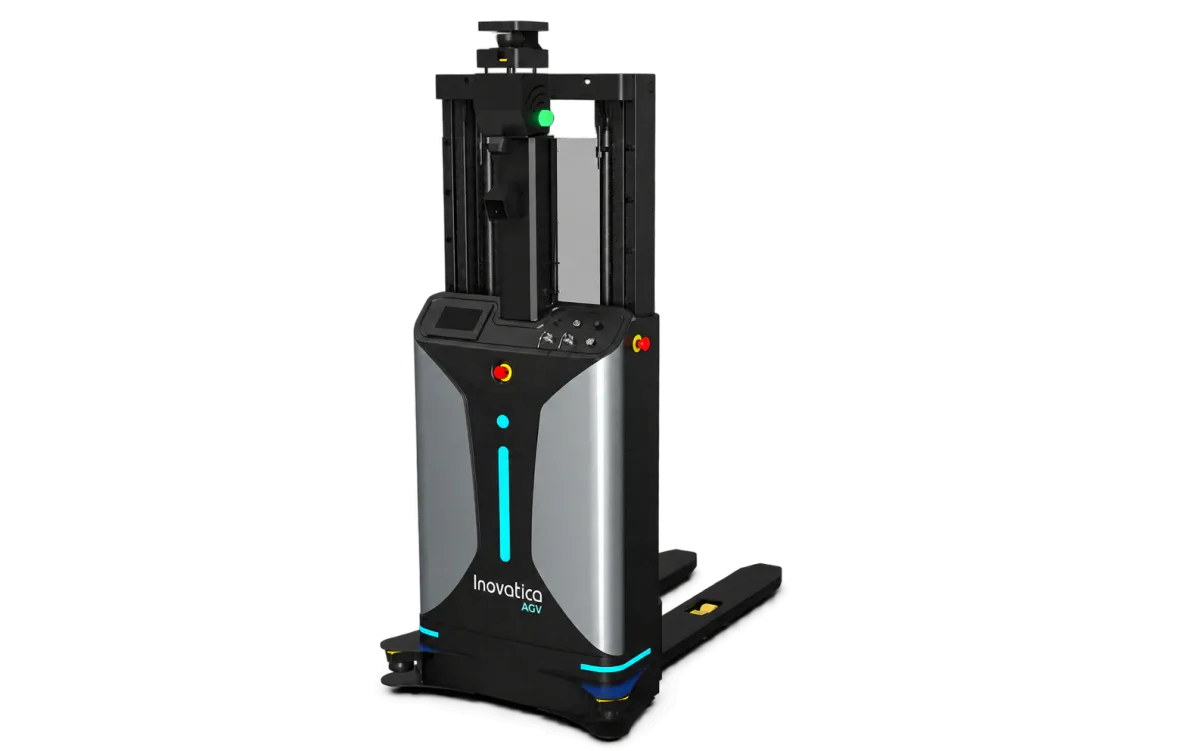
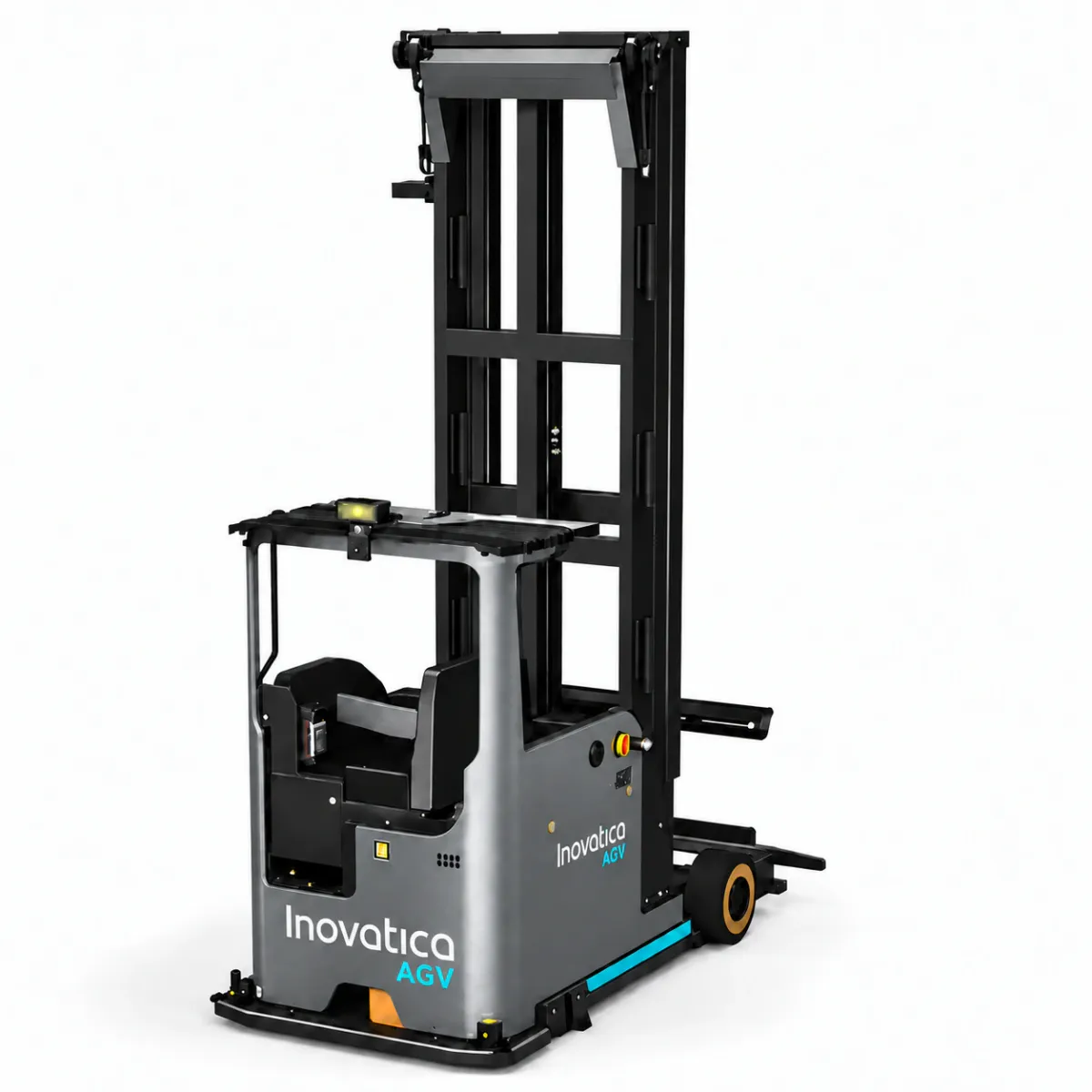
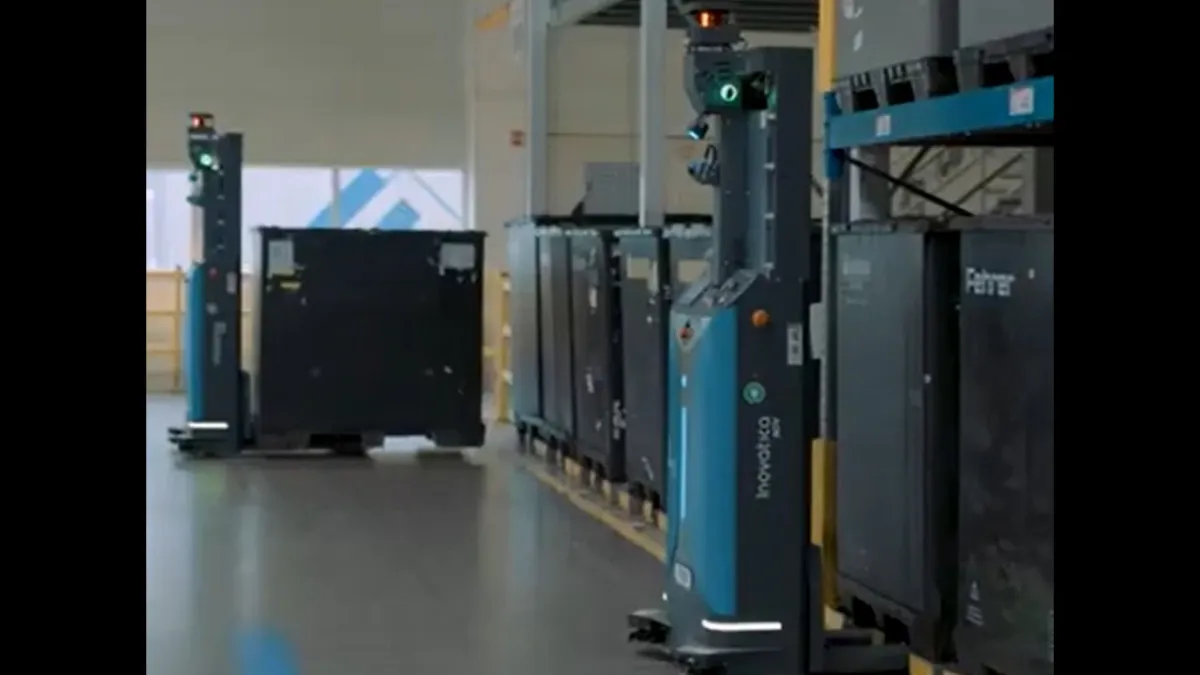
A pallet recognition layer becomes valuable whenever transfer points are not perfectly repeatable or the process includes positioning errors that would otherwise generate failed missions. Vision support helps the vehicle interpret the real condition of the load carrier instead of assuming the ideal one.
That improves repeatability, reduces exception handling and makes AGV deployment more robust in everyday plant and warehouse conditions.
Unstable input conditions are a frequent source of pallet-transport exceptions. Pallets may be shifted, misaligned or partly obscured, while the transfer must still be completed promptly and safely.
A problem that becomes visible during operation
A layout drawing presents repeatable positions. In the working facility, a pallet may be displaced by a few centimetres or more. That can be enough to trigger manual intervention or additional vehicle-position correction in a fixed pickup sequence.
The consequence is less reliable flow, more exceptions and a weaker basis for the expected ROI. Pallet recognition should therefore be treated as a contribution to deployment stability, not merely an optional feature.
The role of machine vision
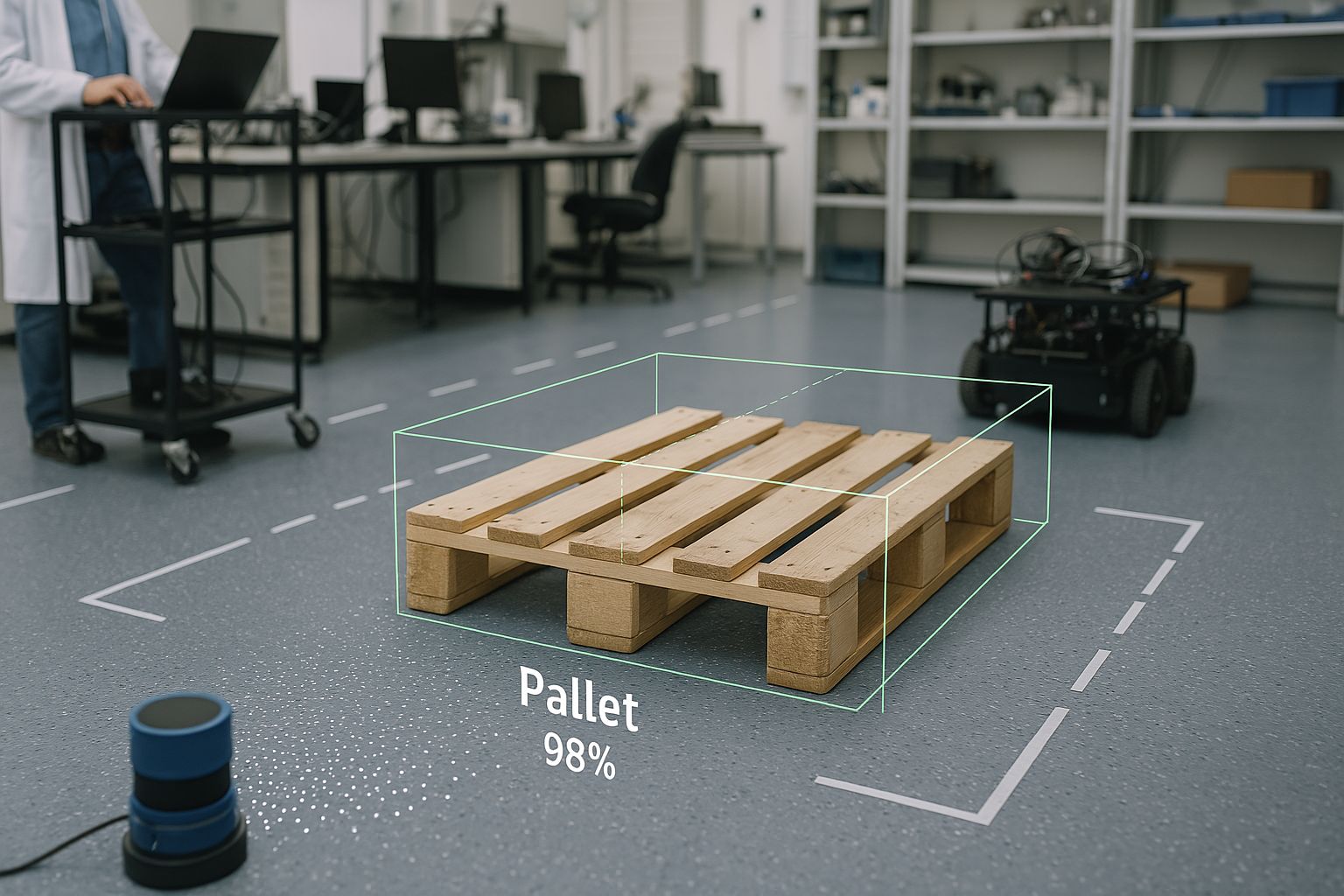
Image analysis can determine pallet position before the final stage of pickup or drop-off. This allows the truck to approach more accurately, reduce failed attempts and limit collision risks caused by a misplaced load.
The benefit depends on performance in the actual warehouse. Testing must account for changing light, different pallet types and variations introduced by people or other vehicles, rather than relying only on laboratory conditions.
Effect on operations
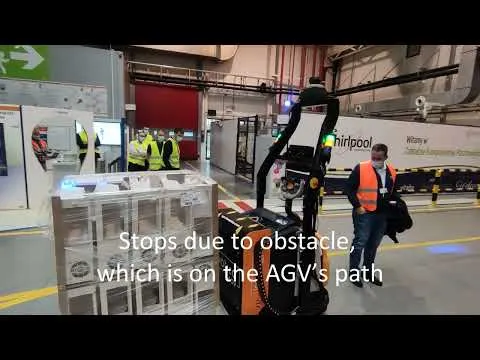
More reliable pallet recognition makes the process more predictable and reduces exceptions requiring an operator or service intervention. For an operations manager, that affects flow stability, safety and readiness for mixed-traffic operation.