
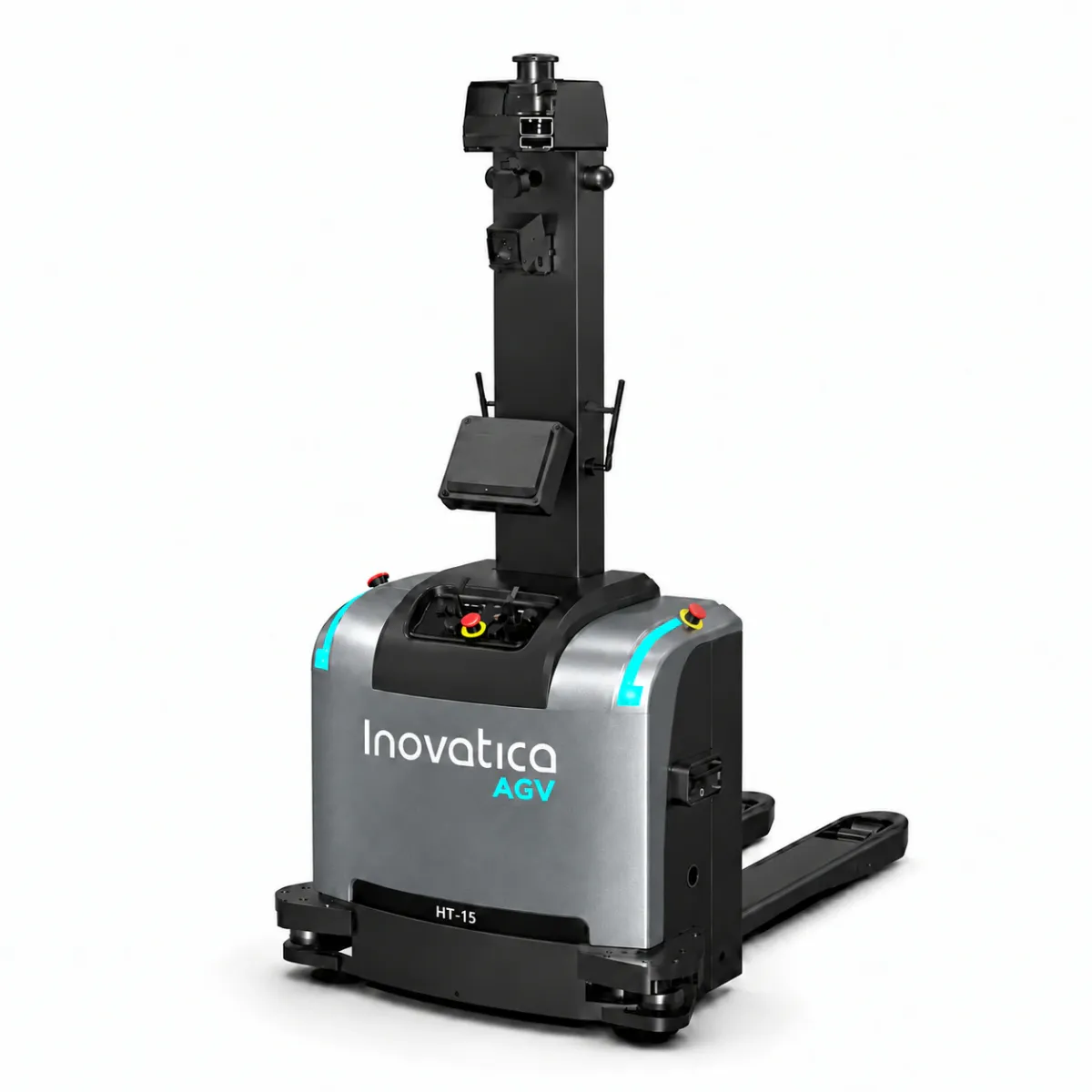
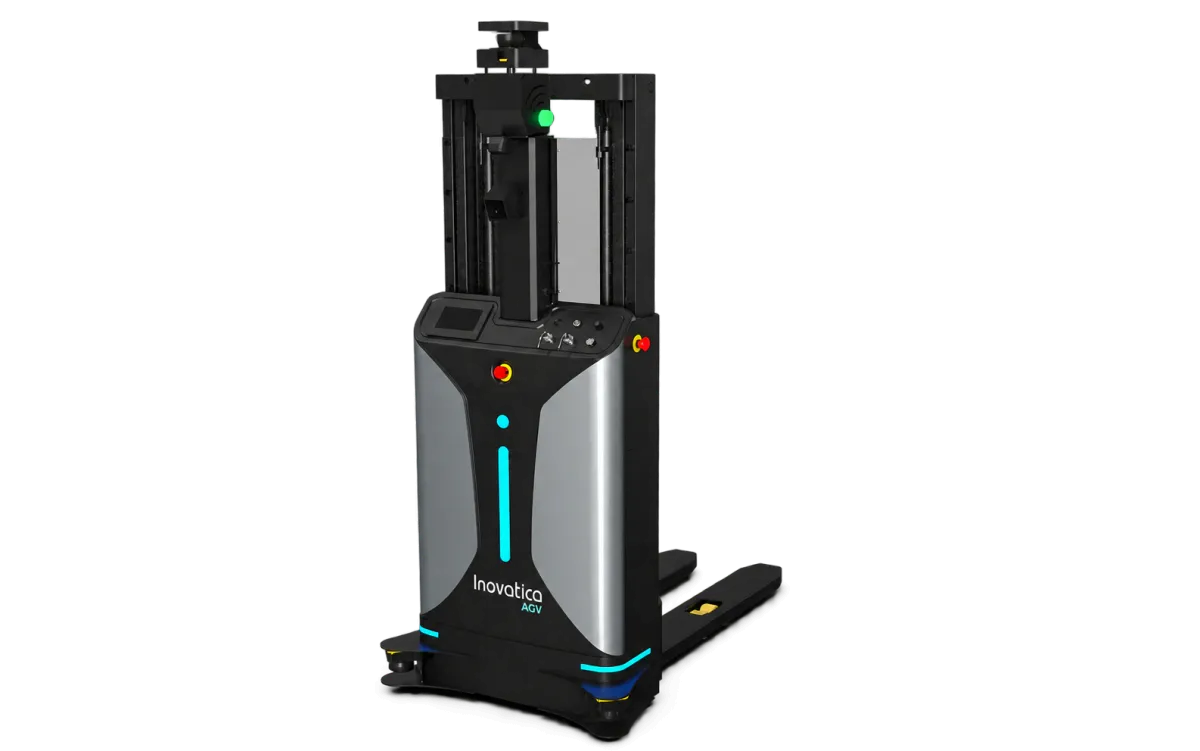
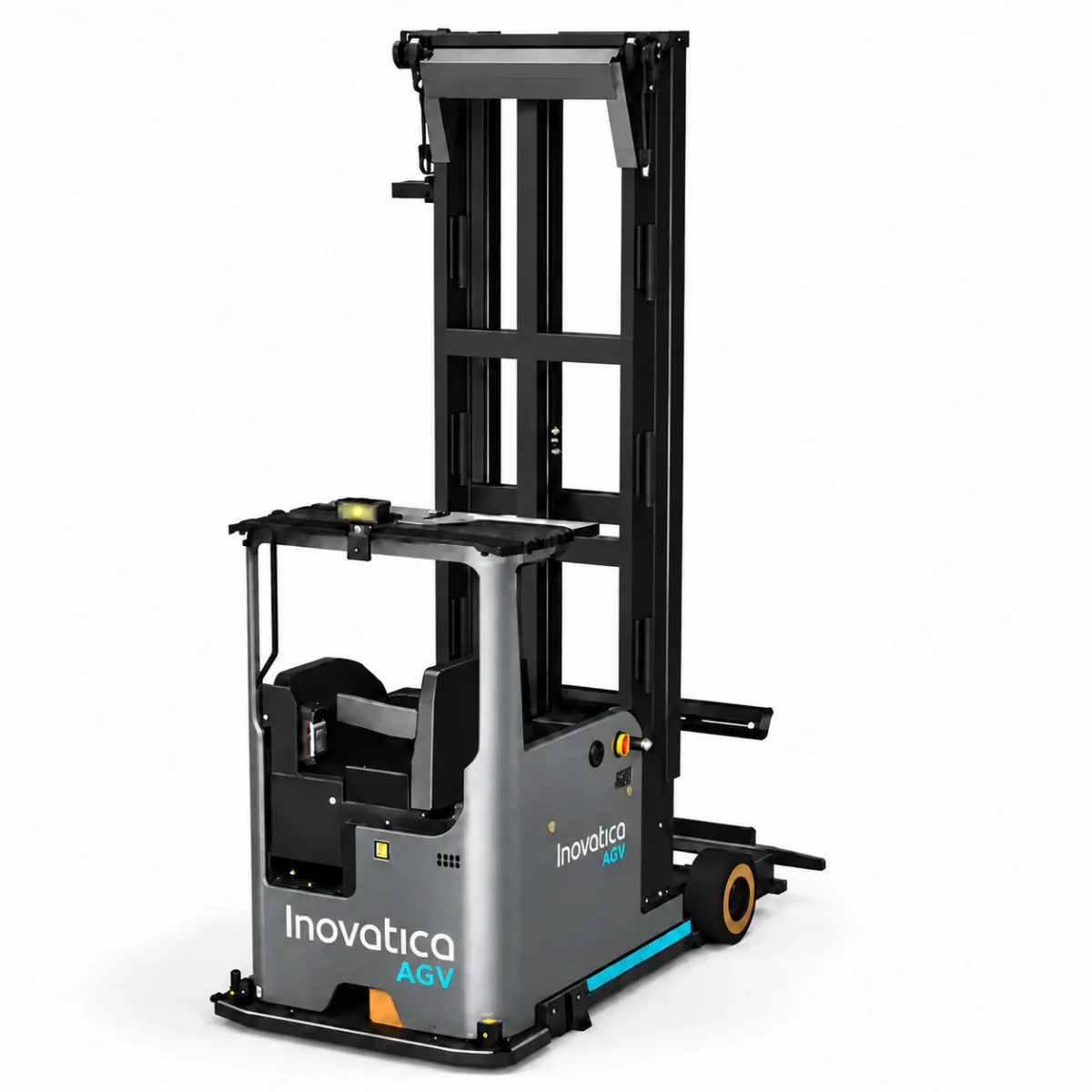
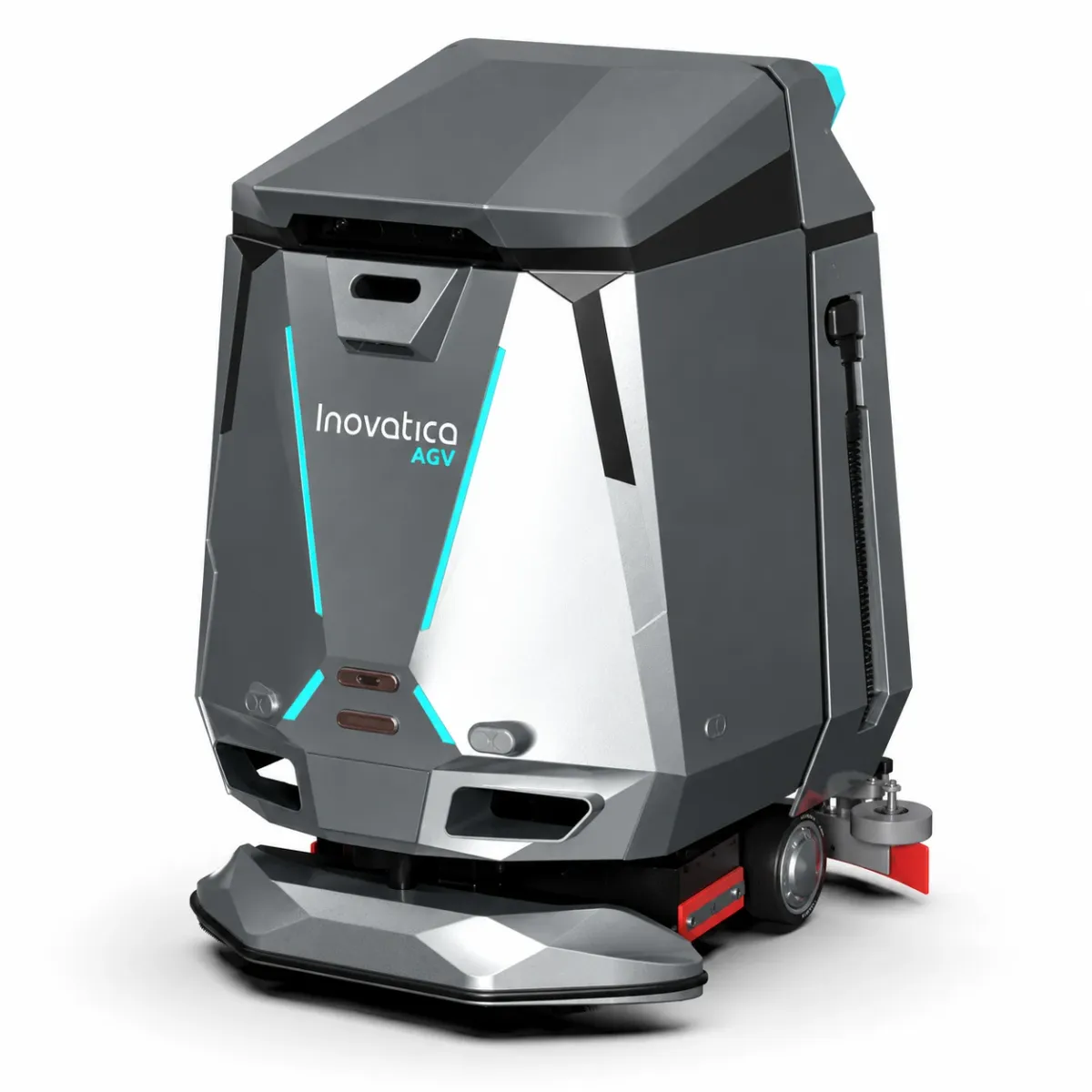
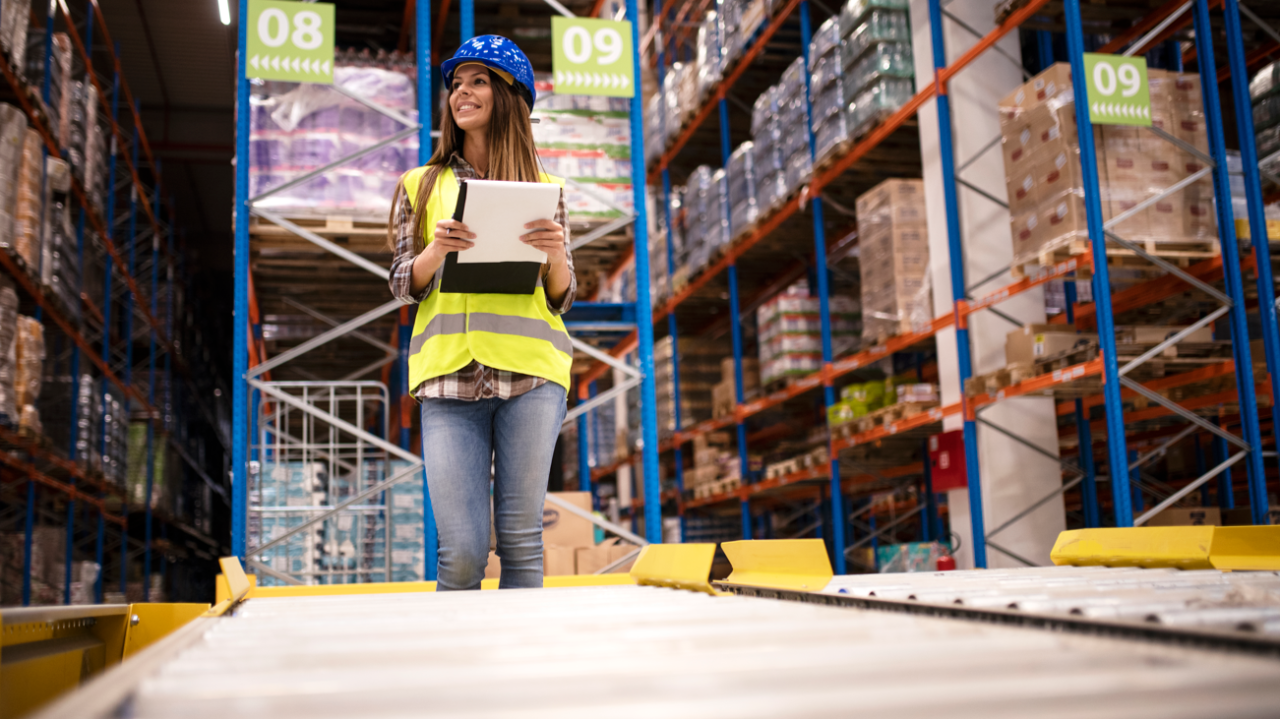
Characteristics of a process suitable for mobile robots
Not every internal transport process is suitable for automation or robotisation. The characteristics of an ideal process below can help when planning tasks for mobile robots.
- Repeatability, consistency and predictability: Processes should recur regularly, be well defined and follow predictable patterns. Autonomous forklifts work best where routes and tasks are stable, without sudden changes or unexpected obstacles. This makes route optimisation and task scheduling easier and reduces the risk of collisions and downtime.
- Safety: Processes should be designed to minimise accident risks. Mobile robots do not understand the working environment and internal traffic rules in the same way as people. Right-of-way rules must therefore be defined for the specific installation through risk assessment and traffic planning. Robots must not be assumed to have automatic priority over people. The design must consider all traffic participants, the necessary safeguards and training.
- Scalability: Design transport processes so that more robots can join the fleet or be reassigned from other processes. This provides flexibility and enables a quick response to changing operational needs, including increased transport volumes or altered routes.
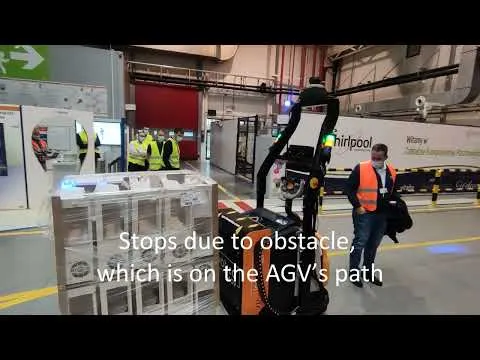
- Clear aisles: Minimise pedestrian and manually operated vehicle traffic in autonomous forklift aisles to avoid stops. This can allow AMRs to travel faster within their validated safety limits and makes transport smoother and more predictable, while reducing collision and downtime risks.
- Safety standards: Account for the safety-zone clearances addressed by ISO 3691-4. Required separation between robots and personnel supports safe operation and employees’ confidence in the technology.
- Parking and battery charging: Plan suitable parking and charging locations for autonomous forklifts. This supports fleet continuity and minimises charging-related downtime.
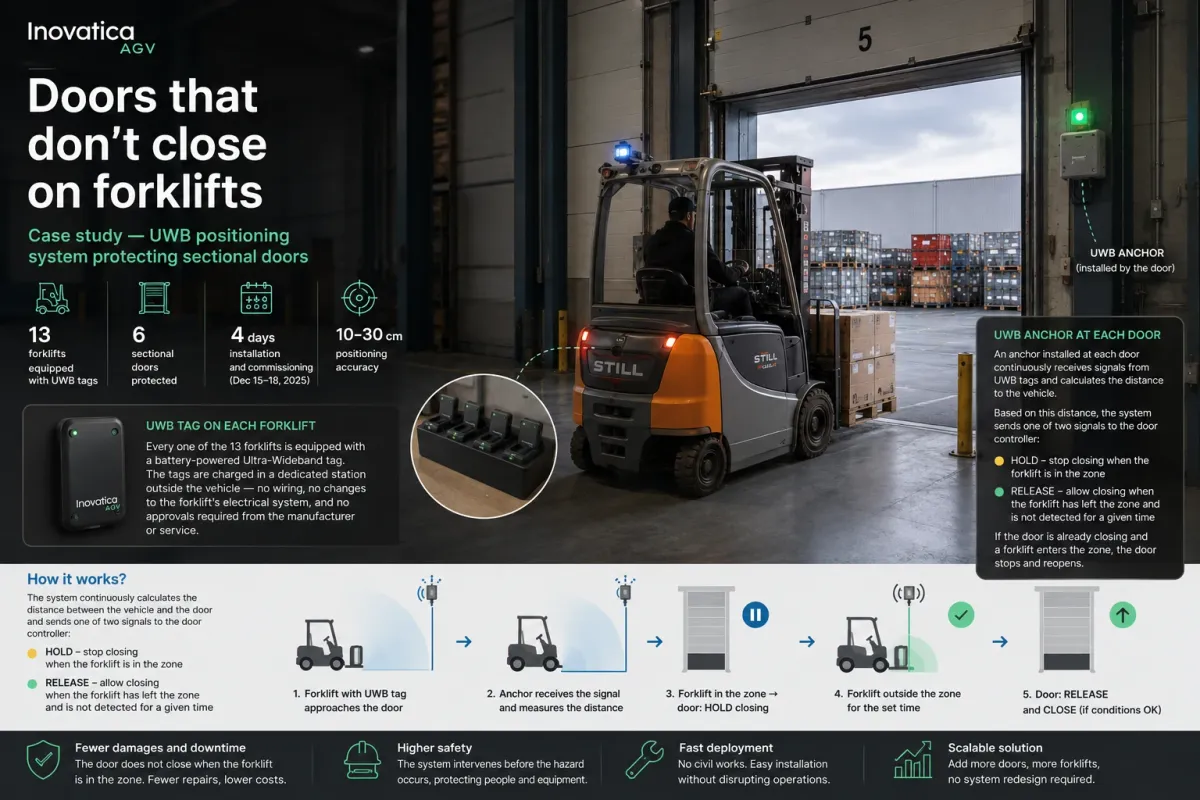
- Door control: Fleet management systems can interface with doors, including fire doors. Consider this integration when designing the process so that opening and closing can support robot traffic while preserving the priority of fire-safety functions and evacuation rules. Agree the integration with the fire-safety system designer and supplier.
Combining these elements supports efficient, safe and smooth autonomous internal transport.
Intralogistics has evolved significantly in recent years, with mobile robots playing a key role in optimizing transport processes. But how do you determine the right internal transport solution for your warehouse or production facility? Below are a few tips on selecting, implementing, and maximizing the potential of mobile robots in modern intralogistics.
1. Analyze Your Current Processes
Before integrating mobile robots, it’s crucial to review your existing internal transport processes:
- Map out material flows: Identify how materials, components, and finished products move through the facility.
- Pinpoint bottlenecks: Look for stages where delays or congestion occur most frequently.
- Establish performance indicators: Determine how you will measure success – speed, volume, safety, or cost reduction.
2. Set Clear Goals
Integrating mobile robots can bring multiple benefits, from faster order fulfillment to reduced operational costs. However, to choose the correct solution, you need specific and measurable objectives:
- Productivity improvements: Shorter lead times or increased throughput.
- Cost savings: Lower labor costs or maintenance expenses.
- Enhanced safety: Reducing the risk of workplace accidents.
3. Select the Right Robot Type and Navigation Method
Different mobile robots use various navigation technologies (e.g., laser-guided, SLAM, or magnetic tape). The best choice depends on factors like facility layout, load capacity, and the required level of flexibility. For instance:
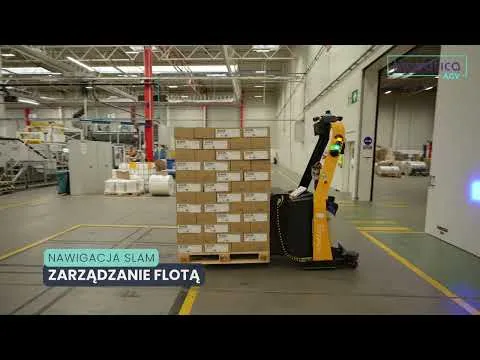
- AMRs (Autonomous Mobile Robots) with SLAM can adapt to dynamic environments, making them ideal for rapidly changing layouts.
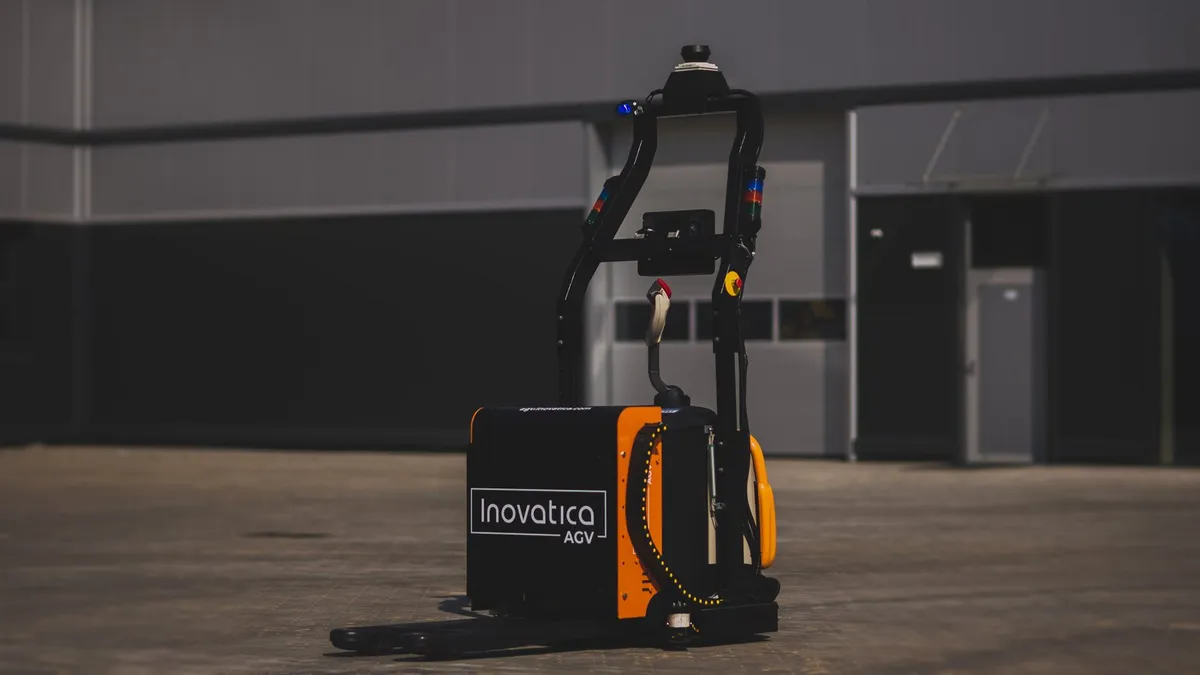
- AGVs (Automated Guided Vehicles) often follow predetermined paths (e.g., magnetic or optical). These can be very efficient in stable, predictable processes.
4. Design for Safety and Compliance
Ensuring the safety of both employees and equipment is critical:
- Safety features: Select obstacle sensors, emergency stops and, where required, light curtains through risk assessment.
- Compliance with regulations: Familiarize yourself with local and international safety standards (e.g., ISO, ANSI).
- Operator training: Proper instruction minimizes risk and fosters a collaborative environment where robots and human workers can function efficiently.
5. Test, Measure, and Optimize
A pilot phase is extremely helpful for refining processes:
- Pilot run: Implement mobile robots in a specific zone or process to test performance under real conditions.
- Data-driven optimization: Use collected data (travel times, number of stops, downtime) to continuously adjust routes and parameters.
- Scaling up: Once the system works well in the pilot area, consider expanding it to the entire facility or additional locations.
6. Plan for Future Growth
Mobile robots should be seen as part of a broader strategy for automation and growth:
- Modularity: Choose solutions that are easy to expand and integrate with new technology.
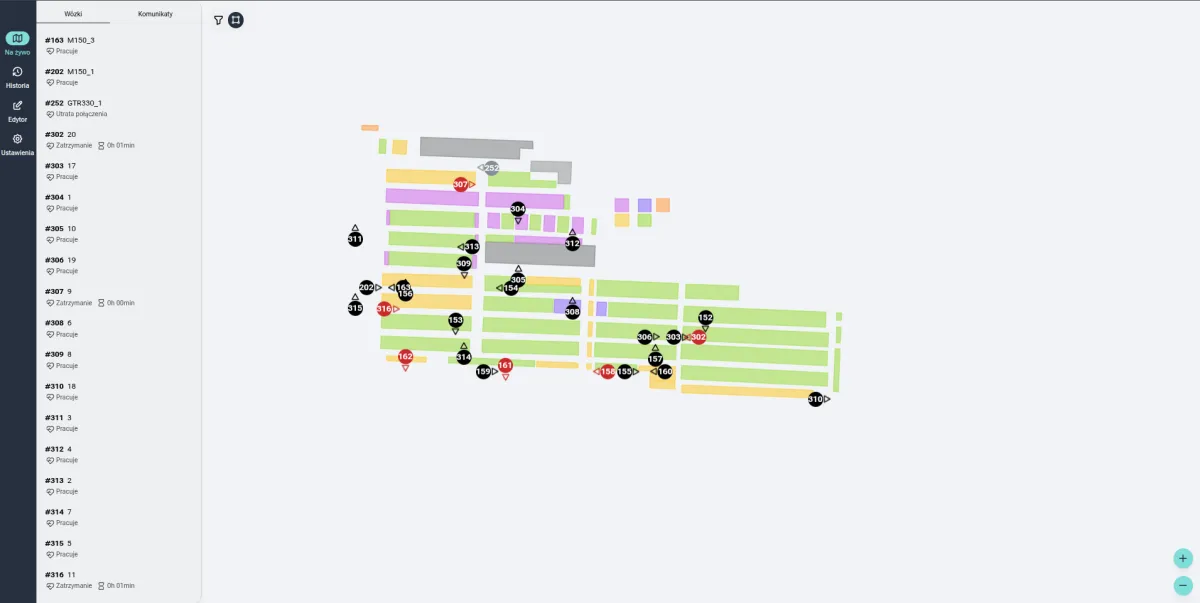
- Collaboration with other systems: Ensure robots can communicate with WMS (Warehouse Management Systems) or ERP platforms.
- Regular reviews: Schedule periodic assessments to see if the technology is still meeting evolving business needs.

Conclusion
Choosing the right internal transport process for mobile robots involves understanding your facility’s specific requirements, setting clear goals, and thoroughly testing the proposed solutions. A well-planned approach can reduce costs, increase productivity, and create a safer working environment. By integrating mobile robots wisely into your intralogistics strategy, you’ll be ready to adapt to the challenges of Industry 4.0 and beyond.
Scope of ISO 3691-4:2023 — safety of driverless trucks and their systems.