




Skip to content
News / Pallet transport

Pallet transport automation in practice: from the first route to full scale

How to approach pallet flow automation so the operation sees value quickly without overloading the deployment with too much scope at the start.

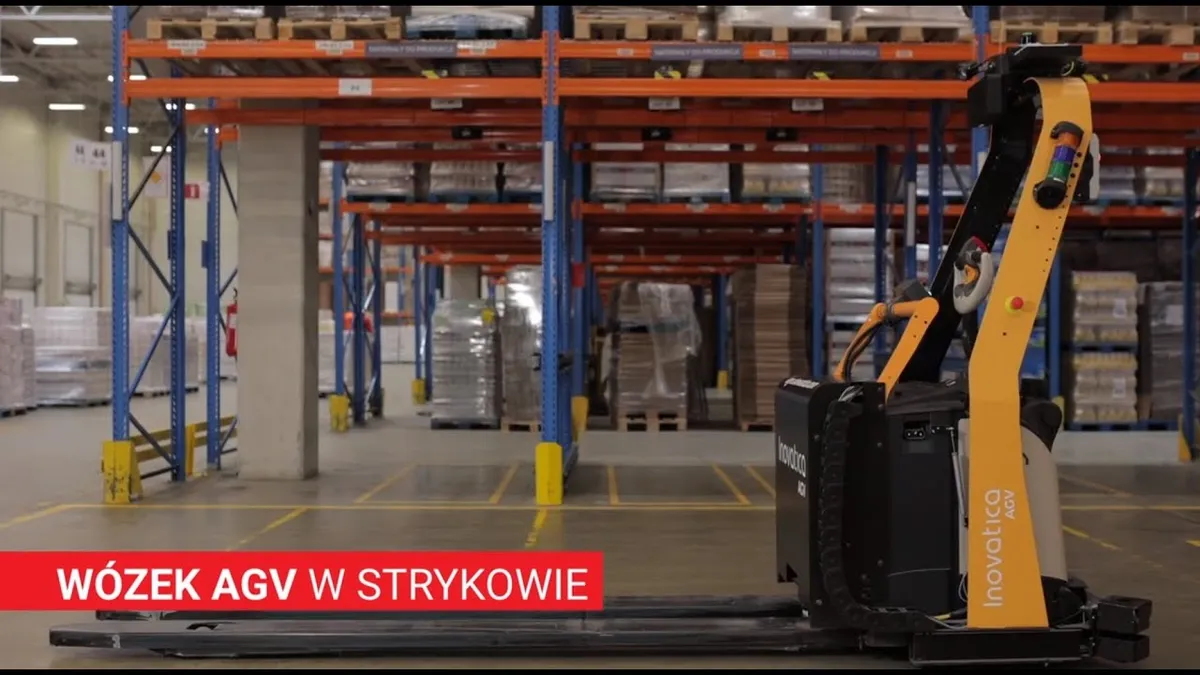
Pallet transport automation delivers the fastest result when the company starts from one route that is repetitive, easy to measure and operationally important. That makes it possible to verify the impact on trip time, stability and throughput without turning the rollout into a large transformation project.

The first route should be selected based on frequency, predictability and business effect. In many plants the best candidate is a fixed transfer between warehouse, buffer and production because it quickly exposes both the savings potential and the hidden process constraints.

Once the first relation is stable, the rollout can be extended to new zones with far lower risk. This staged model is one of the strongest ways to build AGV value in internal logistics.

How to read this update

What this news item means for a live AGV project

A news item is most useful when it helps you understand whether the topic changes timing, technology risk or rollout assumptions for your own automation plan. Not every trend matters equally for every plant.

Use the article to decide whether the subject is strategic, operational or only informative. That makes it easier to separate industry signal from items that do not influence your next project step.

Impact on timing

Check whether the topic affects when you should start a pilot, prepare infrastructure or revise the rollout sequence.

Impact on scope

Compare the message with your carrier type, transport density and system-integration scope before treating it as a direct recommendation.

Impact on decision

After reading, decide whether this is a topic for management, operations or the technical workshop so it feeds the right conversation.

Project takeaway

Translate the topic into the next project question

After reading the update, ask whether it changes your rollout timing, the size of the pilot, the readiness of the site or the way you should frame risk for internal stakeholders. That is where a market signal becomes useful for a live project.

The goal is not only to stay informed, but to decide whether the topic belongs in the management discussion, the technical workshop or the operating model review for the target flow.

In practice, the best use of the article is to convert it into one clear follow-up question for the project team instead of treating it as standalone industry news.

Pilot timing

Use the article to decide whether the pilot should start sooner, wait for more data or stay within the original sequence.

Scope fit

Check whether the message really matches your carrier logic, route density, staffing model and integration depth before acting on it.

Decision owner

Assign the topic to the right conversation so it supports a real decision instead of becoming another isolated industry update.

Next step

Do you want to translate this topic into your own process?

We can review your operational assumptions, point to the matching AGV / AMR use case and estimate where this topic creates the first business result.