
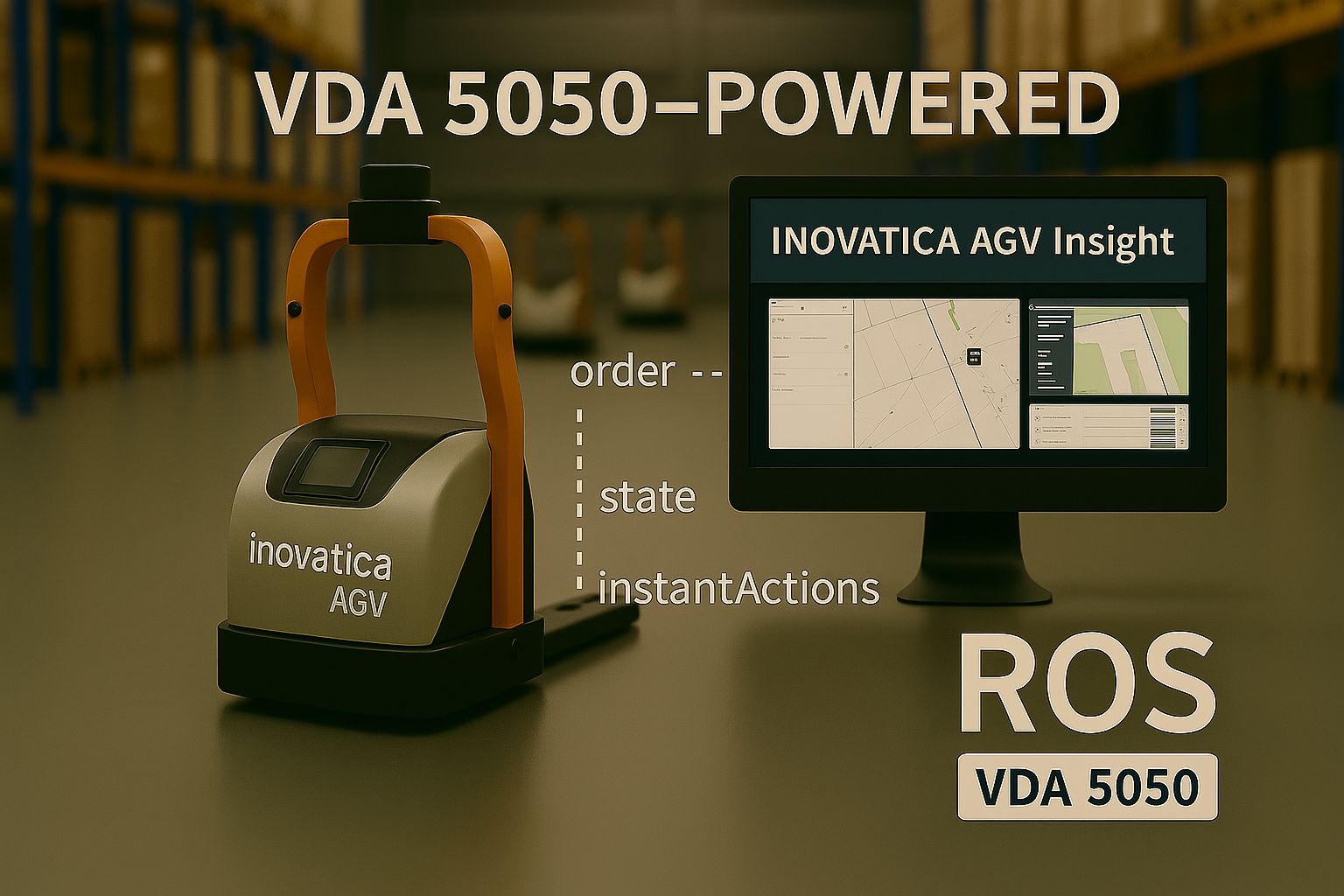
VDA 5050 is valuable because it creates a clearer communication layer between fleet execution and higher-level orchestration. This matters especially in environments where scaling, multi-vendor thinking or future system flexibility are important from the start.
The standard does not replace process design, but it can significantly improve the structure of task exchange, state visibility and long-term integration planning. That is why it is increasingly relevant in modern AGV system architecture.
For operations teams, a communication standard is a means of reducing integration risk and making system expansion more predictable, rather than a project goal on its own.
Why the standard matters
Integration becomes particularly demanding when automation grows in stages. The first fleet may work well, but each additional vehicle, task scenario or interface can require changes on both sides. VDA 5050 provides a shared structure for exchanging orders and status information.
The interface described by VDA is between a central control system and mobile robots. It is not a universal ERP, WMS or MES connector. A project still has to define the supported version, functions and responsibilities on both sides of that interface.
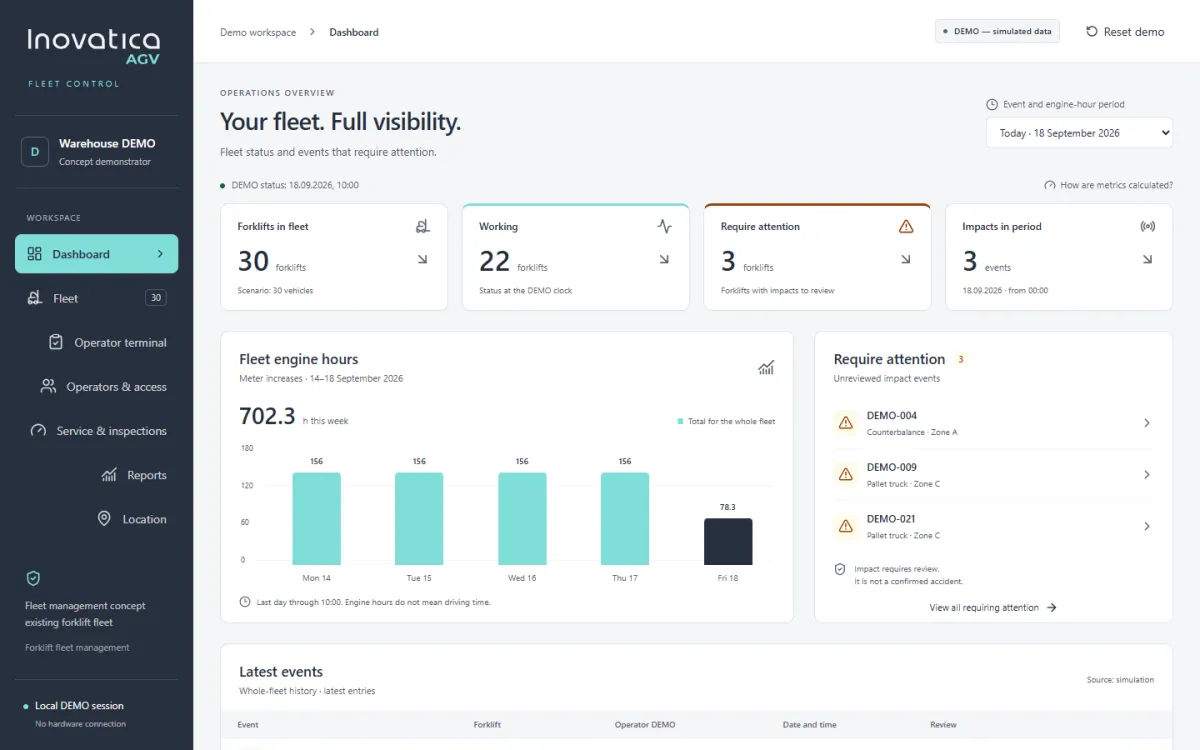
This gives operations a clearer view of information flow and gives IT a more explicit boundary between process orchestration and vehicle execution. It is especially relevant when future flexibility or vehicles from multiple suppliers are part of the plan.
What the deployment architecture looks like
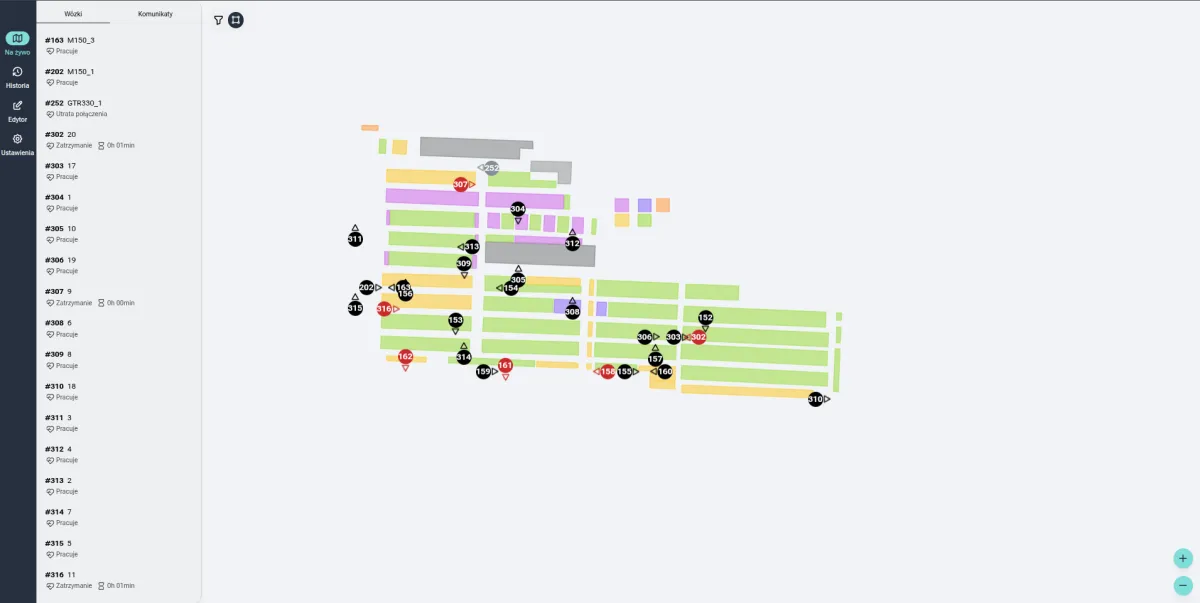
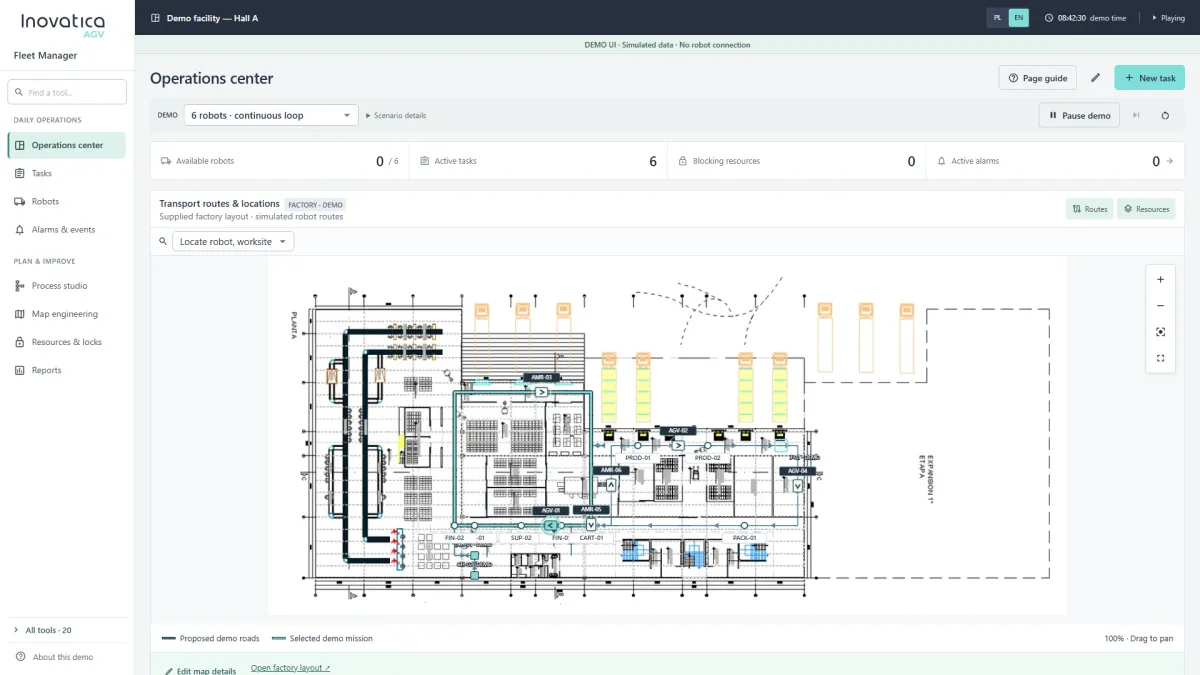
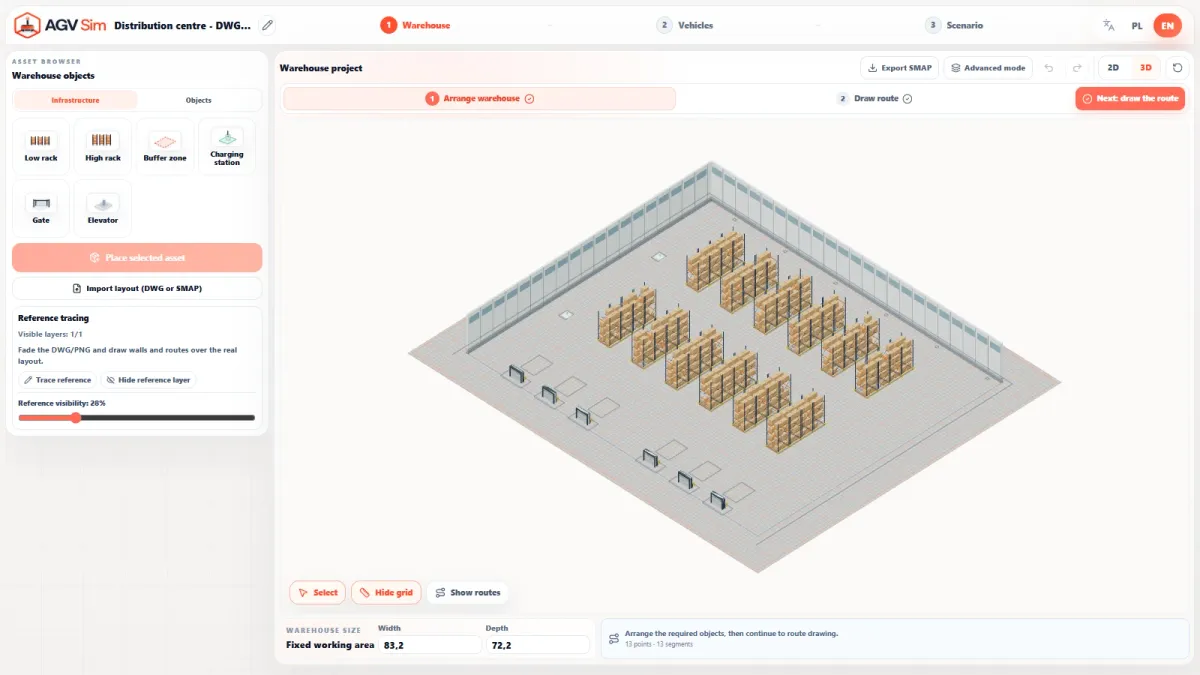
In the model described here, task management handles the order queue, priorities and completion states, while the fleet layer turns those decisions into work for individual vehicles. This separation helps organize a growing number of routes, pickup and drop-off points, and dependencies between production and warehouse areas.
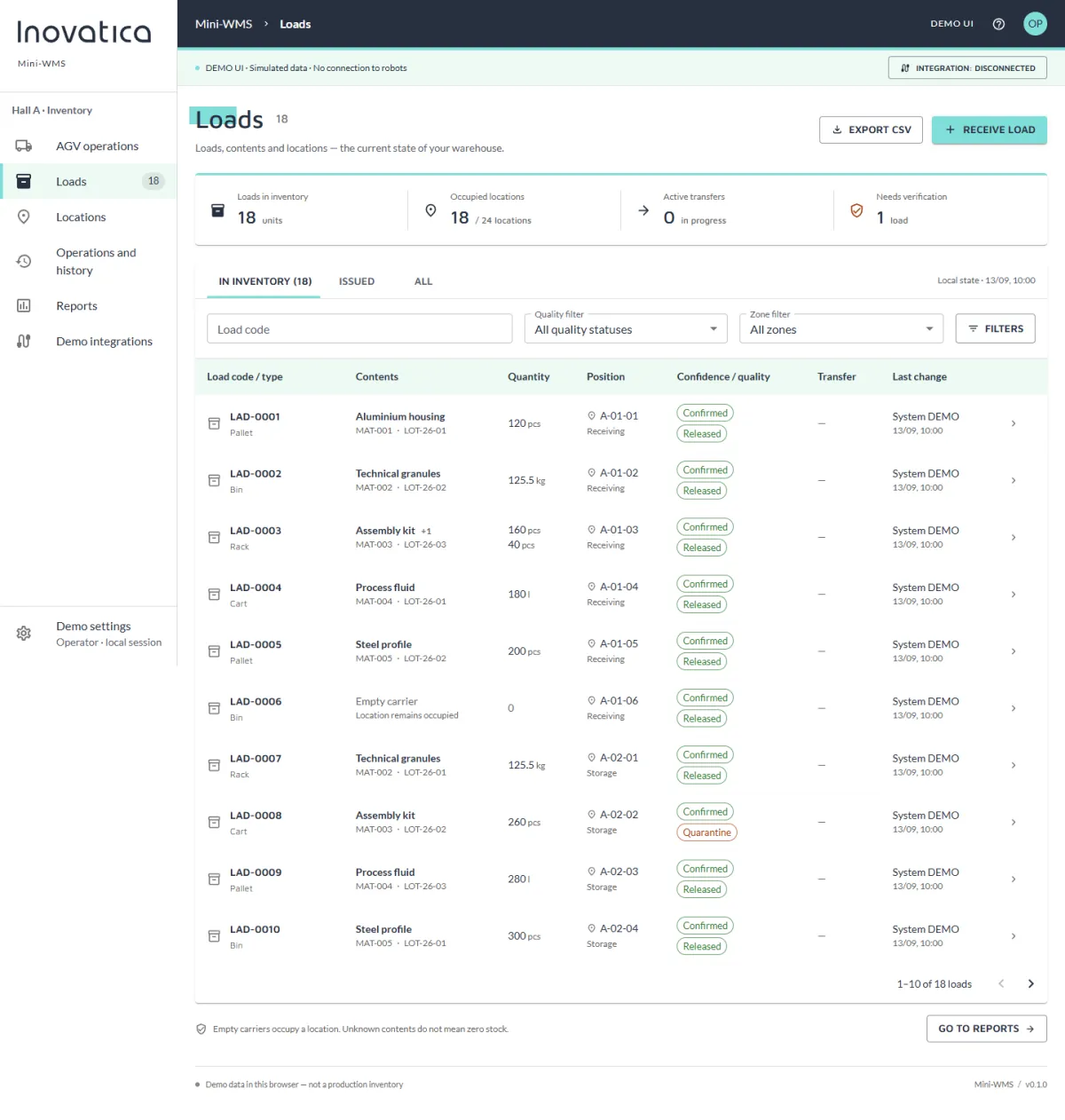
The standard does not replace process analysis. Traffic rules, safety policies, pallet-exchange positions and integration with WMS or MES must still be agreed. A structured communication interface supports those decisions within a more consistent, scalable system model.
Effects on the operations team
The main potential benefit is less complexity during expansion. It becomes easier to plan later phases of automation and define responsibility between suppliers of different system layers. This can reduce integration-related disruption and make change schedules more predictable.
The standard does not produce ROI on its own. Its contribution is a more stable basis for scaling, helping the system remain adaptable after the first vehicles start operating.
Official interface description: VDA 5050 — mobile robot communication.