
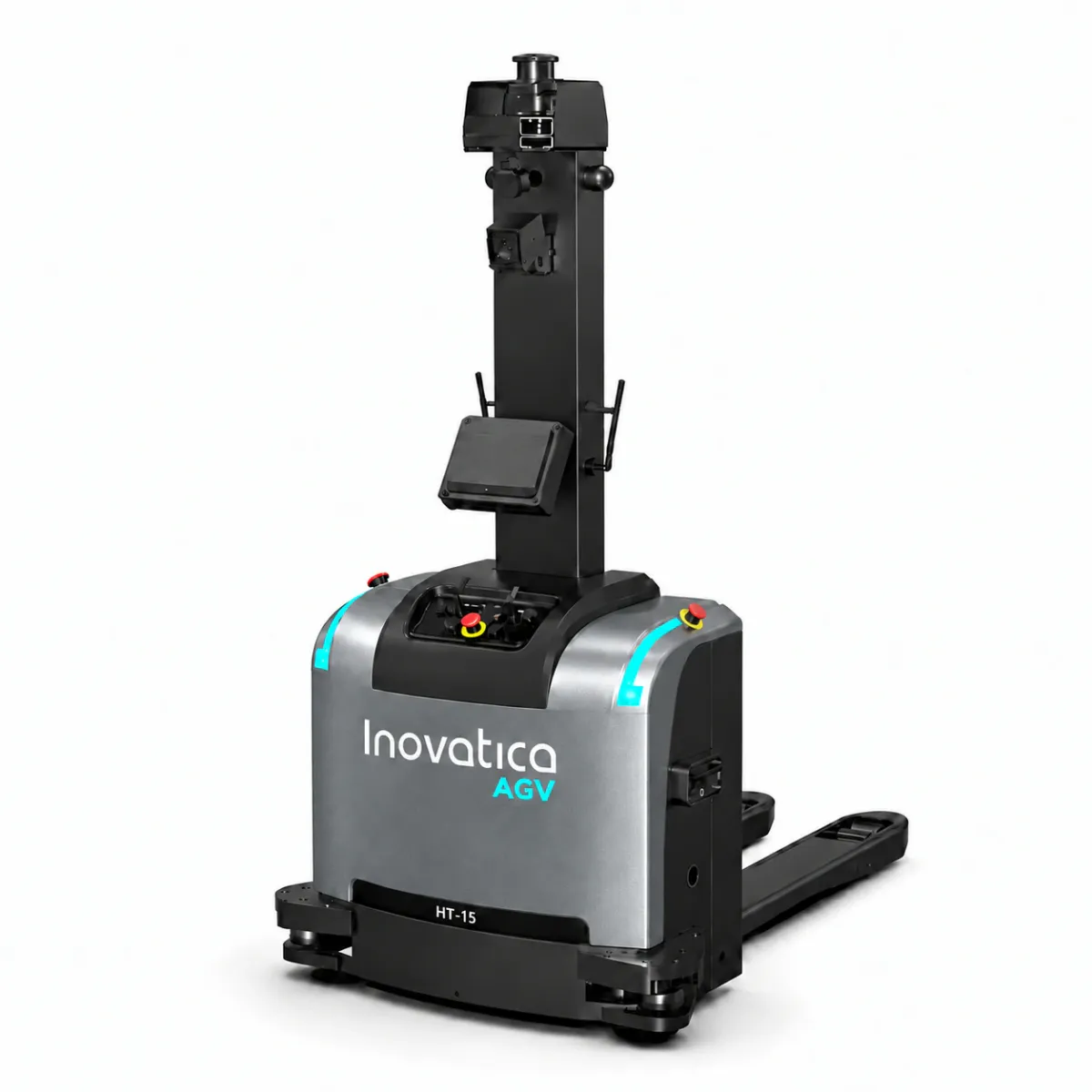
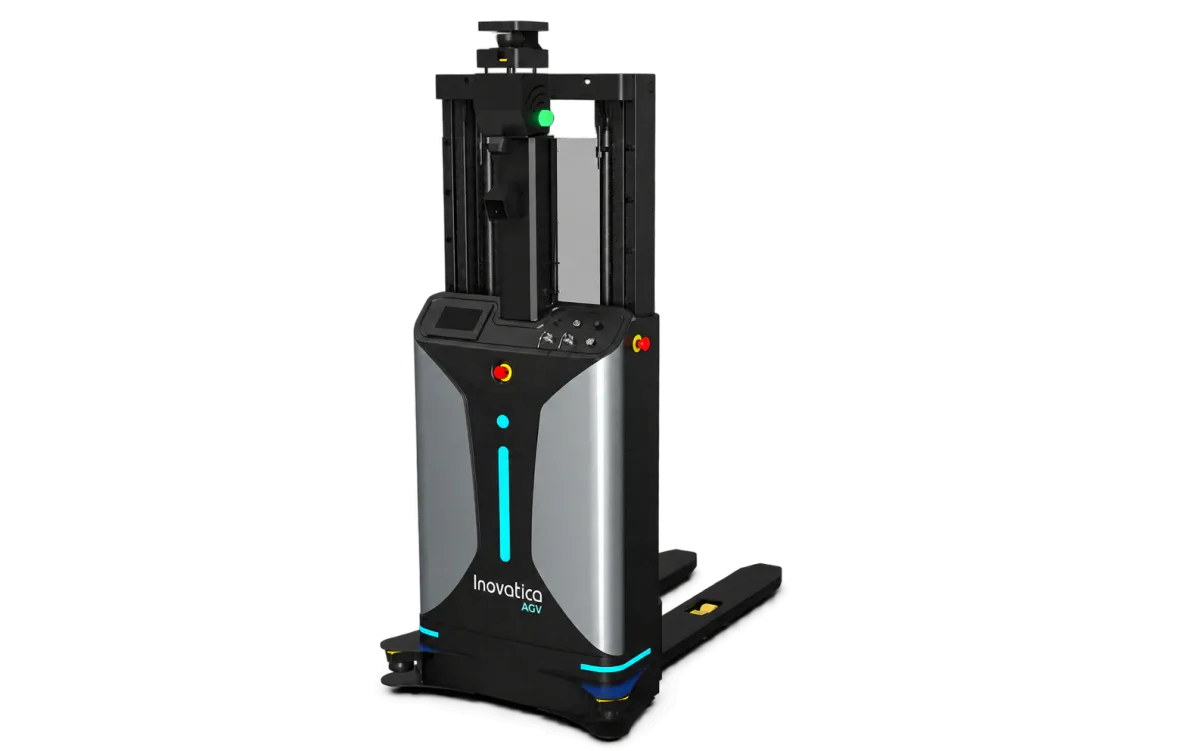
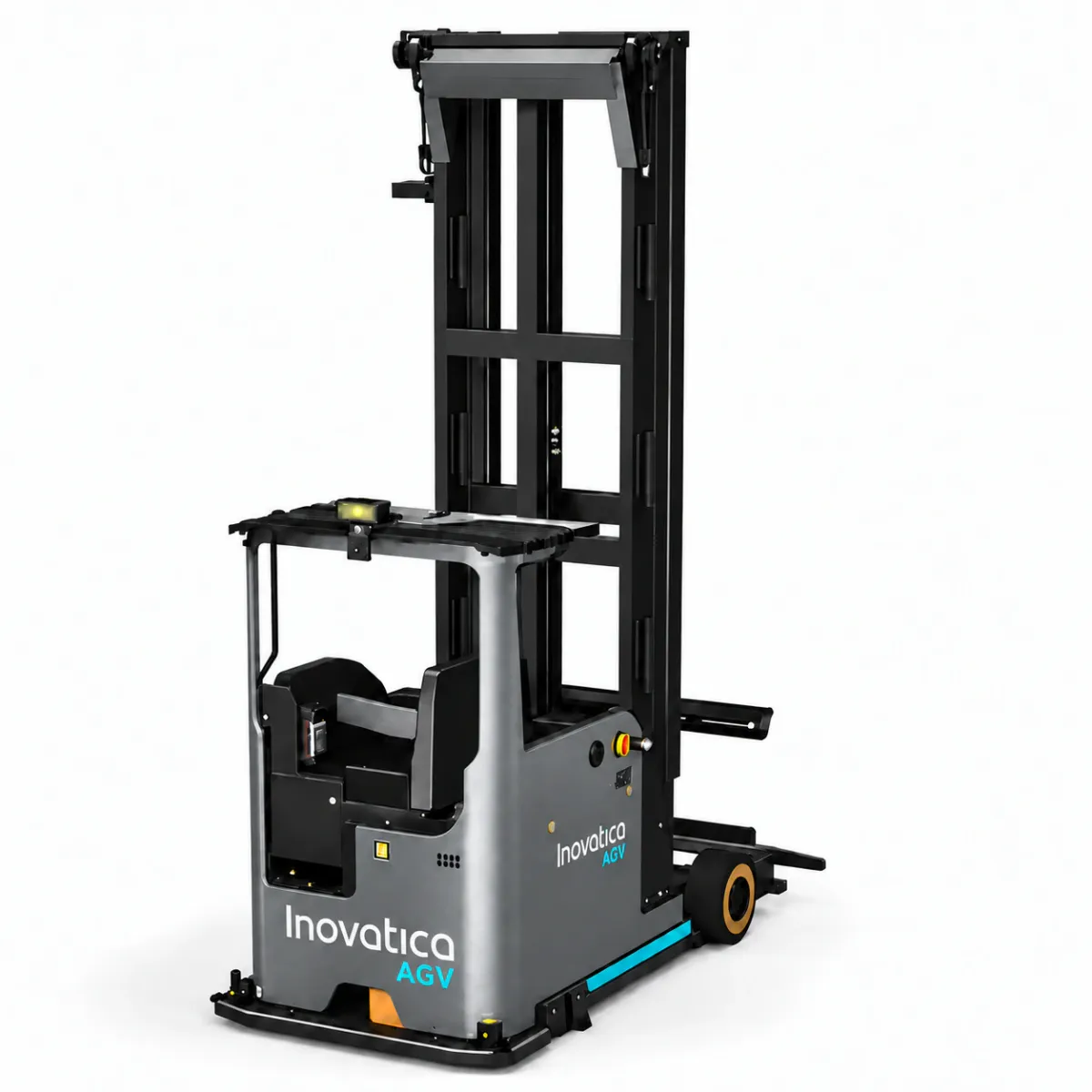
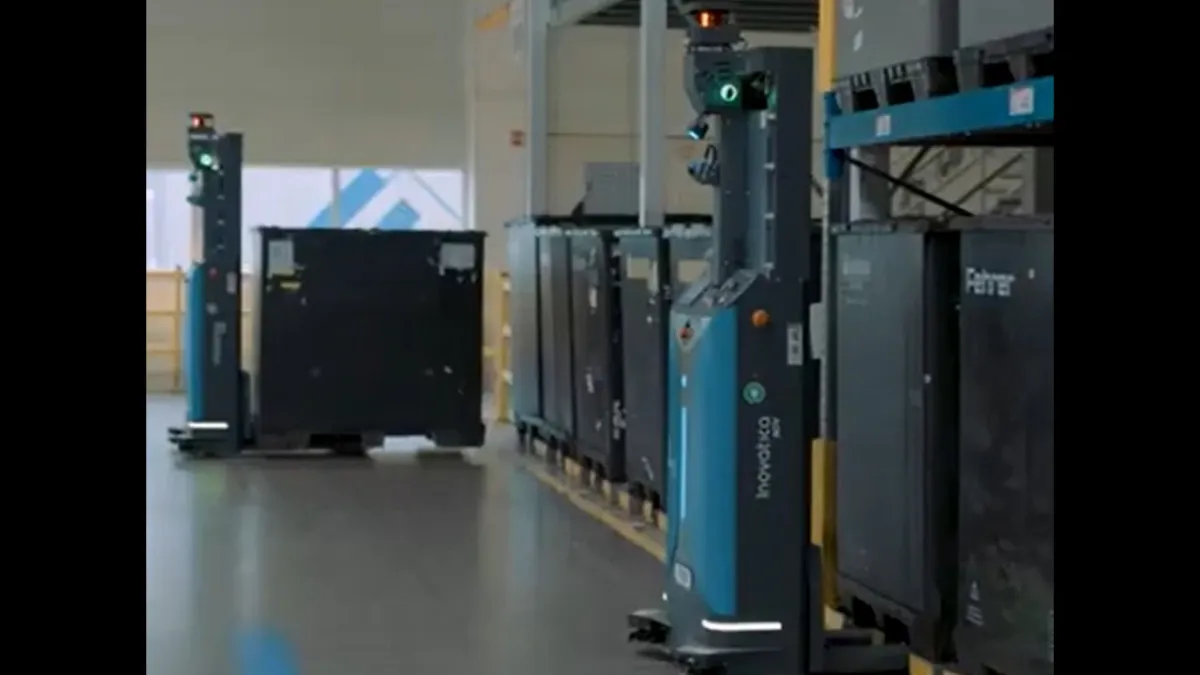
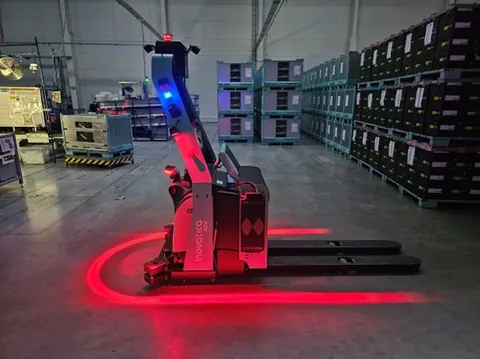
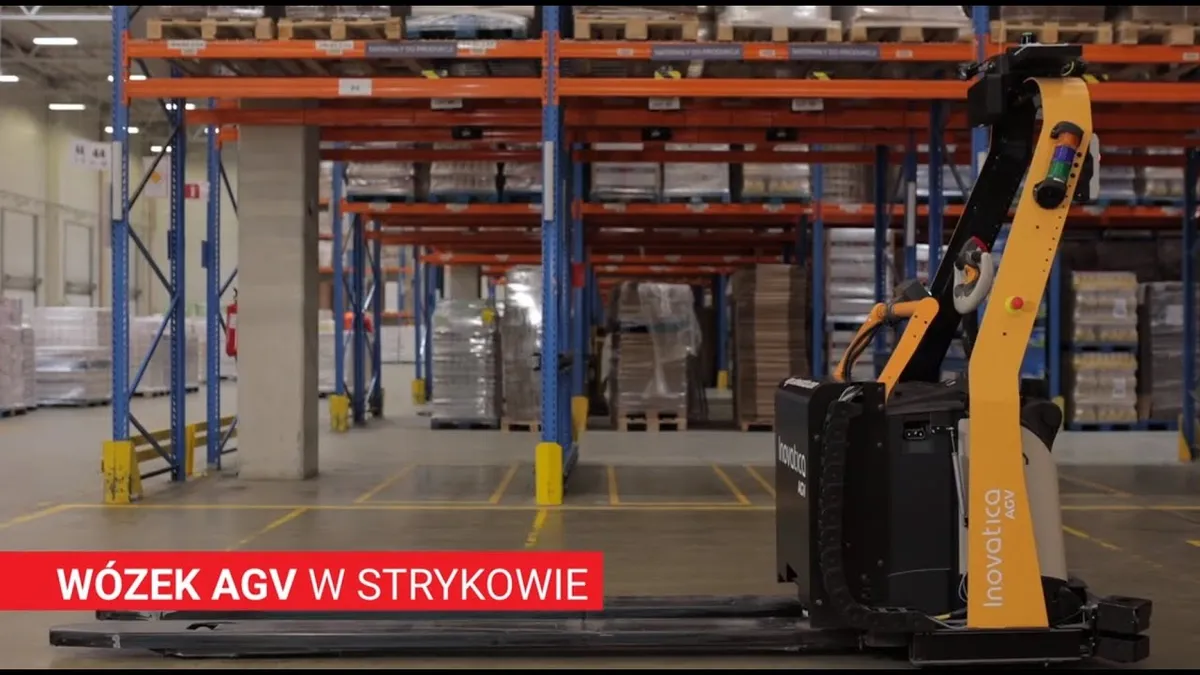
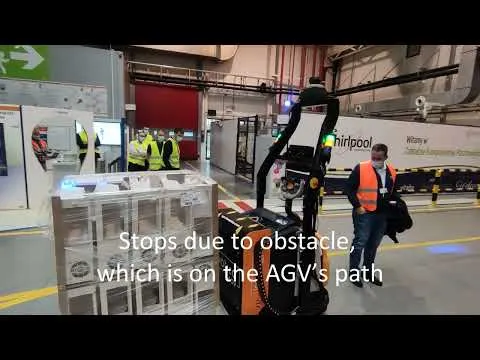
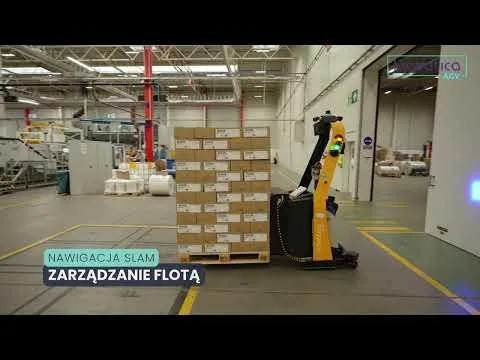
Mixed traffic becomes much safer when the system can recognize the real shape and movement of manual forklifts, not only their general presence. An AI layer that detects forklift forks helps AGV react earlier and more precisely in situations where conventional logic is not enough.
The business value comes from reducing collision risk and increasing confidence in real-world operation. In practice that means safer rollout, fewer interruptions and a stronger basis for mixed-traffic automation.
Objects close to the floor are a particular challenge. Manual forklift forks have a narrow profile and may be hard for conventional sensors to distinguish at an unfavourable angle or under difficult lighting. The project described here aimed to detect those forks in real time and reduce collisions between AGVs and manually operated trucks. The source reports a 95% reduction in warehouse accidents.
Why detecting forks is difficult
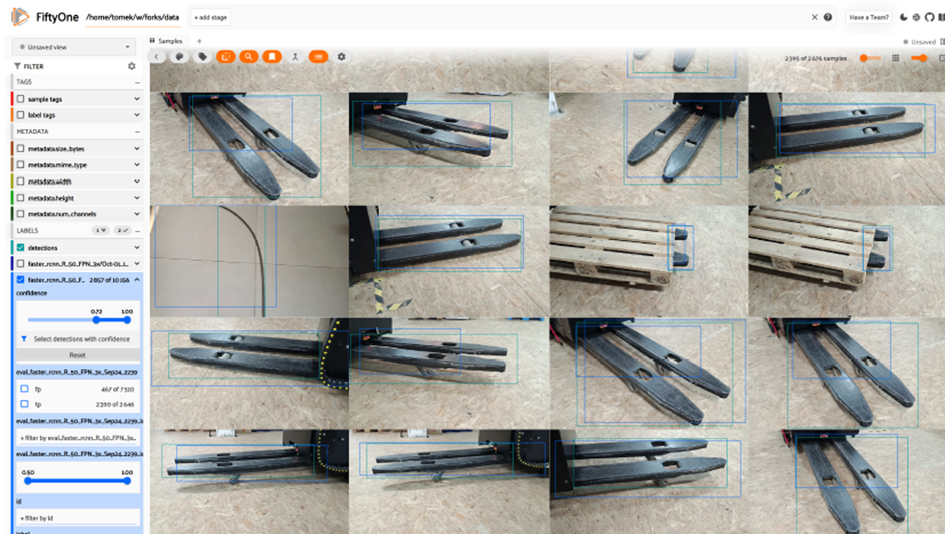
Forks often sit very low and blend into the floor or pallet background. An undetected fork can enter an AGV’s path late enough to create a practical safety problem.
The organization also faced three deployment constraints: no in-house AI team, time pressure and a limited development budget. It therefore outsourced development instead of building the necessary expertise from scratch.
How the solution was built
The project followed several stages:
- defining business and technical requirements;
- collecting a dataset from real industrial environments;
- training and comparing object-detection models;
- optimizing inference for real-time operation;
- deploying the application and testing it in operating conditions.
According to the project description, the requirements included 95% precision, real-time detection measured in milliseconds, AES-256 encryption for data security, and support for mobile and desktop platforms.
Data and AI models
Data formed the basis of the work. Thousands of industrial images were labelled in CVAT to identify forks, obstacles and other objects. Image rotation, contrast changes and simulated noise augmented the dataset to improve performance under real conditions.
FiftyOne was used to validate data quality and Detectron2 was part of the model-development toolset. The project description reports strong results with Faster R-CNN and YOLOv5. Optuna AutoML supported parameter optimization, with inference brought to approximately 50 ms per frame.
Detection quality alone is insufficient in an operating vehicle: a result that arrives too late has limited practical value. Latency therefore matters alongside accuracy.
Application and deployment layers
The work extended beyond the model. An application developed in Android Studio displayed detection results in real time. ONNX Runtime and FP16 quantization were used to optimize models for smooth operation on mobile devices.
The wider environment included Docker, Kubernetes and TensorBoard for deployment and monitoring, and PostgreSQL and MongoDB for logging and data handling. Monitoring and further development continued after rollout, including an extension to pallet detection.
Reported results
The source identifies four business outcomes:
- A 95% reduction in warehouse accidents.
- Approximately 35% savings compared with building an in-house AI team.
- Delivery on schedule, avoiding costly delays.
- A modular architecture that could develop with the business’s needs.
The example illustrates the value of applying AI to a defined operating problem: reducing a specific collision risk that conventional sensing had not addressed sufficiently. The reported figures describe this project; they are not a guaranteed result for every AGV installation.
What this means for AGV projects
In complex environments, additional perception can be useful for objects that are small, close to the floor or difficult to identify with traditional sensors. Standard scanner configuration and traffic logic may not address every operating challenge on their own.
For a similar project, define the safety problem, how it will be measured and which real operating data will support development. This gives the team a practical basis for evaluating business value, rather than treating AI as an isolated technology experiment. Additional AI perception does not replace validation of the complete safety system.
Project source: Inovatica — AI-based forklift-fork detection.