
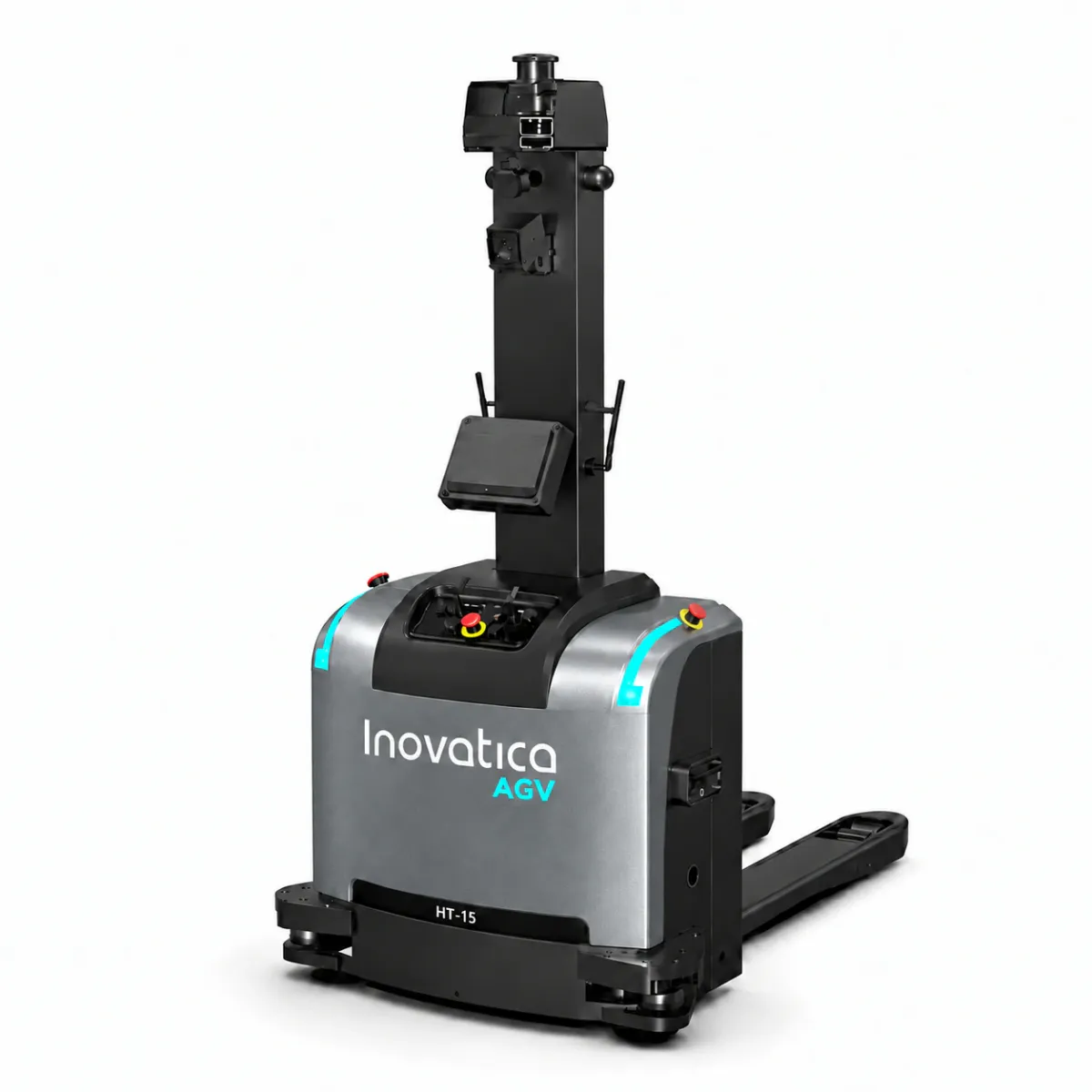
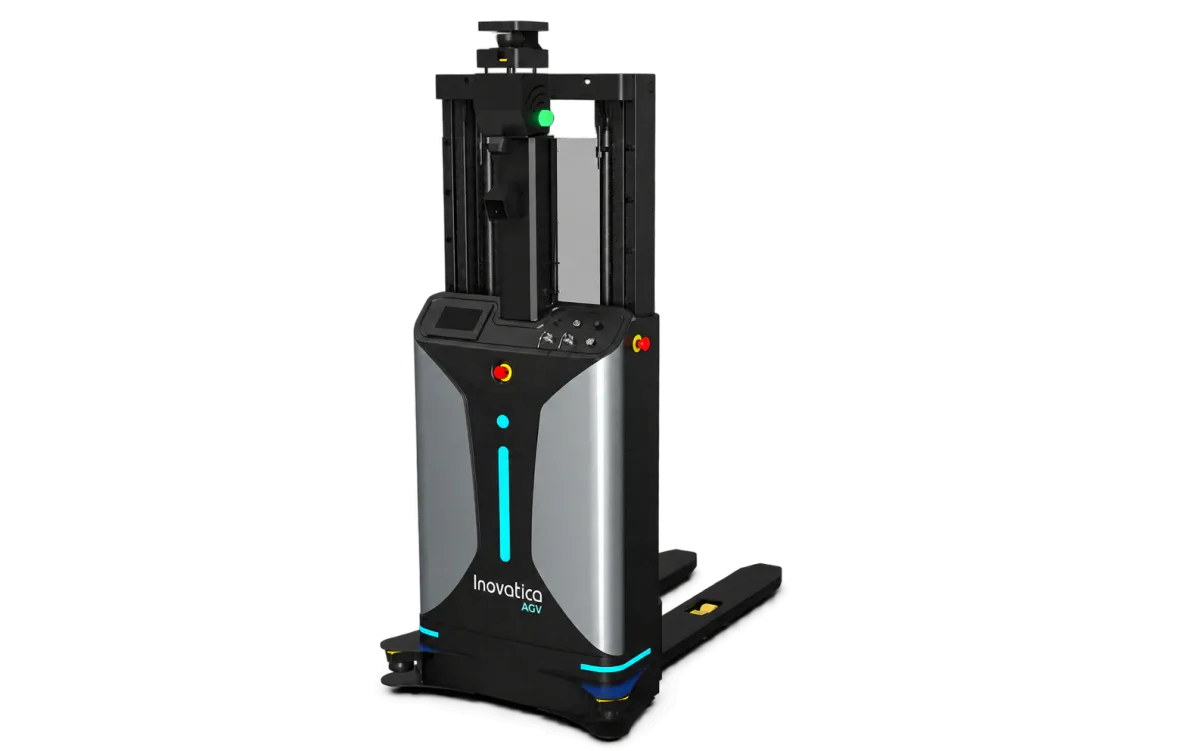
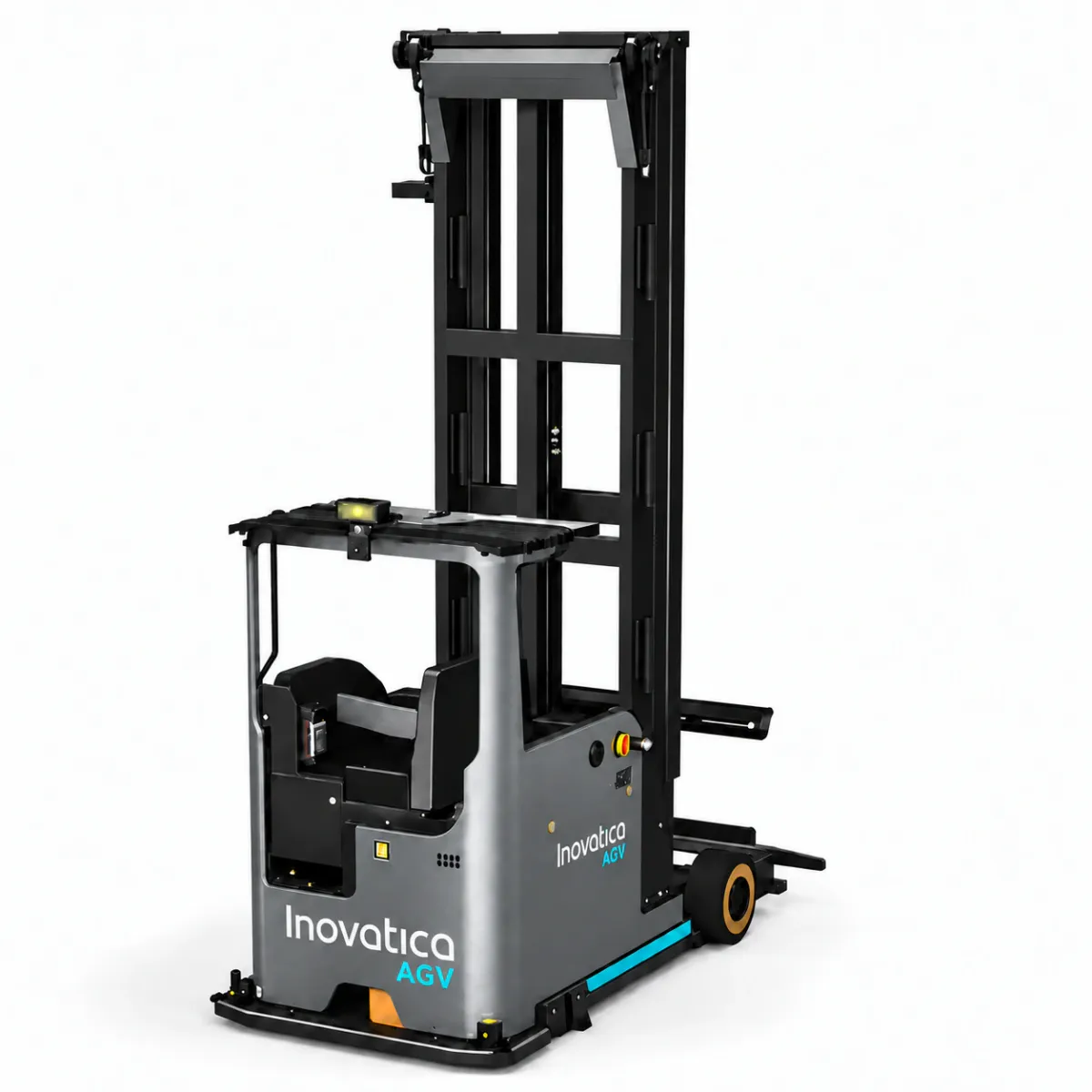
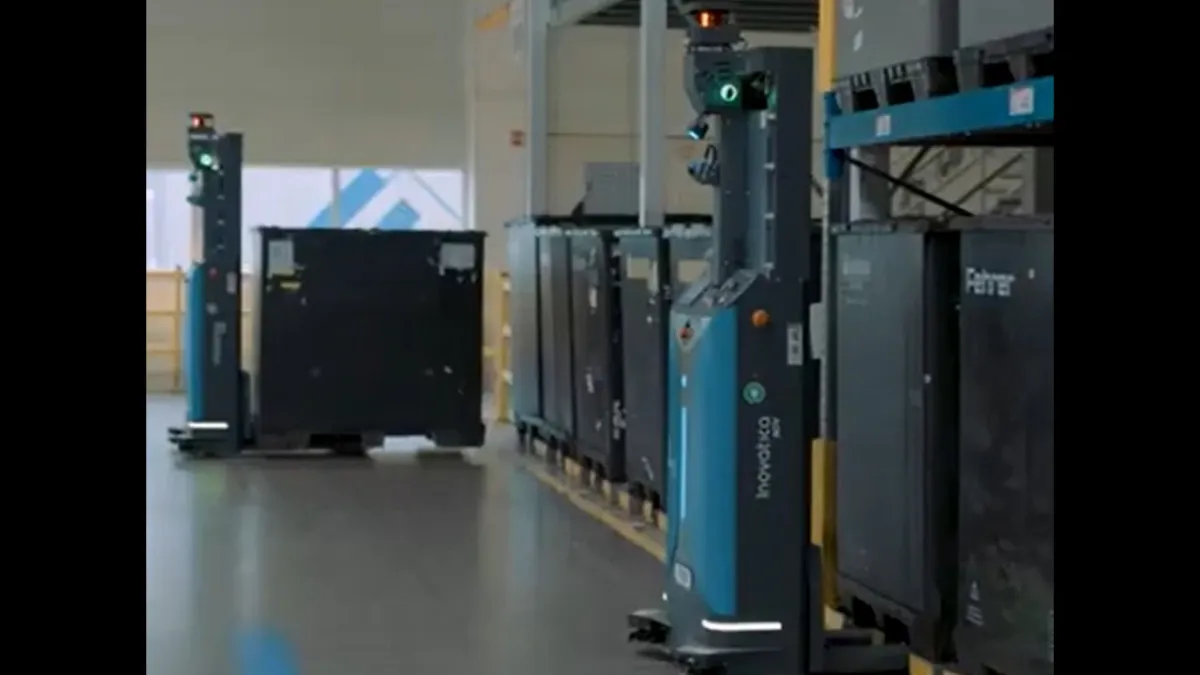
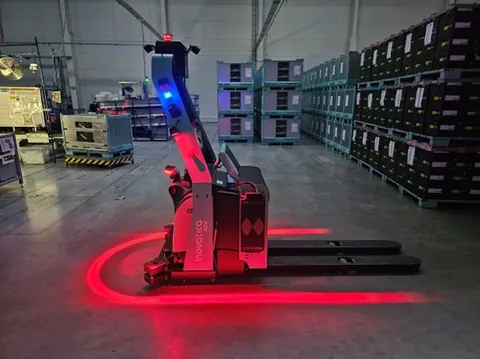
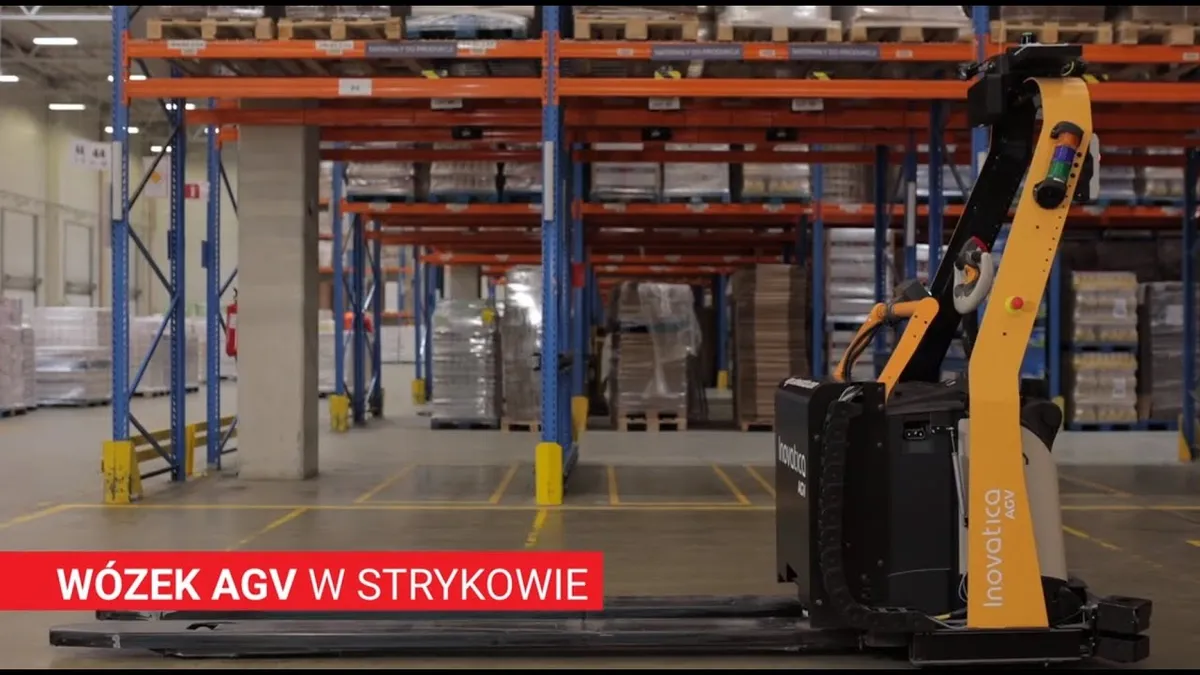
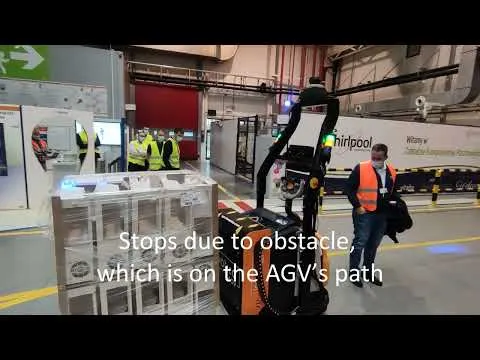
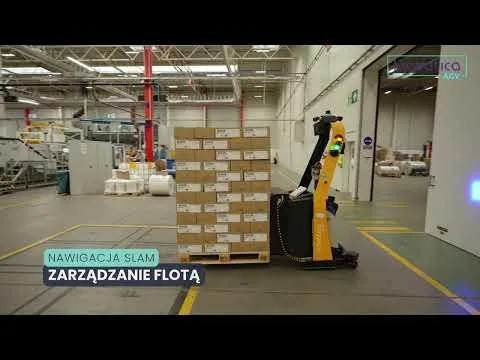
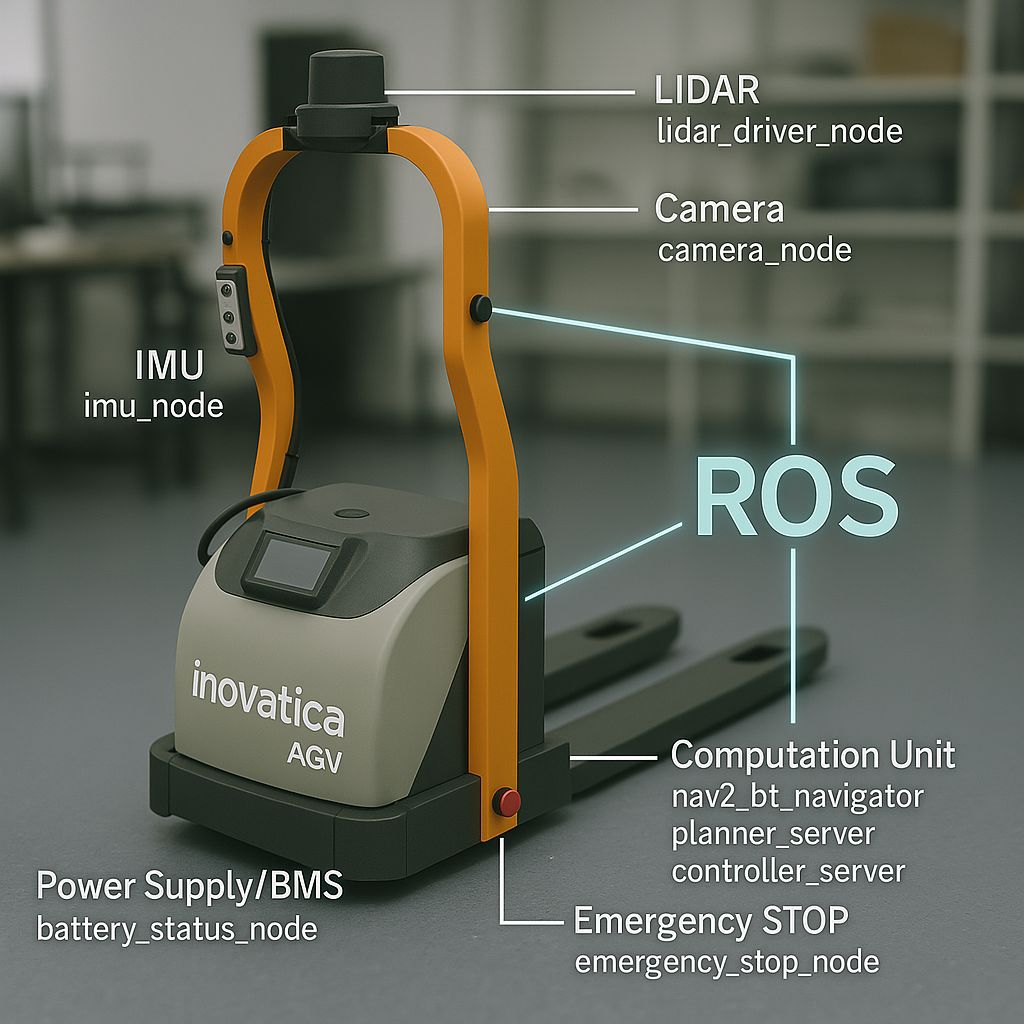
ROS 2 can be a useful architecture layer when the goal is to organize autonomy functions, perception modules and communication in a more modular way. It becomes especially valuable in projects that build on existing forklifts instead of starting from a fully closed platform.
The critical question is not whether ROS 2 is modern, but whether the architecture remains maintainable, safe and predictable in an industrial environment. That is what decides whether a prototype can evolve into a usable deployment.
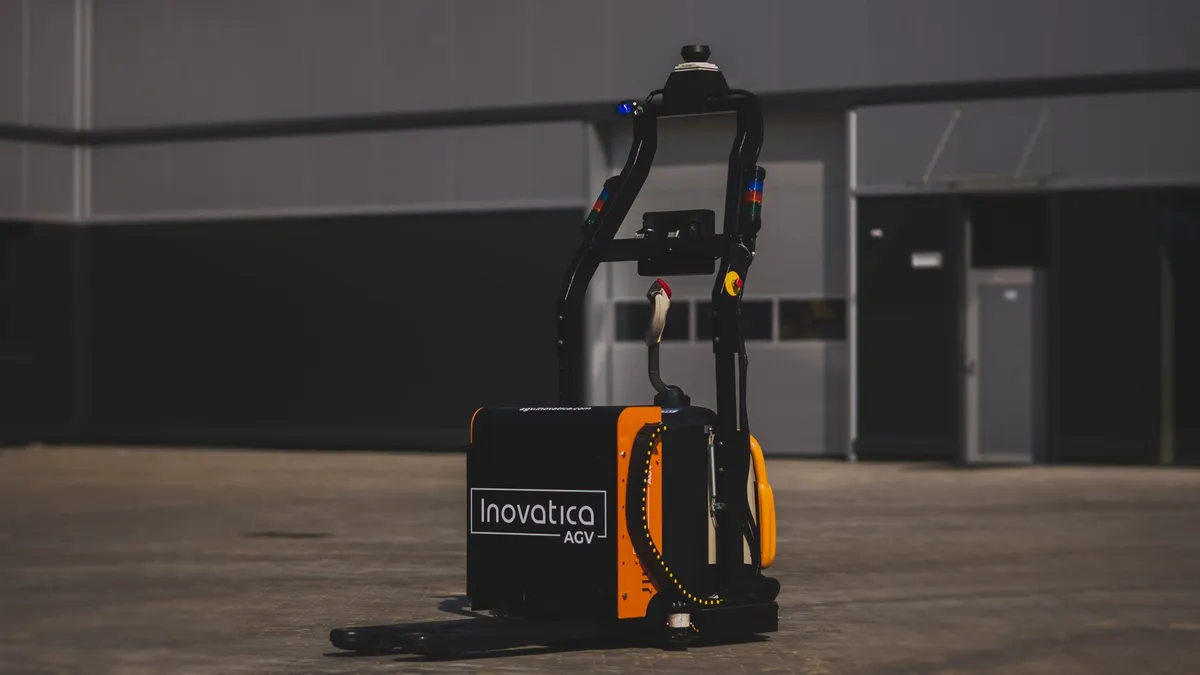
Developing an autonomous forklift does not always require building the entire solution from scratch. Adding autonomy to a suitable existing hardware platform can make business sense by shortening deployment and reducing the initial investment.
Where ROS 2 provides an advantage
ROS 2 is useful when a project needs a clear separation between perception, localization, motion planning, control and diagnostics. This makes it easier to develop functions incrementally and test them in conditions close to production without holding up the entire deployment programme.
For the business, the value lies in engineering discipline rather than the framework name. The team can iterate autonomy functions, maintain consistent communication between modules and move more efficiently from a proof of concept to operational use.
Retrofitting instead of replacing the whole fleet
A retrofit assessment considers the condition of existing vehicles, access to control signals, space for sensors and onboard computers, and safety requirements. These findings determine whether modernization is technically and financially justified.
This route can shorten the time to a first deployment. It still requires clear responsibilities, safety validation and a service plan for the system after commissioning.
What to assess before deciding
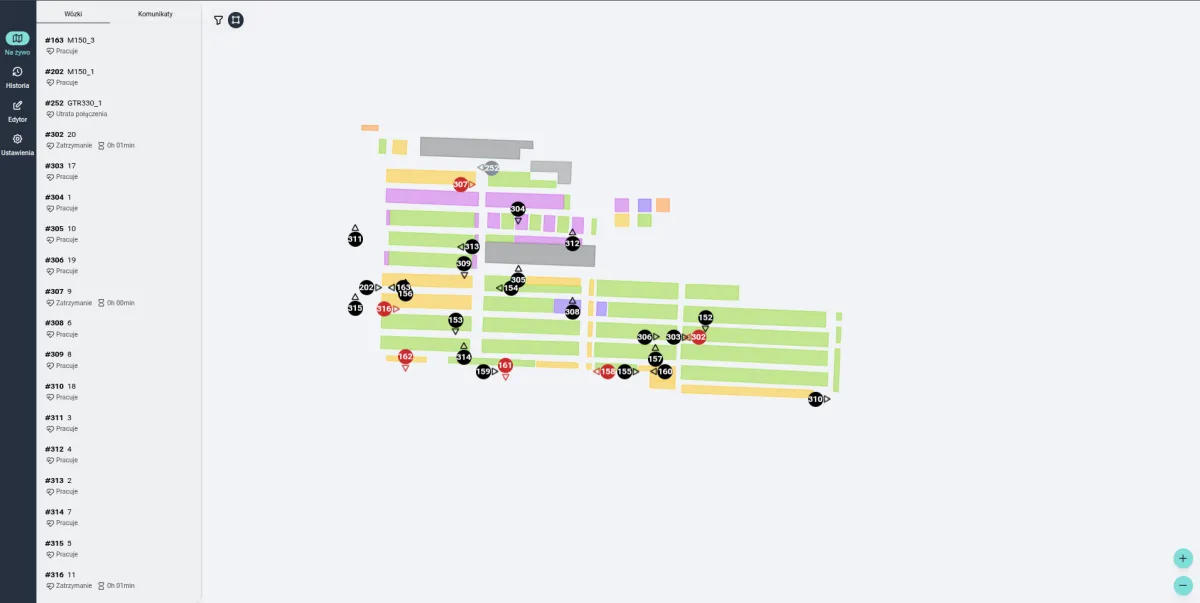
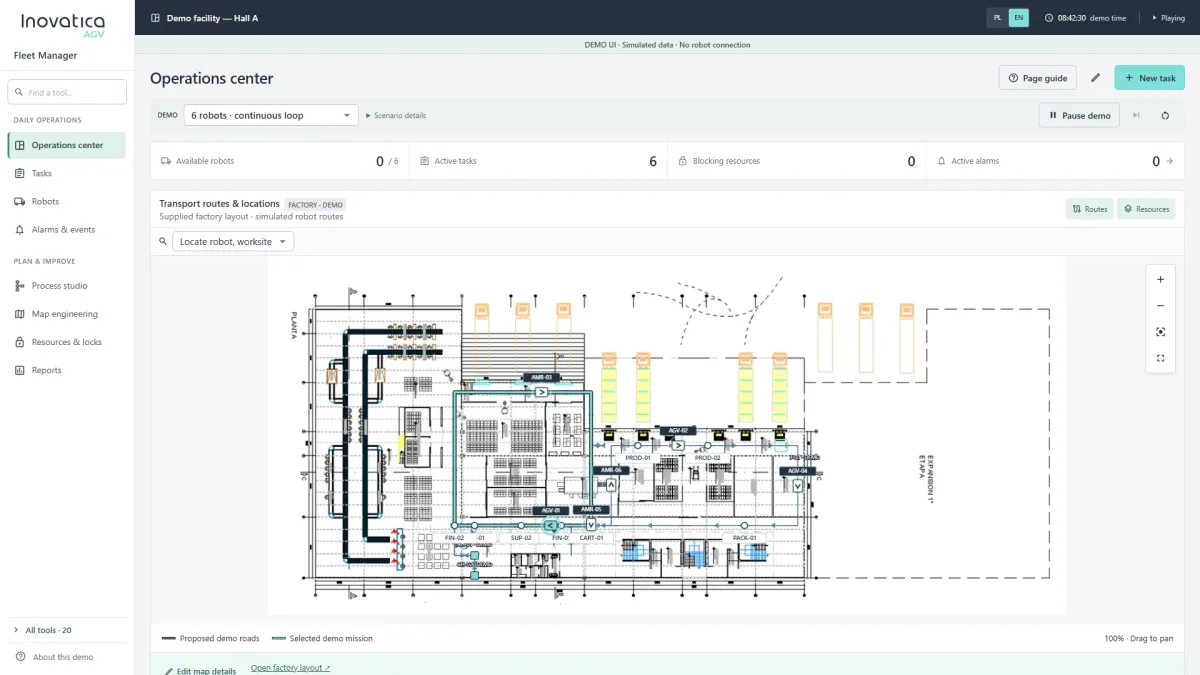
The key questions concern the vehicle’s entire operating context, not only its software: navigation quality, route repeatability, pickup and drop-off logic, and integration with plant systems. When these elements are well defined, a ROS 2 architecture can provide a sound foundation for subsequent iterations of an AGV product.