
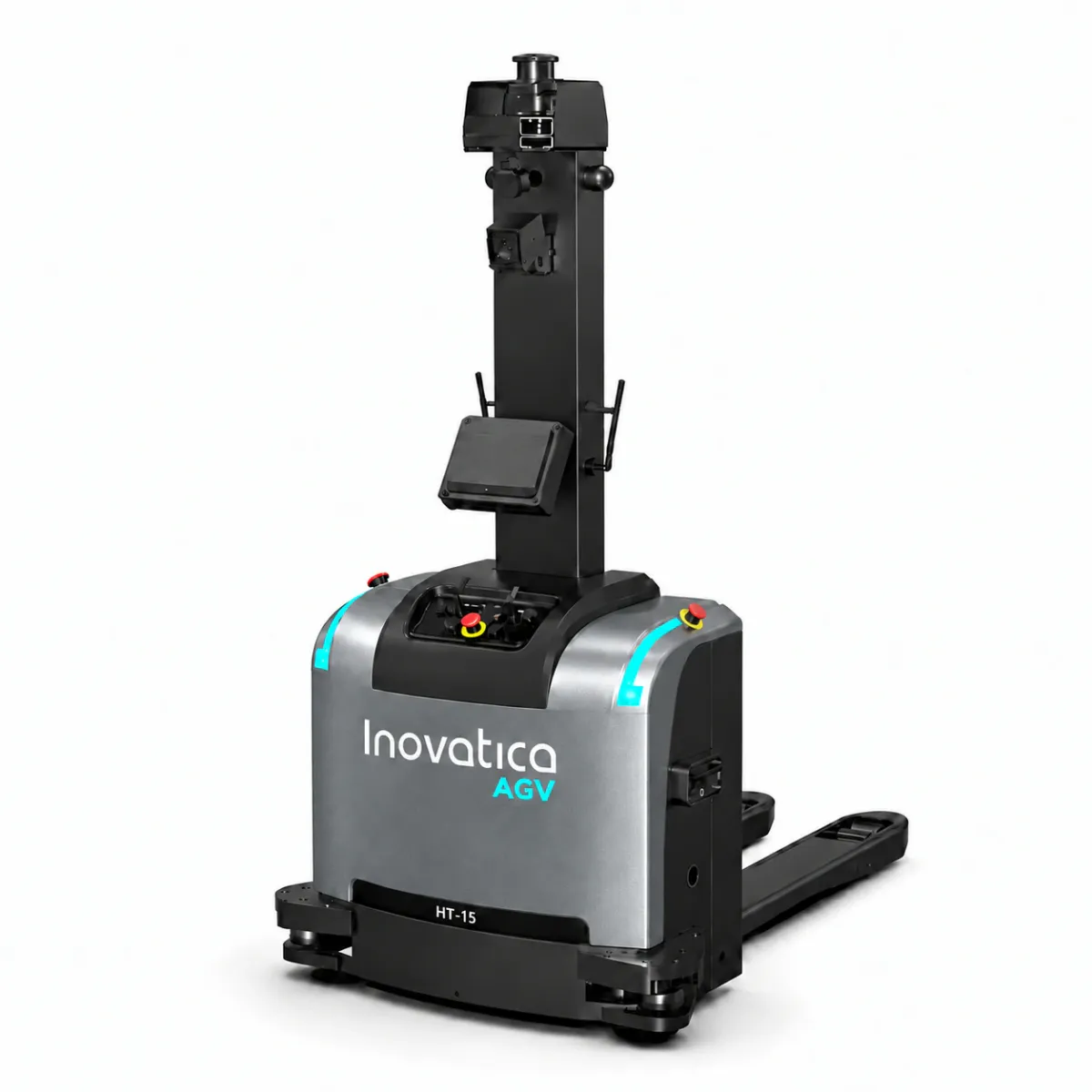
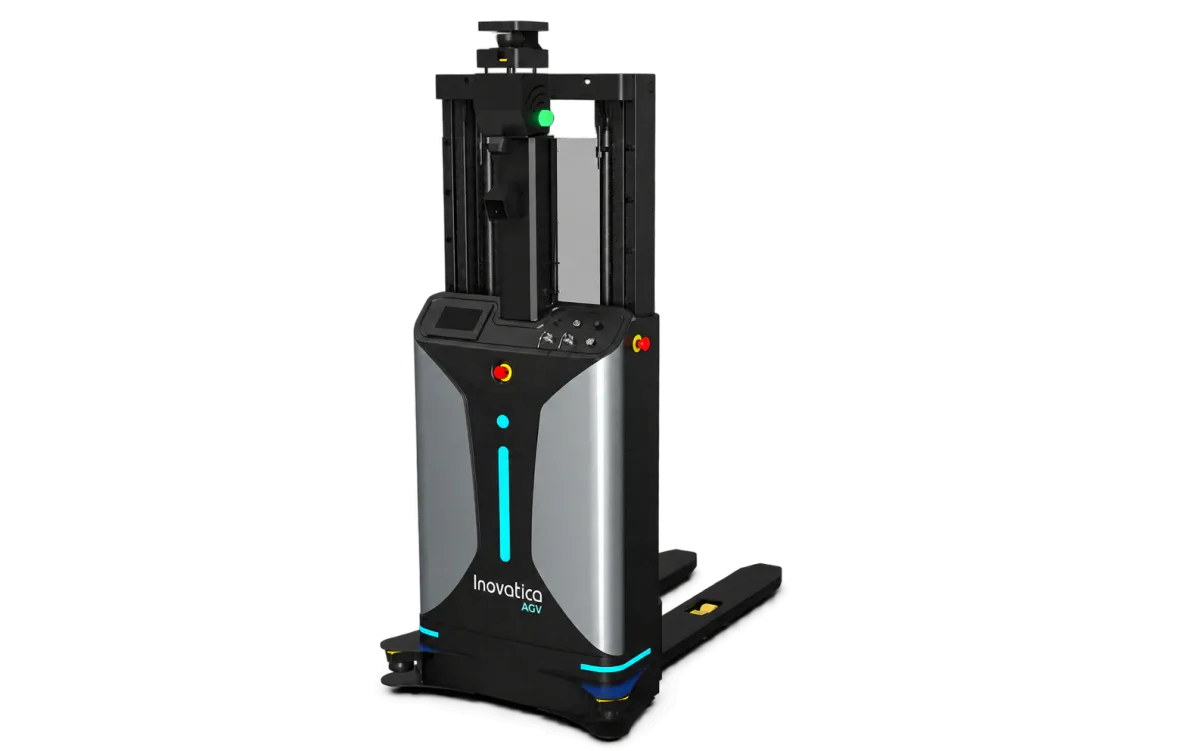
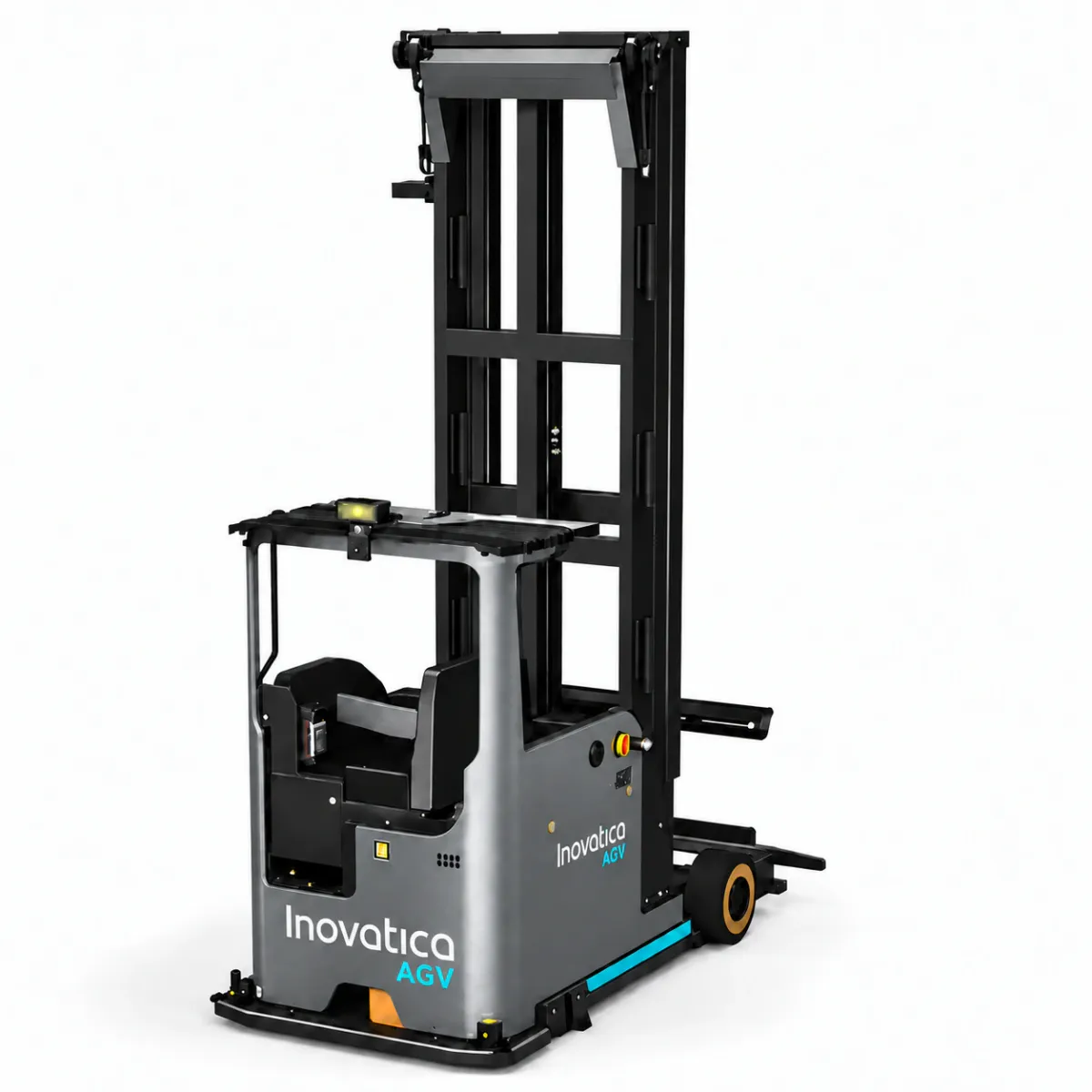
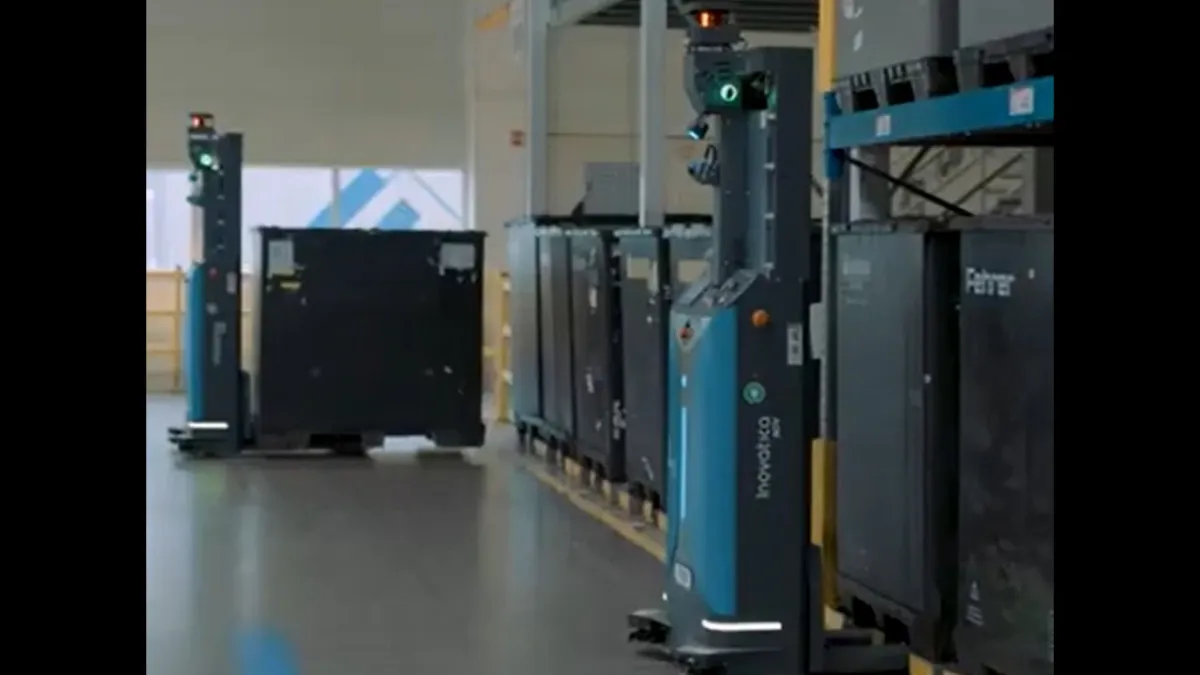
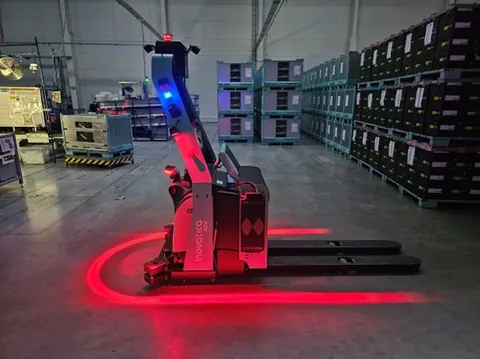
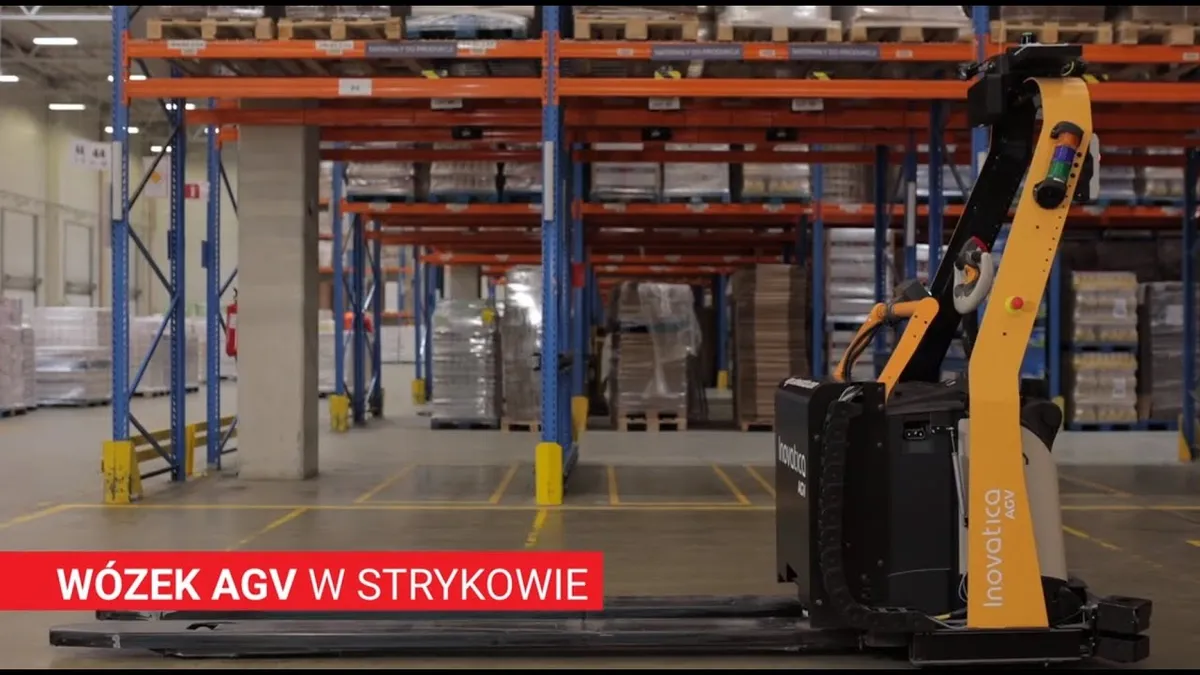
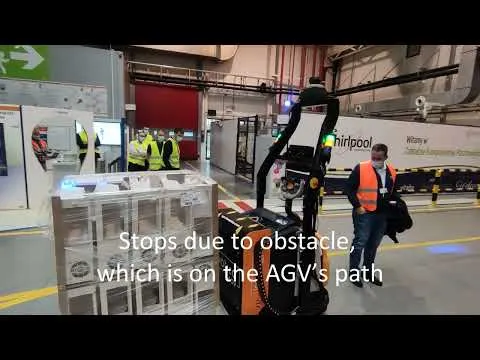
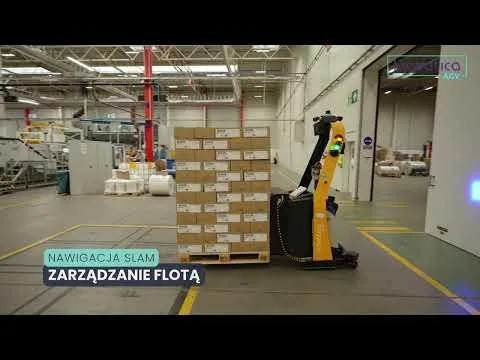
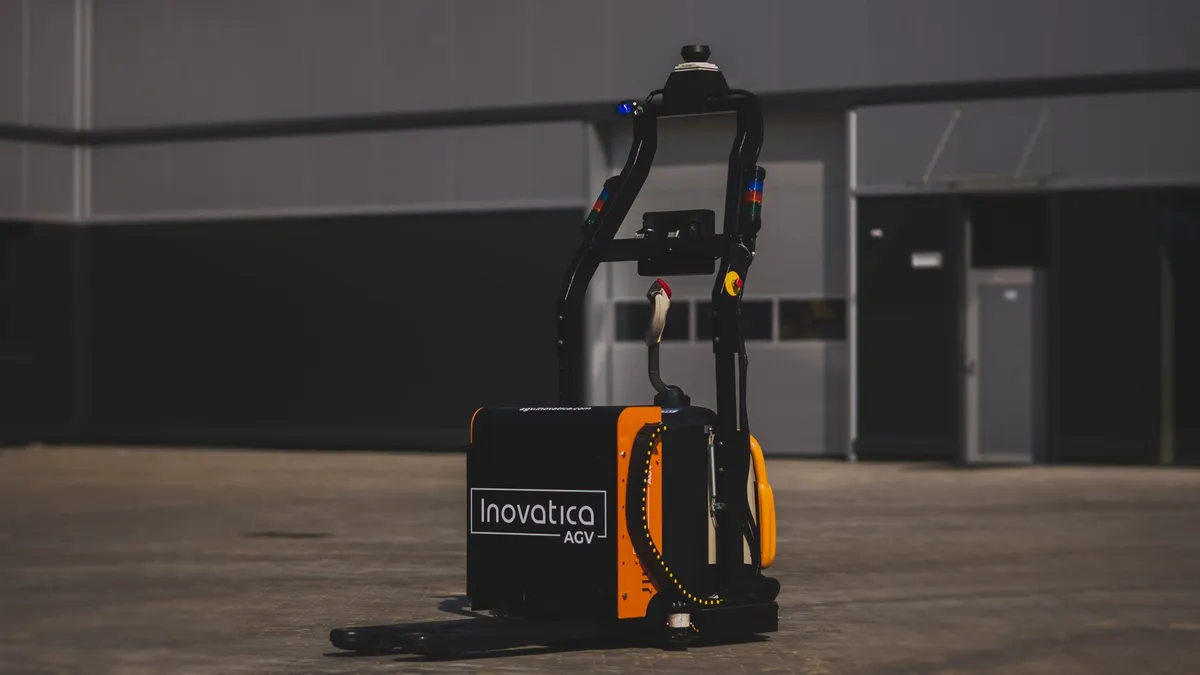
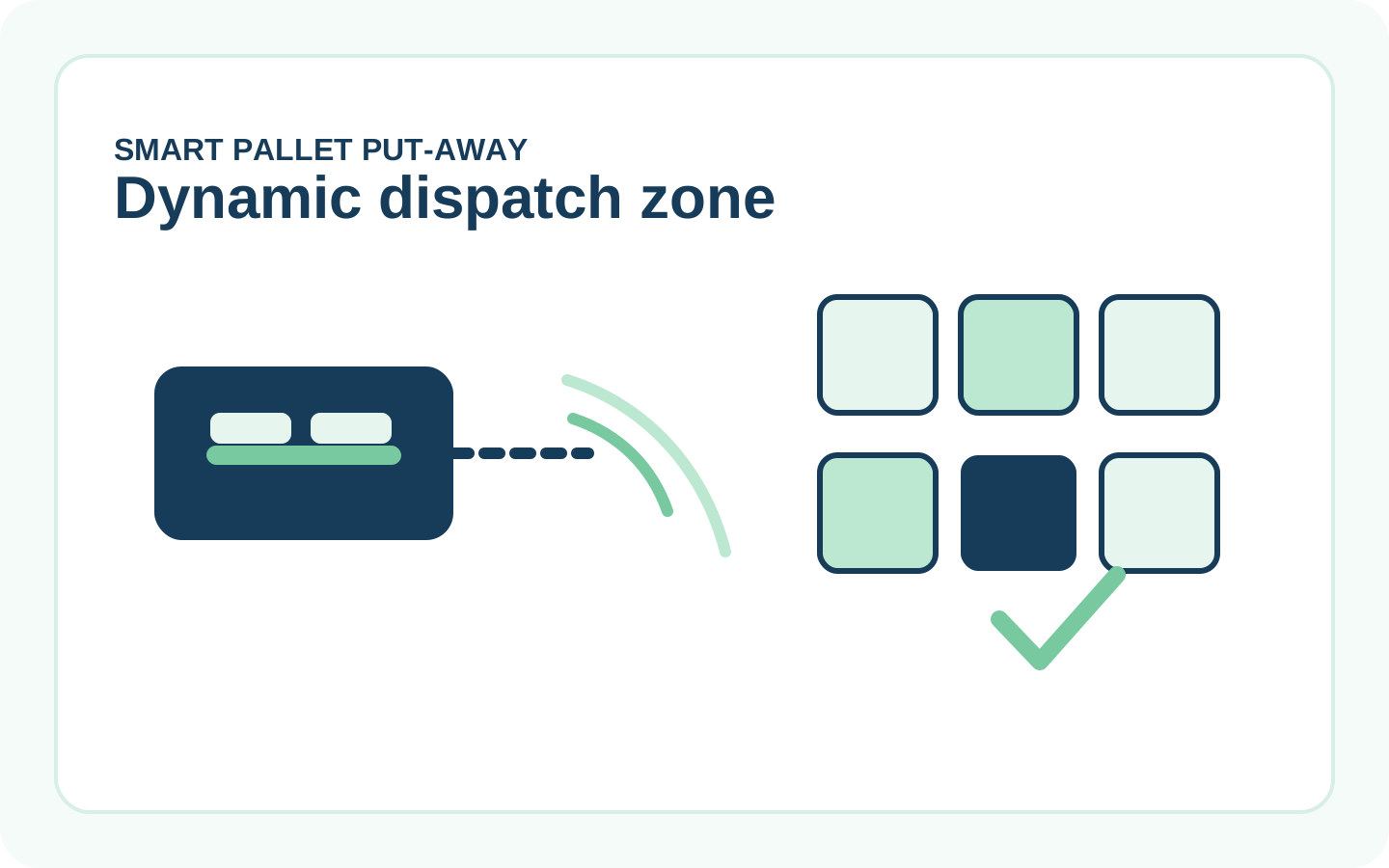
An intelligent pallet placement function is useful wherever the shipping zone is dynamic and fixed drop-off logic is too rigid. Instead of waiting for one exact spot, the AGV can evaluate the zone and choose an available location that still respects process rules.
This improves continuity and reduces avoidable waiting time near shipping. It also makes the dispatch area easier to scale because free space can be used more flexibly without losing control over the flow.
Dispatch zones and buffers are particularly demanding because the pallet layout can change from one minute to the next. Assigning a single fixed drop-off position can create blockages, manual interventions and interruptions to material flow.
How the function works
The robot does not travel only to one predetermined position. It examines the space ahead and determines which positions are currently available. Process rules then identify the first suitable location, allowing the load to be placed without an operator selecting another address.
This is particularly useful in a busy dispatch area where occupancy changes faster than a system based solely on static addressing can accommodate.
What must work for this to be useful
Intelligent placement is more than a software add-on. It needs suitable perception, appropriate safety logic and consistent rules for selecting the drop-off position. Sensor data must be combined with process rules and the geometric constraints of the load carrier and its surroundings.
For the customer, the practical value is fewer stops caused only by the nominated position being temporarily occupied. Additional autonomy should solve that operating problem rather than exist simply as a demonstration feature.
Operational effect
The main benefit is continuity of flow. The AGV does not need to wait for manual confirmation, an operator does not have to change the address, and the buffer can work more smoothly even when demand is uneven.
The organization can also gain:
- fewer exceptions at the end of the process;
- better use of available space;
- greater tolerance of temporary changes in the pallet layout;
- less manual coordination in the shipping area.
Where it is most useful
The function is most relevant in dispatch zones, rotating buffers, packaging-line exits and areas receiving many loads within a short period. Its value increases when occupancy varies and maintaining flow is a priority.
What this means for AGV projects
A mature AGV deployment involves more than travelling from A to B. Its operational value often depends on how the robot handles an imperfect, changing environment.
For a plant, intelligent placement can reduce blockage risk and make the process more resilient without forcing every activity into an entirely rigid arrangement. This flexibility helps determine whether automation supports daily operations as effectively as it performs during trials.
Supporting material: Original source ↗